
Installing a child car seat might seem simple, but getting it wrong can put your little one at serious risk. You want to keep your child safe every time you hit the road, and that starts with knowing exactly how to install the seat properly.
In this guide, you’ll discover easy steps that anyone can follow, even if you’ve never done it before. By the end, you’ll feel confident that your child’s car seat is secure and ready to protect them on every trip. Keep reading to learn the crucial tips that could make all the difference for your child’s safety.
Choosing The Right Car Seat
Picking the right child car seat is very important for safety. It helps protect your child in case of a crash.
This guide covers key points to consider before buying a car seat for your child.
Types Of Car Seats
There are several types of car seats. Each fits different ages and sizes of children.
- Rear-facing seats for babies and toddlers
- Forward-facing seats with a harness for older toddlers
- Booster seats for children who have outgrown forward-facing seats
- Seat belts for children who meet height and weight requirements
Age And Weight Guidelines
| Car Seat Type | Age Range | Weight Range |
|---|---|---|
| Rear-facing | Birth to 2 years | Up to 40 pounds |
| Forward-facing | 2 to 5 years | 20 to 65 pounds |
| Booster seat | 4 to 8 years | 40 to 100 pounds |
| Seat belt only | 8 years and older | Over 80 pounds |
Checking For Safety Certifications
Always check if the car seat meets safety standards. Certified seats have passed tests for crash protection.
- Look for labels showing compliance with government safety rules.
- Check for expiration dates on the seat and parts.
- Confirm the seat has clear instructions for installation.
- Avoid seats with visible damage or missing parts.

Credit: www.youtube.com
Preparing Your Vehicle
Installing a child car seat safely starts with preparing your vehicle. This ensures the seat fits securely and protects your child.
Follow these steps to prepare your vehicle before installing the child car seat.
Locating The Latch System
The LATCH system uses built-in anchors to secure child seats without seat belts. Find the anchors in your car before installation.
- Check your vehicle’s owner manual for LATCH anchor locations.
- Look for small bars between the seat cushions in the rear seats.
- Some vehicles have top tether anchors on the back shelf or seatbacks.
- Use these anchors to attach the child seat for a tighter fit.
Using Seat Belts Correctly
If your vehicle does not have LATCH or you choose to use seat belts, follow these rules for safe installation.
| Seat Belt Type | How to Use for Child Seat |
| Lap and Shoulder Belt | Thread the belt through the child seat’s belt path. Buckle and tighten firmly. |
| Lap-Only Belt | Use a locking clip if your vehicle manual requires it. Tighten the belt to remove slack. |
| Automatic Locking Retractor | Pull the seat belt all the way out, then let it retract to lock the belt in place. |
Clearing The Installation Area
Clear the seat and floor area before installing the child seat. This helps achieve a stable and secure fit.
- Remove loose items from the seat and floor.
- Fold or move other seats if they block access to anchors or belts.
- Check the seat belt path for twists and straighten as needed.
- Make sure the vehicle seat is clean and flat.
Step-by-step Installation
Installing a child car seat correctly keeps your child safe during rides. Follow these steps to make sure the seat is secure and comfortable.
Take your time with each step. A well-installed car seat can save lives and prevent injuries.
Positioning The Car Seat
Place the car seat in the back seat of your vehicle. The safest spot is usually the middle seat if it fits well. Make sure the seat faces the right direction. Rear-facing seats are for babies and toddlers. Forward-facing seats are for older children.
Securing With Latch Or Seat Belt
Use either the LATCH system or the vehicle seat belt to secure the car seat. Do not use both at the same time unless the car seat manual says it is allowed.
- Find the lower anchors or seat belt path on the car seat.
- Attach the lower anchors to the vehicle’s lower anchor points or thread the seat belt through the belt path.
- Tighten the straps or seat belt until the car seat does not move more than one inch side to side or front to back.
- Lock the seat belt if using it to prevent it from loosening.
Adjusting The Recline Angle
Check the recline angle of the car seat. A correct angle keeps your child’s head from falling forward. Most car seats have a built-in level indicator.
| Age or Weight | Recommended Recline Angle |
| Newborns and infants | 45 degrees (semi-reclined) |
| Older infants and toddlers | 30 to 45 degrees |
| Forward-facing children | Near upright |
Harnessing Your Child Safely
Installing a child car seat properly is important for your child’s safety. The harness keeps your child secure during travel.
Correct harnessing reduces the risk of injury in case of sudden stops or accidents. Let’s look at how to harness your child safely.
Proper Harness Height
The harness should be at the right height for your child. This ensures a snug fit and safety during the ride.
For rear-facing seats, the harness should be at or below the child’s shoulders. For forward-facing seats, it should be at or above the shoulders.
- Check the harness height as your child grows
- Adjust the harness slots accordingly
- Ensure the harness sits flat against the child
Tightening The Straps
Properly tightened straps are essential for safety. Loose straps can lead to injury in an accident.
After placing your child in the seat, pull the straps snug. You should not be able to pinch any slack in the harness.
- Tighten straps until snug
- Check for slack by pinching the strap
- Adjust as needed for comfort and safety
Chest Clip Placement
The chest clip is crucial for keeping the harness in place. It should be positioned at the right spot on your child’s body.
The correct position for the chest clip is at armpit level. This helps keep the straps in place over the shoulders.
- Place the chest clip at armpit level
- Ensure the clip is not too high or too low
- Check the clip position each time your child is in the seat
Common Mistakes To Avoid
Installing a child car seat safely is important for your child’s protection. Many parents make simple mistakes that reduce safety.
This guide explains common errors to avoid. Fixing these will improve your child’s safety during every ride.
Loose Installation
One common mistake is installing the car seat too loosely. The seat should not move more than one inch side to side or front to back.
- Always tighten the seat belt or lower anchors firmly.
- Check the seat’s fit by pushing at the belt path.
- Use a locking clip if your car seat belt does not lock.
- Secure the tether strap if your car seat has one.
Incorrect Harness Usage
Wrong harness use can make the seat unsafe in a crash. The harness must fit snugly and be in the right slots.
| Common Harness Errors | How to Fix |
|---|---|
| Loose harness straps | Pull straps tight enough to remove slack |
| Chest clip too low or too high | Position clip at armpit level |
| Harness used in wrong slots | Use slots at or just below shoulders for rear-facing seats; at or just above shoulders for forward-facing seats |
| Bulky clothes under harness | Dress child in thin layers to keep harness tight |
Using Expired Or Damaged Seats
Car seats have expiration dates and can be unsafe if damaged. Using old or broken seats puts children at risk.
Check these points before using a seat:
- Locate the expiration date on the seat label.
- Do not use seats past the expiration date.
- Inspect the seat for cracks, broken parts, or missing pieces.
- Do not use seats involved in a moderate or severe crash.
- Follow manufacturer instructions for cleaning and care.

Credit: www.youtube.com
Maintaining The Car Seat
Proper maintenance of a child car seat is essential for safety. Regular care ensures the seat performs well.
Follow these guidelines to keep your child’s car seat in top condition. This will help protect your child during car rides.
Regular Inspections
Check your car seat regularly for any signs of wear and tear. Look for cracks in the plastic and frayed straps.
Ensure the seat is still securely attached to the car. Verify that the harness is snug and in good working condition.
- Inspect the seat at least once a month
- Check after any car accident, big or small
- Ensure all labels are readable
Cleaning Guidelines
Keeping the car seat clean is crucial for your child’s health. Use only mild soap and warm water on the seat’s cover.
Never use bleach or harsh chemicals on the car seat. Allow all parts to air dry completely before reassembling.
- Remove and wash the cover according to instructions
- Wipe the plastic shell with a damp cloth
- Clean buckles and straps with a soft brush
When To Replace The Seat
Car seats have an expiration date, usually six to ten years. Check the label for the exact date.
Replace the seat if it was in a crash. Even if it looks fine, damage might not be visible.
- Replace after any severe crash
- Check for recalls regularly
- Do not use a seat past its expiration date
Additional Safety Tips
Installing a child car seat correctly keeps your child safe during every ride. Safety goes beyond just installation. Follow extra tips to protect your child well.
These tips cover registering your car seat, getting expert help, and managing travel with more than one child.
Registering Your Car Seat
Register your car seat with the manufacturer after purchase. This helps you get important safety updates or recall information fast.
- Find the registration card or visit the manufacturer’s website.
- Fill out your contact details accurately.
- Keep a copy of your registration for your records.
- Check your email for safety alerts and updates.
Seeking Professional Help
Sometimes, installing a car seat can be tricky. Experts can show you the safest way to install it right.
- Locate a certified child passenger safety technician near you.
- Schedule an installation check or workshop.
- Bring your car seat and vehicle to the appointment.
- Ask questions about correct harness use and seat position.
Traveling With Multiple Children
Traveling with more than one child requires extra care. Arrange car seats so each child stays secure and comfortable.
| Tip | Reason |
|---|---|
| Use separate car seats for each child | Each seat fits the child’s size and keeps them safe |
| Install seats on opposite sides if possible | Easier access and reduces distractions |
| Secure loose items in the car | Prevents objects from hitting children during sudden stops |
| Bring snacks and toys | Helps keep children calm and occupied |
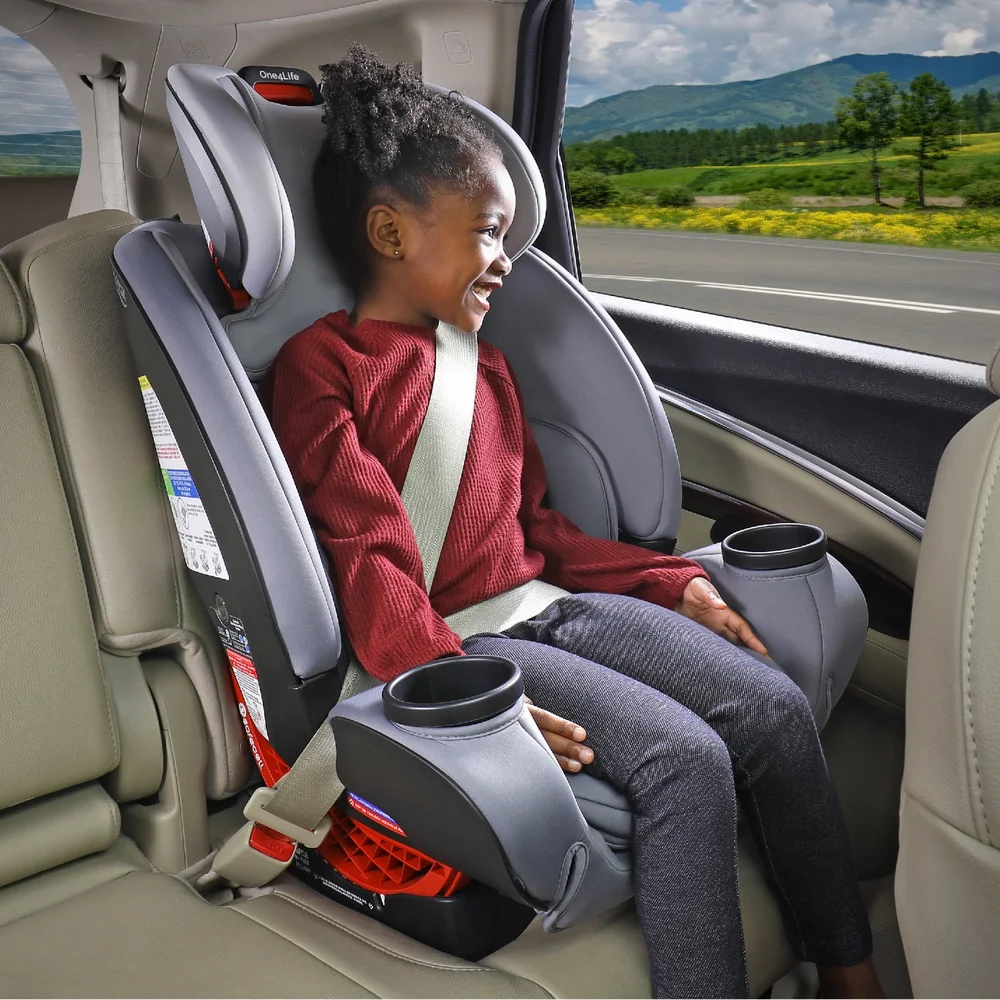
Credit: www.upgrademystatus.com
Frequently Asked Questions
How Do I Choose The Right Child Car Seat?
Choose based on your child’s age, weight, and height. Check safety ratings and ensure the seat fits your car model. Always follow manufacturer guidelines for the best protection.
What Is The Safest Way To Install A Child Car Seat?
Use the car’s seat belt or LATCH system to secure the seat tightly. Ensure there is no seat movement greater than one inch. Follow the car seat manual carefully.
When Should I Switch From Rear-facing To Forward-facing?
Keep your child rear-facing until they reach the maximum height or weight limit of the car seat. This usually means at least age 2 for better safety.
How Tight Should The Car Seat Straps Be?
Straps should be snug enough that you cannot pinch any slack at the shoulder. The harness must lie flat and not twisted for maximum safety.
Conclusion
Installing a child car seat correctly keeps your child safe on every trip. Always follow the car seat manual and vehicle instructions closely. Check that the seat fits tightly and the harness is snug. Regularly inspect the seat for wear or damage.
Remember, safety starts before you drive. Take a moment to double-check everything. Your careful attention makes a big difference. Safe travels and happy journeys with your little one!







