
Your car’s paint is more than just a color—it’s the first thing people notice and a key part of your vehicle’s value. But everyday challenges like sun, dirt, and scratches can quickly dull that shine.
If you want to keep your car looking fresh and protect your investment, you need simple, effective steps that anyone can follow. You’ll discover easy ways to shield your car’s paint and make it last longer. Ready to learn how to keep your car looking its best?
Let’s dive in.
Common Causes Of Paint Damage
Car paint protects your vehicle and keeps it looking good. Understanding what harms paint helps you protect it better.
Some common causes of paint damage come from nature, dirt, and physical impacts. Knowing these can help you avoid them.
Sunlight And Uv Exposure
Sunlight contains ultraviolet (UV) rays that can fade your car’s paint. Long exposure makes the paint look dull and old.
UV rays break down the paint’s surface, causing cracks and peeling over time. This damage weakens the paint layer.
- Park in shaded areas or use a car cover
- Apply wax or sealants to add protection
- Wash the car regularly to remove UV-damaged dirt
Environmental Contaminants
Pollution, bird droppings, tree sap, and acid rain can harm car paint. These contaminants stick to the surface and cause stains.
Some chemicals in these contaminants react with paint and cause discoloration or corrosion. Cleaning them quickly is very important.
- Remove bird droppings and sap as soon as possible
- Wash your car often to remove pollution dirt
- Use protective coatings to reduce chemical damage
Physical Scratches And Chips
Rocks, keys, and car doors can scratch or chip your paint. These small damages expose metal, leading to rust.
Scratches lower your car’s look and value. Avoid parking too close to other cars to reduce door dings and scratches.
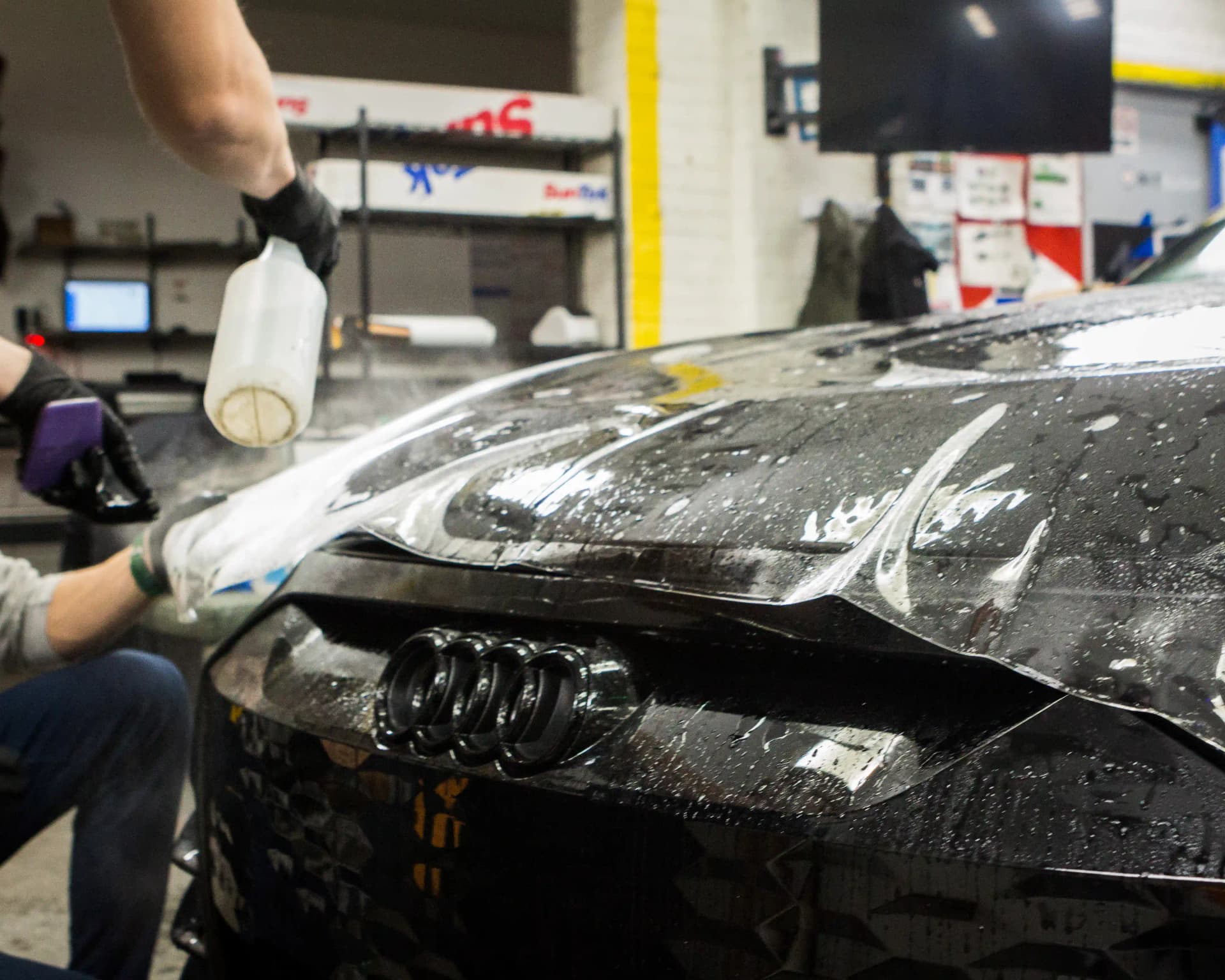
- Use a clear paint protection film on vulnerable areas
- Fix small chips quickly with touch-up paint
- Be careful when loading or unloading items from your car
Credit: carheroz.com
Regular Washing Techniques
Keeping your car clean helps protect its paint from damage. Dirt and grime can wear down the paint over time.
Regular washing removes harmful particles and keeps your car looking fresh. Learn the best ways to wash your car safely.
Choosing The Right Cleaning Products
Use car-specific soaps instead of household cleaners. They are gentle and protect the paint.
Pick soft sponges or microfiber cloths to avoid scratches. Avoid rough brushes or old rags.
- Car wash soap with pH balance
- Microfiber wash mitts or soft sponges
- Two buckets for washing and rinsing
- Clean microfiber towels for drying
Proper Washing Methods
Start by rinsing the car with water to remove loose dirt. This lowers the chance of scratches.
Use the two-bucket method. One bucket has soapy water. The other has clean water to rinse your sponge.
- Work from top to bottom
- Wash one section at a time
- Rinse sponge in clean water often
- Dry car with microfiber towels to avoid water spots
Avoiding Common Washing Mistakes
Do not wash your car in direct sunlight. This can cause soap to dry too fast and leave marks.
Avoid using dish soap or household cleaners. They strip away protective wax and damage paint.
- Don’t use dirty sponges or towels
- Don’t scrub too hard or use rough materials
- Don’t skip rinsing between washes
- Don’t forget to dry the car after washing
Waxing And Polishing Benefits
Protecting your car paint keeps it looking new and shiny. Waxing and polishing help maintain your car’s surface.
These two steps create a shield and smooth finish that lasts longer. They also prevent damage from dirt and sun.
How Wax Protects Your Paint
Wax forms a thin layer on the paint. This layer blocks dirt, water, and harmful UV rays.
It stops the paint from fading and reduces scratches. Wax also makes the car easier to clean.
- Blocks harmful UV rays
- Prevents dirt and water damage
- Reduces small scratches
- Makes cleaning easier
When To Wax Your Car
Wax your car every 2 to 3 months for good protection. The timing can depend on weather and how often you drive.
If you see water spots or the paint looks dull, it is time to wax again. Regular waxing keeps the paint fresh.
- Every 2 to 3 months is best
- Wax after washing and drying
- Wax more often in harsh weather
- Check paint for dullness or water spots
Polishing For Surface Smoothness
Polishing removes small scratches and rough spots on the paint. It makes the surface smooth and shiny.
Smooth paint reflects light better, improving the car’s look. Polishing also helps wax stick better to the paint.
- Removes light scratches
- Smooths rough paint spots
- Improves shine and reflection
- Prepares surface for waxing
Credit: carrectly.com
Using Paint Sealants And Coatings
Car paint can fade and chip over time. Using sealants and coatings helps protect it.
Sealants and coatings add a protective layer to your car. They keep it looking new longer.
Differences Between Sealants And Waxes
Sealants and waxes both protect car paint. They have different properties and uses.
- Sealants last longer than waxes.
- Waxes give a warm, glossy shine.
- Sealants provide a more durable finish.
Applying Ceramic Coatings
Ceramic coatings offer strong protection for car paint. They are made from liquid polymers.
Apply ceramic coatings carefully. They bond with the car’s paint, creating a hard layer.
- Clean the car thoroughly before application.
- Use a microfiber cloth for even coverage.
- Let the coating cure for optimal results.
Long-term Protection Strategies
Protecting car paint requires regular care. Long-term strategies keep your car looking great.
Combine different methods for the best results. Use sealants, coatings, and regular washes.
- Wash your car regularly to remove dirt.
- Reapply sealants every few months.
- Park in shaded areas to avoid sun damage.
Parking And Storage Tips
Protecting your car paint starts with smart parking and storage choices. Poor parking spots can damage the paint over time.
Following simple tips helps keep your car’s paint looking fresh and new for longer.
Avoiding Direct Sunlight
Sunlight can fade and damage your car’s paint. UV rays break down paint layers and clear coats.
Park your car in the shade whenever possible. This reduces heat and sun exposure that harm paint.
Choosing Covered Parking
Covered parking protects your car from weather elements like rain, hail, and sun. This keeps paint safe.
Garages or carports are better than open spaces. They lower the risk of paint chips and fading.
- Protects from UV rays
- Prevents damage from falling debris
- Reduces dirt and dust buildup
Protecting Against Tree Sap And Bird Droppings
Tree sap and bird droppings can harm your car’s paint quickly. They contain acids that eat into the surface.
Avoid parking under trees to reduce these risks. Clean any sap or droppings off as soon as you see them.
- Park away from trees and power lines
- Use a car cover if no covered parking is available
- Carry cleaning wipes for quick removal
Quick Fixes For Paint Imperfections
Car paint can get damaged by small scratches, chips, and other marks. Fixing these issues quickly helps keep your car looking good. It also stops rust and other damage from spreading.
This guide covers easy ways to fix paint problems. You will learn about touch-up paint, removing scratches, and dealing with paint chips.
Touch-up Paint Options
Touch-up paint helps cover small paint imperfections. You can buy it from a store or order it online. Make sure to get the exact color match for your car.
- Use a small brush or pen applicator for precise application.
- Clean the area before applying paint for better adhesion.
- Apply thin layers and let each dry before adding more.
- Finish with clear coat to protect the paint.
Removing Minor Scratches
Minor scratches often only affect the clear coat. You can fix them with simple tools at home. This saves money and keeps your car’s paint smooth.
| Tool | Use | Tip |
|---|---|---|
| Scratch Remover Compound | Buffs out light scratches | Use a soft cloth and gentle pressure |
| Polishing Pad | Helps smooth the surface | Apply evenly in circular motions |
| Microfiber Cloth | Removes residue | Use clean and dry cloth |
Dealing With Paint Chips
Paint chips expose metal and cause rust. Fixing them fast is important. Use the right tools and follow these steps.
- Clean the chipped area with soap and water.
- Sand lightly to smooth edges around the chip.
- Apply primer if metal is exposed.
- Use touch-up paint to fill the chip.
- Let the paint dry and apply clear coat.
- Buff gently to blend with surrounding paint.
Professional Detailing Services
Protecting your car paint is important to keep it looking new. Professional detailing services can help maintain your car’s shine and protect the paint.
Let’s explore when to seek help, the benefits of expert detailing, and what to expect from a detailing session.
When To Seek Professional Help
Consider professional help if your car paint looks dull or has scratches. Regular maintenance can prevent further damage.
- Scratches or swirl marks on the paint
- Fading color or loss of gloss
- Stains that are difficult to remove
Benefits Of Expert Detailing
Expert detailing provides thorough cleaning and protection for your car paint. Professionals use high-quality products to ensure the best results.
Benefits include:
- Enhanced appearance and shine
- Protection against environmental damage
- Increased resale value
What To Expect From A Detailing Session
During a detailing session, your car will receive a complete exterior and interior cleaning. The focus is on restoring the car’s original look.
| Service | Details |
| Exterior Wash | Thorough cleaning of the car’s body |
| Waxing | Application of protective wax |
| Interior Cleaning | Vacuuming and dusting inside the car |

Credit: www.youtube.com
Frequently Asked Questions
How Often Should I Wax My Car To Protect Paint?
Wax your car every 3 to 4 months to maintain paint protection. Wax forms a barrier against UV rays, dirt, and moisture. Regular waxing keeps the paint shiny and prevents fading or oxidation. It also makes washing easier and reduces minor scratches.
What Are The Best Products To Protect Car Paint?
Use high-quality wax, sealants, or ceramic coatings for paint protection. Wax offers short-term protection, while sealants last longer. Ceramic coatings provide durable, long-lasting defense against elements and scratches. Choose products designed specifically for automotive paint for the best results.
Can Washing My Car Too Often Damage The Paint?
Frequent washing with improper methods can harm your car’s paint. Use gentle, pH-balanced car shampoos and soft microfiber towels. Avoid automatic brushes that cause scratches. Washing regularly is good, but proper technique is key to protecting your paint.
Does Parking In Shade Protect Car Paint?
Parking in the shade reduces sun exposure, preventing paint fading and oxidation. UV rays break down paint and clear coat over time. Shade helps maintain your car’s finish and keeps it cooler, reducing heat-related damage. Whenever possible, choose shaded or covered parking.
Conclusion
Protecting your car paint keeps your vehicle looking fresh and new. Regular washing removes dirt that can cause scratches. Applying wax adds a strong layer against sun and rain. Parking in the shade helps avoid fading and damage. Small steps make a big difference over time.
Taking care of your paint saves money on repairs. Enjoy a shiny car that stands out on the road. Simple habits keep your car’s color bright and healthy. Start today to keep your paint safe and beautiful.







