
Have you ever been stuck with a dead car battery at the worst possible moment? It’s frustrating, inconvenient, and can throw off your entire day.
But what if you could avoid that hassle altogether? By understanding simple yet effective tips for preventing car battery drain, you can keep your vehicle running smoothly and save yourself time and money. You’ll discover easy steps you can take right now to protect your battery and avoid those unexpected stalls.
Keep reading, because your car—and your peace of mind—depend on it.

Credit: carfromjapan.com
Common Causes Of Battery Drain
Car batteries lose power for many reasons. Knowing these helps you avoid getting stranded.
Here are common causes of battery drain and how they affect your vehicle.
Parasitic Electrical Loads
Parasitic loads are devices that use power when the car is off. These drain your battery slowly.
- Car alarm systems
- Interior lights left on
- Aftermarket electronics
- Faulty wiring or switches
Faulty Charging System
A bad alternator or voltage regulator stops the battery from charging properly. This causes quick battery drain.
| Component | Problem | Effect on Battery |
| Alternator | Worn out or broken | Battery does not charge |
| Voltage Regulator | Malfunctioning | Overcharges or undercharges battery |
| Drive Belt | Loose or broken | Alternator stops working |
Extreme Weather Effects
Hot or cold weather makes batteries work harder. Extreme heat dries battery fluid. Cold slows chemical reactions.
Tips to protect your battery in extreme weather:
- Park in shade or garage
- Use battery insulation kits
- Keep battery clean and tight
- Check fluid levels regularly
Old Or Damaged Battery
Old batteries lose their ability to hold charge. Damage like cracks or leaks can cause sudden failure.
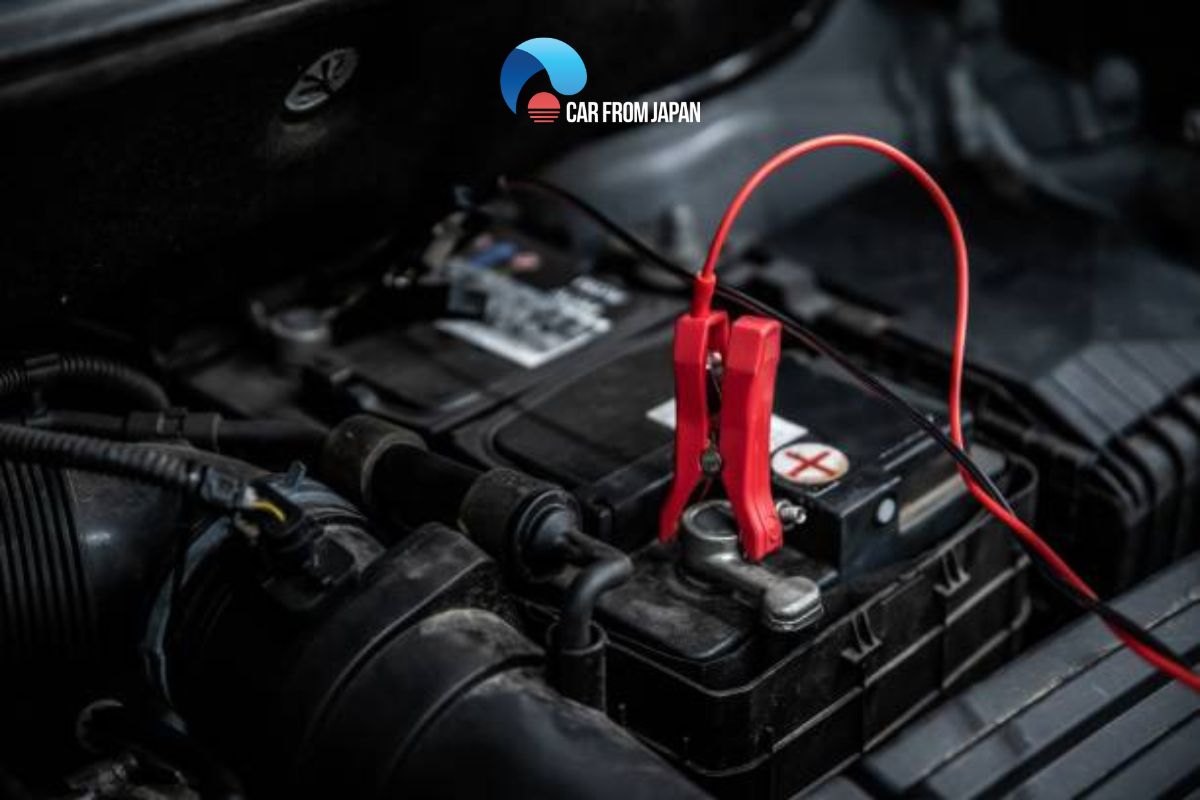
Credit: carfromjapan.com
Routine Maintenance Tips
Car batteries need regular care to stay healthy and last longer. Routine maintenance helps avoid battery drain. Simple checks can save you from unexpected troubles.
Follow these tips to keep your car battery in good condition. Regular attention prevents failures and keeps your vehicle ready to go.
Regular Battery Inspections
Check your battery at least once a month. Look for cracks, leaks, or swelling on the battery case. These signs show damage and need immediate attention.
- Inspect battery surface for dirt and corrosion
- Check battery age and replace if older than 3-5 years
- Test battery voltage with a multimeter
- Listen for slow engine starts as a warning sign
Cleaning Battery Terminals
Dirty or corroded terminals can stop your battery from working well. Clean terminals keep the electric current flowing smoothly.
| Cleaning Supplies | Purpose |
| Baking soda and water mix | Remove corrosion safely |
| Wire brush | Scrub terminals clean |
| Petroleum jelly | Protect terminals after cleaning |
| Gloves and safety glasses | Protect yourself from acid |
Checking For Loose Connections
Loose battery cables cause poor connections and drain power. Tight cables keep your battery working at full strength.
- Turn off the car before checking cables
- Grab each cable and try to move it gently
- Tighten loose clamps with a wrench
- Replace damaged cables or clamps immediately
Smart Usage Habits
Car batteries can drain quickly if you do not use your vehicle wisely. Smart habits help keep your battery healthy. You can avoid many common battery problems by changing how you use your car.
Focus on simple actions to save battery power. These habits protect your battery and help you avoid unexpected car troubles.
Turning Off Electronics When Idle
Electronics in your car use battery power even when the engine is off. Leaving lights, radio, or chargers on drains the battery fast. Always turn off these devices when you stop the car.
Check your dashboard and interior lights before leaving the car. Make sure all power-consuming electronics are off to save battery energy.
Avoiding Short Trips
Short trips do not give your battery enough time to recharge. Starting your car uses a lot of power, and a quick drive may not restore it fully. Try to combine errands or take longer trips to keep your battery charged.
Longer drives let the alternator recharge the battery well. This reduces the chance of battery drain and helps your car start easily next time.
Limiting Use Of Power-intensive Accessories
Some car accessories use more battery power than others. Using heaters, air conditioners, or high-volume sound systems can drain your battery quickly. Use these accessories only when necessary.
- Keep heater or air conditioner at moderate levels
- Turn off extra lights inside the car
- Use car audio at lower volumes
Limiting these items saves battery power and helps your car run smoothly for longer.
Battery Care Products
Car batteries need good care to last longer. Using the right products helps stop battery drain. This guide covers key battery care items.
These products keep your battery charged and ready. They also help you pick the best replacement battery if needed.
Using Battery Maintainers
Battery maintainers keep your car battery charged when not in use. They prevent the battery from losing power over time.
- Plug the maintainer into a power source and connect it to the battery.
- Choose a maintainer with automatic shut-off to avoid overcharging.
- Use maintainers for cars that sit idle for weeks or months.
- Check the maintainer’s compatibility with your battery type.
Choosing Quality Replacement Batteries
Selecting the right replacement battery is key to preventing future drain. Quality batteries perform better and last longer.
| Feature | What to Look For |
| Battery Type | Match your car’s requirements (e.g., AGM, Lead-acid) |
| Cold Cranking Amps (CCA) | Choose a battery with suitable CCA for your climate |
| Reserve Capacity | Look for higher reserve capacity for longer power supply |
| Warranty | Pick batteries with longer warranty periods |
When To Seek Professional Help
Car battery drain can cause many issues. Sometimes, you need a mechanic to check your car. Knowing when to call a professional saves time and money.
If you notice your battery dies often or your car won’t start, a professional can find the cause. Do not ignore signs of electrical problems.
Diagnosing Electrical Issues
Electrical problems can be hard to find. A mechanic uses special tools to test your battery and wiring. They check for shorts or drains that you cannot see.
- Battery voltage test to check charge levels
- Load test to see battery strength
- Inspection of wiring and connections
- Checking for parasitic drains when the car is off
- Testing alternator output
Battery Replacement Guidelines
| Condition | When to Replace |
| Battery age | Older than 3-5 years |
| Slow engine crank | Engine turns slowly or not at all |
| Corrosion on terminals | Visible buildup that cleaning does not fix |
| Frequent jump-starts | Battery drains quickly after charging |
| Swollen battery case | Physical damage or leaks |
Replace your battery if it meets any of these signs. A mechanic can help pick the right battery and install it safely.

Credit: carfromjapan.com
Frequently Asked Questions
How Can I Prevent My Car Battery From Draining Quickly?
To prevent quick battery drain, turn off all electronics when the engine is off. Regularly check battery health and clean terminals. Avoid short trips that don’t fully recharge the battery. Use a battery maintainer if the car is unused for long periods.
What Causes Car Batteries To Drain Unexpectedly?
Car batteries drain due to leaving lights or electronics on, faulty alternators, or parasitic electrical drains. Extreme temperatures and old batteries also contribute. Regular inspections help identify issues before they cause unexpected battery drain.
How Often Should I Check My Car Battery Health?
Check your car battery health every 3 to 6 months. Frequent checks help detect early signs of wear or corrosion. This simple step prevents unexpected battery failures and prolongs battery life.
Are Aftermarket Devices Responsible For Car Battery Drain?
Yes, aftermarket devices like alarms or audio systems can cause battery drain. Improper installation or defects increase power consumption when the car is off. Ensure devices are professionally installed and turned off when not in use.
Conclusion
Preventing car battery drain helps avoid unexpected troubles. Regular checks keep your battery healthy and strong. Turn off lights and devices when the car is off. Drive your car often to keep the battery charged. Simple habits can save time and money later.
Stay aware, stay prepared. Your car will thank you.







