
Your car overheating can turn a smooth drive into a stressful, costly problem in minutes. But what if you could avoid that hassle altogether?
Knowing simple, effective tips to prevent car overheating puts you in control of your vehicle’s health and your peace of mind. You’ll discover easy steps you can take right now to keep your engine cool and running smoothly. Keep reading to protect your car—and yourself—from unexpected breakdowns on the road.

Credit: www.acg.aaa.com
Signs Of Overheating
Car overheating can cause serious damage. It is important to recognize the early signs.
Knowing what to watch for helps you stop problems before they get worse.
Warning Lights To Watch
Your dashboard has warning lights that signal overheating. These lights alert you to stop and check your car.
- Temperature gauge rising above normal
- Red thermometer or engine temperature light
- Check engine light activating
- Steam symbol or warning alerts
Unusual Smells And Noises
Overheating often causes strange smells and sounds. These signs can warn you before serious damage.
| Sign | Cause |
| Sweet, syrupy smell | Coolant leak or boiling coolant |
| Burning rubber smell | Overheated belts or hoses |
| Hissing or bubbling noise | Steam escaping from the radiator |
| Engine knocking or pinging | High engine temperature |

Credit: x.com
Regular Maintenance Habits
Keeping your car from overheating needs regular care. Simple checks can stop big problems.
Follow these habits to keep your engine cool and running well.
Checking Coolant Levels
Coolant helps your engine stay at a safe temperature. Check the level often to avoid overheating.
Look at the coolant reservoir when the engine is cold. Fill it to the marked line if low.
- Use the right type of coolant for your car
- Check for leaks under the car or around the engine
- Replace coolant as recommended in your car manual
Inspecting Hoses And Belts
Hoses and belts carry coolant and power parts of your engine. They must be strong and tight.
Look for cracks, leaks, or loose parts. Replace damaged hoses or belts quickly.
- Check hoses for soft spots or swelling
- Make sure belts have no cracks or frays
- Tighten any loose belts to avoid slipping
Radiator Cleaning Tips
Your radiator cools the coolant before it goes back to the engine. Keep it clean and clear.
Remove dirt, leaves, and bugs from the radiator fins. Clean gently to avoid damage.
- Use a soft brush or compressed air to clear debris
- Flush the radiator with water yearly to remove build-up
- Check radiator cap for a tight seal and replace if worn
Driving Practices To Avoid Overheating
Car overheating can cause serious damage and costly repairs. You can prevent this by driving carefully and managing your car’s engine stress.
Simple changes in how you drive help your car stay cool. Let’s explore some key tips to avoid overheating while driving.
Managing Heavy Traffic
Heavy traffic makes your engine work harder at low speeds. This can raise the temperature quickly. Avoid sudden stops and keep a steady pace if you can.
- Turn off the air conditioner when traffic is stop-and-go.
- Use the parking brake on hills instead of holding your foot on the brake.
- Open windows for extra airflow if it is safe and not too hot outside.
Handling Steep Inclines
Climbing hills puts extra strain on your engine. Use a lower gear to keep engine speed steady. This helps your car run cooler.
| Tip | Reason |
| Shift to a lower gear | Reduces engine load and heat |
| Keep a steady speed | Prevents sudden engine stress |
| Check coolant levels before hills | Ensures proper engine cooling |
Avoiding Excessive Idling
Idling wastes fuel and heats the engine without airflow. Limit idling time to keep your car cooler.
Here are ways to reduce idling:
- Turn off the engine if stopped for more than a minute.
- Use a remote starter to warm the car before driving in cold weather.
- Park in shaded areas to keep the engine cooler before starting.
Cooling System Upgrades
Upgrading your car’s cooling system helps prevent overheating. A well-maintained cooling system keeps the engine temperature safe.
Focus on key parts like coolant, radiators, and fans. These upgrades improve cooling efficiency and extend engine life.
Choosing The Right Coolant
Picking the correct coolant protects your engine from heat and corrosion. Different coolants suit different cars and climates.
- Use coolant recommended by the car maker.
- Consider coolant with anti-corrosion additives.
- Choose long-life coolant for less frequent changes.
- Mix coolant with distilled water for best results.
- Check coolant levels regularly and top up as needed.
Upgrading Radiators And Fans
Better radiators and fans improve air flow and heat removal. This helps the engine stay cooler under heavy use.
| Upgrade Type | Benefits | Notes |
| High-Performance Radiator | Increases cooling capacity | May require custom fit |
| Electric Cooling Fans | Better control and efficiency | Works well in traffic |
| Dual Fan Setup | Improves airflow | Good for hot climates |
Emergency Steps During Overheating
Car overheating can cause serious damage if not handled quickly. Knowing emergency steps helps keep you safe and your engine intact.
Stay calm and follow clear actions to reduce risks during overheating situations.
Safe Pull-over Techniques
Find a safe place to stop your car immediately. Use your turn signals to alert other drivers.
- Look for the shoulder or a parking area
- Slow down gradually to avoid sudden stops
- Turn on your hazard lights after stopping
- Do not open the hood right away; wait for the engine to cool
Cooling Down The Engine
Let the engine cool before checking under the hood. Hot coolant or steam can cause burns.
| Action | Reason |
|---|---|
| Turn off the engine | Stops overheating and reduces pressure |
| Open the hood slowly | Prevents steam burns from trapped heat |
| Check coolant levels once cool | Low coolant can cause overheating |
| Do not remove radiator cap when hot | Can cause dangerous hot liquid spray |
When To Call For Help
If the engine stays hot or you see smoke, call for roadside assistance or a mechanic immediately.
- Engine temperature does not drop after cooling
- Steam or smoke comes from the engine
- Warning lights stay on dashboard
- You hear strange noises from the engine
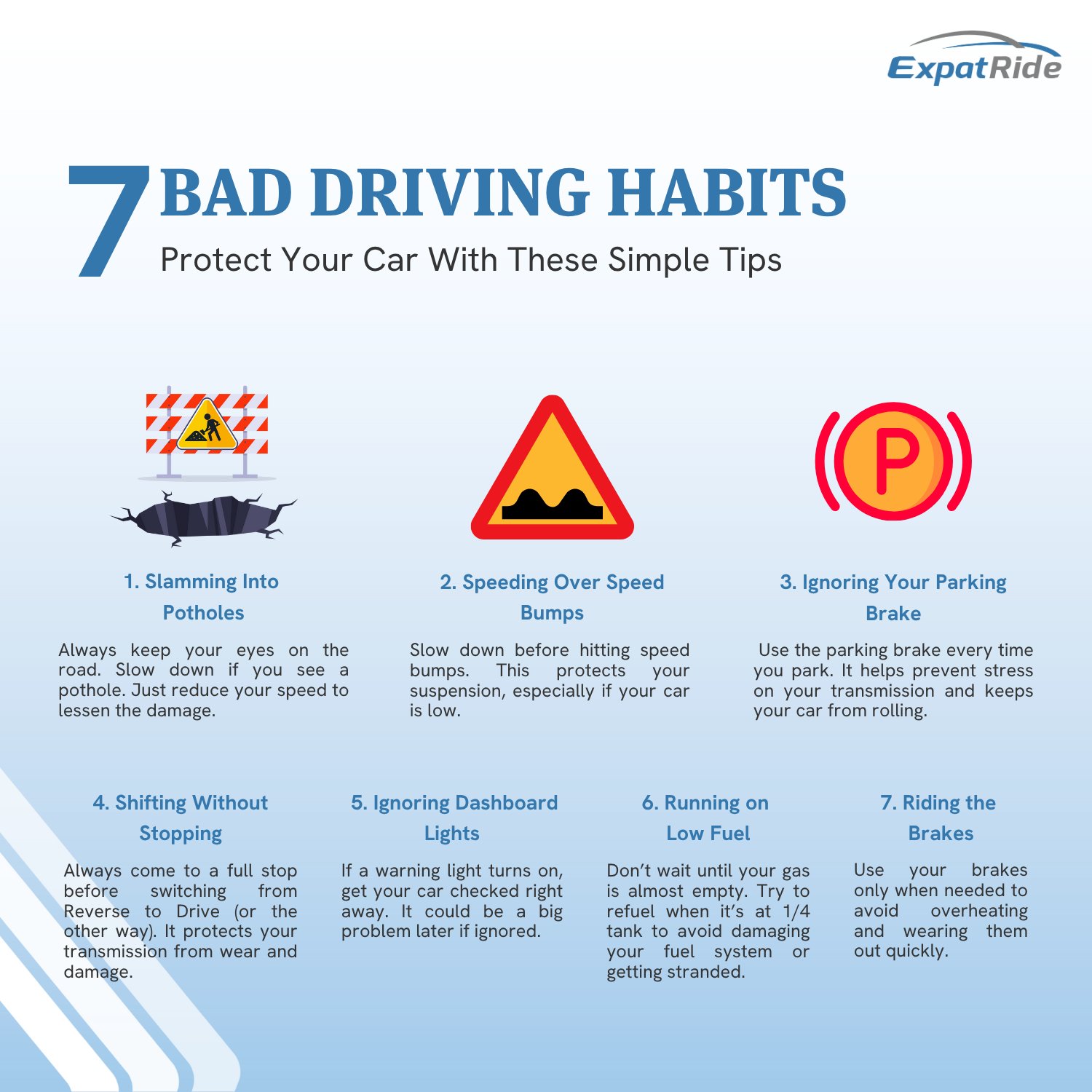
Credit: x.com
Frequently Asked Questions
What Are Common Signs Of Car Overheating?
Common signs include steam from the engine, a high temperature gauge, and unusual smells. Your car may also lose power or stall. Recognizing these early helps prevent serious damage and costly repairs.
How Often Should I Check My Car’s Coolant Level?
Check your coolant level at least once a month. Always inspect when the engine is cold to avoid burns. Keeping coolant topped up helps regulate engine temperature and prevents overheating.
Can Regular Maintenance Prevent Car Overheating?
Yes, regular maintenance like coolant flushes, radiator checks, and hose inspections helps avoid overheating. Timely oil changes and fixing leaks are also crucial. Routine care keeps your engine running cool and efficiently.
What Should I Do If My Car Starts Overheating?
If your car overheats, safely pull over and turn off the engine. Allow it to cool before opening the hood. Check coolant levels and call for roadside assistance if necessary to avoid engine damage.
Conclusion
Taking care of your car’s cooling system helps avoid overheating. Check coolant levels often and watch your temperature gauge. Clean the radiator and replace old hoses regularly. Drive carefully to reduce engine strain, especially in hot weather. Small steps prevent big problems on the road.
Stay alert to signs of overheating before damage occurs. Keep your car running smoothly and enjoy safer trips every time. Simple actions make a big difference in car health.







