
If your pet gets restless or sick every time you take a car ride, you’re not alone. Car sickness in pets can turn a simple trip into a stressful experience for both of you.
But what if you could make those rides smoother and more comfortable? You’ll discover easy and effective tips to help prevent car sickness in your furry friend. Keep reading to learn how you can make every journey a happy one for your pet.
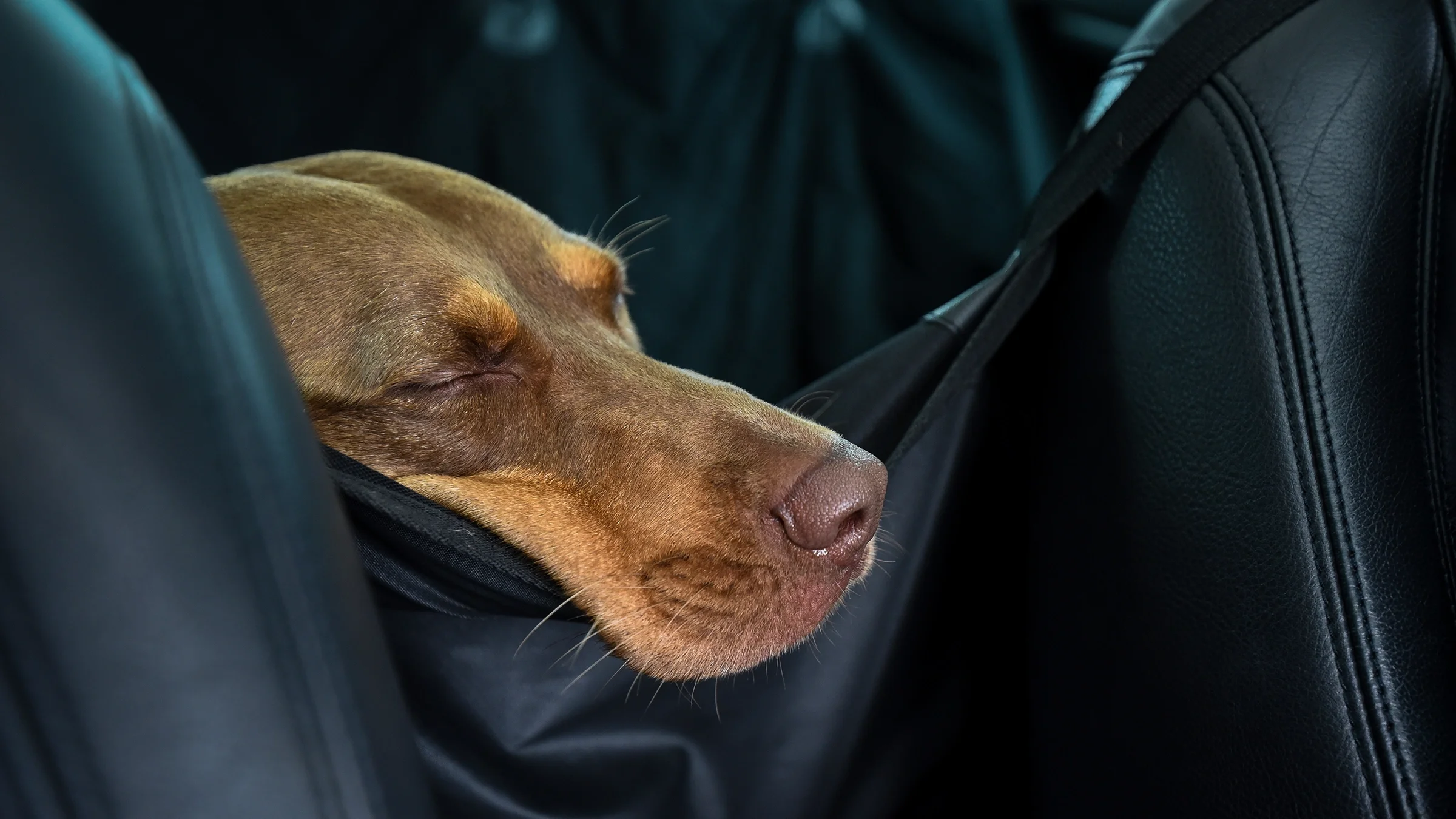
Credit: www.goodrx.com
Causes Of Car Sickness In Pets
Many pets feel uneasy during car rides. Car sickness can make travel hard for them and their owners.
Understanding why pets get car sick helps you keep them calm and safe on trips.
Motion Sensitivity In Animals
Pets sense movement differently than humans. Their inner ears and eyes send mixed signals to the brain during travel.
This confusion can cause dizziness, nausea, and vomiting in pets while in a moving vehicle.
Stress And Anxiety Factors
Travel can cause stress and anxiety in pets. New places, noises, and smells may frighten them.
- Loud sounds from the road or car
- Unfamiliar surroundings
- Separation from owners or home
- Previous bad travel experiences
These factors increase the chance of car sickness by raising stress levels.
Health Conditions Impacting Travel
| Condition | Effect on Travel |
| Inner ear infections | Increase dizziness and nausea |
| Respiratory issues | Make breathing hard in cars |
| Digestive problems | Cause vomiting and discomfort |
| Age-related weakness | Lower tolerance for motion |
Pets with these conditions need special care during travel to avoid sickness.
Preparing Your Pet For Travel
Travel can be stressful for pets. Preparing them well helps reduce car sickness.
Start early to make trips easier and more comfortable for your pet.
Familiarizing With The Vehicle
Let your pet explore the car before traveling. This helps reduce fear and anxiety.
- Allow your pet to sit inside the parked car
- Open doors and windows for fresh air
- Bring your pet’s favorite blanket or toy into the car
- Use calm, gentle voices to reassure your pet
Feeding And Hydration Tips
Proper feeding and water intake help prevent nausea during travel.
| Action | Suggestion |
| Feeding Time | Feed your pet 3-4 hours before the trip |
| Meal Size | Give a small, light meal instead of a heavy one |
| Water | Offer small amounts of water but avoid excess |
| Hydration | Keep water available during breaks |
Short Practice Trips
Short trips help your pet get used to car movement and sounds.
- Start with a 5-minute drive around the block
- Gradually increase trip length over several days
- Reward your pet with praise or treats after each trip
- Watch your pet’s behavior and adjust as needed
In-car Comfort Strategies
Car sickness in pets can make trips stressful for both pets and owners. Creating a comfortable car space helps reduce nausea and anxiety.
Simple changes inside the car improve your pet’s comfort and make rides smoother.
Proper Restraints And Seating
Secure your pet safely to prevent sudden movements that cause sickness. Use harnesses or pet seat belts made for cars.
Place your pet on a stable seat or in a crate to keep them steady during the ride.
- Use a pet harness attached to the seatbelt
- Place pets on the back seat for safety
- Use a well-ventilated crate for nervous pets
- Provide a soft blanket or bed for comfort
Maintaining Fresh Air And Ventilation
Good airflow helps reduce nausea in pets. Keep windows slightly open or use the air conditioning to circulate fresh air.
Avoid strong drafts that might chill your pet. Adjust airflow so it feels gentle and comfortable.
- Open windows a small amount for fresh air
- Use air conditioning to keep the car cool
- Keep air vents directed away from your pet
- Stop often for breaks in fresh air if possible
Using Calming Scents And Sounds
Calming smells can help pets relax during travel. Use pet-safe essential oils or sprays designed to reduce stress.
Soft music or white noise can also soothe pets and block out road noise.
- Use lavender or chamomile scents safely
- Play gentle classical or nature sounds
- Avoid loud or sudden noises in the car
- Test scents and sounds before long trips
Natural Remedies And Supplements
Car sickness in pets can make travel hard for them and you. Using natural remedies and supplements helps ease their discomfort.
These options often work well alongside good travel habits. They support your pet’s health without harsh chemicals.
Herbal Options For Nausea
Some herbs can calm your pet’s upset stomach naturally. They reduce nausea and help pets feel more relaxed.
Ginger and chamomile are two common herbs used for this purpose. They are gentle and safe for many pets.
- Ginger: Helps reduce nausea and improves digestion.
- Chamomile: Soothes the stomach and lowers anxiety.
- Peppermint: Eases upset stomach and freshens breath.
Over-the-counter Supplements
There are many supplements made to ease motion sickness in pets. These are often easy to give before trips.
Supplements may include vitamins, minerals, or natural ingredients that calm the nervous system. They reduce nausea and dizziness.
- Vitamin B6: Supports nerve function and reduces nausea.
- Omega-3 fatty acids: Help reduce inflammation and stress.
- L-theanine: Promotes calmness and reduces anxiety.
- Probiotics: Improve digestion and gut health.
Consulting Your Veterinarian
Always check with your vet before using any remedy or supplement. Some natural options may not suit your pet’s health.
Your vet can recommend safe doses and the best choices. They may also suggest prescription medicines if needed.
- Discuss your pet’s medical history.
- Ask about possible side effects.
- Follow vet instructions for dosage and timing.
- Report any unusual reactions during travel.
When To Seek Professional Help
Car sickness in pets can be tough to manage at home. Sometimes, signs show the problem is serious. Knowing when to get help keeps your pet safe.
If your pet’s sickness does not improve or worsens, a vet visit is needed. Professionals can find the right treatment and advice for your pet.
Recognizing Severe Symptoms
Severe symptoms need quick attention. Watch for constant vomiting, weakness, or refusal to eat. These signs may show a bigger health issue.
Other signs include trouble breathing, unusual drooling, or shaking. If your pet shows any of these, contact a vet right away.
Medication Options
Vets can prescribe medicines to help pets feel better during car rides. These may stop nausea or calm anxiety. Always follow the vet’s instructions carefully.
- Anti-nausea drugs to reduce vomiting
- Calming medications for anxious pets
- Natural supplements recommended by vets
Behavioral Therapy And Training
Some pets need behavior training to handle car trips. Vets or trainers can teach gradual exposure and positive rewards. This helps pets feel safe and calm.
Training may include short rides at first. Use treats and praise to build comfort. Patience and consistency make this approach work well.
Credit: www.zoetispetcare.com
Credit: www.zoetispetcare.com
Frequently Asked Questions
What Causes Car Sickness In Pets?
Car sickness in pets is caused by inner ear imbalance and anxiety during travel. Motion disrupts their equilibrium, leading to nausea and vomiting. Stress and unfamiliar surroundings can worsen symptoms. Understanding these causes helps in preventing and managing car sickness effectively for a comfortable journey.
How Can I Prepare My Pet For Car Rides?
Prepare pets by taking short practice trips to build comfort. Avoid feeding them right before travel to reduce nausea. Bring familiar toys or blankets for reassurance. Ensure good ventilation and keep the car cool. These steps help minimize stress and prevent car sickness in pets.
Are There Natural Remedies To Prevent Pet Car Sickness?
Yes, natural remedies like ginger supplements and calming pheromones can help. Ginger soothes the stomach and reduces nausea. Pheromone sprays or collars calm anxious pets. Always consult a vet before using supplements to ensure safety and proper dosage for your pet’s needs.
When Should I Consult A Vet About Car Sickness?
Consult a vet if car sickness persists despite preventive measures. Frequent vomiting, lethargy, or dehydration require professional advice. A vet can recommend medications or identify underlying health issues. Early consultation ensures your pet’s well-being during travel and finds effective treatment options.
Conclusion
Preventing car sickness in pets takes patience and care. Keep trips short and calm to help your pet relax. Offer fresh air and gentle motion to reduce nausea. Use familiar blankets or toys for comfort. Always check with your vet for safe remedies.
Small steps make travel easier and happier. Enjoy your journeys together without stress or discomfort. Pets feel better with your attention and love. Safe travels start with simple, kind actions.







