
Imagine being in an emergency and your phone suddenly dies. How would you call for help or get important information?
That’s where power banks come in. They are small, portable chargers that keep your devices alive when you need them most. If you want to stay connected and safe during unexpected situations, understanding the importance of power banks is a must.
Keep reading to discover why having one could make all the difference when it really counts.
Role Of Power Banks In Emergencies
Power banks are small devices that store electricity. They help keep your gadgets working during emergencies.
In times of power outages or disasters, power banks are very useful. They provide power when you need it most.
Keeping Devices Charged During Outages
Power banks keep phones and other devices charged when the electricity goes out. This helps you stay connected.
They work without needing a wall socket. You can charge devices anytime and anywhere.
- Charge phones to make calls
- Power flashlights for light
- Keep tablets running for information
Essential For Communication
During emergencies, communication is critical. Power banks ensure your phone has power to call for help.
They allow you to stay in touch with family, friends, and emergency services without interruption.
- Keep phones charged for calls
- Use messaging apps to send alerts
- Stay connected to news updates
Supporting Emergency Devices
Some emergency tools need power to work. Power banks can charge or run these devices in critical times.
Devices like portable radios, GPS units, and medical equipment can rely on power banks for energy.
- Power portable radios for news
- Charge GPS for location tracking
- Support medical devices needing power
Features To Look For In Power Banks
Power banks are useful tools during emergencies. They keep your devices charged when power is out.
Choosing the right power bank helps you stay connected and safe. Look for key features before buying.
Battery Capacity And Size
Battery capacity shows how much charge a power bank can hold. Higher capacity means more charges.
Size matters because big power banks carry more power but are harder to carry. Find a balance.
- Choose 10,000mAh or more for longer use
- Compact size fits in pockets or bags
- Heavy power banks are tough to carry all day
Fast Charging Capabilities
Fast charging saves time in emergencies. It quickly powers up your devices when needed.
Look for power banks that support fast charge standards like Quick Charge or Power Delivery.
- Faster charging means less waiting
- Supports quick phone or tablet recharge
- Check device compatibility with fast charge
Portability And Durability
Portability means easy to carry your power bank anywhere. It should fit your lifestyle and needs.
Durability is important in emergencies. The power bank should resist drops, dust, and water.
- Choose lightweight and slim models for easy carrying
- Look for rugged or water-resistant cases
- Strong build helps in tough situations
Multiple Device Support
Some power banks can charge many devices at once. This is useful during group emergencies.
Check how many USB ports the power bank has and their types for different devices.
- More ports charge phones, tablets, and other devices simultaneously
- Different port types like USB-A and USB-C add flexibility
- Power sharing helps save time in group settings
Choosing The Right Power Bank For Emergencies
Power banks are essential in emergencies to keep your devices charged. Picking the right one can make a big difference.
Not all power banks work the same way. You must choose one that fits your needs and conditions.
Assessing Your Device Needs
Think about the devices you need to charge in an emergency. Different devices use different amounts of power.
Check the battery size of your phone, tablet, or other devices to estimate the power bank capacity you need.
- Smartphones usually need 3000 to 5000 mAh
- Tablets often require 6000 to 10000 mAh
- Other gadgets like cameras or GPS may need specific capacities
Evaluating Battery Lifespan
Look at how many times the power bank can fully charge your device. This shows its battery lifespan.
A higher battery lifespan means longer use during emergencies without recharging the power bank.
- Power bank capacity is measured in milliamp hours (mAh)
- Choose a power bank with 2-3 times your device’s battery size
- Check for fast charging features to save time
Considering Weather Resistance
Emergencies can happen in bad weather. A power bank that resists water and dust is safer to use.
Look for power banks with weather-resistant ratings to protect your device’s power source.
- IP67 or IP68 ratings mean water and dust resistance
- Rugged designs help prevent damage from drops
- Weather-resistant power banks last longer outdoors
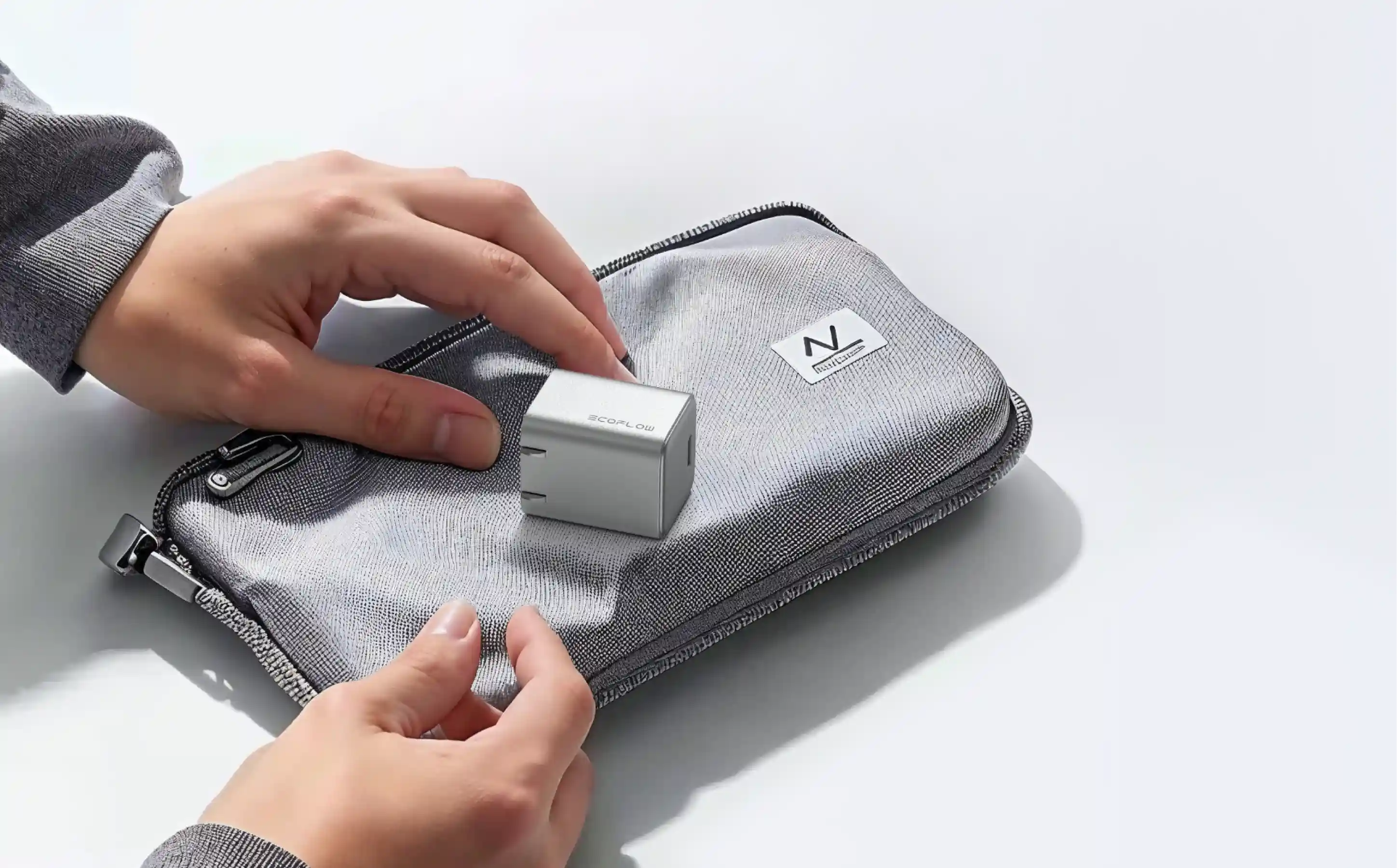
Credit: www.ecoflow.com
Tips For Using Power Banks Effectively
Power banks help keep your devices charged during emergencies. Using them well can save your phone’s battery when you need it most.
Follow simple tips to make sure your power bank works when you really need it. Proper care extends its life and reliability.
Regular Charging And Maintenance
Charge your power bank regularly, even if you do not use it often. Avoid letting it drain completely to protect the battery.
- Charge it fully before first use.
- Top up the charge every few weeks.
- Use the charger that came with the power bank.
- Keep the charging ports clean and dry.
- Do not overcharge; unplug after full charge.
Safe Storage Practices
Store your power bank in a cool, dry place. Avoid extreme temperatures that can damage the battery.
| Storage Condition | Recommended Range |
| Temperature | 15°C to 25°C (59°F to 77°F) |
| Humidity | Below 60% |
| Location | Avoid direct sunlight and moisture |
Using Power Banks In Different Scenarios
Power banks are useful in many situations, like outdoor trips or power outages. Knowing how to use them in each case helps you stay connected.
- Outdoor trips:Fully charge before leaving and carry a cable for your device.
- Power outages:Use power bank to charge phones or small devices only.
- Travel:Keep it in carry-on luggage to avoid damage.
- Emergency kits:Store with other essentials for quick access.
Power Banks Vs Other Backup Power Options
Power banks are popular tools to keep devices charged during emergencies. They offer a simple way to store and use power on the go. Many people wonder how power banks compare to other backup options.
This article looks at power banks against portable generators, solar chargers, and other factors like cost and convenience. The goal is to help understand their strengths and weaknesses.
Comparing With Portable Generators
Portable generators produce large amounts of power and can run many devices at once. They are useful for long outages or when heavy equipment is needed.
- Generators are noisy and require fuel like gasoline or propane.
- They are bigger and heavier than power banks.
- Generators need regular maintenance and safe storage.
- Power banks are silent, lightweight, and easy to carry.
- Power banks do not need fuel or complex setup.
Advantages Over Solar Chargers
Solar chargers use sunlight to create power. They are eco-friendly but depend on weather and daylight hours.
| Feature | Power Banks | Solar Chargers |
| Power Source | Stored Electricity | Sunlight |
| Portability | Small and Lightweight | Varies, often Bulkier |
| Charging Speed | Fast, anytime | Slower, only in sunlight |
| Dependence on Weather | No | Yes |
| Cost | Moderate | Higher |
Cost And Convenience Factors
Cost and ease of use matter when choosing backup power. Power banks often cost less than generators and some solar chargers.
- Power banks are easy to carry and use immediately.
- Generators require fuel and space to store.
- Solar chargers need sunlight and take longer to charge devices.
- Power banks charge devices multiple times depending on capacity.
- They fit in bags and pockets for quick access.

Credit: trueprepper.com
Real-life Emergency Scenarios
Power banks are essential in emergencies. They provide backup power when you need it most. Let’s explore their importance through different scenarios.
From natural disasters to unexpected power failures, having a power bank can make a difference.
Natural Disasters
During natural disasters, power outages are common. Communication becomes crucial. Power banks help keep devices charged. This ensures you can contact loved ones and emergency services.
- Earthquakes can disrupt power lines.
- Storms often cause long blackouts.
- Floods may damage local power stations.
Travel And Outdoor Adventures
When traveling, especially in remote areas, power sources may be scarce. Power banks provide a reliable solution. They ensure your gadgets are ready to capture memories or navigate unknown paths.
| Activity | Power Bank Benefit |
| Camping | Charges flashlights and phones |
| Hiking | Keeps GPS devices active |
| International Travel | Bypasses voltage differences |
Unexpected Power Failures
Power failures can happen anytime. They disrupt daily routines. Power banks provide a temporary power source. This helps keep essential devices operational during these times.

Credit: trueprepper.com
Frequently Asked Questions
What Makes Power Banks Essential During Emergencies?
Power banks provide reliable, portable power when outlets are unavailable. They keep phones and devices charged, ensuring communication and access to emergency apps. This is vital during power outages, natural disasters, or travel emergencies where staying connected is crucial.
How Long Can A Power Bank Last In An Emergency?
The duration depends on its capacity, measured in mAh. A 10,000mAh power bank can charge a smartphone 2-3 times. High-capacity models last longer, providing power for multiple devices or extended periods during emergencies.
Can Power Banks Charge Multiple Devices Simultaneously?
Yes, many power banks have multiple USB ports. This allows charging smartphones, tablets, or other gadgets at once. It’s useful in emergencies when multiple devices need power quickly and efficiently.
Are Power Banks Safe To Use In Emergency Situations?
Power banks are safe if used correctly. Choose certified models with built-in protection against overcharging and overheating. Always follow manufacturer guidelines to ensure safe and reliable charging during emergencies.
Conclusion
Power banks keep your devices charged during power cuts. They offer peace of mind in sudden emergencies. Carrying one ensures you stay connected with help nearby. Small and easy to carry, they fit in any bag. Never run out of phone battery when it matters most.
A power bank is a simple tool with big benefits. Stay prepared, stay safe, and keep your devices ready. Emergencies can happen anytime; power banks are your backup.







