
Imagine your car breaks down on a busy road. You step out to fix it, but the rush of passing vehicles makes you nervous.
How can you stay safe while handling roadside repairs? You might think it’s just a quick fix, but one wrong move can put you in real danger. You’ll discover simple, effective tips that protect you and your loved ones when your car needs attention on the side of the road.
Keep reading to learn how to turn a risky situation into a safe one—because your safety matters most.
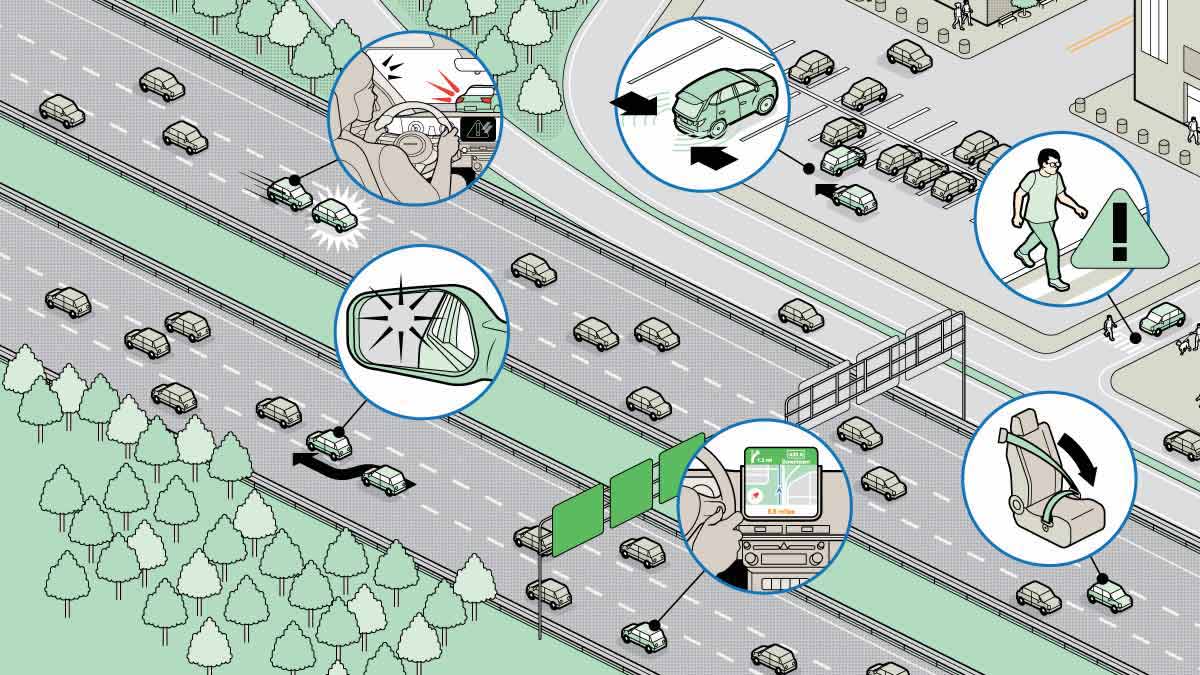
Credit: www.consumerreports.org
Prepare Your Vehicle
Getting your vehicle ready for roadside repairs can keep you safe. Small steps help avoid big problems.
Knowing what to have and how your vehicle works is key. This guide covers two main tips.
Keep Safety Gear Handy
Always carry safety tools in your car. They protect you and others during repairs.
- Reflective safety vest to be seen by drivers
- Warning triangles or road flares to alert others
- Flashlight with extra batteries for night repairs
- Basic first aid kit for minor injuries
- Gloves to protect your hands
Know Your Vehicle Basics
Understanding your car helps you fix simple issues safely. Learn key parts and tools.
| Vehicle Part | Purpose | Tip for Safety |
| Spare Tire | Replace flat tires | Check pressure monthly |
| Jack | Lift vehicle off ground | Use on flat, stable ground |
| Lug Wrench | Remove wheel nuts | Keep it clean and rust-free |
| Owner’s Manual | Vehicle instructions | Keep in glove box |

Credit: x.com
Choose A Safe Spot
Stopping safely during roadside repairs can prevent accidents. Find a spot away from moving cars. This keeps you and others safe.
Always think about your safety first. A safe spot gives you space to work and alert other drivers.
Pull Over Away From Traffic
Look for a flat area far from traffic lanes. Avoid curves and hills where drivers cannot see you well. Use the shoulder or emergency lane if possible.
- Choose a wide shoulder or parking area
- Stop where your car is visible to others
- Avoid stopping near blind spots or sharp turns
- Turn wheels away from the road to prevent rolling
Use Hazard Lights And Reflectors
Turn on your hazard lights to warn other drivers. Place reflective triangles or flares behind your car. This increases visibility, especially at night or in bad weather.
| Safety Item | Placement Distance | Purpose |
| Hazard Lights | On your vehicle | Alert drivers immediately |
| Reflective Triangle | 10 feet behind | Mark your car’s position |
| Second Triangle | 100 feet behind | Give early warning to drivers |
| Third Triangle | 200 feet behind | Increase visibility on highways |
Stay Visible
Being seen by other drivers is very important during roadside repairs. Visibility helps prevent accidents and keeps you safe. Use simple ways to make yourself stand out.
Bright colors and warning signs alert drivers to your presence. These tools give you extra protection when working near traffic.
Wear Bright Clothing
Wear bright or reflective clothes to catch drivers’ attention. Bright colors like yellow, orange, or green stand out well in daylight. Reflective strips help at night or in low light.
- Choose a safety vest with reflective tape
- Wear bright jackets or shirts
- Use reflective bands on arms or legs
- Avoid dark or dull colors
Use Warning Triangles
Place warning triangles behind your vehicle to warn oncoming drivers. They show others that your car is stopped. Use them at the correct distance for safety.
| Distance from Vehicle | Purpose |
| 10 feet (3 meters) | Alert drivers very close to your vehicle |
| 100 feet (30 meters) | Warn drivers approaching from a distance |
| 200 feet (60 meters) | Provide early warning on fast roads |
Protect Yourself While Working
Working on your vehicle by the roadside can be dangerous. Taking safety steps keeps you safe and avoids accidents.
Knowing how to organize tools and where to work helps protect you during roadside repairs.
Keep Tools Organized
Organized tools make roadside repairs faster and safer. They prevent trips and lost items.
- Use a toolbox or bag to keep tools in one place
- Lay tools out on a mat or cloth to avoid dirt
- Keep sharp objects covered or inside the toolbox
- Check tools before use to ensure they work well
- Return tools to the box after each use to avoid clutter
Avoid Working On Busy Roads
Busy roads increase the risk of accidents during repairs. Choose a safe spot away from traffic.
| Safe Location | Reason |
| Parking lot | Low traffic, space to work |
| Side street | Less busy, safer for repairs |
| Wide shoulder | Room to stand clear of traffic |
| Driveway | Completely away from the road |
Seek Help When Needed
Staying safe during roadside repairs is very important. Sometimes, you must ask for help to protect yourself and others.
Knowing when and how to get help can keep you safe and get your car fixed faster.
Use Emergency Services
If you face a dangerous situation on the road, call emergency services right away. This includes accidents, fires, or if you feel unsafe.
- Dial the emergency number for your area
- Give clear information about your location
- Explain the problem and any injuries
- Stay calm and follow instructions
Call Roadside Assistance
Roadside assistance helps with flat tires, dead batteries, or other car troubles. It is best to call them if you cannot fix the problem safely.
| Problem | What Roadside Assistance Can Do |
| Flat tire | Change your tire or tow your car |
| Dead battery | Jump-start your car |
| Out of fuel | Deliver fuel to your location |
| Locked out | Help unlock your car |
Stay Alert To Surroundings
When your vehicle breaks down, safety is a top priority. Staying alert can prevent accidents during roadside repairs.
It’s important to stay aware of your surroundings to ensure a safe repair experience. Here are some tips to help you stay safe.
Watch For Oncoming Traffic
Always face the traffic so you can see approaching vehicles. This helps you react quickly if needed.
- Stand away from the road, if possible.
- Use hazard lights to alert other drivers.
- Wear bright or reflective clothing at night.
Be Cautious Of Weather Conditions
Weather conditions can change suddenly. It’s crucial to be prepared for rain, snow, or extreme heat.
Check weather forecasts before starting repairs. This helps you plan and stay safe.
Credit: x.com
Frequently Asked Questions
How Can I Stay Visible During Roadside Repairs?
Use hazard lights and reflective triangles to alert drivers. Wear a high-visibility vest to increase your visibility, especially at night or in low light conditions.
What Safety Tools Should I Carry For Roadside Repairs?
Carry a flashlight, reflective vest, warning triangles, and basic tools. These items help you stay safe and efficiently handle minor repairs.
Where Should I Position My Vehicle During Repairs?
Park your vehicle off the road, on a flat surface if possible. Ensure it’s away from traffic flow to reduce accident risks.
How Can I Protect Myself From Traffic While Repairing?
Stay on the side of the vehicle away from traffic. Always face oncoming vehicles to anticipate potential hazards.
Conclusion
Stay alert and keep safety your top priority during roadside repairs. Always use warning signals to alert others nearby. Choose a safe spot away from traffic before fixing your vehicle. Wear bright or reflective clothing to increase your visibility. Keep tools and spare parts organized and close at hand.
Don’t rush; take your time to avoid mistakes or accidents. Remember, safety helps you finish repairs without harm. Being prepared and cautious makes all the difference on the road.







