
If you travel with your dog by car, you need to think about their safety as much as your own. Using a dog harness for car rides is one of the smartest choices you can make.
It keeps your furry friend secure, prevents distractions while driving, and protects them in case of sudden stops or accidents. Imagine how much peace of mind you’ll have knowing your dog is safe and comfortable during every trip. Keep reading to discover why a dog harness is a must-have for your car journeys and how it can make all the difference for you and your pet.
Benefits Of Using A Dog Harness In Cars
Using a dog harness in cars helps keep your pet safe and secure. It is a simple tool that protects both the dog and the driver.
A dog harness can prevent accidents and make travel more comfortable for your pet. It is important for every pet owner who drives with their dog.
Preventing Driver Distraction
A dog harness keeps your dog in one place during the drive. This stops the dog from moving around the car and distracting the driver.
Less distraction means the driver can focus better on the road. This lowers the risk of accidents caused by sudden movements from the pet.
Reducing Injury Risk During Collisions
A dog harness holds your pet securely in the seat. In case of a crash, it stops the dog from flying forward or getting hurt.
It spreads out the force of a collision across the dog’s body. This reduces the chance of serious injuries during sudden stops or accidents.
- Limits sudden movements in crashes
- Prevents dog from being thrown out
- Protects dog’s neck and spine
Enhancing Pet Comfort On The Road
A well-fitted dog harness offers comfort and support during travel. It allows the dog to sit or lie down safely without feeling trapped.
Comfort helps reduce anxiety and stress in dogs. This makes car rides more pleasant for both the pet and the owner.
Types Of Dog Harnesses For Car Safety
Using a dog harness in the car keeps your pet safe and secure. There are different types of harnesses made for car travel. Each type offers special features to protect your dog during a trip.
Understanding these harness types helps you choose the right one. Safety and comfort are the main goals when picking a harness for your dog in the car.
Crash-tested Harnesses
Crash-tested harnesses have passed safety tests to protect dogs in accidents. These harnesses distribute force evenly across the dog’s body. They reduce injury risk by holding the dog firmly in place.
- Made with strong, durable materials
- Designed to absorb impact forces
- Tested according to safety standards
- Fit snugly to prevent slipping
Seatbelt-compatible Harnesses
These harnesses connect directly to the car’s seatbelt system. This keeps the dog secure without extra straps. They are easy to use and fit most car models.
| Feature | Benefit |
| Seatbelt clip | Fast and simple attachment |
| Adjustable straps | Fits dogs of many sizes |
| Strong buckles | Prevents accidental release |
| Lightweight design | Comfort for long trips |
Adjustable And Padded Designs
Adjustable harnesses allow a custom fit for your dog. Padding adds comfort and reduces chafing. These designs keep dogs calm and relaxed during travel.
Key benefits of adjustable and padded harnesses:
- Soft padding protects skin and fur
- Multiple adjustment points for perfect fit
- Easy to put on and take off
- Improves dog’s comfort and safety
Choosing The Right Harness For Your Dog
Using a dog harness in the car keeps your dog safe during travel. Choosing the right harness is important for comfort and security.
A proper harness fits well and matches your dog’s needs. This guide helps you pick the best one.
Measuring For Proper Fit
Measure your dog before buying a harness. Measure around the chest, just behind the front legs.
Check the neck size too. A good harness fits snugly but is not too tight.
- Use a soft tape measure
- Leave space for two fingers between harness and skin
- Measure twice to be sure
Considering Your Dog’s Size And Breed
Different breeds have different shapes. Some have broad chests or long backs.
Choose a harness designed for your dog’s size and body type. Small dogs need lighter harnesses.
- Small breeds: Look for lightweight, padded harnesses
- Medium breeds: Use adjustable harnesses for a better fit
- Large breeds: Choose strong, sturdy harnesses with extra support
Material And Durability Factors
Harness material affects comfort and strength. Durable materials keep your dog safe in a crash.
Look for materials that resist wear and tear. Soft padding prevents skin irritation.
- Nylon is strong and easy to clean
- Leather offers durability but can be stiff
- Neoprene provides comfort and is water-resistant
- Check stitching and hardware for quality

Credit: www.amazon.ca
Proper Installation And Usage Tips
Keeping your dog safe during car rides is very important. Using a dog harness can prevent injuries. It keeps your dog secure in the car.
Proper installation and usage are key for the harness to work effectively. Follow these tips to ensure your dog’s safety.
Securing The Harness To The Car Seatbelt
Attaching the harness to the car seatbelt is easy and vital. Make sure the harness is connected to the seatbelt securely. Double-check that all clips are fastened properly.
- Slide the seatbelt through the harness loop.
- Click the seatbelt into the buckle.
- Ensure there are no twists in the belt.
Checking Harness Fit Before Every Trip
Before each trip, check the harness fit on your dog. It should be snug but not too tight. A well-fitted harness increases safety.
| Check | What to Do |
| Snug Fit | Ensure two fingers fit between harness and dog |
| Adjustments | Make necessary strap adjustments |
| Wear and Tear | Inspect for any damage |
Training Your Dog To Wear The Harness
Training your dog to wear the harness is a good idea. Start by letting your dog wear the harness at home. This helps them get used to it.
Gradually increase the time they wear it. Reward them with treats for being calm. This makes wearing the harness a positive experience.
Additional Car Safety Measures For Dogs
Keeping your dog safe in the car requires more than just a harness. There are other ways to protect your pet during travel.
These extra steps help prevent injuries and keep your dog calm while you drive.
Using Crates And Barriers
Crates give your dog a secure space in the car. Barriers stop dogs from moving into the front seats.
- Choose a crate that fits your dog comfortably.
- Place the crate in the back seat or cargo area.
- Use barriers to block access to the driver’s area.
- Secure crates and barriers to avoid shifting during stops.
Keeping Windows And Doors Secure
Make sure windows are not open wide enough for your dog to jump out. Lock doors to keep your pet safe inside.
| Safety Tip | Why It Matters |
| Keep windows only partly open | Prevents your dog from jumping or falling out |
| Lock all doors | Stops accidental door opening by your dog |
| Use child locks if needed | Extra security against paw or nose unlocks |
Planning Regular Breaks During Long Drives
Stop often to let your dog stretch and relieve itself. This reduces stress and keeps them comfortable.
- Plan breaks every two hours or as needed.
- Find safe spots away from traffic.
- Bring water and offer small drinks.
- Check your dog’s comfort before resuming travel.
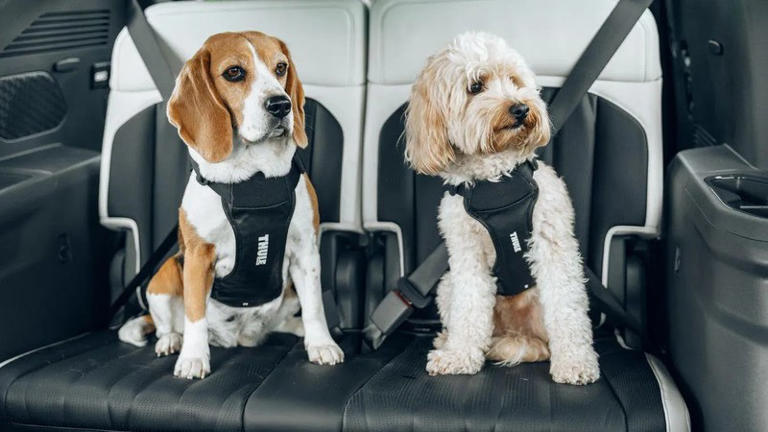
Credit: www.msn.com
Common Mistakes To Avoid With Dog Harnesses
Using the right dog harness can keep your pet safe in the car. Many owners make mistakes that reduce safety. Learning what to avoid helps protect your dog better.
This guide covers common errors with dog harnesses. Follow these tips to improve your dog’s car safety.
Using Harnesses Not Designed For Cars
Many dog owners use regular walking harnesses in the car. These are not made to protect dogs during crashes. A car-specific harness fits differently and has stronger straps.
Using a non-car harness can cause your dog to move too much. This increases injury risk in an accident. Always choose a harness made for vehicle use.
Ignoring Wear And Tear Signs
Dog harnesses face stress during every ride. Old or damaged harnesses lose strength. This can cause them to break when needed most.
- Check for frayed straps or loose stitching.
- Look for cracks or bends in metal parts.
- Replace harnesses that show damage or heavy wear.
- Test clips and buckles before each trip.
Skipping Safety Checks Before Driving
Many owners skip fitting checks before driving. A loose harness can let your dog slip out. A tight harness may cause discomfort or injury.
| Safety Check | What to Do |
| Fit | Ensure harness fits snugly but allows movement. |
| Attachment | Secure harness to car seatbelt or anchor point. |
| Comfort | Check for rubbing or pinching spots. |
| Function | Test buckles and clips before starting the trip. |

Credit: naids.org
Frequently Asked Questions
Why Is A Dog Harness Important For Car Safety?
A dog harness secures your pet during car rides. It prevents injury from sudden stops or accidents. Harnesses reduce driver distractions by keeping dogs restrained. This enhances safety for both pets and passengers.
How Does A Dog Harness Improve Travel Safety?
Dog harnesses distribute force evenly across the dog’s body. This minimizes injury risk in crashes. They keep dogs from roaming inside the car. Harnesses also help comply with local pet safety laws.
Can A Dog Harness Prevent Driver Distractions?
Yes, a dog harness keeps your pet restrained. It stops dogs from jumping or moving around. This reduces distractions, allowing the driver to focus on the road. Safe restraint means safer driving conditions.
Are Dog Harnesses Better Than Collars For Car Rides?
Harnesses provide better control and safety than collars. Collars can cause neck injuries during sudden stops. Harnesses secure the dog’s body without strain. They are designed specifically for car travel safety.
Conclusion
Using a dog harness in the car keeps your pet safe and secure. It stops sudden movements that can cause injury. A harness also protects other passengers by preventing distractions. Choosing the right harness means comfort and safety for your dog.
Always buckle your dog before driving. Safe travels start with simple steps like this. Keep your furry friend safe on every trip. Safety matters for both you and your dog.







