
When you need to signal for help or alert others to danger, flare kits can be lifesavers. But using them without the right knowledge can put you and those around you at risk.
Do you know how to handle flare kits safely and effectively? You’ll discover simple, clear steps to use flare kits without mistakes. By the end, you’ll feel confident and prepared to act quickly and safely when it matters most. Keep reading to protect yourself and others with flare kits done right.

Credit: thespooniechef.com
Choosing The Right Flare Kit
Using flare kits safely starts with choosing the right one. Different flare kits serve different purposes. Knowing what to look for helps you stay safe in emergencies.
It is important to understand types of flare kits and check the components before use. This guide covers these key points.
Types Of Flare Kits
There are several types of flare kits. Each type fits different situations and legal rules. Here are the common types:
- Roadside Flare Kits: Used to warn drivers of a stopped vehicle or accident.
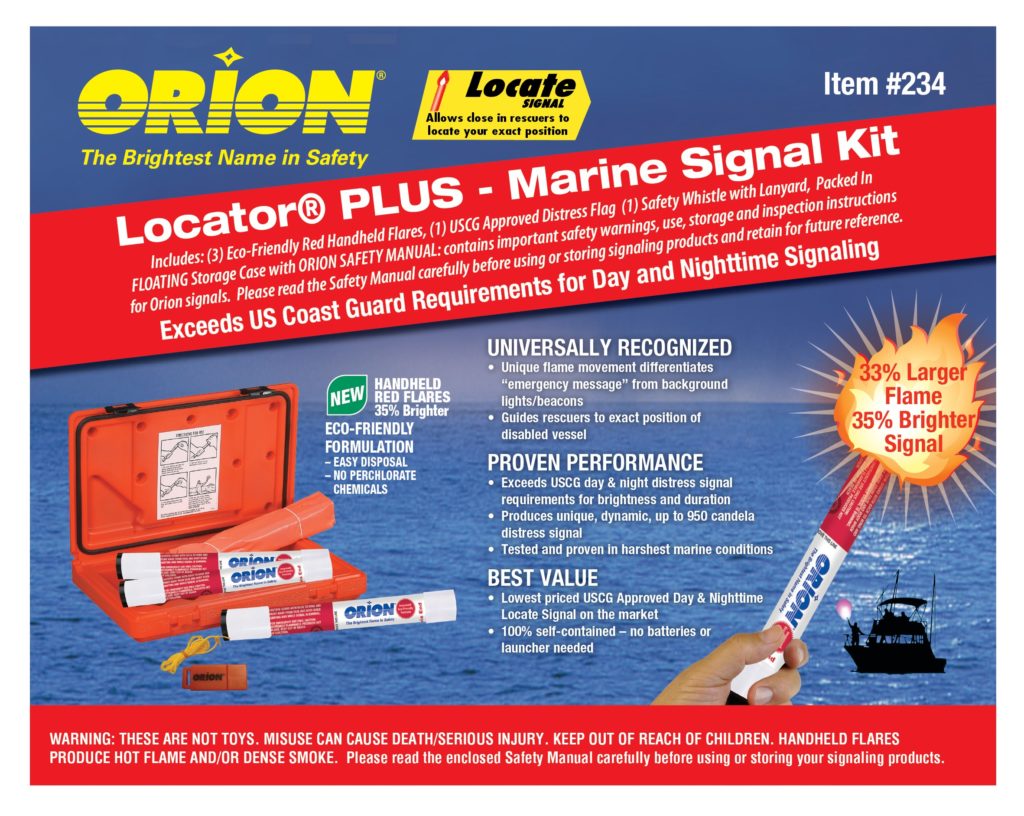
- Marine Flare Kits: Designed for use on boats to signal distress at sea.
- Handheld Flare Kits: Portable and easy to use for outdoor emergencies.
- Electronic Flare Kits: Use LED lights and signals instead of fire-based flares.
Kit Components To Check
Check the components inside a flare kit before buying or using it. A complete kit helps you manage emergencies better.
| Component | Purpose | What to Check |
| Flares | Signal for help | Ensure they are not expired |
| Igniters | Start the flare | Check if included and functional |
| Instruction Manual | Guide for safe use | Must be clear and readable |
| Reflective Strips | Increase visibility | Should be intact and bright |
| Storage Container | Protect kit parts | Check for water resistance |
Credit: www.orionsignals.com
Storing Flare Kits Properly
Flare kits must be stored carefully for safety and effectiveness. Proper storage keeps the flares ready for emergencies.
Follow simple rules to protect the kit from damage and prevent it from expiring too soon.
Ideal Storage Conditions
Store flare kits in a dry and cool place. Avoid direct sunlight or heat sources. Keep them away from moisture to stop corrosion.
- Keep the kit in a sealed container or bag
- Store at temperatures between 32°F and 85°F (0°C and 29°C)
- Place away from chemicals or fuels
- Keep the kit in an easy-to-access location
Avoiding Damage And Expiry
Check flare kits regularly for any signs of damage. Replace flares past their expiration date to ensure they work properly.
| Check Item | What to Look For | Action Needed |
| Flare Tubes | Cracks, dents, or leaks | Replace damaged tubes |
| Packaging | Wet or torn packaging | Dry or repackage properly |
| Expiration Date | Date passed or unreadable | Dispose of expired flares safely |
| Storage Location | Exposure to heat or moisture | Move to safer place |
Preparing For Flare Kit Use
Using flare kits safely requires careful preparation. Knowing what to wear and how to read instructions helps prevent accidents.
Before handling a flare kit, you must get ready. This guide covers safety gear and reading instructions to use flare kits correctly.
Safety Gear To Wear
Wearing the right safety gear protects you from burns and injuries. Always prepare before lighting a flare.
- Wear flame-resistant gloves to protect your hands
- Put on safety goggles to shield your eyes
- Use a long-sleeved shirt and long pants
- Wear closed-toe shoes to protect your feet
- Keep a fire extinguisher nearby as a precaution
Reading Instructions Carefully
Each flare kit comes with specific instructions. Reading them carefully helps you avoid mistakes and danger.
| Instruction | Why It Matters |
| Check expiration date | Expired flares may not work properly |
| Hold flare away from body | Prevents burns and injuries |
| Light flare in open space | Avoids fire hazards |
| Use protective gear | Reduces risk of harm |
| Dispose of flare safely | Prevents accidental fires |

Credit: www.alaskafloatsmyboat.com
Safe Flare Activation Techniques
Using flare kits safely is important to avoid accidents. Knowing how to activate flares properly can protect you and others nearby.
This guide covers key steps for safe flare activation. Follow these tips every time you use a flare kit.
Selecting A Safe Location
Choose a spot away from traffic and buildings. Make sure the area is clear of dry grass or flammable materials.
- Pick a flat, open space with good visibility
- Stay upwind to avoid smoke inhalation
- Keep at least 10 feet away from other people
- Avoid enclosed or crowded places
- Make sure emergency vehicles can see the flare
Proper Ignition Methods
Use the right technique to light a flare safely. Follow the instructions on the flare kit packaging carefully.
| Ignition Method | Instructions |
| Strike Flare | Hold flare firmly and strike against the striker strip once |
| Push Button Ignition | Press the button firmly until the flare lights |
| Pull Tab Ignition | Pull the tab quickly and away from your body |
Handling Flares After Use
Using flare kits requires careful handling once the flare has been used. Proper care helps avoid accidents and environmental harm. Always pay attention to how you dispose of flares and handle any heat they still carry.
Follow safety steps to manage used flares safely. This guide covers key points on disposal and heat management.
Disposal Guidelines
Dispose of used flares safely and according to local rules. Improper disposal can cause fires or pollution. Never throw used flares in regular trash or burn them.
- Allow the flare to cool completely before disposal.
- Place the flare in a metal container to avoid fire risks.
- Check local hazardous waste programs for flare disposal.
- Do not break or cut the flare casing.
- Keep flares away from children and pets after use.
Managing Residual Heat
Used flares stay hot even after they stop burning. Handle with care to avoid burns or fires. Be sure the flare is cool before moving or storing it.
| Action | Details |
| Keep flare upright | Place flare on a non-flammable surface to cool. |
| Wait time | Allow at least 30 minutes for flare to cool fully. |
| Use gloves | Wear heat-resistant gloves if you must handle flare early. |
| Keep water nearby | Have water or fire extinguisher ready in case of flare reignition. |
| Check flare temperature | Touch cautiously to check if flare is cool before disposal. |
Common Mistakes To Avoid
Using flare kits safely is crucial for ensuring personal and environmental safety. Avoiding common mistakes can prevent accidents and mishaps.
Understand the proper usage and be mindful of surroundings when using flares. This guide highlights errors to avoid for safe handling.
Misuse Risks
Flares should be used correctly to prevent accidents. Misuse can lead to burns, fires, or improper signaling.
- Read and follow the instructions on the flare kit.
- Keep flares away from flammable materials.
- Use flares only in emergency situations.
Ignoring Environmental Factors
Environmental factors can affect the performance of flares. Ignoring these can result in ineffective signaling or environmental damage.
Check weather conditions before using flares. Wind can affect the direction and stability of the flare.
| Environmental Factor | Impact on Flares |
| Wind | Can alter flare trajectory |
| Rain | May extinguish flares quickly |
| Dry Areas | Risk of starting wildfires |
Frequently Asked Questions
What Are The Essential Safety Tips For Using Flare Kits?
Always read the instructions before use. Wear gloves and eye protection. Use flares in open areas away from flammable materials. Keep a safe distance and never point flares at people or animals.
How Do I Properly Ignite A Flare Kit?
Hold the flare firmly and strike the ignition surface firmly. Keep the flare away from your body and face. Light it away from wind and avoid inhaling smoke.
Where Should I Store Flare Kits For Safety?
Store flare kits in a cool, dry place. Keep them out of direct sunlight and away from heat sources. Ensure they are accessible in emergencies but out of children’s reach.
Can Flare Kits Be Reused Or Are They Single-use Only?
Most flare kits are single-use only. Once ignited, they cannot be reused. Always check the packaging for specific reuse instructions.
Conclusion
Using flare kits safely protects you and others from harm. Always read the instructions before use. Keep a safe distance and avoid crowded places. Store kits in a cool, dry spot away from children. Dispose of used flares properly to prevent accidents.
Practice safety to stay calm during emergencies. Small steps make a big difference in safety. Stay alert, prepared, and cautious with every flare kit use. Safety first—always.







