
Traveling with your pet can be a wonderful experience, but making stops along the way requires careful attention. You want your furry friend to stay safe, comfortable, and happy during every break.
If you’ve ever worried about finding the right spot or how to handle those pit stops, you’re not alone. This guide will show you simple, practical tips to keep your pet safe and stress-free during every stop on your trip.
Keep reading to discover easy ways to protect your pet and make your travel smooth and enjoyable for both of you.

Credit: www.reddit.com
Preparing Your Pet For Travel
Traveling with pets needs planning and care. Preparing your pet helps make trips safe and calm.
Start early to get your pet used to travel. This lowers stress and keeps them comfortable.
Choosing The Right Carrier
Select a carrier that fits your pet well. It should be sturdy and allow enough space to move.
Look for carriers with good ventilation and easy access for your pet. Soft-sided carriers work well for small pets.
- Measure your pet before buying a carrier
- Choose carriers with secure locks
- Check airline rules if flying
- Pick a carrier with comfortable padding
Familiarizing Pets With Travel Gear
Let your pet explore the carrier and gear at home. This helps them feel safe and less anxious.
Use treats and praise when your pet approaches the gear. Practice short trips to build comfort.
- Place the carrier in your pet’s favorite room
- Put treats and toys inside the carrier
- Take your pet on short drives first
- Keep travel gear clean and familiar
Packing Essential Supplies
Bring important items your pet needs during travel. This keeps them healthy and comfortable on the road.
Include food, water, and any medicines your pet takes. Also pack a leash, waste bags, and favorite toys.
- Food and water bowls
- Enough pet food for the trip
- Medications and health records
- Leash and collar with ID tags
- Waste bags and cleaning wipes
- Comfort items like a blanket or toy
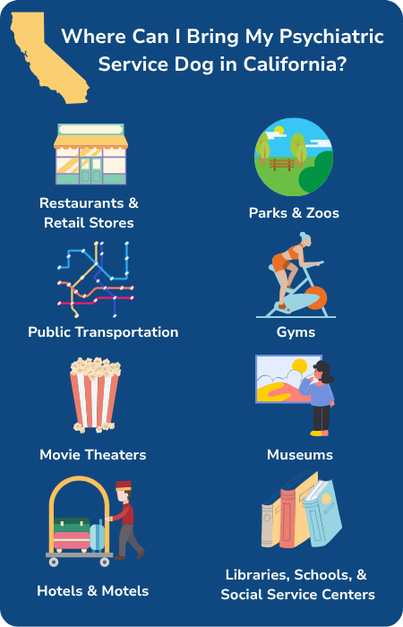
Credit: www.nolo.com
Planning Safe Stop Locations
Traveling with pets requires careful planning. Choosing safe places to stop helps protect your pet’s health and comfort.
Picking the right stop locations means thinking about your pet’s needs and the surroundings. This keeps trips enjoyable for everyone.
Selecting Pet-friendly Rest Areas
Choose rest areas that welcome pets and have space for them to move. Parks and pet-designated zones are best for breaks.
Look for places with shaded spots and water sources. These features help keep pets cool and hydrated during stops.
- Check online for pet-friendly rest stops along your route
- Pick areas with fenced dog parks or open grassy spaces
- Bring a leash and clean-up bags for your pet
- Choose stops that allow pets inside restrooms or shops, if needed
Avoiding Busy Or Unsafe Spots
Busy rest stops can stress pets and increase risk of accidents. Look for quieter places to stop and relax.
Avoid locations near heavy traffic, loud noises, or unsafe surfaces. These can frighten pets or cause injuries.
- Skip stops with crowded parking lots or noisy highways
- Stay clear of areas with broken glass or sharp objects
- Watch for signs warning about wildlife or hazards
- Pick spots with clear paths and good lighting
Checking Weather And Environment
Weather affects your pet’s safety during stops. Hot or cold conditions can harm pets quickly.
Check the weather forecast before stopping. Avoid long breaks in extreme heat or cold to protect your pet.
- Plan stops in shaded or sheltered areas during hot weather
- Bring water to keep pets hydrated at every stop
- Use blankets or coats for pets in cold weather
- Watch for signs of heatstroke or hypothermia
Keeping Pets Secure During Stops
Stopping during trips is a good chance to let pets stretch and relax. Keeping them safe during these breaks is very important. Secure pets prevent accidents and stress for both pets and owners.
Use easy and effective ways to keep pets safe. This helps avoid escapes and injuries. Focus on simple tools and safe areas.
Using Leashes And Harnesses
Leashes and harnesses keep pets close and under control. Always choose a leash and harness that fit well. A snug fit stops pets from slipping free.
Use harnesses for better control and comfort. Attach the leash to the harness instead of the collar. This reduces strain on your pet’s neck.
- Check leash and harness for damage before use
- Keep the leash short to prevent tangling
- Use reflective gear for low-light stops
Setting Up A Safe Play Zone
Create a safe space where pets can play without danger. Use portable fences or barriers to mark the area. This stops pets from wandering into unsafe spots.
Choose a flat, quiet place away from roads and hazards. Bring water and shade to keep pets comfortable. Always watch your pet while they play.
- Use collapsible fences or playpens
- Pick a spot away from traffic and crowds
- Keep water and toys inside the zone
Preventing Escapes And Accidents
Pets can slip away if not watched closely. Always check gates, fences, and doors before letting pets out. Secure all openings to avoid escapes.
Keep pets calm to reduce sudden moves. Use treats and gentle talk to relax them. Never leave pets alone near busy areas or cars.
- Double-check harness clips and leash hooks
- Stay close and watch pets at all times
- Avoid busy or noisy places for stops
Maintaining Hydration And Nutrition
Keeping your pet hydrated and well-fed during trips is very important. Proper care helps your pet stay healthy and happy on the road.
Travel can be stressful for pets. Good hydration and nutrition reduce stress and keep energy levels steady.
Providing Fresh Water Regularly
Always offer fresh water to your pet at every stop. Pets can get thirsty quickly, especially in warm weather.
Use a clean bowl and refill it often. Avoid giving water that has been sitting for too long.
- Bring a portable water bowl
- Check water temperature is comfortable
- Encourage your pet to drink frequently
Offering Healthy Snacks
Give your pet healthy snacks to keep up their energy. Choose treats that are easy to digest and low in sugar.
Healthy snacks help avoid hunger between meals and keep your pet active during breaks.
- Use small portions to avoid overeating
- Pick natural treats like carrots or apple slices
- Avoid human junk food or sweets
Avoiding Overfeeding On The Road
Do not feed your pet too much while traveling. Overfeeding can cause stomach upset and discomfort.
Stick to your pet’s usual meal size and schedule. This keeps their digestion normal and prevents travel sickness.
- Feed smaller meals more often if needed
- Keep regular feeding times as much as possible
- Watch for signs of fullness or discomfort
Monitoring Pet Health And Comfort
Traveling with pets requires extra care to keep them healthy and comfortable. Watching your pet closely helps prevent problems during stops.
Knowing what signs to look for and how to manage their needs ensures a safe and happy trip for your animal.
Watching For Signs Of Stress
Pets show stress in many ways. Recognizing these signs early helps you act quickly to calm them.
- Heavy panting or drooling
- Whining or barking more than usual
- Restlessness or pacing
- Hiding or trying to escape
- Lack of appetite or vomiting
Managing Temperature Extremes
Pets can suffer from heat or cold just like people. Keep their temperature comfortable at all times.
| Condition | Signs | Tips |
|---|---|---|
| Heat | Excessive panting, drooling, weakness | Provide shade, fresh water, avoid hot surfaces |
| Cold | Shivering, slow movements, seeking warmth | Use blankets, limit exposure, warm shelter |
Scheduling Breaks For Exercise
Regular breaks help pets stretch and relieve stress. Exercise keeps them calm and healthy during travel.
- Plan stops every 2 to 3 hours
- Choose safe, quiet places for breaks
- Bring a leash and water bowl
- Allow time for play and bathroom needs
- Observe pet behavior before continuing
Emergency Preparedness On The Road
Traveling with pets requires careful planning for their safety. It’s important to be ready for any emergencies that may arise during the trip.
Being prepared can help you handle unexpected situations smoothly. Ensure you have the necessary items and information at your fingertips.
Carrying A Pet First Aid Kit
A pet first aid kit is crucial when traveling. It helps address minor injuries or issues quickly.
- Include bandages, antiseptic wipes, and tweezers.
- Pack a digital thermometer and pet-safe pain relief.
- Don’t forget any prescribed medications.
Knowing Nearby Veterinary Clinics
Researching veterinary clinics along your route ensures quick access to professional care if needed. This can be a lifesaver during emergencies.
Use online maps to find clinics nearby. Save their contact details on your phone.
Having Identification And Medical Records Ready
Keep your pet’s identification and medical records accessible. This information is crucial in case of an emergency.
| Item | Details |
| ID Tag | Ensure it has your contact number |
| Vaccination Records | Include recent vaccinations |
| Medical History | List any known conditions |

Credit: www.flywithmypet.com
Frequently Asked Questions
How To Choose Safe Pet Stops During Road Trips?
Select stops with shaded areas, clean water, and pet-friendly facilities. Avoid busy or noisy places to reduce stress. Prioritize locations with secure fencing or leash rules to keep pets safe.
What Essential Items To Bring For Pet Stops?
Carry water, a bowl, waste bags, leash, and treats. Bring a first-aid kit and familiar toys to comfort your pet during breaks.
How Long Should Pet Breaks Be On Trips?
Pet breaks should last 15 to 30 minutes. This allows time for bathroom needs, stretching, and hydration without extending travel time excessively.
How To Keep Pets Calm During Travel Stops?
Use a calm voice and gentle petting to soothe your pet. Offer treats and ensure a familiar environment with toys or blankets.
Conclusion
Safe pet stops make travel better for both you and your pet. Always plan breaks in quiet, shaded places. Keep water and treats handy to keep pets happy. Use a leash or carrier to prevent escapes. Watch your pet’s behavior for signs of stress or heat.
Regular stops help pets stretch and stay comfortable. These simple tips keep trips safe and fun. Enjoy your journey with peace of mind. Safe travels!







