
If you travel with your pet, you know how important it is to keep them safe and comfortable in the car. But have you ever stopped to think about how secure your pet carrier really is during the ride?
A poorly secured carrier can put your furry friend at risk and make your trip stressful. You’ll discover simple yet effective tips to secure pet carriers in your car. These easy steps can protect your pet, give you peace of mind, and make every drive smoother.
Keep reading to learn how to make your pet’s safety your top priority on the road.

Credit: www.acg.aaa.com
Choosing The Right Carrier
Choosing a pet carrier for your car is important for safety and comfort. The right carrier keeps your pet secure during travel.
Consider the size, material, ventilation, and safety features before buying a carrier. These factors help protect your pet on the road.
Size And Material
Pick a carrier that fits your pet well. It should be big enough for them to stand, turn, and lie down comfortably.
- Measure your pet’s length and height before choosing.
- Choose lightweight materials like plastic or soft fabric for easy handling.
- Make sure the carrier has a solid base for stability in the car.
Ventilation And Comfort
Good airflow is essential to keep your pet calm and cool. Look for carriers with multiple ventilation openings.
| Carrier Feature | Benefit |
| Mesh Windows | Allow fresh air and visibility |
| Soft Padding | Provides comfort during travel |
| Removable Liners | Make cleaning easy |
Durability And Safety Features
A strong carrier protects your pet in sudden stops or accidents. Check for secure locks and sturdy construction.
- Secure door latches to prevent escapes
- Reinforced corners for impact resistance
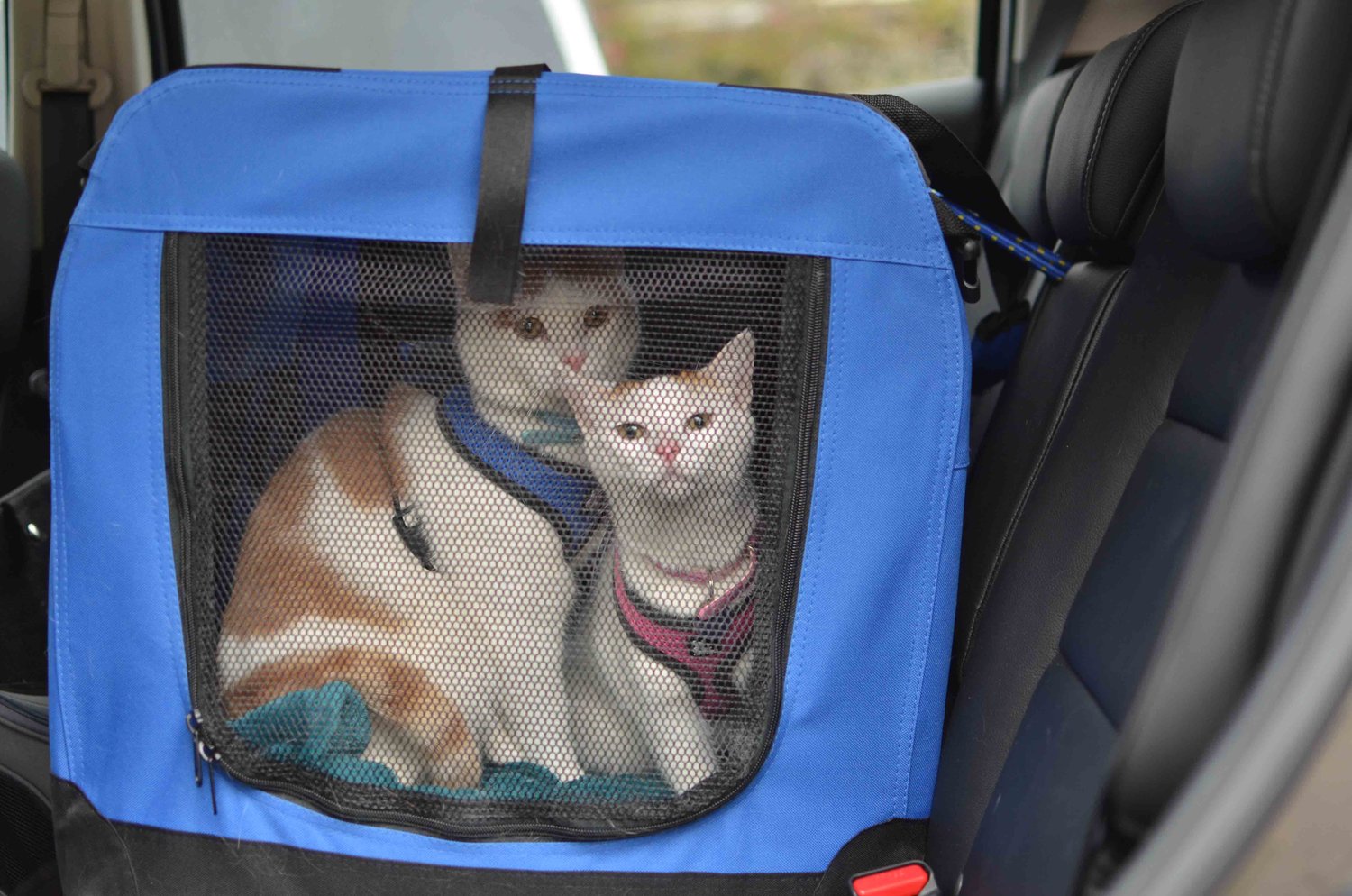
- Attachment points to fasten the carrier with seat belts
Credit: catexplorer.co
Positioning The Carrier In The Car
Keeping your pet carrier in the right spot makes travel safer for your pet. The carrier must be stable and away from danger.
Choosing the right position helps protect your pet from sudden stops or crashes. It also keeps them calm during the ride.
Best Locations For Stability
The most stable places in a car hold the carrier firmly. This stops it from sliding or tipping over during travel.
The back seat floor or middle of the back seat often offers the best stability. These spots reduce movement and keep your pet secure.
- Back seat floor is low and steady
- Middle of the back seat keeps carrier secure
- Avoid places that move a lot, like the front seat
Avoiding Airbag Zones
Airbags can hurt pets if they deploy during an accident. Keep the carrier away from airbags to keep your pet safe.
The front passenger seat has airbags that can open suddenly. Do not place the carrier here unless airbags are turned off.
- Never place carrier on front passenger seat with active airbags
- Use back seats instead to avoid airbag risk
- Check your car’s airbag locations before travel
Securing On Seats Vs. Floor
You can secure the carrier on the car seat or floor. Each spot has good and bad points to consider.
Securing on the floor usually means less movement. Seat belts can also hold the carrier on the seat tightly.
- Floor offers low, stable placement
- Seats let you use seat belts to secure the carrier
- Make sure the carrier does not slide or tip in either place
Securing Techniques
Keeping your pet carrier secure in the car is important for safety. A stable carrier protects your pet and reduces distractions while driving.
Use the right tools and methods to keep the carrier in place. This guide explains three effective ways to secure pet carriers.
Using Seat Belts
Seat belts can hold pet carriers firmly on the car seat. Pass the belt through the carrier’s handle or straps to lock it in place.
- Place the carrier on the back seat for safety.
- Thread the seat belt through the carrier’s base or handles.
- Pull the belt tight to prevent movement.
- Check the belt is fastened securely before driving.
Straps And Harnesses
Use adjustable straps or harnesses to tie the carrier down. These tools add extra security, especially on longer trips.
| Type | Best Use | Tip |
|---|---|---|
| Luggage Straps | Securing carriers on seats or floors | Choose wide straps for better grip |
| Pet Harnesses | Attaching carrier to seat frames | Check for strong clips and buckles |
| Bungee Cords | Temporary, quick fastening | Ensure cords are tight, not loose |
Non-slip Mats
Place a non-slip mat under the carrier to stop it from sliding. This works well with other securing methods.
Benefits of Non-Slip Mats:
- Increases friction between the carrier and seat
- Reduces sudden movements during sharp turns
- Protects car seats from scratches
Additional Safety Tips
Keeping your pet safe in a carrier during car rides is very important. Small details can make a big difference.
These safety tips help ensure your pet stays comfortable and secure on every trip.
Regular Carrier Inspections
Check your pet carrier often for damage or wear. Look for cracks, broken locks, or loose parts. A damaged carrier can fail to protect your pet.
- Inspect latches and hinges for strength.
- Make sure ventilation holes are clear.
- Check the carrier’s base for stability.
- Clean the carrier regularly to avoid odors and bacteria.
Avoiding Extreme Temperatures
Keep your pet’s carrier out of direct sunlight inside the car. Extreme heat or cold can harm your pet quickly.
| Temperature Range | Tips |
| Above 85°F (29°C) | Park in shade and use sunshades on windows. |
| Below 45°F (7°C) | Use blankets or heated pads safe for pets. |
| Between 45°F and 85°F | Ensure good airflow and avoid direct sun. |
Emergency Preparedness
Prepare for unexpected stops or emergencies by having supplies ready. Keep your pet calm and safe in any situation.
- Pack a small first-aid kit for pets.
- Carry extra water and a bowl.
- Have a leash and harness nearby.
- Keep important contact numbers accessible.
- Know the locations of nearby emergency vets.
Training Pets For Travel
Traveling with pets can be safe and calm with proper training. Teaching pets to like their carriers helps reduce stress on the road.
Start training early and keep sessions short. This guide covers how to get pets used to carriers, calming methods, and signs of stress.
Acclimating To The Carrier
Let your pet explore the carrier without closing it at first. Place treats and toys inside to create positive feelings.
- Put the carrier in a quiet room
- Leave the door open for free access
- Feed your pet near or inside the carrier
- Gradually close the door for short times
- Increase time spent inside the carrier slowly
Calming Techniques
Use simple ways to calm pets during travel. These techniques help keep pets relaxed before and during the trip.
| Technique | Description |
| Soft Music | Play gentle tunes to soothe your pet |
| Comfort Items | Bring a favorite blanket or toy |
| Breathing | Speak calmly and breathe slowly near your pet |
| Short Breaks | Pause during long trips for water and rest |
Recognizing Stress Signals
Watch your pet’s behavior for signs of stress. Early recognition lets you act fast to help your pet feel better.
- Whining or barking more than usual
- Excessive licking or scratching
- Pacing or trying to escape the carrier
- Heavy panting or drooling
- Shaking or trembling
Credit: www.seeworldgps.com
Frequently Asked Questions
How Do I Secure A Pet Carrier In A Car Safely?
Use a seatbelt or car’s LATCH system to strap the carrier firmly. Ensure it doesn’t move during sudden stops or turns. Position the carrier on the back seat for maximum safety.
What Is The Best Car Position For Pet Carriers?
Place the pet carrier on the back seat, preferably in the middle. This spot offers better protection from airbags and reduces injury risk in accidents.
Can I Use A Pet Carrier Without Seatbelt Straps?
Using a carrier without seatbelt straps is unsafe. Secure the carrier with seatbelts or tie-downs to prevent movement. Loose carriers can harm pets during sudden stops.
Are There Special Carriers Designed For Car Travel?
Yes, some carriers have built-in seatbelt loops and extra padding. These designs improve safety and comfort for your pet during car rides.
Conclusion
Securing pet carriers in cars keeps pets safe and calm during trips. Use seat belts or straps to hold the carrier firmly. Place the carrier on flat surfaces to avoid slipping. Check the carrier’s stability before starting your drive. A steady carrier prevents injuries and stress for pets.
Safe travel means happy pets and peaceful rides. Remember, a little effort protects your furry friend well. Drive carefully and keep your pet secure every time.







