
Your car’s paint is more than just color—it’s the first thing people notice. But have you ever wondered how to keep that shine fresh and protect your investment from scratches, fading, and dirt?
Car paint protection might be the answer you’ve been looking for. You’ll discover simple yet powerful ways to shield your car’s surface, making it look newer for longer. Keep reading, and learn how to give your car the care it deserves with easy-to-understand tips that anyone can follow.
Types Of Car Paint Protection
Car paint protection helps keep your vehicle’s finish safe from damage. Different types offer various levels of protection and durability.
Choosing the right paint protection depends on your needs and budget. Here are common options to consider.
Wax And Sealants
Wax and sealants add a protective layer over your car’s paint. Wax is natural and gives a glossy finish but lasts a few weeks. Sealants are synthetic and last longer, up to six months.
Both protect against dirt, water, and UV rays but need regular reapplication to stay effective.
Ceramic Coatings
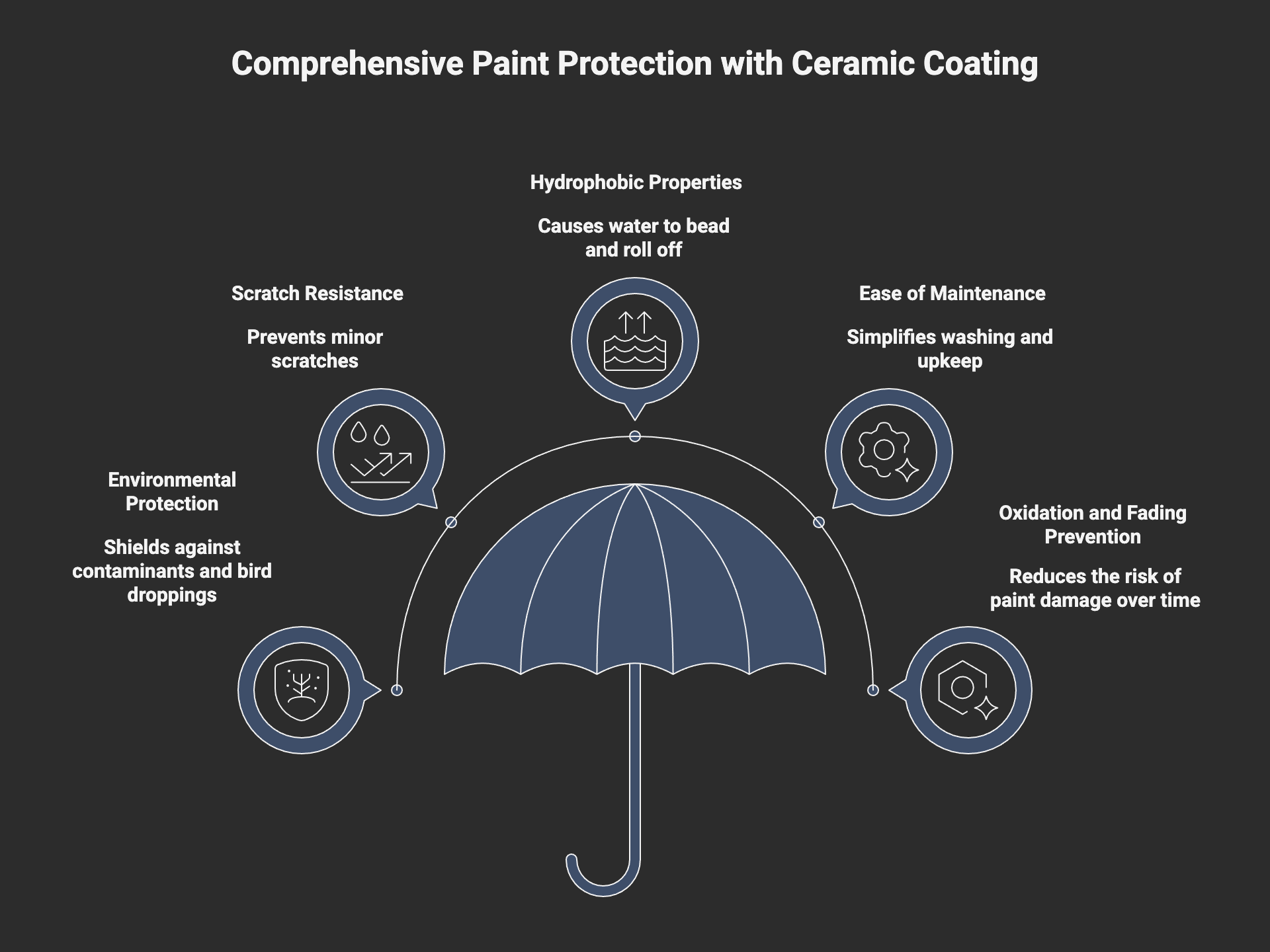
Ceramic coatings create a hard, durable shell on your paint. They resist scratches, dirt, and chemicals better than wax or sealants. These coatings can last several years with proper care.
- Protects from UV damage and oxidation
- Makes cleaning easier
- Provides a glossy, wet-look finish
- Requires professional or careful DIY application
Paint Protection Films
Paint protection films (PPF) are clear, thick layers applied to your car’s surface. They prevent chips, scratches, and stains. PPF is highly durable and can last up to 10 years.
| Feature | Wax/Sealants | Ceramic Coatings | Paint Protection Films |
| Durability | Weeks to months | Years | Up to 10 years |
| Scratch Protection | Low | Medium | High |
| Finish | Glossy | Glossy and smooth | Clear, almost invisible |
| Reapplication | Frequent | Rare | Rare |
Diy Vs Professional Options
Some paint protection types are easy to apply yourself. Others need expert skills for best results.
- Wax and sealants can be applied at home with basic tools.
- Ceramic coatings require careful prep and application, often done by pros.
- Paint protection films need professional installation to avoid bubbles and misfits.
- Professional application gives longer lasting, better results but costs more.

Credit: auto2000sports.com
Benefits Of Paint Protection
Paint protection helps keep your car looking new for a long time. It adds a strong layer over the paint to guard against damage.
This protection can save you money by reducing the need for repairs and repainting. It also keeps your car’s value higher.
Scratch And Chip Resistance
Paint protection creates a tough shield that stops scratches and chips. It protects your car from small rocks and debris on the road.
This layer absorbs impacts that would normally damage the paint. It keeps your car’s surface smooth and free from marks.
Uv And Chemical Protection
Sunlight can fade your car’s paint over time. Paint protection blocks harmful UV rays to keep colors bright.
It also protects against chemicals like bird droppings and road salts. These substances can eat away at paint without protection.
Enhanced Gloss And Shine
Paint protection adds a glossy finish that makes your car look newer. It enhances the color and gives a wet shine effect.
This shine lasts longer than regular waxing. It keeps your car looking clean and polished all the time.
Ease Of Cleaning
The protective layer stops dirt and grime from sticking to the paint. This makes washing your car faster and easier.
Water and mud slide off the surface quickly. It saves time and effort during car cleaning.
How To Choose The Right Protection
Choosing the right paint protection for your car keeps it looking new. The right choice depends on your needs and lifestyle.
Consider your budget, how long the protection lasts, and how you use your vehicle. These factors help you pick the best option.
Budget Considerations
Paint protection comes in different price ranges. Some options cost less upfront but may need more care later.
- Basic waxes are affordable and easy to apply.
- Synthetic sealants last longer but cost more.
- Paint protection films are the most expensive but offer strong defense.
Longevity And Maintenance
Think about how long the protection lasts and the care it needs. Some products need frequent reapplication.
| Type | Average Lifespan | Maintenance |
| Car Wax | 1-3 months | Reapply every 1-3 months |
| Synthetic Sealant | 6-12 months | Reapply twice a year |
| Paint Protection Film | 5-10 years | Clean regularly, no reapplication |
| Ceramic Coating | 2-5 years | Annual inspection and cleaning |
Vehicle Usage And Environment
Your daily use and the place you live affect protection choice. Some environments need stronger protection.
- If you drive in cities, pollution and dust can harm your paint.
- Coastal areas need protection against salt and moisture.
- Harsh sun requires UV resistant coatings.
- Frequent off-road use calls for tough films or coatings.
Application Process
Car paint protection helps keep your vehicle’s surface safe. The application process needs care and attention.
This guide explains the main steps in applying paint protection on cars.
Surface Preparation
Cleaning the car surface is the first step. Dirt and oils can stop the protection from sticking well.
Any scratches or paint defects should be fixed before applying protection. The surface must be smooth.
- Wash the car thoroughly
- Remove any wax or grease
- Fix small scratches or marks
- Dry the surface completely
Applying Coatings And Films
Paint protection can be a liquid coating or a clear film. Both cover the paint to stop damage.
Use clean tools and apply the protection evenly. Avoid bubbles or dust during application.
- Apply liquid coatings with a soft cloth or sponge
- Use a squeegee to smooth films over the surface
- Work in small sections for better control
- Check for and remove any trapped air or dust
Curing And Drying Times
After applying protection, let it cure or dry fully. This step is important for strong adhesion.
Drying times vary by product. Follow the instructions for the best results.
- Keep the car indoors or shaded
- Do not touch the surface during curing
- Avoid washing the car for at least 24 hours
- Full protection may take several days to set
Maintaining Your Car’s Shine
Keeping your car’s paint protection in good shape helps preserve its shine. Proper care extends the life of the protective layer.
Simple habits make a big difference. Clean and care for your car regularly to keep it looking new.
Regular Washing Tips
Wash your car often to remove dirt and grime that can damage the paint. Use gentle cleaning products made for cars.
- Rinse the car with water before washing
- Use a soft sponge or microfiber cloth
- Wash in the shade to avoid water spots
- Dry with a clean microfiber towel
- Avoid harsh detergents or household cleaners
Avoiding Common Mistakes
Some habits can harm your car’s paint protection. Avoid these mistakes to keep the shine intact.
| Mistake | Effect |
| Using abrasive sponges | Scratches paint surface |
| Washing under direct sun | Water spots and streaks |
| Skipping drying step | Water marks and mineral stains |
| Ignoring bird droppings | Paint etching and damage |
Reapplication Guidelines
Paint protection does not last forever. Reapply it to keep your car shiny and safe from damage.
Follow this simple schedule for reapplication:
- Check the product label for recommended timing
- Clean your car thoroughly before reapplying
- Apply paint protection evenly and in a shaded area
- Allow proper drying time as stated in instructions

Credit: www.ultraguardindia.com
Cost Breakdown
Car paint protection helps keep your vehicle looking new. The costs vary based on materials and services.
Understanding these costs can help you make informed decisions. Let’s explore the details.
Material Costs
Materials for paint protection can include wax, sealant, or film. Each has a different price range.
| Material Type | Average Cost |
| Wax | $20 – $100 |
| Sealant | $30 – $150 |
| Paint Protection Film | $500 – $5,000 |
Professional Service Fees
Hiring a professional ensures quality application. Service fees depend on the type of protection and vehicle size.
- Wax Application: $50 – $200
- Sealant Application: $100 – $300
- Film Installation: $1,000 – $7,000
Diy Savings And Risks
Doing it yourself can save money but comes with risks. You need the right skills and tools.
- Initial cost of materials
- Time commitment
- Potential for mistakes
Common Myths And Facts
Car paint protection is important for keeping your vehicle looking new. Many myths surround its effectiveness and durability.
This guide explains what is true and what is false about car paint protection.
Misconceptions About Durability
People believe car paint protection lasts forever. This is not true. The lifespan depends on the type of protection and maintenance.
Some think it prevents scratches completely. In reality, it only reduces the chances of minor damage.
- Wax needs reapplication every few months
- Ceramic coatings can last several years with care
- Paint protection film needs professional inspection regularly
Effectiveness Against Damage
Many assume paint protection makes cars bulletproof. It does not. It helps in minimizing damage from environmental factors.
It cannot stop big dents or deep scratches. It offers a layer of defense against sun, rain, and dust.
- Protects against UV rays reducing fading
- Helps prevent minor scratches from washing
- Reduces water spots and stains
Realistic Expectations
Car owners think protection makes cars maintenance-free. Regular cleaning and inspections are still necessary.
Protection improves appearance but does not replace proper care. It is a part of a complete car care routine.
- Regular washing keeps protection effective
- Annual check-ups ensure the best results
- Avoid harsh chemicals during cleaning
Credit: www.fresh-layer.com
Frequently Asked Questions
What Is Car Paint Protection And Why Is It Important?
Car paint protection shields your vehicle’s paint from scratches, UV rays, and contaminants. It maintains the car’s shine and resale value. This protection helps prevent damage caused by weather, dirt, and road debris, keeping your car looking new longer.
How Long Does Car Paint Protection Typically Last?
The duration depends on the type used. Wax protection lasts about 6 months. Ceramic coatings can last 2 to 5 years. Proper maintenance and environmental conditions also affect the longevity of the paint protection.
What Are The Common Types Of Car Paint Protection?
Common types include wax, sealants, ceramic coatings, and paint protection films. Wax offers short-term shine. Ceramic coatings provide durable, long-lasting protection. Paint protection films guard against scratches and chips with a transparent layer.
How Often Should I Apply Car Paint Protection?
Wax should be applied every 3 to 6 months for best results. Ceramic coatings usually need reapplication every 2 to 5 years. Regular washing and maintenance help extend the life of any paint protection.
Conclusion
Protecting your car’s paint keeps it looking fresh and new. It prevents damage from sun, dirt, and scratches. Applying a good paint protection can save money on repairs later. Regular care extends your car’s beauty and value. Choose the right product and follow simple steps.
Your car deserves this extra shield every day. Small efforts lead to long-lasting shine and protection. Keep your vehicle safe and attractive for years ahead.







