
Traveling with your pet can be an exciting adventure, but have you thought about what happens if your furry friend gets lost? Imagine the stress and worry you’d feel if you couldn’t find your pet in an unfamiliar place.
That’s why pet identification is not just important—it’s essential. You’ll discover how simple steps can protect your pet and give you peace of mind during every trip. Keep reading to learn how to keep your best friend safe, no matter where your travels take you.

Credit: www.tsa.gov
Why Pet Id Matters On The Road
Traveling with pets can be fun but also risky. Pets can get lost or separated from their owners during trips.
Pet identification helps find lost pets quickly and reunite them with their families. It is a simple step that protects your pet.
Quick Recovery If Your Pet Gets Lost
Pets can escape or get scared in new places. Having an ID tag or microchip helps others identify your pet fast.
Proof Of Ownership
Pet ID shows who the owner is. This can help avoid confusion or disputes if someone finds your pet.
Important Information For Helpers
An ID tag or microchip can provide vital information. This includes your contact number and pet’s medical needs.
- Owner’s phone number
- Pet’s name
- Medical conditions or allergies
- Any medication instructions
Legal Requirements And Travel Rules
Many places require pets to have identification during travel. This keeps pets safe and meets local laws.
| Country/State | Pet ID Requirement |
| USA | ID tag or microchip often required |
| Canada | Microchip preferred for travel |
| European Union | Microchip mandatory for pet movement |
| Australia | Strict ID and quarantine rules apply |

Credit: www.tsa.gov
Types Of Pet Identification
Pet identification helps keep your pet safe during travel. It makes it easier to find your pet if they get lost. There are different types of pet ID you can use.
Each type has its own benefits and works best in certain situations. Knowing these types helps you choose the right one for your pet.
Collar Tags
Collar tags are the most common form of pet identification. They attach to your pet’s collar and show important information.
Tags usually include your pet’s name, your phone number, and sometimes your address. They are easy to read and quick to use.
- Show your contact information
- Easy to update if details change
- Works well for everyday use
- Must be checked regularly for wear
Microchipping
Microchipping is a small chip placed under your pet’s skin. It stores a unique ID number linked to your contact details.
When scanned by a vet or shelter, it helps identify your pet quickly. This ID cannot fall off or get lost like tags.
- Permanent form of identification
- Cannot be removed or lost
- Needs a scanner to read
- Must register your contact info
Gps Trackers
GPS trackers attach to your pet’s collar and use satellites to find their location. You can see where your pet is on your phone.
This helps you find pets that wander away or get lost during travel. Some models offer live tracking and safe zone alerts.
- Provides real-time location data
- Helps track pets during travel
- May require a subscription
- Needs charging regularly
Legal Requirements For Traveling Pets
Traveling with pets needs careful planning. Identification is crucial for their safety. It is also important to meet legal requirements.
Every country has different rules for pet travel. These rules ensure the safety and health of animals and people.
Pet Passports And Health Certificates
Pets need a passport for international travel. This document shows their vaccination records and health status.
A health certificate from a veterinarian is also necessary. It confirms the pet is healthy and free of diseases.
Microchipping And Identification Tags
Many countries require pets to have a microchip. This small device contains the pet’s unique identification number.
Identification tags with the owner’s contact information are also important. They help in quickly reuniting lost pets with their owners.
Quarantine Regulations
Some countries have quarantine rules for pets. This means pets may need to stay in a special facility for some time after arrival.
Quarantine ensures that pets do not carry diseases that could spread to other animals or humans.
Vaccination Requirements
Vaccinations are a must for traveling pets. Common vaccines include rabies and distemper.
These vaccines protect the pet and other animals from infectious diseases.
Breed And Species Restrictions
Some places have restrictions on certain breeds. This is to ensure the safety of people and other animals.
Check the specific rules of the destination country to avoid issues during travel.
Preparing Your Pet’s Id Before Travel
Traveling with your pet requires extra care to keep them safe. One key step is preparing your pet’s identification. This helps you find your pet quickly if they get lost during the trip.
Make sure your pet’s ID is clear and up-to-date. This includes tags, contact details, and microchip registration. Proper ID gives you peace of mind while traveling.
Updating Contact Information
Check that all contact details on your pet’s ID tags are current. Include your phone number and address. Add a backup contact in case you cannot be reached.
Before travel, review your phone plan. Ensure your number works where you will be traveling. This step helps others contact you quickly if needed.
- Use a phone number that will be active during travel
- Include a local or trusted friend’s number
- Update your home address or travel location
Choosing Durable Tags
Choose ID tags made from strong materials like metal or hard plastic. These tags last longer and stay readable during travel. Avoid paper or thin tags that tear easily.
Pick tags with clear, easy-to-read text. Use large fonts and simple wording. Attach the tag securely to your pet’s collar to prevent loss.
- Metal tags resist water and scratching
- Engraved text lasts longer than printed
- Secure attachment prevents accidental loss
Registering Microchips
Microchips provide a permanent way to identify your pet. Register your pet’s microchip information with a national database. Keep your contact details updated in the registry.
If your pet loses their collar, the microchip helps shelters and vets find you. Before travel, confirm your microchip registration is current and accurate.
- Check your pet’s microchip number matches the registry
- Update your phone number and address in the database
- Keep a copy of the microchip information when traveling
Safety Tips For Traveling With Pets
Traveling with pets can be fun but needs careful planning. Keeping pets safe during trips is very important.
Pet identification helps find your pet if they get lost. It also keeps them safe in new places.
Securing Pets In Vehicles
Always secure your pet in the car. Use a pet seat belt or a carrier to keep them safe.
Unsecured pets can distract the driver and get hurt in accidents. Make sure your pet stays calm and safe.
- Use a harness or pet seat belt
- Place pets in a sturdy carrier
- Keep pets in the back seat
- Never let pets ride with heads out the window
Keeping Id Visible
Make sure your pet wears a collar with ID tags. The tags should have your current phone number.
ID tags help others return your pet quickly if they get lost. Keep the tags clean and easy to read.
- Use a durable collar with ID tags
- Check that tags have up-to-date info
- Consider adding a microchip for extra security
- Attach tags to a breakaway collar for safety
Emergency Contact Plans
Have a plan if your pet gets lost during travel. Know who to call and where to go for help.
Share your emergency contact info with hotels or friends. Keep a list of local vets and animal shelters.
- Save phone numbers of local vets and shelters
- Give emergency contacts to travel companions
- Keep a recent photo of your pet on hand
- Use GPS pet trackers if possible
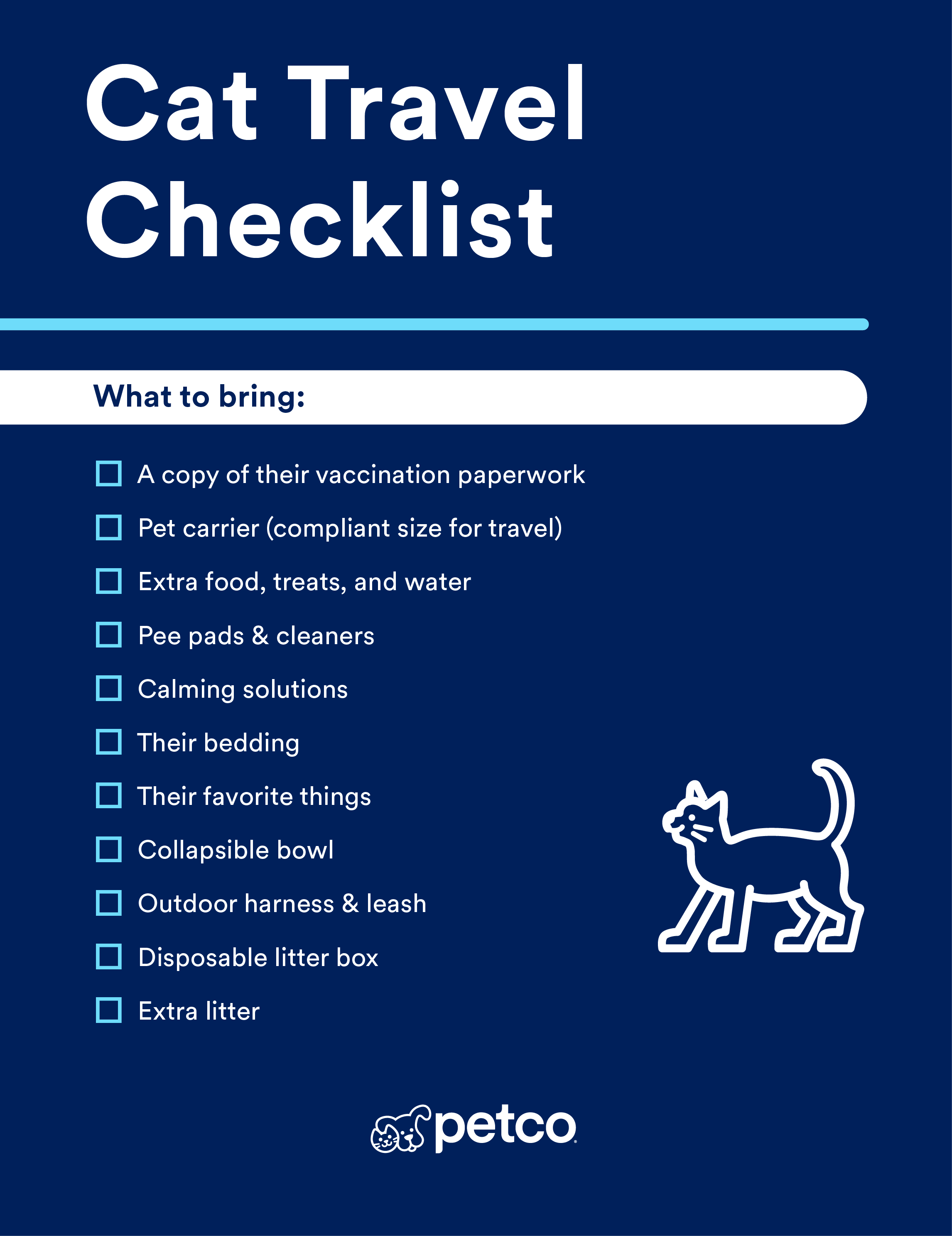
Credit: www.petco.com
Handling Lost Pets During Travel
Traveling with pets can be fun but also risky if they get lost. Knowing how to handle lost pets helps bring them back safely.
This guide explains what to do immediately, how to use recovery services, and ways to prevent future losses.
Immediate Actions To Take
Start looking for your pet right away. Search the area where your pet went missing.
Call your pet’s name and ask others nearby to help. Use familiar treats or toys to attract your pet.
- Check nearby parks, streets, and shelters
- Notify local animal control or police
- Post flyers with a clear photo and contact details
Using Pet Recovery Services
Pet recovery services help find lost pets faster. Many use online databases and social media to spread the word.
Microchip companies can alert you if your pet is found. They also help shelters identify and contact owners quickly.
- Register your pet’s microchip before traveling
- Contact local shelters and vets in the travel area
- Use apps or websites dedicated to lost pets
Preventing Future Incidents
Keep your pet safe by using proper ID tags and microchips. Update all information before traveling.
Train your pet to stay close during trips. Use leashes or carriers to avoid escapes.
- Check and update ID tags regularly
- Use a secure collar or harness
- Keep a recent photo of your pet handy
- Plan safe travel routes and pet-friendly stops
Frequently Asked Questions
Why Is Pet Identification Crucial During Travel?
Pet identification ensures quick recovery if pets get lost during travel. It helps authorities contact owners easily, reducing stress and delays. Proper ID tags or microchips improve safety and allow smooth border crossings or accommodations during trips.
What Types Of Pet Identification Are Best For Travel?
Microchips and durable ID tags are best for travel. Microchips provide permanent identification, while tags offer visible contact info. Combining both ensures pets are identifiable in all situations, increasing the chances of safe returns if separated from owners.
How Does Pet Identification Improve Travel Safety?
Pet identification helps prevent permanent loss by enabling quick reunion. It also supports emergency responders in identifying and caring for pets promptly. Identification reduces anxiety for owners and ensures pets get proper care during unforeseen travel disruptions.
Can Pet Identification Help With International Travel?
Yes, pet identification is often mandatory for international travel. Many countries require microchips and specific ID tags for entry. Proper identification helps comply with regulations, speeds up customs checks, and avoids quarantine or travel delays.
Conclusion
Traveling with pets means extra care and safety. Pet identification helps find lost pets fast. Tags and microchips give your pet a voice. They show important info like your phone number. This simple step can save stress and worry. Every pet owner should use proper ID.
It keeps your pet safe wherever you go. Don’t wait until it’s too late. Protect your pet with clear, reliable identification today.







