
Keeping your child safe while traveling in the car is one of your top priorities. But did you know that many everyday items inside your vehicle can pose hidden risks?
You might feel overwhelmed by the thought of childproofing your car’s interior, but it doesn’t have to be complicated or expensive. This DIY guide will show you simple, effective steps you can take right now to protect your little one.
By the end, you’ll feel confident that your car is a safer space for your child—and that peace of mind is priceless. Keep reading to discover easy tips that make a big difference.

Credit: koopers.co
Car Interior Risks For Children
Children spend time inside cars during travel and errands. Car interiors have many hidden risks for young kids.
Parents should know about these dangers to keep children safe inside vehicles.
Common Hazards Inside Cars
Cars contain many objects and parts that can hurt children. Loose items can fall or be thrown during stops.
Sharp edges, seat belts, and windows also pose risks. Small parts from toys or car accessories may come loose.
- Loose objects that can hit children in sudden stops
- Sharp edges on doors and dashboard
- Seat belts that may trap fingers
- Windows that can pinch or close on small hands
- Small detachable parts from toys or car gadgets
Choking And Injury Sources
Small items inside cars can cause choking hazards for young children. Coins, buttons, and snacks are common dangers.
Children may put objects in their mouths without adults noticing. Injuries can also come from loose parts or seat belt buckles.
- Coins and small toys that fit in a child’s mouth
- Loose screws or parts from car accessories
- Seat belt buckles that can pinch skin or fingers
- Food pieces that cause choking
Temperature And Air Quality Concerns
Car interiors can heat up quickly on sunny days. High temperatures can cause heatstroke or burns to children.
Poor air quality inside cars can also affect children’s breathing. Dust, mold, and strong smells may cause discomfort.
- Hot surfaces that can burn skin
- Rapid temperature rise inside parked cars
- Dust and allergens trapped inside the cabin
- Strong odors from cleaning products or air fresheners
Credit: m.yelp.com
Essential Safety Gear
Keeping children safe inside a car needs special gear. This gear helps prevent injuries and makes the car safer.
Learn about the right car seat, seat belt adjusters, and window guards to protect your child.
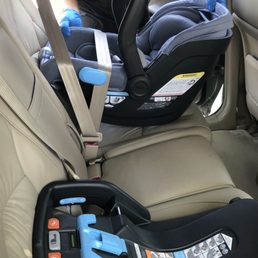
Choosing The Right Car Seat
Pick a car seat that fits your child’s age and size. A good car seat keeps your child secure in case of a sudden stop.
- Use rear-facing seats for babies under 2 years old.
- Choose forward-facing seats with a harness for toddlers.
- Use booster seats for children who outgrow harnesses but are too small for seat belts.
- Check the car seat’s expiration date before use.
Using Seat Belt Adjusters
Seat belt adjusters help position the seat belt correctly on your child’s body. This stops the belt from hurting their neck or face.
| Type of Adjuster | Purpose | Best Use |
| Clip-on Adjuster | Keeps belt low on hips | Booster seat users |
| Shoulder Strap Adjuster | Prevents belt from cutting neck | Older children |
| Adjustable Seat Belt Guide | Moves belt to correct place | Children between booster and adult seat belt sizes |
Installing Window Guards
Window guards stop children from opening windows or sticking their hands out. They add an extra layer of safety inside the car.
Tips for installing window guards:
- Choose guards that fit your car’s window size.
- Secure guards firmly to prevent them from falling off.
- Make sure guards do not block emergency exits.
- Check guards regularly for damage or looseness.
Securing Loose Items
Loose items in a car can cause distractions and injuries during sudden stops. Securing these items is key to safety for children and adults. This guide helps you childproof your car by managing loose objects effectively.
Use simple steps to organize, remove, and anchor items inside your car. Each section covers practical ways to keep your car interior safe and tidy.
Organizing With Storage Solutions
Storage solutions keep small things in place and make the car neat. Use containers, bins, or seat organizers to group loose items. This stops them from rolling or falling during travel.
- Install backseat organizers with pockets
- Use under-seat storage boxes
- Place a small basket in the trunk for toys
- Secure water bottles in cup holders or special holders
- Store emergency kits in a fixed box
Removing Small Objects
Small objects can be choking hazards or distractions. Check the car regularly and remove anything that is not needed. Keep only safe and essential items within reach.
| Object | Risk | Action |
| Loose coins | Choking hazard | Remove or store in a container |
| Small toys | Choking hazard | Keep in a secured bag or box |
| Sharp objects | Injury risk | Remove or place in locked glove box |
| Loose papers | Distraction | Organize in folder or bin |
Anchoring Heavy Equipment
Heavy items can move during a crash and cause harm. Use straps, nets, or anchors to fix these items securely in place. Make sure anchors fit your car model for best results.
To anchor heavy equipment safely:
- Identify heavy items like coolers or large bags.
- Use adjustable straps to tie them to seat anchors or hooks.
- Place heavy items on the floor or in the trunk for stability.
- Check straps regularly to ensure they stay tight.
Protecting Car Controls
Childproofing your car helps keep kids safe while you drive. Protecting car controls is important to stop accidents.
Car controls like doors, windows, and buttons can cause problems if children use them. You can secure these parts easily.
Locking Doors And Windows
Locking doors and windows stops children from opening them while the car moves. This keeps kids safe inside the car.
Use your car’s child lock feature on doors and windows. This lets adults control when they open or close.
- Find the child lock switch on rear doors
- Activate window lock on driver control panel
- Double-check locks before driving
Disabling Power Features
Power features like automatic windows and seat adjustments can be risky for children. Disable these features to avoid harm.
You can turn off power windows and seats by using manual controls or disconnecting switches if possible.
- Use manual window cranks if available
- Switch off power seat buttons temporarily
- Check your car manual for disabling instructions
Covering Hazardous Buttons
Some buttons control dangerous functions like hazard lights or engine start. Cover these buttons to keep children from pressing them.
Use clear plastic covers or tape to block access. This protects kids and avoids accidental use of controls.
- Place plastic covers over important buttons
- Use tape to block buttons temporarily
- Label covered buttons for adult reference
Maintaining Clean And Safe Surfaces
Keeping your car interior clean helps protect your child’s health. Safe surfaces prevent injuries and germs.
Use simple ways to clean and make surfaces soft. This guide shows easy steps for childproofing car interiors.
Using Non-toxic Cleaners
Choose cleaners without harsh chemicals. Non-toxic cleaners keep your car safe for children.
These cleaners remove dirt and germs but do not cause allergies or skin problems.
- Use vinegar and water mix for cleaning.
- Try baking soda to remove stains.
- Avoid bleach and ammonia-based products.
- Test cleaners on a small surface first.
Preventing Sharp Edges
Sharp edges in the car can hurt children. Check areas like door handles and dashboard corners.
Cover sharp spots with soft materials or guards. This lowers the chance of cuts and bruises.
- Use foam edge protectors on hard surfaces.
- Apply silicone covers on metal parts.
- Remove any loose or broken pieces.
- Check areas around seats and windows.
Installing Soft Padding
Soft padding cushions bumps and falls. Adding it to car interiors makes trips safer for kids.
Use pads on seats, doors, and floor areas. Choose materials that are easy to clean and fit well.
- Install foam seat covers or cushions.
- Place soft mats on floors.
- Attach padded covers to door panels.
- Check that padding does not block controls.
Emergency Preparedness
Childproofing your car is essential for safety. Emergency preparedness is a key part of this. It ensures you can respond quickly to any situation. Let’s explore how to keep your child safe.
Being prepared means having the right tools and plans in place. Here are some steps to enhance safety in your car.
Keeping First Aid Kits Handy
A first aid kit is a must-have in every car. It helps you handle minor injuries and emergencies. Make sure your kit is complete and within reach.
Check and update your first aid kit regularly. This ensures all items are usable and not expired.
- Store the kit in the glove compartment or under the seat
- Include bandages, antiseptic wipes, and pain relievers
- Consider adding emergency contact numbers
Installing Child Locator Devices
Child locator devices offer peace of mind. They help track your child’s location if you get separated. These devices are easy to use and can be lifesaving.
Choose a device that suits your needs. Some use GPS, while others use Bluetooth. Attach it to your child’s clothing or backpack.
- Ensure the device is charged and functioning
- Test the device regularly to ensure it’s working
- Teach your child how to use the device if needed
Creating An Emergency Plan
An emergency plan is crucial for car safety. It prepares your family for unexpected situations. Discuss and practice this plan with your children.
Identify safe spots and emergency contacts. Ensure everyone knows what to do in different scenarios.
| Emergency Contact | Phone Number |
| Mom | 123-456-7890 |
| Dad | 098-765-4321 |
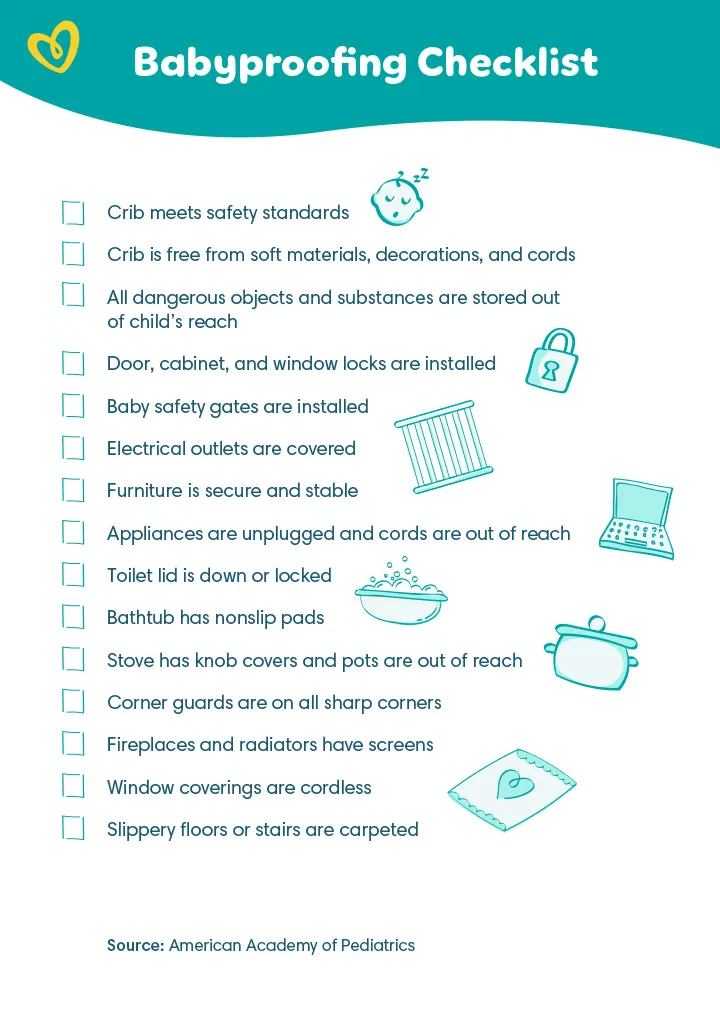
Regular Safety Checks
Keeping your car safe for children is very important. Regular checks help ensure everything works properly.
Always make sure to check the interior features of your car. It helps prevent accidents and keeps your child safe.
Inspecting Car Seats And Straps
Car seats need to be checked often. Look for any signs of wear and tear.
Straps must be secure and tight. Loose straps can be dangerous in case of a sudden stop.
- Check for loose stitching
- Ensure buckles click properly
- Adjust straps to fit your child
Testing Locks And Alarms
Locks and alarms protect children from opening doors accidentally. Test these features regularly.
Make sure doors lock securely. Alarms should alert you when doors are opened unexpectedly.
- Test door locks while parked
- Check alarm sound and volume
- Ensure child lock is activated
Reviewing Safety Measures Periodically
Review safety measures at regular intervals. This helps catch any issues early.
Set reminders to check your car’s safety features. This ensures a safe ride for your child every time.
- Schedule monthly safety checks
- Update safety features as needed
- Educate family members on child safety
Credit: www.pampers.com
Frequently Asked Questions
How Do I Childproof Car Interiors Effectively?
Start by securing loose items and covering sharp edges. Use seatbelt locks and window guards. Keep choking hazards out of reach. Regularly inspect the car for potential dangers. These steps create a safer environment for children inside the car.
What Materials Are Safe For Car Childproofing?
Use soft, non-toxic materials like foam padding and silicone covers. Avoid hard plastics that can break or have sharp edges. Choose products tested for safety standards. These materials help protect children from injuries during car rides.
How Can I Prevent Children From Opening Car Doors?
Install childproof door locks or covers to restrict access. Teach children about car safety rules consistently. Use power window locks to avoid accidental window operation. These methods help keep children secure inside the vehicle.
Are There Diy Car Seat Safety Checks I Can Do?
Yes, ensure the car seat is properly installed and tight. Check harness straps for correct fitting and condition. Verify the seat is suitable for your child’s age and weight. Performing these checks enhances child safety during travel.
Conclusion
Childproofing your car keeps kids safe and gives peace of mind. Small changes make a big difference inside your vehicle. Use simple tools and follow easy steps for best results. Check your work often to keep safety high. Enjoy stress-free trips knowing your car is secure.
Safety starts with you and your careful choices. Keep learning and updating as your child grows. A safe car means happy, worry-free journeys for all.







