
Is your car’s radiator acting up? A leak can cause serious damage if you don’t catch it early.
But how do you find a radiator leak before it turns into a costly repair? You might think it’s complicated, but with the right tools, you can spot leaks quickly and easily. In this guide, you’ll learn simple, effective ways to check your radiator using tools you can trust.
Keep reading, and you’ll save time, money, and a lot of stress by catching problems before they get worse.
Signs Of Radiator Leaks
Radiator leaks can cause serious problems in your car. It is important to spot the signs early. Checking with the right tools helps find leaks fast.
This guide covers common symptoms and how leaks affect your car’s performance. Knowing these signs can save you time and money.
Common Leak Symptoms
Radiator leaks show clear signs you can detect easily. Look for these symptoms on your car:
- Coolant puddles under the car
- Low coolant levels in the reservoir
- Overheating engine during drives
- Steam or smoke coming from the hood
- Sweet smell near the engine area
- Rust or discoloration around radiator parts
Impact On Car Performance
A leaking radiator affects your car’s cooling system. The engine may not get enough coolant, causing damage. Here is how leaks impact car parts and performance:
| Effect | Description |
| Engine Overheating | Coolant loss leads to high engine temperature. |
| Reduced Fuel Efficiency | Engine runs hotter, using more fuel. |
| Engine Damage | Prolonged heat can damage engine parts. |
| Warning Lights | Dashboard may show temperature or coolant alerts. |
| Loss of Cabin Heat | Heater may blow cold air due to low coolant. |

Credit: www.amazon.co.uk
Tools Needed For Leak Detection
Checking a radiator for leaks requires the right tools. These tools help you find leaks quickly and safely. Using proper equipment also prevents damage to your vehicle.
Below are some common tools you need for effective radiator leak detection. Each tool has a specific role in finding and confirming leaks.
Pressure Tester
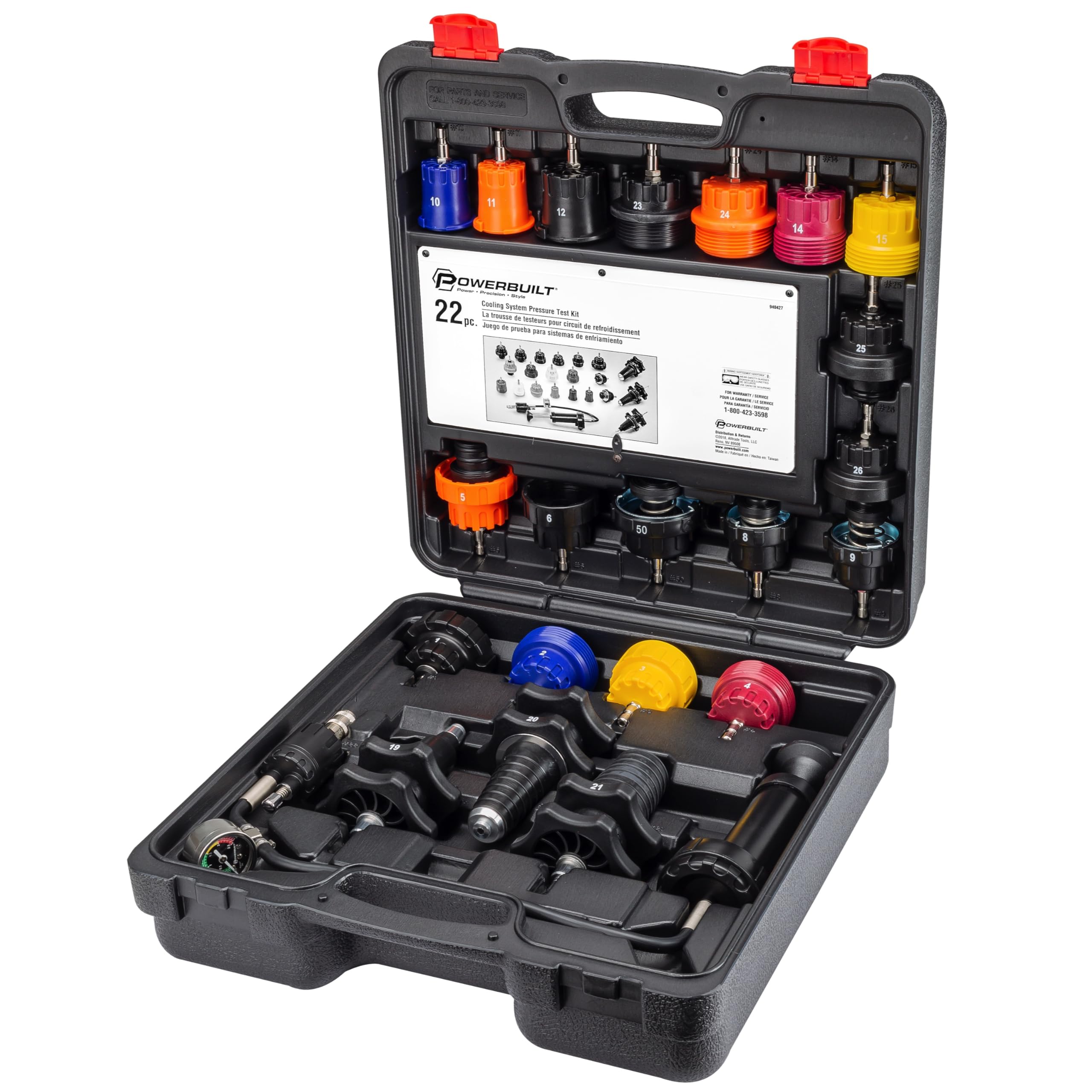
A pressure tester helps find leaks by applying pressure to the cooling system. It simulates engine conditions without running the car. This tool shows if the system holds pressure or loses it due to leaks.
- Connects to radiator or coolant reservoir
- Has a hand pump to increase pressure
- Includes a pressure gauge to monitor levels
- Leaks cause a drop in pressure reading
Uv Dye And Light
UV dye and light help spot leaks that are hard to see. You add the dye to the radiator fluid. After running the engine, use a UV light to find glowing dye where leaks appear.
| Item | Use |
| UV Dye | Added to coolant to trace leaks |
| UV Light | Illuminates dye to highlight leak spots |
| Protective Glasses | Protect eyes from UV light |
Visual Inspection Tools
Visual inspection tools help you check the radiator and hoses closely. Good lighting and magnification make it easier to find cracks or wet spots.
Common visual inspection tools include:
- Bright flashlight for clear view
- Magnifying glass to see small cracks
- Mirror to check hard-to-see areas
Preparing Your Car For Inspection
Checking your radiator for leaks requires a safe and careful setup. Preparing your car properly helps avoid accidents and makes the process easier.
Before you start, make sure you have the right tools and follow safety steps. This guide covers important points for inspection.
Safety Precautions
Always work on a cool engine to avoid burns. Radiator fluid is hot and can spray out if the system is pressurized.
- Park your car on a flat surface and turn off the engine.
- Let the engine cool down for at least 30 minutes.
- Wear protective gloves and safety glasses.
- Use wheel chocks to prevent the car from moving.
- Keep a fire extinguisher nearby in case of emergencies.
Cooling System Check
Inspect the cooling system before searching for leaks. This helps identify weak spots and prepares you for the test.
| Component | What to Check | Signs of Problem |
| Radiator Cap | Check for cracks and tight seal | Loose fit, damaged seal |
| Hoses | Look for cracks and leaks | Bulges, wet spots, cracks |
| Coolant Level | Ensure coolant is at proper level | Low coolant, dirty fluid |
| Thermostat | Check if it opens and closes correctly | Engine overheating or not warming up |
Using A Pressure Tester
A radiator leak can cause your car to overheat. Using a pressure tester helps find leaks fast. This tool checks for holes by applying pressure to the radiator system.
Pressure testers are easy to use with some basic steps. You can spot leaks without removing the radiator. Let’s learn how to use a pressure tester for this task.
Setting Up The Tester
First, make sure the engine is cool before starting. Remove the radiator cap carefully. Attach the pressure tester to the radiator neck where the cap was.
Check that the tester fits tightly. If it leaks air, it won’t work properly. Make sure all connections are secure for accurate pressure reading.
- Wait until engine is cool
- Remove the radiator cap slowly
- Attach the tester to the radiator neck
- Ensure a tight, leak-free seal
Applying Pressure
Use the tester’s pump to add pressure to the radiator system. Pump slowly and watch the gauge. The pressure should reach the level recommended for your car.
Hold the pressure steady for a few minutes. If the pressure drops, it means there may be a leak. Do not over-pressurize, as this can damage the system.
- Pump slowly to increase pressure
- Reach the correct pressure level
- Hold pressure steady for minutes
- Watch for any pressure drops
Identifying Leak Points
Look closely at the radiator and hoses for any signs of leaking fluid. Bubbles, wet spots, or drips show where leaks happen. Check areas near clamps and joints carefully.
You can also listen for hissing sounds, which may come from small leaks. Use a flashlight to see hard-to-reach places. Mark any leak spots to fix later.
- Check radiator surface for wet spots
- Inspect hoses and clamps closely
- Listen for hissing sounds
- Use a flashlight for dark areas
- Mark leaks for repair
Detecting Leaks With Uv Dye
Checking for radiator leaks is important for your car’s health. UV dye makes it easy to find leaks.
This guide will help you learn how to use UV dye and light to spot leaks in your radiator.
Adding Dye To Coolant
Start by adding UV dye to your car’s coolant. This helps to trace leaks effectively.
- Purchase UV dye from an auto parts store
- Locate the radiator cap and remove it carefully
- Pour the UV dye into the coolant reservoir
- Close the radiator cap tightly
Using Uv Light To Spot Leaks
After adding the dye, use a UV light to find leaks. The UV light makes the dye glow.
| Tool | Purpose |
| UV Dye | Highlights leaks |
| UV Light | Illuminates dye |
| Safety Glasses | Protects eyes |
Credit: www.amazon.ca
Visual Inspection Tips
Checking your radiator for leaks is easier with the right tools and a careful eye. Visual inspection helps spot problems early.
Look closely at all parts of the radiator system. Small signs can show where leaks start.
Checking Hoses And Connections
Hoses and connections carry coolant between the radiator and engine. Cracks or loose fittings can cause leaks.
- Look for cracks, bulges, or hard spots on hoses
- Check hose clamps to see if they are tight and rust-free
- Inspect connections for wet spots or white residue
- Feel hoses for soft areas that may break under pressure
- Ensure hoses are properly seated on their fittings
Examining Radiator Core
The radiator core cools the engine coolant. Damage here can cause leaks and overheating.
| Check Point | What to Look For |
| Fins | Bent, clogged, or damaged fins reduce airflow |
| Tubes | Wet spots or corrosion show leaks |
| Surface | Cracks or rust on the metal surface |
| Underneath | Coolant puddles or stains under the car |
Fixing Minor Radiator Leaks
Radiator leaks can cause your car to overheat. Fixing small leaks quickly saves time and money. You can use tools and products to check and repair minor leaks yourself.
Knowing when to try a temporary fix or visit a mechanic helps keep your car safe. This guide explains how to use sealants and when to get professional help.
Temporary Sealants
Temporary sealants stop small radiator leaks until you can make a full repair. They are easy to use and do not need special tools.
- Choose a sealant made for radiators and cooling systems.
- Make sure the engine is cool before adding the product.
- Pour the sealant into the radiator or coolant reservoir.
- Run the engine for a short time to spread the sealant inside.
- Check for leaks after using the sealant.
Sealants work best on small leaks and cracks. They do not fix large holes or damaged radiator parts. Use them only as a short-term solution.
When To Visit A Mechanic
Some radiator problems need a mechanic’s help. Here are signs that you should visit a professional:
| Problem | Reason to Visit Mechanic |
| Large Leak | Sealants cannot stop big holes |
| Radiator Damage | Parts may need replacement |
| Repeated Leaks | Underlying issues need diagnosis |
| Overheating | Could cause engine damage |
| Coolant Loss | May affect car performance |
Preventing Future Radiator Leaks
Radiator leaks can cause serious damage to your vehicle. Regular checks and maintenance are essential to prevent leaks. Using the right tools can help you identify issues early.
Learn how to maintain your radiator and ensure its longevity. Proper care can save you from costly repairs and keep your car running smoothly.
Regular Maintenance
Regular maintenance helps avoid radiator leaks. It ensures the system operates efficiently. Check your radiator for signs of wear and tear regularly.
Inspect hoses, clamps, and connections. Look for any cracks or loose parts. Tighten loose fittings to prevent leaks.
- Check radiator hoses for cracks
- Tighten loose clamps and fittings
- Inspect for rust or corrosion
Coolant Quality And Levels
Coolant quality is vital for radiator health. Use the recommended coolant type for your vehicle. Check coolant levels regularly to avoid overheating.
Flush the radiator system to remove old coolant. This prevents buildup and keeps the system clean. Monitor the coolant for any signs of contamination.
| Task | Frequency |
| Check coolant levels | Monthly |
| Flush radiator system | Every 2 years |
| Inspect for coolant leaks | Every oil change |

Credit: www.amazon.co.uk
Frequently Asked Questions
How Do I Detect A Radiator Leak With Tools?
Use a pressure tester to pressurize the radiator system. Observe for pressure drops or visible fluid leaks. UV dye and a black light can reveal small leaks effectively.
What Tools Are Best For Checking Radiator Leaks?
A radiator pressure tester, UV dye kit, and a black light are ideal. These tools help identify leaks accurately and quickly.
Can I Check Radiator Leaks Without Removing Parts?
Yes, pressure testers and UV dye kits allow leak detection without disassembly. They save time and avoid unnecessary part removal.
How Long Does It Take To Find A Radiator Leak?
Using proper tools, you can locate most leaks within 15 to 30 minutes. Time varies based on leak size and tool familiarity.
Conclusion
Checking radiator leaks with the right tools saves time and money. Small leaks can cause big problems if ignored. Use a pressure tester or UV dye for easy detection. Regular checks keep your car’s cooling system healthy. Catch leaks early to avoid costly repairs later.
Stay safe by doing this simple task often. Radiator care is part of good vehicle maintenance. Keep tools ready and inspect your radiator regularly. Your car will run smoother and last longer. Simple steps make a big difference in car care.







