
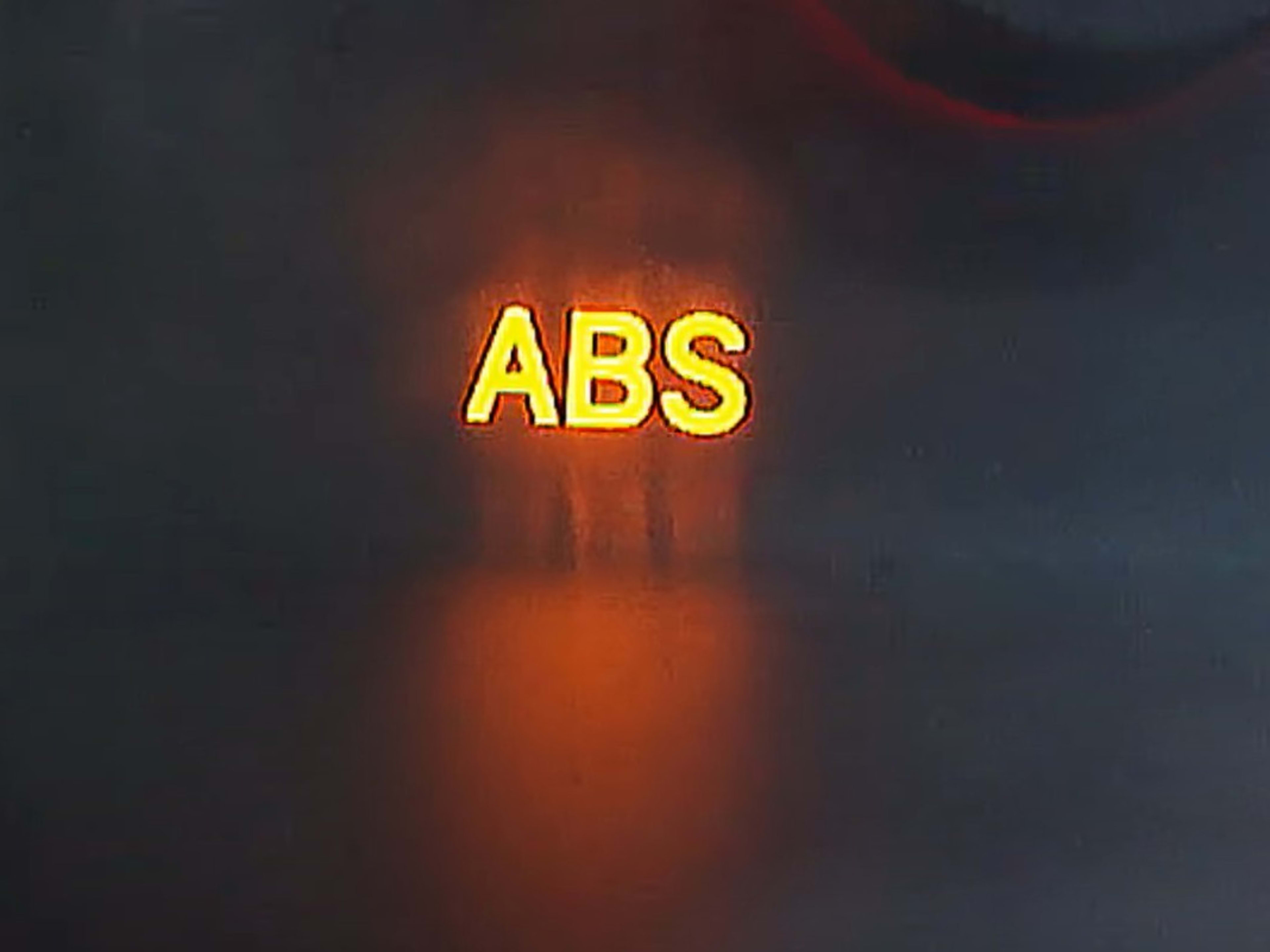
Have you ever noticed the ABS light on in your car’s dashboard and wondered what it means? That little warning can cause a lot of stress, especially if you’re not sure whether it’s safe to keep driving.
Understanding why the ABS light turns on and what you should do about it can save you from unexpected repairs and keep you safe on the road. You’ll discover the common reasons behind the ABS light, how it affects your car’s braking system, and the simple steps you can take to fix the issue before it becomes a bigger problem.
Keep reading to take control of your car’s safety and avoid costly surprises.
Why Abs Light Turns On
The ABS light on your car dashboard shows when there is a problem with the anti-lock braking system. This system helps keep your car stable while braking.
Understanding why the ABS light turns on can help you know when to check your car or see a mechanic.
Common Causes
The ABS light can come on for different reasons. Some causes are simple, while others need expert help.
- Faulty wheel sensors
- Hydraulic system leaks
- Electrical wiring problems
- Blown fuses or bad connections
Sensor Issues
Wheel speed sensors tell the ABS system how fast each wheel is turning. Dirt, damage, or misalignment can cause sensor failure.
- Sensor wires can break or corrode.
- Sensors may get dirty from road debris.
- Magnetic sensors might lose strength over time.
- Incorrect sensor installation can cause errors.
Hydraulic Problems
The ABS uses a hydraulic system to control brake pressure. Issues here can trigger the ABS light.
| Problem | Effect |
| Brake fluid leak | Loss of pressure, reduced braking |
| Faulty ABS pump | Inability to modulate brake pressure |
| Damaged valves | Incorrect brake force distribution |
Electrical Faults
Electrical problems can stop the ABS system from working. These faults often turn on the ABS light.
Common electrical issues include:
- Blown fuses that cut power to the ABS module
- Bad wiring connections causing signal loss
- Faulty ABS control module
- Corrosion on connectors or terminals

Credit: timsquality.com
Risks Of Ignoring Abs Light
The ABS light on your car’s dashboard shows if there is a problem with the anti-lock braking system. This system helps keep control when braking hard. Ignoring this light can lead to serious safety issues on the road.
Driving without a working ABS can cause your brakes to act differently. It is important to understand the risks of ignoring the ABS light to stay safe.
Reduced Braking Efficiency
The ABS helps stop your car quickly and safely. If the ABS light is on, the system may not work right. This can make braking slower or less effective.
Without ABS, your brakes might not stop the car as well in slippery or emergency situations. This reduces your ability to avoid danger on the road.
Increased Accident Risk
When the ABS light stays on, it means your car may lose stability during braking. This can cause you to skid or lose control. The chance of accidents rises without a working ABS.
Drivers may not be able to steer away from danger while braking hard. This lack of control increases the risk of crashes, especially on wet or icy roads.
Potential For Wheel Lockup
ABS prevents the wheels from locking during sudden stops. If the ABS light is on, your wheels could lock up. Locked wheels make the car slide uncontrollably.
Wheel lockup can cause loss of steering power. This makes it hard to avoid obstacles and can lead to serious accidents.
- Locked wheels reduce tire grip on the road
- Sliding increases stopping distance
- Steering becomes difficult or impossible
Quick Checks At Home
The ABS light in your car can signal an issue with the braking system. You can do some quick checks at home to spot simple problems.
These checks do not need special tools. They help you decide if you should visit a mechanic soon.
Inspecting Wheel Sensors
Wheel sensors send signals to the ABS system to monitor wheel speed. Dirt or damage can cause the ABS light to turn on.
- Look for dirt or mud on each wheel sensor.
- Clean sensors gently with a soft cloth.
- Check if sensor wires are loose or broken.
- Make sure sensors are firmly attached near the wheels.
Checking Brake Fluid Level
Brake fluid helps the braking system work smoothly. Low fluid can cause the ABS light to come on.
| Check Point | What to Look For |
| Brake fluid reservoir | Fluid level between “MIN” and “MAX” |
| Brake fluid color | Clear or light yellow is good; dark means replace |
| Cap seal | Intact and clean, no leaks |
Examining Fuses And Wiring
Fuses and wires connect ABS parts to your car’s electrical system. Faults here can light the ABS warning.
Check these points carefully:
- Locate the fuse box using your car manual.
- Find the fuse linked to the ABS system.
- Inspect the fuse for breaks or burn marks.
- Look for loose or damaged wiring near the ABS control module.
- Secure any loose wires and replace broken fuses.
Credit: axleaddict.com
Simple Diy Fixes
The ABS light in your car can turn on for many reasons. Some issues are easy to fix yourself. This guide covers simple ways to try before you visit a mechanic.
These fixes focus on cleaning, fluid checks, and resetting the system. Each method can help you solve the ABS light problem quickly.
Cleaning Sensors
ABS sensors can get dirty from dust and road grime. Cleaning them may turn off the ABS light.
- Locate the ABS sensors near the wheels.
- Use a soft brush to remove dirt and debris.
- Wipe the sensors gently with a clean cloth.
- Check the wiring for any visible damage.
Replacing Brake Fluid
Old or low brake fluid can trigger the ABS warning. Changing the fluid keeps the system working well.
| Item | What to Do |
| Brake Fluid Level | Check and fill if low |
| Brake Fluid Quality | Replace if dark or dirty |
| Tools Needed | Brake fluid, wrench, container |
| Safety Tip | Wear gloves and eye protection |
Resetting The Abs Light
Sometimes the ABS light stays on after fixing the problem. Resetting the system can clear the warning.
- Turn the car off and then on again.
- Disconnect the car battery for 10 minutes.
- Reconnect the battery and start the car.
- Use an OBD-II scanner to clear ABS codes if available.
When To See A Mechanic
The ABS light in your car shows a problem with the anti-lock brake system. It is important to know when to visit a mechanic for safety.
Ignoring the ABS light can lead to brake issues. Watch for signs that need professional attention.
Persistent Warning Light
If the ABS light stays on after starting your car, it means the system has a fault. This is not normal and needs checking.
Do not delay seeing a mechanic if the light does not go off. It could affect your braking safety.
Strange Brake Behavior
Notice if your brakes feel different. This includes strange noises, longer stopping distance, or a pulsing brake pedal.
Such changes can mean the ABS system is not working right. Visit a mechanic quickly for a brake check.
- Brake pedal feels soft or hard
- Brake noises like grinding or squealing
- Car pulls to one side when braking
Abs System Diagnostics
A mechanic uses special tools to read ABS error codes. These codes help find the exact problem in the system.
Diagnostic tests check sensors, wiring, and the ABS control unit. This ensures the system is safe and works well.
- Scan ABS control module for error codes
- Inspect wheel speed sensors
- Test wiring and connections
- Check brake fluid and system pressure
Preventive Tips
Keeping your car’s ABS light off is important for safety. Regular care can prevent issues with the braking system.
Here are some tips to help maintain your car’s ABS system. These simple steps can keep your brakes in good shape.
Regular Brake Maintenance
Regular brake checks are essential for your car’s safety. They help catch small problems before they become big issues.
Make sure to inspect brake pads and rotors often. This can avoid unnecessary wear and tear on your braking system.
- Check brake pads every 12,000 miles
- Replace worn out parts immediately
- Have a professional inspect brakes annually
Monitoring Fluid Levels
Brake fluid is crucial for your car’s braking performance. Always keep an eye on the fluid levels in your vehicle.
If fluid is low, it can affect brake efficiency. Regular checks can help you maintain the right fluid levels.
| Check fluid levels monthly |
| Top up with recommended brake fluid |
| Look for leaks around the brake lines |
Safe Driving Habits
Driving habits have a big impact on your car’s brakes. Safe driving can extend the life of your braking system.
Avoid sudden stops and aggressive driving. This can help reduce strain on your car’s brakes and keep the ABS light off.
- Maintain a safe distance from other cars
- Brake gently and gradually
- Drive at a steady speed

Credit: gentryautomotiverepairs.com
Frequently Asked Questions
What Does Abs Light On In Car Mean?
The ABS light indicates an issue with the Anti-lock Braking System. It may affect braking safety. The system might be disabled until fixed.
Is It Safe To Drive With Abs Light On?
Driving is possible but less safe. The ABS may not prevent wheel lock during braking. Get the system inspected promptly.
What Causes Abs Light To Turn On?
Common causes include faulty wheel sensors, low brake fluid, or damaged ABS modules. A diagnostic scan can identify the exact issue.
How Can I Reset The Abs Light?
Resetting requires fixing the underlying problem first. After repairs, a scan tool or disconnecting the battery briefly can clear the light.
Conclusion
The ABS light on your car means the braking system needs attention. Drive carefully and check the brakes soon. Ignoring the light can cause bigger problems later. A quick visit to a mechanic keeps you safe on the road. Taking action early saves money and stress.
Stay aware and maintain your car regularly. Safety matters most when driving every day. Keep the ABS system working for smooth, controlled stops. Don’t delay—fix the issue and drive with confidence.







