
Have you ever tried changing a spark plug and found yourself struggling with the wrong tools? If you want the job done right and without frustration, understanding what a spark plug socket is can make all the difference.
This simple yet essential tool is designed to fit spark plugs perfectly, saving you time and effort. Keep reading, and you’ll discover why this little tool should be in your toolbox, how it works, and how it can make your car maintenance much easier.
Don’t miss out on mastering this key part of your vehicle care!

Credit: www.canadiantire.ca
Spark Plug Socket Basics
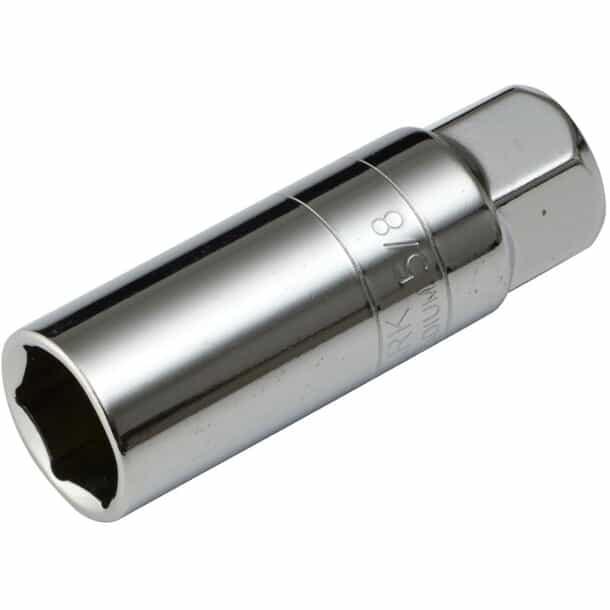
A spark plug socket is a special tool used to remove or install spark plugs in engines. It helps protect the spark plug from damage during removal or installation.
Spark plug sockets fit over the spark plug and allow a wrench to turn it. They come in different designs and sizes for various engine types.
Purpose And Design
The main purpose of a spark plug socket is to grip the spark plug securely. This prevents the plug from slipping or breaking while being removed or installed.
Spark plug sockets usually have a rubber insert or foam inside. This holds the plug firmly and protects it from scratches or cracks.
- Holds spark plug tightly
- Prevents damage to the plug
- Fits into hard-to-reach places
- Works with a ratchet or wrench
Materials Used
Spark plug sockets are made from strong materials to handle torque and pressure. Common materials include chrome vanadium steel and chrome molybdenum steel.
These materials resist rust and wear. The rubber or foam insert inside is soft but durable to protect the spark plug.
- Chrome vanadium steel for strength
- Chrome molybdenum steel for durability
- Rubber or foam insert for grip and protection
Common Sizes
Spark plug sockets come in different sizes to fit various spark plugs. The most common sizes are 5/8 inch and 13/16 inch.
Some sockets have a deep design to reach plugs in tight spaces. It is important to choose the right size to avoid damaging the plug or socket.
- 5/8 inch (16 mm) – most common
- 13/16 inch (21 mm) – for larger plugs
- 3/4 inch (19 mm) – less common size
- Deep sockets for hard-to-reach plugs

Credit: www.amazon.ca
Types Of Spark Plug Sockets
Spark plug sockets help remove and install spark plugs in engines. They come in different types for various needs. Choosing the right socket makes the job easier and safer.
Each type of spark plug socket has a unique design. They fit different spark plug sizes and work in tight engine spaces.
Standard Sockets
Standard spark plug sockets are simple and common. They usually have a rubber insert to hold the spark plug tightly.
These sockets come in various sizes like 5/8 inch and 13/16 inch. They fit most spark plugs and are good for general use.
- Made of chrome vanadium steel for durability
- Rubber or foam insert to protect the plug
- Works well on straight spark plugs
Magnetic Sockets
Magnetic spark plug sockets use a magnet inside to hold the spark plug. This helps prevent dropping the plug during removal or installation.
They are handy in tight or hard-to-see areas. The magnet keeps the plug steady and makes the job faster.
- Strong magnet holds the spark plug firmly
- Reduces risk of spark plug damage
- Useful in cramped engine spaces
Swivel Sockets
Swivel spark plug sockets have a joint that bends during use. This helps reach spark plugs in angled or tight spots.
The swivel joint allows the socket to turn even if the handle is at an angle. This makes removing plugs easier in tricky engine layouts.
- Flexible joint for angled access
- Good for tight engine compartments
- Works with ratchets and extension bars
Choosing The Right Socket
A spark plug socket helps you remove and install spark plugs safely. Choosing the right socket makes your work easier and protects the spark plug.
Different engines and spark plugs need different sockets. Picking the correct one ensures a good fit and avoids damage.
Matching Socket To Spark Plug
Sockets come in sizes that match spark plugs. Use the right size to avoid slipping or breaking the plug.
- Check the spark plug size before buying a socket
- Most sockets fit either 5/8 inch or 13/16 inch plugs
- Use a socket with a rubber insert to hold the plug safely
Considerations For Different Engines
Small engines need smaller sockets, while large engines need bigger ones. Some engines require deep sockets to reach the plugs.
Look at the engine type and space around the spark plug. This helps you pick the right socket length and size.
- Use deep sockets for recessed spark plugs
- Shallow sockets work for plugs that are easy to reach
- Consider the engine design before choosing your socket
Durability And Build Quality
Choose sockets made from strong materials like chrome vanadium steel. These last longer and resist wear.
Good sockets have a smooth finish to prevent rust. They also hold the spark plug firmly without damage.
- Look for corrosion-resistant coatings
- Check for solid, thick walls on the socket
- Pick sockets with rubber or foam inserts for grip
Essential Tools For Spark Plug Maintenance
Maintaining spark plugs is vital for engine performance. The right tools make this task easier and more effective. Here are the essential tools you need for spark plug maintenance.
Ratchets And Extensions
Ratchets and extensions help you reach spark plugs located in tight spaces. They provide the leverage needed for loosening and tightening spark plugs securely.
Torque Wrenches
Torque wrenches ensure that spark plugs are tightened to the correct specifications. Over-tightening can damage spark plugs or the engine.
- Set the torque wrench to the manufacturer’s recommended setting.
- Use the wrench to apply even pressure.
- Check the torque setting regularly.
Gap Gauges
Gap gauges measure the distance between the electrodes on a spark plug. Proper gap size ensures efficient combustion in the engine.
| Engine Type | Recommended Gap Size |
| Small Car | 0.028-0.031 inches |
| Truck | 0.035-0.040 inches |
| Motorcycle | 0.024-0.028 inches |
Tips For Using Spark Plug Sockets
Using spark plug sockets correctly ensures your car runs smoothly. The right technique protects your spark plugs and engine.
Learn how to install, avoid damage, and maintain your spark plug sockets effectively.
Proper Installation Techniques
Proper installation of spark plug sockets is crucial. It ensures a secure and effective connection.
Always use the correct size socket to avoid slipping. A snug fit is essential.
- Check the socket size before installation
- Use a torque wrench for precision
- Install at the recommended torque settings
Avoiding Damage To Spark Plugs
Damage to spark plugs can affect engine performance. Avoid forceful handling during installation.
Ensure the spark plug socket is clean and free of debris. This prevents scratches and damage.
- Handle spark plugs gently
- Keep the socket clean and dry
- Use a rubber insert to protect the plug
Cleaning And Storage
Regular cleaning of spark plug sockets extends their lifespan. It also ensures optimal performance.
Store sockets in a dry place to prevent rust. Use a socket organizer for easy access.
- Clean sockets after every use
- Dry thoroughly before storing
- Use a labeled organizer for storage
Credit: www.homehardware.ca
Troubleshooting Common Issues
Spark plug sockets help remove and install spark plugs safely. Sometimes issues happen during use. Knowing how to fix these problems saves time and damage.
This guide covers common spark plug socket problems. Learn to handle stuck spark plugs, spot socket wear, and fix cross-threading.
Dealing With Stuck Spark Plugs
Stuck spark plugs can be hard to remove. Rust, dirt, or tight threads cause them to stick. Use gentle force to avoid breaking the plug.
Apply penetrating oil around the spark plug. Let it sit for 10 to 15 minutes. Use a spark plug socket with a long handle for better grip.
- Use penetrating oil to loosen rust
- Turn the socket slowly and gently
- Do not force the socket too hard
- Try heating the area if needed
Identifying Socket Wear
Socket wear happens from repeated use. Worn sockets may not hold spark plugs tightly. This causes slipping or damage.
Check the inside of the socket for rounded edges or cracks. Replace sockets that show these signs to protect spark plugs and tools.
- Look for rounded or worn edges inside the socket
- Check for cracks or dents on the socket
- Replace damaged sockets immediately
- Use good quality sockets to last longer
Handling Cross-threading
Cross-threading happens when spark plugs are inserted at the wrong angle. This damages threads on plugs or engine parts. Fixing cross-threading early is important.
Always start threading spark plugs by hand. Turn the plug slowly to feel the threads catch properly. Avoid forcing the plug if it feels tight.
- Begin threading spark plugs by hand
- Turn slowly to ensure proper fit
- Stop if you feel resistance or tightness
- Use a thread chaser tool if threads are damaged
Maintenance And Replacement
A spark plug socket is a special tool to remove and install spark plugs in engines. It fits over the spark plug and helps avoid damage during work.
Keeping the spark plug socket in good shape is important for easy engine maintenance and safe replacement. This guide explains when to replace your socket and how to keep it working well.
When To Replace Sockets
Replace a spark plug socket if it shows signs of wear or damage. Using a broken socket can harm the spark plug or engine parts.
Look for cracks, bends, or worn edges on the socket. If it no longer fits snugly on spark plugs, it needs replacement.
- Cracks or breaks in the socket body
- Worn or rounded edges that lose grip
- Socket size no longer fits spark plugs
- Damaged rubber insert or magnet inside socket
- Rust or corrosion affecting strength
Maintaining Socket Performance
Cleaning your spark plug socket after each use keeps it in good shape. Dirt and grease can reduce its grip and cause damage over time.
Store the socket in a dry place to avoid rust. Check the rubber or magnet insert regularly to make sure it holds spark plugs firmly.
- Wipe the socket clean after every use
- Apply light oil to prevent rust
- Keep it in a toolbox or dry storage
- Inspect inserts for wear and replace if needed
- Avoid dropping or banging the socket
Frequently Asked Questions
What Is A Spark Plug Socket Used For?
A spark plug socket is designed to fit spark plugs securely. It helps remove and install spark plugs without damage. The socket often includes rubber or foam inserts to hold the plug firmly during work.
How Is A Spark Plug Socket Different?
Spark plug sockets have a deeper design than regular sockets. They include a rubber insert or magnet for gripping plugs. This prevents spark plug damage and makes installation or removal easier and safer.
What Sizes Do Spark Plug Sockets Come In?
Common spark plug socket sizes include 5/8 inch and 13/16 inch. These fit most standard automotive spark plugs. Always check your vehicle’s spark plug size before choosing a socket.
Can I Use A Regular Socket For Spark Plugs?
Using a regular socket risks damaging the spark plug. Spark plug sockets protect the porcelain and electrode during removal. It is best to use the correct spark plug socket for safety.
Conclusion
A spark plug socket helps remove and install spark plugs easily. It fits snugly around the plug, preventing damage. Using the right socket saves time and effort. It also keeps your engine parts safe. Everyone working on cars should have one in their toolkit.
Understanding its use makes car maintenance simpler and safer. Spark plug sockets are small but very useful tools. Keep it handy for quick and smooth repairs.







