
Have you ever noticed an exclamation mark glowing on your car’s dashboard and felt a sudden jolt of worry? That small symbol is trying to tell you something important about your vehicle’s health.
Ignoring it could lead to bigger problems or costly repairs down the road. You’ll discover exactly what the exclamation mark car light means, why it appears, and what you should do the moment it lights up. Knowing this could save you time, money, and keep you safe on the road.
Keep reading to take control of your car’s warning signals before they turn into emergencies.
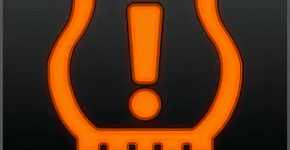
Credit: www.topspeed.com
Exclamation Mark Light Basics
The exclamation mark light in a car is a warning symbol. It alerts drivers about potential issues with the vehicle.
This light can appear on the dashboard in different colors, usually red or yellow. Each color shows the urgency of the problem.
Common Meanings
The exclamation mark light can mean various things. It often shows a problem with the brakes or tire pressure.
Sometimes, it indicates a general warning that needs attention soon. The exact meaning depends on your car model.
- Brake system warning
- Tire pressure alert
- General fault warning
- Traction control issue
Types Of Warning Lights
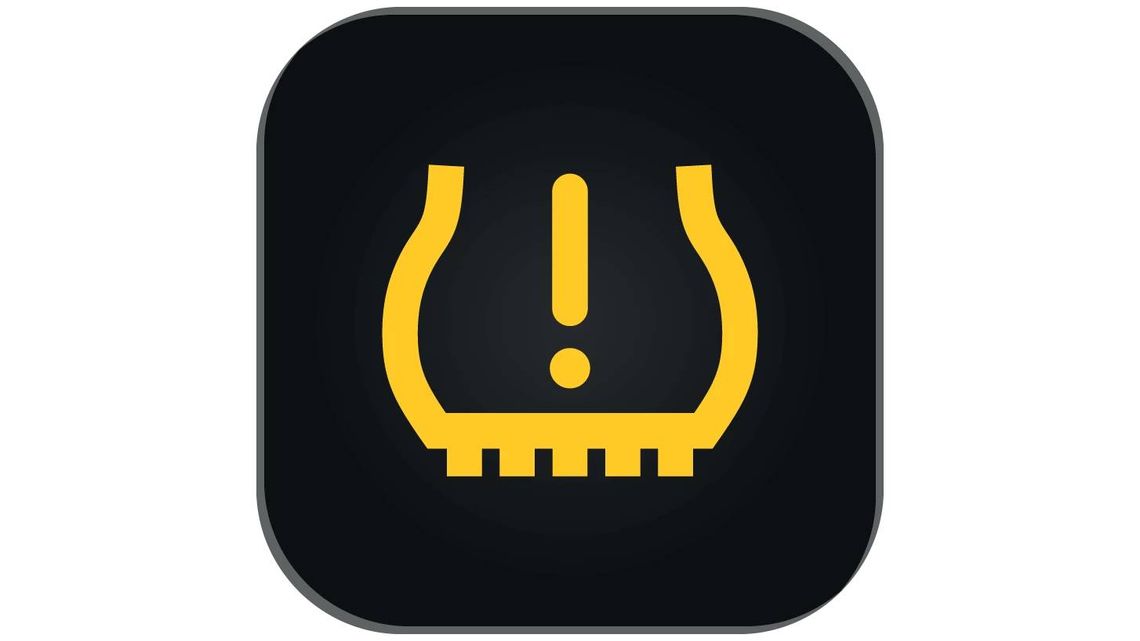
Exclamation mark lights come in different types. Some are part of the brake system, and others relate to tires or traction.
The light can also show if the parking brake is on or if there is a problem with the electronic stability control.
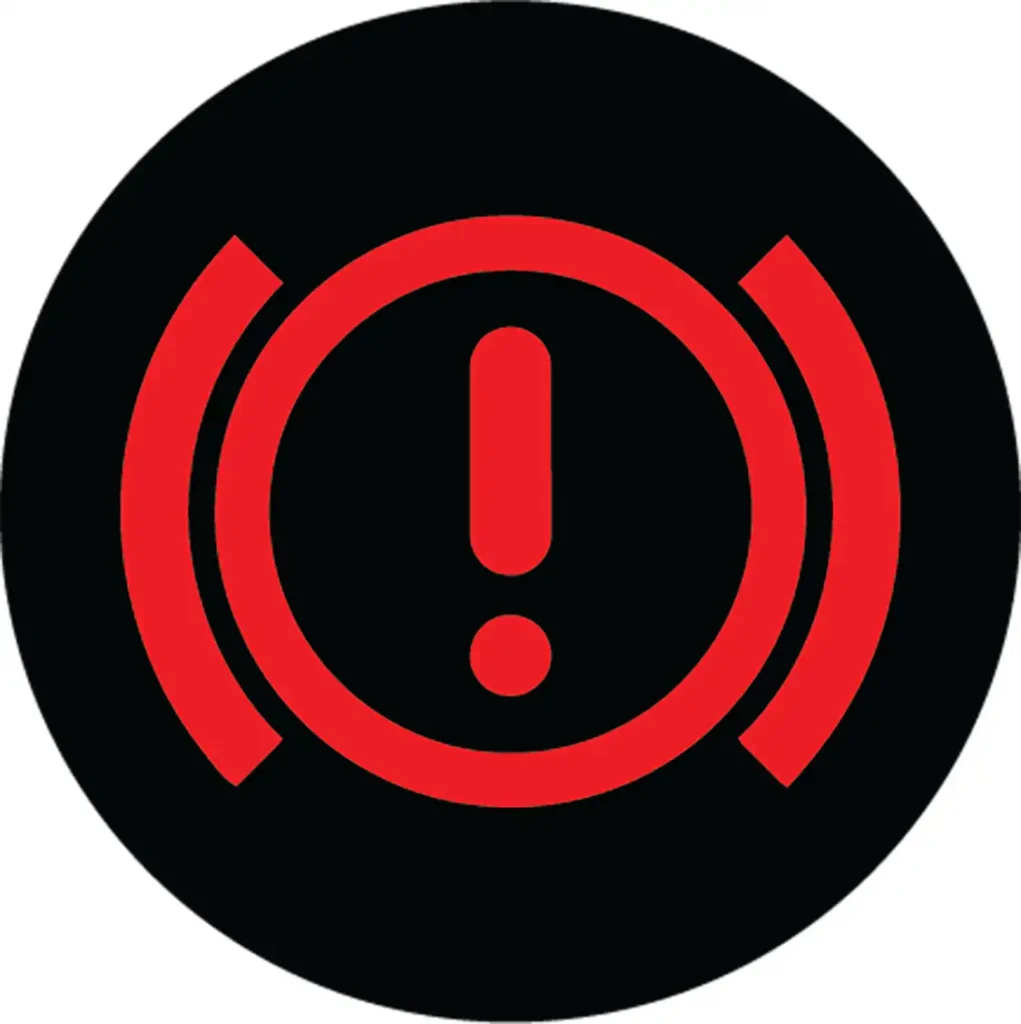
- Brake system warning light
- Tire pressure monitoring system (TPMS) light
- Traction control warning light
- Parking brake indicator
- Electronic stability control (ESC) alert
Credit: www.bfgoodrichtires.com
Reasons For The Warning
The exclamation mark car light is a warning sign on your dashboard. It alerts you to possible problems with your vehicle.
This warning can mean different things. It helps you know when to check your car or see a mechanic.
Brake System Issues
This light may come on if there is a brake problem. It could mean low brake fluid or worn brake pads.
It can also indicate a problem with the brake system sensors or the parking brake is on.
- Low brake fluid level
- Worn brake pads
- Parking brake engaged
- Faulty brake sensors
Tire Pressure Alerts
The exclamation mark may warn about tire pressure. Low or uneven tire pressure can cause this light to appear.
Proper tire pressure is important for safety and fuel efficiency. Check your tires regularly to avoid this warning.
- Low tire pressure detected
- Uneven tire pressure among tires
- Faulty tire pressure monitoring system (TPMS)
Other Potential Causes
Sometimes the warning light appears for other reasons. It might mean an electrical issue or a sensor error.
Check your owner’s manual or get a diagnostic test if the light stays on without clear cause.
- Electrical system problems
- Sensor malfunctions
- Issues with the car’s computer system
- Loose or damaged wiring
Immediate Actions To Take
The exclamation mark car light signals a problem that needs quick attention. It often relates to tire pressure or brake issues.
Ignoring this warning can lead to unsafe driving conditions. Follow these steps right away to stay safe.
Checking Tire Pressure
Low tire pressure is a common cause of the exclamation mark light. Check your tires using a pressure gauge.
Compare the reading with the recommended pressure on your car’s door sticker or manual. Inflate any low tires to the correct level.
- Use a reliable tire pressure gauge
- Check all four tires, including the spare
- Inflate tires at a gas station or with a home pump
- Recheck the light after adjusting pressure
Inspecting Brake Fluid
The brake fluid level affects your car’s braking system. Low fluid can trigger the warning light.
Open the hood and locate the brake fluid reservoir. Check the fluid level against the marked indicators on the container.
- Only use the fluid type specified in your car manual
- Do not overfill the reservoir
- Look for leaks or damaged brake lines
- Seek professional help if fluid is very low or dirty
When To Stop Driving
Keep driving only if the car feels safe. Stop immediately if you notice any brake issues or tire damage.
If the exclamation mark light stays on after checks, pull over safely. Call for roadside assistance or a mechanic.
- Stop if the brakes feel weak or spongy
- Stop if tires look flat or damaged
- Do not ignore the warning light for long
- Use hazard lights when stopping on the road
Credit: www.streettrucksmag.com
Fixing The Issue Quickly
The exclamation mark car light often signals a problem with your vehicle’s tire pressure or brake system. Fixing the issue fast keeps you safe on the road and prevents bigger repairs.
Follow these simple steps to check and solve the problem yourself before visiting a mechanic.
Using A Tire Pressure Gauge
Low tire pressure is a common cause of the exclamation mark light. Use a tire pressure gauge to check each tire’s pressure.
- Remove the valve cap from the tire.
- Press the gauge onto the valve stem firmly.
- Read the pressure on the gauge.
- Compare it to the recommended pressure in your car manual.
- Add air if the pressure is too low.
Refilling Brake Fluid
Brake fluid may be low, causing the warning light to appear. Check the brake fluid reservoir under the hood.
| Brake Fluid Level | Action Needed |
| Full | No refill required |
| Low | Add brake fluid until full |
| Empty | Check for leaks and refill immediately |
Always use the correct brake fluid type listed in your car manual.
Resetting The Warning Light
After fixing tire pressure or brake fluid, reset the warning light to clear the alert.
- Turn the ignition to the “on” position without starting the engine.
- Press and hold the brake pedal.
- Press the reset button on the dashboard or use the car’s menu to reset tire pressure monitoring.
- Release the brake and turn off the ignition.
- Start the car and check if the warning light is off.
Preventive Maintenance Tips
The exclamation mark car light signals a problem in your vehicle. It helps you avoid bigger issues. Keeping your car well-maintained stops this light from coming on.
Simple checks and care can keep your car safe and running well. Follow these tips to prevent problems and save money.
Regular Tire Checks
Tires affect your car’s safety and performance. Check tire pressure often to keep it at the right level. Low or high pressure can trigger the warning light.
Look for tire damage like cuts or worn tread. Replace tires if they are too old or unsafe. Good tires help your car stop and turn better.
- Check tire pressure monthly with a gauge
- Inspect tires for cracks or bald spots
- Rotate tires every 6,000 miles for even wear
- Replace tires older than 6 years
Brake System Maintenance
The brake system is vital for your safety. Problems here often cause the exclamation mark light to come on. Keep brakes clean and check brake fluid regularly.
Listen for strange noises when braking. If brakes feel soft or slow to respond, get them checked. Proper brake care stops bigger repairs.
- Check brake fluid levels every month
- Have brake pads inspected every 12,000 miles
- Replace worn brake pads promptly
- Keep brake parts clean and free of rust
Dashboard Light Monitoring
Your dashboard lights give quick alerts about your car’s health. The exclamation mark light means something needs attention. Check dashboard lights every time you start your car.
Do not ignore warning lights. If the exclamation mark stays on, find the problem soon. Early action avoids costly repairs or breakdowns.
- Watch for flashing or steady exclamation mark lights
- Read your owner’s manual to understand warnings
- Use a scanner tool to check error codes
- Visit a mechanic if unsure about the warning
When To See A Mechanic
The exclamation mark car light is a warning signal. It tells you something might be wrong with your vehicle. Knowing when to see a mechanic can save you time and money.
Pay attention to the warning light and other signs. This will help you decide if you need professional help.
Persistent Warning Light
If the exclamation mark light stays on, it needs attention. A persistent light means your car’s system has detected a problem.
Ignoring it might lead to bigger issues later. It is wise to visit a mechanic soon.
- Light remains on after starting the car
- Light turns on frequently
- Other dashboard warnings also appear
Unusual Noises Or Feelings
Strange noises or vibrations are signs of trouble. They often appear with the warning light.
These can signal mechanical problems. Visit a mechanic if you hear or feel anything odd.
- Grinding or squealing sounds
- Shaking or vibrating steering wheel
- Sudden changes in car performance
Professional Diagnostics
A mechanic can use professional tools to find issues. They use diagnostic machines to read error codes.
This helps them understand the exact problem. It ensures your car gets the right repair.
| Diagnostic Tool | Purpose |
| OBD Scanner | Reads error codes |
| Multimeter | Checks electrical systems |
| Fuel Pressure Gauge | Tests fuel system |
Frequently Asked Questions
What Does The Exclamation Mark Car Light Mean?
The exclamation mark car light signals a general warning. It often indicates issues with tire pressure, brake system, or stability control. Check your car manual to identify the exact problem. Prompt attention ensures safety and prevents further damage.
Why Is My Exclamation Mark Light Blinking?
A blinking exclamation mark light usually means a critical fault. It requires immediate attention to avoid safety risks. Common causes include brake system failure or electronic stability control issues. Stop driving and have your vehicle inspected by a professional.
How To Reset The Exclamation Mark Warning Light?
Resetting the exclamation mark warning light depends on the cause. For tire pressure issues, adjust and reset via the car’s menu. For other problems, professional diagnostics may be required. Always fix the underlying issue before resetting the light.
Is It Safe To Drive With The Exclamation Mark Light On?
Driving with the exclamation mark light on can be risky. It warns of potential safety or mechanical issues. If the light is steady, drive cautiously and get a checkup soon. If blinking, stop immediately and seek professional help.
Conclusion
The exclamation mark car light signals important warnings. It helps keep drivers safe on the road. Pay attention to this light to avoid bigger problems. Regular car checks can prevent unexpected issues. Stay alert and act quickly if the light appears.
Understanding this symbol protects you and your vehicle. Driving with care makes every trip safer. Keep your car in good shape for peace of mind.







