
Keeping your car in good shape doesn’t have to be complicated. If you’re new to car maintenance, knowing where to start can feel overwhelming.
But what if you had a simple checklist that guides you step-by-step? This checklist will help you save money, avoid unexpected breakdowns, and keep your car running smoothly. Ready to take control of your car’s health? Keep reading to discover easy and practical tips you can use right now.
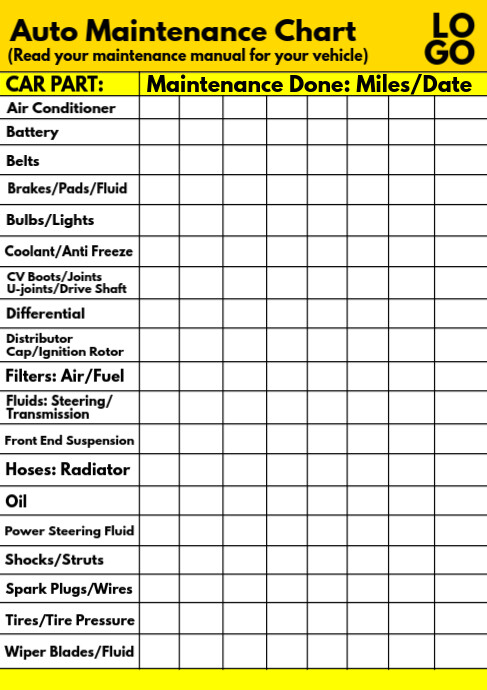
Credit: www.postermywall.com
Basic Car Care
Taking care of your car helps it run smoothly and lasts longer. Basic checks keep your vehicle safe on the road.
Learning simple maintenance steps saves money and avoids breakdowns. Start with easy tasks anyone can do.
Check Engine Oil
Engine oil keeps your car’s engine parts moving without friction. Low or dirty oil can cause damage.
- Park your car on level ground and turn off the engine.
- Wait a few minutes for the oil to settle.
- Pull out the dipstick, wipe it clean, and reinsert it fully.
- Pull out the dipstick again and check the oil level.
- Oil should be between the low and high marks.
- If low, add the correct type of oil slowly.
Inspect Tire Pressure
Proper tire pressure improves fuel efficiency and tire life. Check pressure monthly or before long trips.
| Tire | Recommended PSI |
| Front Tires | 32 psi |
| Rear Tires | 30 psi |
Examine Brake Fluid
Brake fluid helps your brakes work well. Check the fluid level and color often.
- Open the hood and locate the brake fluid reservoir.
- Look at the fluid level against the marks on the container.
- Fluid should be clear or light yellow.
- If low or dark, add the recommended brake fluid type.
- Do not mix different brake fluids.
Test Battery Health
Your car battery powers the engine and electronics. Check battery health to avoid starting problems.
Follow these tips to test your battery:
- Look for corrosion on battery terminals and clean if needed.
- Make sure battery cables are tight and secure.
- Use a multimeter to check voltage; it should read 12.6 volts or higher when the engine is off.
- If voltage is below 12.4 volts, the battery may need charging or replacement.

Credit: www.amazon.com
Routine Inspections
Regular car checks help keep your vehicle safe and running well. Doing simple inspections can find problems early.
Check your car often to avoid big repairs later. Routine inspections save time and money.
Look For Fluid Leaks
Fluid leaks can cause serious car damage. Check under your car for any wet spots or puddles.
Common fluids that may leak include oil, coolant, brake fluid, and transmission fluid. Each looks different and has a unique smell.
- Oil is usually dark brown or black
- Coolant is often green, pink, or orange
- Brake fluid is clear or light brown
- Transmission fluid is red or pink
Assess Tire Tread
Good tire tread helps your car grip the road. Check your tires to keep safe driving conditions.
Use a penny or tread depth gauge to measure tread depth. Replace tires if the tread is too low.
- Insert a penny with Lincoln’s head upside down
- If you see all of Lincoln’s head, tread is low
- Tires need replacing when tread is below 2/32 inch
Check Lights And Signals
Lights and signals keep you visible to others on the road. Test all your lights regularly to stay safe.
Check headlights, brake lights, turn signals, and hazard lights. Replace any bulbs that are not working.
- Turn on headlights and look for brightness
- Ask someone to check brake and signal lights
- Replace bulbs quickly to avoid accidents
Review Windshield Wipers
Clear vision is important for safe driving. Make sure your windshield wipers work well in rain or snow.
Check wipers for cracks or tears. Replace them if they leave streaks or do not clean the windshield properly.
- Inspect wiper blades for damage
- Test wipers in wet conditions
- Replace blades every 6 to 12 months
Scheduled Maintenance
Regular car maintenance keeps your vehicle safe and reliable. Scheduled tasks help avoid costly repairs later.
Following a checklist makes it easy to remember what to do and when. Start with these basic maintenance items.
Change Oil And Filter
Changing the oil and filter is key to engine health. Clean oil reduces wear and keeps parts moving smoothly.
Check your car manual for how often to change oil. Usually, every 3,000 to 5,000 miles is good for most cars.
Replace Air Filter
The air filter stops dust and dirt from entering the engine. A clean filter helps your car run better and saves fuel.
- Find the air filter box under the hood
- Remove the old filter carefully
- Install a new filter that fits your car model
- Check the filter every 12,000 miles or once a year
Rotate Tires
Tire rotation spreads wear evenly on all tires. It extends their life and improves car handling.
| Rotation Pattern | When to Rotate |
| Front to back | Every 5,000 to 7,500 miles |
| Cross pattern | For front-wheel drive cars |
| Rearward cross | For rear-wheel drive cars |
Inspect Belts And Hoses
Belts and hoses keep your engine parts connected and cool. Check them regularly for cracks or leaks.
- Look for cracks or fraying on belts
- Check hoses for soft spots or swelling
- Replace any damaged parts promptly
- Inspect every 30,000 miles or yearly
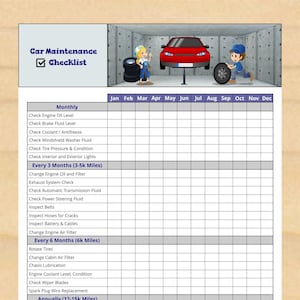
Credit: www.etsy.com
Emergency Preparedness
Car emergencies can happen anytime. Being ready helps you stay safe and calm. This guide shows simple ways to prepare your car for emergencies.
Focus on three key areas: building an emergency kit, learning basic repairs, and keeping important documents. Each step makes a difference during a roadside problem.
Build A Car Emergency Kit
Having the right items in your car can help you handle many problems. Your kit should cover common needs like light, warmth, and first aid.
- Flashlight with extra batteries
- First aid supplies
- Jumper cables
- Reflective warning triangles or flares
- Blanket or warm clothing
- Water and non-perishable snacks
- Multi-tool or basic tools
- Portable phone charger
Learn Basic Repairs
Knowing how to fix simple problems saves time and money. Learn how to change a tire, check oil, and jump-start a battery. Practice these skills safely.
| Repair Skill | Why It Helps |
| Change a tire | Fix a flat and keep driving |
| Check oil level | Prevent engine damage |
| Jump-start battery | Start car with dead battery |
| Replace windshield wiper | Keep clear view in rain |
Keep Important Documents
Store key documents in your car or on your phone. This helps you act quickly during emergencies or when you need help.
- Driver’s license
- Car registration
- Proof of insurance
- Emergency contact list
- Roadside assistance information
Seasonal Care Tips
Taking care of your car throughout the year helps it last longer. Seasonal checks keep your car safe and reliable.
Each season has different needs. This guide covers winter, summer, and sun protection tips.
Prepare For Winter Driving
Winter weather can be tough on cars. Cold, snow, and ice affect how your car runs and handles.
- Check your battery for a full charge and clean terminals.
- Use winter tires or all-season tires with good tread.
- Keep your windshield washer fluid full with antifreeze solution.
- Inspect your brakes for wear and proper function.
- Replace old wiper blades to keep visibility clear.
- Make sure your heater and defroster work well.
- Keep an emergency kit with blankets, food, and tools in the car.
Summer Maintenance Checks
High temperatures and long drives can cause problems. Check key systems before summer trips.
| Check | Why It Matters | How Often |
| Engine coolant | Prevents overheating | Before summer |
| Tire pressure | Improves fuel economy and safety | Monthly |
| Air conditioning | Keeps cabin cool and comfortable | Yearly |
| Oil level | Lubricates engine parts | Every 3,000-5,000 miles |
| Brake fluid | Ensures good stopping power | Check yearly |
Protect Your Car From Sun Damage
Sunlight can fade paint and damage interiors. Take steps to shield your car from UV rays.
Try these tips to protect your car:
- Park in shaded areas or use a car cover.
- Apply wax to your car’s paint every few months.
- Use sunshades inside the windshield to block heat.
- Condition leather seats to prevent cracking.
- Keep windows slightly open for ventilation.
Signs To Visit A Mechanic
Regular car maintenance is crucial for safety and performance. Some signs indicate it’s time to visit a mechanic. This checklist helps beginners recognize these signs.
Ignoring these symptoms can lead to costly repairs. Recognizing them early keeps your car running smoothly.
Strange Noises
Strange noises from your car often signal trouble. Listen for sounds like grinding, squealing, or knocking. These noises can indicate issues with brakes, engine, or suspension.
- Grinding noises during braking
- Squealing under the hood
- Knocking sounds from the engine
Warning Lights
Warning lights on your dashboard alert you to potential problems. Pay attention to these lights, as they can indicate issues with the engine, battery, or oil levels.
| Light | Possible Issue |
| Check Engine | Engine malfunction |
| Battery | Charging system failure |
| Oil | Low oil pressure |
Unusual Smells
Unusual smells can indicate mechanical problems. A burning smell may suggest overheating, while a sweet scent could mean a coolant leak. Pay attention to any unfamiliar odors.
Handling And Steering Issues
Handling and steering issues can compromise safety. If your car pulls to one side or feels unstable, it might have alignment or suspension problems. Don’t ignore these signs.
Frequently Asked Questions
What Are The Essential Car Maintenance Tasks For Beginners?
Essential tasks include checking oil levels, tire pressure, brake function, and fluid levels. Regularly inspect lights and replace filters. These basics help prevent breakdowns and extend your car’s life.
How Often Should Beginners Check Their Car Oil?
Check oil at least once a month or every 1,000 miles. Regular checks ensure proper engine lubrication and prevent costly damage.
Why Is Tire Maintenance Important For New Car Owners?
Proper tire care ensures safety, better fuel efficiency, and longer tire life. Regularly check pressure, tread depth, and alignment to avoid accidents.
When Should Beginners Replace Car Filters?
Replace air and cabin filters every 12,000 to 15,000 miles. Clean filters improve engine performance and cabin air quality.
Conclusion
Taking care of your car helps it run smoothly and last longer. Regular checks save money and avoid big problems. Simple tasks like checking oil and tires keep you safe. Write down what you do to track maintenance. Small efforts now prevent costly repairs later.
Start with this checklist and build good habits. Your car will thank you with better performance. Keep it simple, stay consistent, and enjoy worry-free driving.







