
Have you ever glanced at your car dashboard and noticed those little lights glowing? Those lights are trying to tell you something important about your car’s health.
Ignoring them can lead to bigger problems and costly repairs. But don’t worry—understanding what each light means is easier than you think. You’ll learn how to quickly identify those dashboard signals and what actions you should take. Keep reading to take control of your car’s safety and avoid unexpected breakdowns.

Credit: americanimportsautorepair.com
Common Dashboard Lights
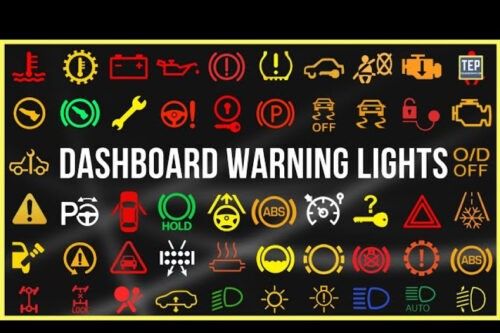
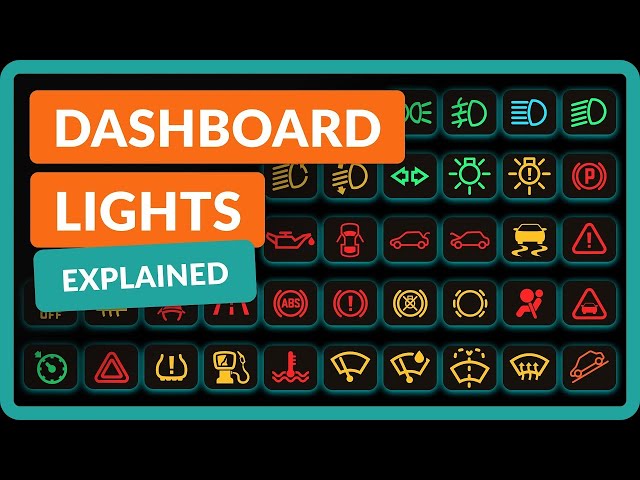
Your car’s dashboard shows important lights. These lights warn you about your car’s health and safety.
Understanding these lights helps you react fast and avoid damage or danger on the road.
Engine Warning Signals
Engine warning lights show issues with the engine or emissions system. The check engine light is the most common.
When this light turns on, it means the car’s computer found a problem. You should get the engine checked soon.
Brake System Alerts
Brake system lights warn you about brake problems. These lights can mean low brake fluid or worn brake pads.
- Red brake warning light means a serious brake issue.
- Yellow brake light means the parking brake is on or low brake fluid.
- If the light stays on, stop driving and check brakes immediately.
Battery And Charging Indicators
This light shows if the battery is not charging properly. It may mean a bad battery or alternator.
| Indicator | Meaning |
| Battery Light | Charging system problem |
| Alternator Light | Alternator failure |
| Battery with Plus Sign | Battery voltage low |
Oil Pressure Warnings
Oil pressure lights warn about low oil pressure. This is serious because oil lubricates the engine.
If this light comes on, stop the car and check the oil level. Low oil can cause engine damage fast.
Tire Pressure Monitoring
Tire pressure lights show when tire pressure is too low or too high. Proper pressure keeps you safe and saves fuel.
This light looks like a horseshoe with an exclamation mark inside. It alerts you to check your tires soon.
Color Codes And Their Meanings
Car dashboard lights use colors to show different levels of urgency. These colors help drivers know what needs quick action.
Understanding the color codes can keep you safe and prevent car damage. Each color means something important.
Red Lights: Immediate Attention
Red dashboard lights mean a serious problem. You must stop the car safely and check the issue right away.
Ignoring red lights can cause damage or danger. These lights warn you to act fast.
- Engine oil pressure warning
- Brake system alert
- Engine overheating warning
- Battery charge problem
- Seatbelt reminder
Yellow Lights: Caution Required
Yellow lights mean you should be careful but not stop immediately. They warn of possible issues.
Check the problem soon to avoid bigger trouble. These lights tell you to watch your car closely.
- Check engine light
- Low fuel warning
- Tire pressure warning
- Traction control alert
- ABS system warning
Green And Blue Lights: Informational
Green and blue lights give information about car systems. They do not signal problems.
These lights show when systems are active or working correctly. They help you know your car’s status.
- Turn signal indicators (green)
- High beam headlights on (blue)
- Cruise control active (green)
- Fog light indicators (green or blue)
Steps To Take When Lights Appear
Lights on your car dash can signal different issues. It is important to know what to do when a light appears. Acting fast helps keep you safe and protects your car.
Some lights mean a small problem, while others need urgent attention. Follow these steps to handle dash lights properly.
Assess The Situation Quickly
Look at the color and symbol of the light. Red usually means stop or urgent problem. Yellow or orange means caution or check soon. Green or blue means normal operation.
Check if the car feels different. Listen for strange noises. Smell for burning or fuel odors. These signs help you decide how serious the issue is.
Check Vehicle Manual
Your car’s manual explains what each dash light means. It also tells you what to do next. Keep the manual in your car for easy access.
If you do not have a physical copy, you can find the manual online using your car’s make and model. Knowing the light’s meaning helps avoid panic.
When To Pull Over Safely
If a red light or warning sound appears, find a safe place to stop quickly. Use your turn signals and check mirrors before pulling over.
Do not stop in the middle of the road or on a curve. Look for a parking lot, shoulder, or rest area. Stay calm and keep your hazard lights on.
- Signal your intention to pull over
- Slow down gradually
- Choose a well-lit and safe spot
- Turn on hazard lights to warn others
Contacting Roadside Assistance
If you cannot fix the problem, call roadside assistance. They can help tow your car or fix small issues on site. Keep their phone number saved in your phone.
Give clear details about your location and the problem. Stay inside the vehicle if it is safe, especially at night or on busy roads.
Preventive Measures For Dashboard Warnings
Dashboard warning lights alert you to problems in your car. You can prevent many issues by taking simple steps. These steps help keep your vehicle running smoothly.
Knowing how to care for your car reduces the chance of dashboard warnings. Regular checks and maintenance save you time and money.
Regular Vehicle Maintenance
Regular maintenance keeps your car parts working well. Follow the service schedule in your owner’s manual. Change oil, filters, and belts on time.
Monitoring Fluid Levels
Check fluids often to avoid engine trouble. Low levels cause warning lights and damage. Look at oil, coolant, brake fluid, and transmission fluid.
- Use the dipstick to check engine oil level
- Inspect coolant reservoir for proper amount
- Check brake fluid in the master cylinder
- Look for leaks under the car
Tire Care And Pressure Checks
Good tires improve safety and fuel efficiency. Check tire pressure at least once a month. Look for uneven wear or damage. Rotate tires every 5,000 to 7,000 miles.
| Check | Why It Matters | How Often |
| Tire Pressure | Prevents blowouts and improves gas mileage | Monthly |
| Tire Tread | Ensures good traction and safety | Before long trips |
| Tire Rotation | Promotes even wear and extends tire life | Every 5,000 to 7,000 miles |
Battery And Electrical System Care
Keep battery terminals clean and tight. Check battery charge if warning lights show. Replace old batteries before they fail. Inspect wiring for damage or corrosion.
Tips to maintain battery health:
- Clean terminals with baking soda and water
- Ensure battery is securely mounted
- Test battery voltage regularly
- Avoid leaving lights on when engine is off
Technology Behind Dashboard Alerts
Car dashboards show many warning lights. These alerts help drivers know when something needs attention.
The technology behind these alerts uses sensors and systems inside the vehicle. They check how the car works and send signals to the dashboard.
Sensors And Their Roles
Sensors collect real-time data from different car parts. They watch engine temperature, oil pressure, brake function, and more.
- Temperature sensors check engine heat levels.
- Pressure sensors monitor oil and tire pressure.
- Oxygen sensors measure exhaust gases.
- Speed sensors track wheel and vehicle speed.
- Battery sensors watch the electrical system’s health.
On-board Diagnostics (obd) Systems
The OBD system controls the sensors and reads their data. It finds problems and records error codes when something is wrong.
| Component | Function | Alert Example |
| ECU (Engine Control Unit) | Manages engine operations | Check engine light |
| ABS Module | Controls braking system | ABS warning light |
| Airbag Sensor | Monitors airbag status | Airbag warning light |
| Battery Sensor | Checks battery charge | Battery alert light |
Advancements In Warning Systems
New warning systems use smart technology and better sensors. They give clearer alerts and help prevent accidents.
- Color-coded lights for quick understanding
- Sound alerts for urgent issues
- Digital displays with detailed messages
- Integration with mobile apps for notifications
- Self-diagnosis for faster repairs
Credit: www.zigwheels.my
Customizing Dashboard Alerts
Modern cars come with a variety of dashboard alerts. These alerts help you stay informed about your vehicle’s status. You can customize them to suit your needs.
Customizing alerts can make driving safer and more enjoyable. Here are some ways to modify these notifications.
Using Vehicle Apps
Many cars have apps that let you adjust dashboard alerts. These apps are easy to use and often come with the vehicle.
You can select which alerts you want to receive. This helps you focus on the most important information while driving.
- Choose alerts for fuel level
- Set reminders for maintenance
- Receive notifications about tire pressure
Aftermarket Alert Systems
If your car lacks built-in options, aftermarket systems are available. These systems offer additional customization for alerts.
They can be installed easily and provide various alert settings. This enhances your driving experience.
- Install alert systems for older vehicles
- Choose alerts for battery health
- Monitor engine performance
Setting Alert Sensitivity
Adjusting alert sensitivity helps avoid unnecessary distractions. You can set how sensitive each alert should be.
Fine-tuning these settings ensures you only get alerts when necessary. This keeps your focus on the road.
| Alert Type | Low Sensitivity | High Sensitivity |
| Fuel Warning | 10% remaining | 25% remaining |
| Oil Change | 500 miles left | 1,000 miles left |
Credit: m.youtube.com
Frequently Asked Questions
What Do Lights On Car Dash Mean?
Lights on the car dash indicate your vehicle’s status. They alert you to issues or important functions. Understanding these lights helps maintain safety and performance.
Why Is My Check Engine Light On?
The check engine light signals an engine or emission issue. It can mean minor or serious problems. Have a mechanic diagnose it promptly to avoid damage.
How To Reset Car Dash Warning Lights?
Resetting dash warning lights requires fixing the underlying problem first. After repair, use an OBD-II scanner or disconnect the battery briefly. Always ensure issues are resolved before resetting lights.
What Does A Red Light On Dash Indicate?
Red dash lights usually mean urgent problems needing immediate attention. They warn of critical issues like engine overheating or brake failure. Stop safely and seek professional help immediately.
Conclusion
Car dashboard lights help you keep your vehicle safe and working well. They show important information about your car’s condition. Learning what each light means saves time and money. Don’t ignore these signals. Check your car manual or ask a mechanic if unsure.
Staying aware keeps you safe on the road. Regular car checks prevent bigger problems later. Pay attention to your dashboard lights every time you drive. It’s a small step that makes a big difference.







