
Lifting your car with a jack might seem simple, but doing it wrong can put you in serious danger. If you’ve never felt confident about using a car jack, you’re not alone.
Knowing the right steps can protect you from accidents and keep your vehicle safe. You’ll discover easy-to-follow tips that make using a car jack safe and stress-free. Keep reading to learn how to handle your car jack like a pro and avoid costly mistakes.
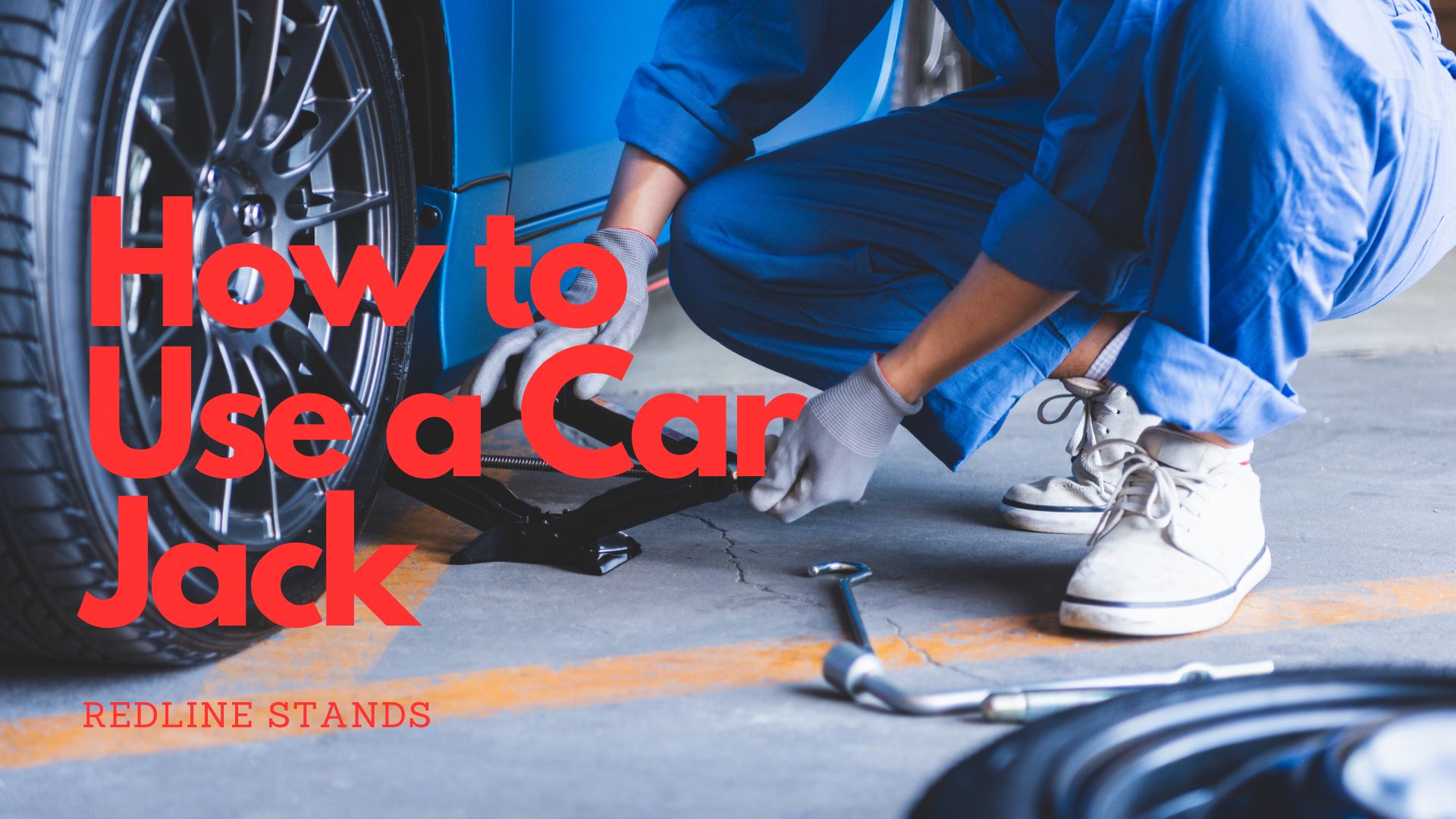
Credit: www.redlinestands.com
Choosing The Right Car Jack
Using a car jack safely starts with picking the right one. The correct jack makes lifting your car easier and safer.
Different jacks suit different cars and needs. Learn about types, weight limits, and quality before buying.
Types Of Car Jacks
There are many kinds of car jacks. Each type works best in certain situations.
- Scissor jacks: Compact and common with cars. They lift slowly but are easy to store.
- Hydraulic floor jacks: Use fluid to lift heavy cars fast. Good for garages and flat surfaces.
- Bottle jacks: Small and strong. They lift heavy vehicles but need more space under the car.
- Hi-lift jacks: Used for off-road vehicles. They lift very high but are large and heavy.
Weight Capacity Considerations
Always check the weight your jack can lift. Using a jack with low capacity is unsafe.
Your car’s weight is on the manual or door sticker. Pick a jack with a higher limit than your car’s weight.
- Small cars usually need 1-2 tons capacity.
- SUVs and trucks may need 3 tons or more.
- Never overload a jack beyond its limit.
Quality And Durability
Choose a jack made from strong materials like steel. This ensures it lasts and works safely.
Look for features like sturdy bases and good welds. Avoid cheap jacks that bend or break easily.
- Check user reviews for reliability.
- Pick brands known for safety and durability.
- Inspect the jack regularly for damage or wear.
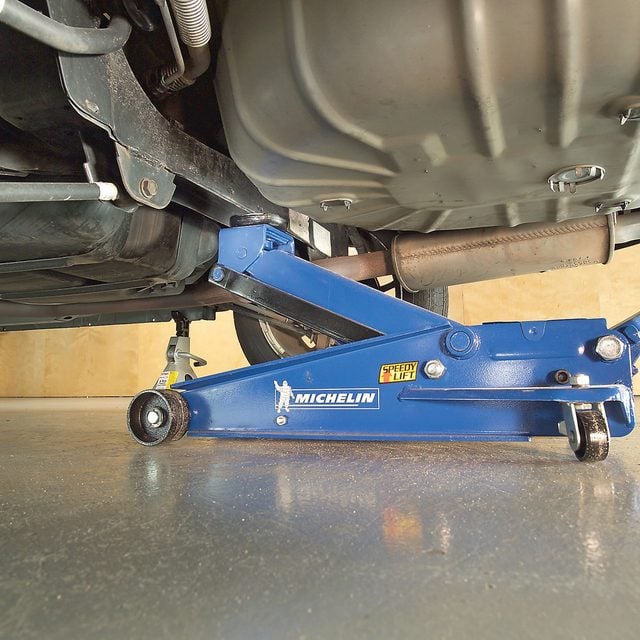
Credit: www.familyhandyman.com
Preparing Your Vehicle
Using a car jack safely starts with properly preparing your vehicle. This preparation helps keep you and your car secure during the process.
Follow these steps to make sure your vehicle is ready before lifting it with a jack.
Park On A Flat Surface
Always park your vehicle on a flat, stable surface. Avoid soft ground or slopes. This prevents the car from slipping or the jack from tipping over.
Engage The Parking Brake
Set the parking brake firmly after parking. This keeps the car from moving while you use the jack.
Chock The Wheels
Place wheel chocks to stop the vehicle from rolling. Use chocks on the wheels opposite to the side you will jack up.
- Use rubber or wooden chocks for better grip.
- Put chocks firmly against the tires.
- Check that chocks are stable before lifting the car.
Locating Jack Points
Using a car jack safely means placing it in the right spot. Finding the correct jack points helps keep the car stable.
Incorrect jack placement can cause damage or make the car fall. Learn where to find these points on your vehicle.
Consulting The Owner’s Manual
Your car’s owner’s manual shows the exact jack points. These points are made to hold the car’s weight safely.
Look for diagrams or notes about jacking locations. The manual also gives tips on how to use the jack.
Common Jack Point Locations
Most cars have jack points near the wheels. These are strong spots on the frame or under the body.
- Behind the front wheels on the side frame
- In front of the rear wheels on the side frame
- Near the pinch welds or reinforced metal strips
- Sometimes under the rocker panels
Avoiding Damage
Do not place the jack on soft or rusty parts. These can bend or break under the car’s weight.
Use a piece of wood if needed to spread the pressure. Always check the jack is steady before lifting.
- Never use the jack on plastic or thin metal parts
- Avoid the exhaust system and fuel lines
- Keep the ground surface flat and solid
- Do not lift the car higher than needed
Operating The Car Jack
Using a car jack correctly is important for your safety. It helps lift your vehicle for repairs or tire changes.
Follow simple steps to position and operate the jack. This reduces the risk of accidents and damage to your car.
Positioning The Jack Correctly
Place the jack under the vehicle’s lifting point. Check your car manual for the exact spot to avoid damage.
- Ensure the ground is flat and stable.
- Remove any debris near the jack area.
- Align the jack’s saddle with the lifting point.
- Do not place the jack on soft surfaces like dirt or grass.
Lifting The Vehicle Safely
Lift the vehicle slowly and evenly. Watch the jack and car to make sure they stay steady.
| Tip | Reason |
| Lift slowly | Prevents sudden shifts |
| Check stability | Avoids accidents |
| Use jack stands | Supports vehicle securely |
Avoiding Sudden Movements
Do not jerk or push the jack quickly. Sudden moves can cause the vehicle to slip or the jack to tip.
Follow these rules to avoid sudden movements:
- Turn the jack handle gently and steadily.
- Do not lean or put extra weight on the raised vehicle.
- Keep clear of the vehicle while lifting or lowering.
- Stop immediately if the vehicle shifts or the jack feels unstable.
Using Jack Stands
Using jack stands is a key safety step when lifting a car. They keep your vehicle stable after you raise it with a car jack. Always use jack stands to avoid accidents.
Jack stands support the car’s weight and prevent it from falling. This makes working under the car safer and easier.
Importance Of Jack Stands
Jack stands hold your car firmly in place. Car jacks alone can slip or fail. Jack stands stop the car from moving or dropping unexpectedly.
- Provide strong support under the vehicle
- Reduce risk of injury while working
- Keep the car steady on uneven ground
- Allow you to work safely for longer times
Proper Placement
Place jack stands under solid parts of the car’s frame. Avoid placing them on soft or fragile areas. Make sure the stands fit the lifting points recommended by the car maker.
| Vehicle Part | Safe Jack Stand Location |
|---|---|
| Sedan | Frame rails near the wheel |
| SUV | Reinforced pinch welds or frame |
| Truck | Axle housing or frame |
Double Checking Stability
After placing the jack stands, check the car’s balance. Push the car lightly to see if it moves. Make sure the stands do not wobble or shift.
Follow these checks to ensure stability:
- Lower the car slowly onto the jack stands.
- Confirm each stand is securely touching the ground.
- Test the vehicle’s firmness by gently rocking it.
- Never work under a car supported only by a jack.
Lowering The Vehicle
Lowering a vehicle safely after using a car jack is very important. Doing it correctly stops accidents and damage.
This guide explains how to remove jack stands, control the descent, and perform final safety checks.
Removing Jack Stands Safely
Before lowering the vehicle, make sure it is stable. Remove the jack stands carefully to avoid sudden shifts.
- Check that the vehicle is still supported by the jack.
- Clear any tools or objects around the jack stands.
- Slowly lift the vehicle slightly with the jack to take weight off the stands.
- Remove the jack stands from under the vehicle.
- Lower the vehicle back onto the jack only.
Controlled Descent
Lower the vehicle slowly to keep control and prevent damage. Use the jack’s release mechanism carefully.
- Turn the jack’s release valve slowly.
- Watch the vehicle lower evenly and smoothly.
- Keep clear of the vehicle while lowering.
- Stop if the vehicle shifts or moves unexpectedly.
- Lower the vehicle completely until the tires touch the ground.
Final Safety Checks
After the vehicle is down, check to ensure it is secure and safe to work around.
| Check | What to Look For |
| Vehicle stability | Make sure the car does not rock or move. |
| Jack position | Remove the jack carefully and store it properly. |
| Work area | Clear tools and debris to avoid hazards. |
| Tire contact | All tires should be flat on the ground. |
Common Mistakes To Avoid
Using a car jack is necessary for many car repairs. However, mistakes can cause accidents or damage.
Let’s explore some common errors to avoid for safe usage.
Ignoring Vehicle Weight Limits
Every car jack has a weight limit. Ignoring this can lead to jack failure.
Check your car’s weight before using the jack. Ensure it is within the safe limit.
- Read the jack’s manual for weight capacity
- Check your car’s manual for its weight
- Never exceed the jack’s weight limit
Skipping Safety Gear
Safety gear is crucial when using a car jack. Skipping it can lead to injuries.
Always wear gloves and eye protection. Use wheel chocks to prevent rolling.
- Wear sturdy gloves for grip
- Use safety goggles to protect eyes
- Place wheel chocks behind tires
Using Damaged Equipment
Always check your equipment for damage before use. Using damaged jacks is dangerous.
Inspect the jack for cracks or leaks. Replace any damaged equipment immediately.
- Examine the jack for visible cracks
- Check for any oil leaks
- Never use a broken jack

Credit: www.youtube.com
Maintenance And Storage Tips
Using a car jack safely requires more than just knowing how to lift your car. Proper maintenance and storage ensure it works every time.
Here are some tips to keep your car jack in top condition and ready for use when needed.
Regular Inspection
Inspect your car jack regularly to ensure it is in good working condition. Check for any signs of wear or damage.
- Look for cracks or deformations in the metal parts.
- Ensure the hydraulic system is not leaking.
- Test the lifting mechanism for smooth operation.
Cleaning After Use
Cleaning the car jack after every use helps maintain its functionality. Dirt and debris can affect its performance over time.
Use a damp cloth to wipe down all surfaces. Ensure you remove any grease or grime that may have accumulated.
Proper Storage
Store your car jack in a dry place to prevent rust and corrosion. Proper storage extends its life and reliability.
| Storage Area | Condition |
| Garage | Dry and clean |
| Tool Shed | Organized space |
| Basement | Free from moisture |
Frequently Asked Questions
How Do I Position A Car Jack Correctly?
Place the jack under the vehicle’s designated lift point. Check your owner’s manual for exact locations. Ensure the car is on a flat, stable surface before lifting.
What Safety Precautions Should I Take Using A Car Jack?
Always use wheel chocks to prevent rolling. Never go under a car only supported by a jack. Wear gloves and eye protection for extra safety.
Can I Use Any Jack For Any Car?
No, use a jack suitable for your car’s weight and type. Refer to your vehicle’s manual for recommended jack specifications and capacity.
How High Should I Lift My Car With A Jack?
Lift the car just enough to change the tire or perform maintenance. Avoid overextending the jack to prevent instability or damage.
Conclusion
Using a car jack safely protects you and your vehicle. Always choose a flat, stable surface before lifting. Place the jack correctly under the car’s frame. Never go under a car supported only by a jack. Use wheel chocks to stop the car from rolling.
Take your time and follow the steps carefully. Safety is the most important part of car maintenance. Practicing these tips will help you handle emergencies with confidence. Stay safe and keep your car in good shape.







