
Have you ever felt your car shake unexpectedly while driving, only to see the engine light start flashing on your dashboard? It’s a clear sign that something isn’t right under the hood, and ignoring it could lead to bigger, more expensive problems.
You might wonder what’s causing this and how urgent the situation really is. You’ll discover the common reasons behind car shakes and a flashing engine light, plus simple steps you can take to protect your vehicle and keep yourself safe on the road.
Keep reading—your car’s health depends on it.
Common Causes Of Car Shakes
Car shaking can be a sign of trouble under the hood or with the tires. It often means your vehicle needs attention soon.
Understanding the usual reasons for shaking helps you spot problems early. This guide covers common causes and what to check.
Engine Misfire
An engine misfire happens when one or more cylinders do not fire properly. It causes the car to shake and the engine light to flash.
Common causes include bad spark plugs, dirty fuel injectors, or low engine compression.
Worn Tires
Worn or damaged tires can cause your car to vibrate. Uneven tire wear or low pressure often leads to shaking.
- Check tire tread depth and look for bald spots
- Ensure tires are inflated to the right pressure
- Balance tires regularly to prevent vibrations
- Inspect for any cuts, bulges, or damage
Brake Issues
Brake problems can cause shaking, especially when you press the brake pedal. Warped rotors or worn brake pads are typical reasons.
| Brake Problem | Cause of Shaking | Signs |
| Warped Rotors | Uneven surface | Vibration during braking |
| Worn Brake Pads | Reduced friction | Noise and shaking |
| Loose Calipers | Movement in brake system | Shaking and noise |
Suspension Problems
Suspension issues affect how your car handles and feels on the road. Damaged shocks or struts can cause shaking and poor control.
Signs of suspension problems include:
- Uneven tire wear
- Pulling to one side while driving
- Excessive bouncing over bumps
- Clunking noises when turning
Credit: www.youtube.com
Reasons For Engine Light Flashing
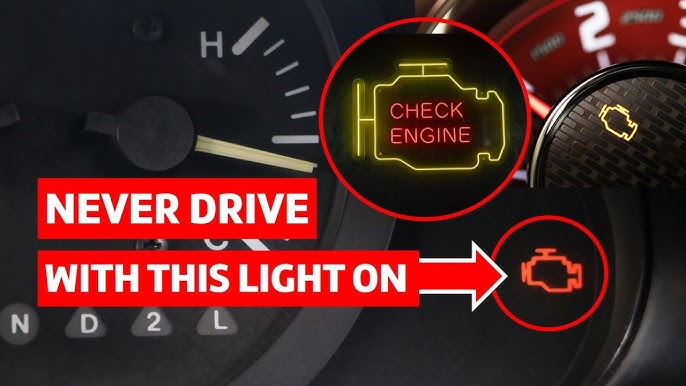
The engine light flashing on your dashboard signals a serious problem. It means the engine is shaking or misfiring. You should check it quickly to avoid damage.
Several issues can cause this warning. These include faults in the ignition system, fuel system problems, emissions control failures, and sensor malfunctions.
Ignition System Faults
Ignition system faults can cause engine misfires and shaking. Problems with spark plugs, ignition coils, or wires may be the cause. These parts help start the engine and keep it running smoothly.
- Worn or damaged spark plugs
- Faulty ignition coils
- Broken or loose ignition wires
- Issues with the distributor cap
Fuel System Problems
The fuel system supplies the engine with gasoline or diesel. Problems here can cause poor engine performance and light flashing. A dirty fuel filter or bad fuel pump can reduce fuel flow.
| Fuel System Issue | Effect on Engine |
| Clogged fuel filter | Reduced fuel flow, engine misfire |
| Failing fuel pump | Inconsistent fuel pressure, shaking |
| Dirty fuel injectors | Poor fuel spray, rough idle |
Emissions Control Failures
Emissions control devices help reduce pollution. Failures in this system can cause the engine light to flash. A bad catalytic converter or oxygen sensor can disrupt engine balance.
Common emissions control issues include:
- Clogged catalytic converter causing backpressure
- Faulty oxygen sensors sending wrong air-fuel data
- Exhaust leaks affecting sensor readings
Sensor Malfunctions
Sensors monitor many engine functions. If a sensor fails, the engine light may flash. Bad sensors can cause wrong fuel mix or timing errors.
- Mass airflow sensor problems
- Crankshaft position sensor failure
- Throttle position sensor errors
- Engine coolant temperature sensor issues
Diagnosing The Problem
Car shakes and engine light flashing often mean your vehicle has a problem. Finding the cause quickly helps avoid bigger damage.
Some tools and simple checks help you find the issue. You can start by using a scanner and looking closely at your car.
Using An Obd-ii Scanner
An OBD-II scanner reads error codes from your car’s computer. These codes show what part is not working right.
Plug the scanner into the port under the dashboard. The device will show codes that explain the engine light flashing.
- Turn off the car before plugging in the scanner
- Turn the ignition to the ON position without starting the engine
- Read the codes displayed by the scanner
- Look up the meaning of the codes in the scanner manual or online
Visual Inspection Tips
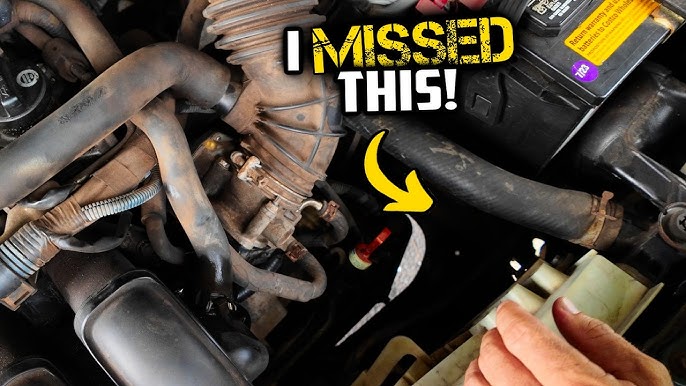
Look under the hood for loose or broken parts. Check if wires, belts, or hoses are damaged or out of place.
Also, check for leaks or dirt on engine parts. Clean parts help your engine run well and stop shaking.
- Check spark plug wires for cracks or wear
- Look for oil or coolant leaks on engine surfaces
- Inspect belts for cracks or looseness
- Ensure all hoses are connected and not cracked
Listening For Unusual Noises
Engine noises can tell you about problems. Listen for knocking, tapping, or hissing sounds when the car runs.
These noises may mean worn parts or leaks. Pay attention to when the noise happens, like during acceleration or idling.
- Knocking sound may mean bad spark plugs or timing issues
- Tapping can signal low oil or valve problems
- Hissing noise might come from a vacuum leak
- Loud exhaust sounds show possible pipe damage
Credit: www.youtube.com
Quick Fixes For Car Shakes
Car shakes can make driving unsafe and uncomfortable. Many times, these shakes come with the engine light flashing.
There are simple fixes you can try to stop the shaking. These fixes often save time and money.
Tire Balancing And Rotation
Tires that are out of balance or worn unevenly cause the car to shake. Balancing the tires helps the car roll smoothly.
Rotating tires moves them to different positions. This helps them wear evenly and last longer.
- Get tires balanced at a service shop
- Rotate tires every 5,000 to 7,000 miles
- Check tire pressure regularly
Replacing Spark Plugs
Old or dirty spark plugs make the engine run rough. This can cause your car to shake and the engine light to flash.
Changing spark plugs restores smooth engine performance. It can stop shaking and improve fuel use.
- Remove old spark plugs carefully
- Use the right type of spark plugs for your car
- Replace spark plugs every 30,000 to 50,000 miles
Checking Brake Components
Worn or damaged brakes can cause shaking when you stop the car. This is a serious safety issue.
Inspect brake pads, rotors, and calipers. Fixing or replacing them can stop the shaking.
- Look for worn brake pads
- Check rotors for warping
- Ensure calipers work properly
Immediate Steps For Flashing Engine Light
A flashing engine light signals a serious problem with your car. It means the engine is in trouble and needs quick attention. Ignoring this warning can cause more damage.
Follow these immediate steps to protect your car and stay safe on the road.
Reducing Engine Load
Lower the engine load to prevent more damage. Avoid hard acceleration and heavy towing. Drive gently to reduce stress on the engine parts.
- Keep your speed steady and low
- Avoid sudden starts and stops
- Turn off air conditioning and extra electrical devices
Avoiding Long Drives
Do not drive far when the engine light is flashing. Long drives can make the problem worse. Find a safe place to stop and check your car.
Plan short trips only until the issue is fixed. This reduces the risk of engine failure during travel.
Seeking Professional Help
Have a mechanic check your car as soon as possible. A flashing engine light means a problem that needs expert diagnosis. Do not delay to avoid costly repairs.
- Use a tow service if you cannot drive safely
- Ask the mechanic to read the error codes
- Follow the repair advice given by the professional
Preventive Maintenance Tips
Car shakes and engine light flashing can be signs of trouble. Regular care helps prevent these issues. Here are some maintenance tips to keep your car running smoothly.
Regular Engine Tune-ups
Engine tune-ups ensure that your car runs efficiently. Ignoring this can lead to serious engine problems.
- Check spark plugs and replace if worn
- Inspect fuel filters for clogs
- Examine belts and hoses for wear
Routine Tire Checks
Proper tire maintenance is key to a smooth ride. It also improves safety and fuel efficiency.
| Check | Frequency |
| Tire pressure | Monthly |
| Tread depth | Every 6 months |
| Alignment | Yearly |
Brake System Maintenance
The brake system is vital for your safety. Regular checks prevent brake failure.
- Listen for unusual noises when braking
- Check brake fluid levels
- Inspect brake pads for wear
Sensor And Electrical System Care
Sensors and electrical systems are crucial for modern cars. They help monitor and control various functions.

Credit: trojanautocare.com
Frequently Asked Questions
Why Is My Car Shaking And Engine Light Flashing?
Your car shakes and the engine light flashes due to engine misfires. This indicates a serious problem with fuel, ignition, or emission systems needing immediate attention.
Can A Flashing Engine Light Cause Car Shaking?
Yes, a flashing engine light signals severe engine issues. These issues often cause the car to shake due to misfires or faulty ignition components.
How Urgent Is A Flashing Engine Light With Shaking?
A flashing engine light combined with shaking is urgent. It means the engine misfires, risking damage. Stop driving and get a mechanic’s help quickly.
What Common Problems Cause Car Shaking And Engine Light Flashing?
Common causes include faulty spark plugs, ignition coils, fuel injectors, or vacuum leaks. These faults lead to engine misfires and trigger the flashing engine light.
Conclusion
Car shakes and a flashing engine light signal a problem. Ignoring these signs can lead to bigger repairs. Check your car soon to avoid safety risks. Regular maintenance helps keep your engine running smooth. Don’t wait for the issue to get worse.
Taking quick action saves money and stress. Stay alert to your car’s signals for safer driving.







