
Are you ready to give your car a fresh, modern look without spending a fortune? Installing LED light strips is one of the easiest and most effective ways to upgrade your vehicle’s appearance.
But if you’re worried it might be complicated or time-consuming, don’t be. In this guide, you’ll discover simple, step-by-step instructions to install car LED light strips quickly and safely. By the end, you’ll have a sleek, eye-catching glow that turns heads wherever you go.
Keep reading—you’re closer than you think to transforming your ride!
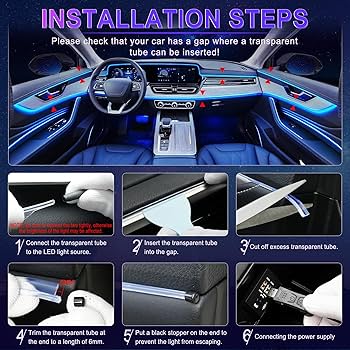
Credit: www.amazon.ca
Choosing The Right Led Strips
Installing LED light strips in your car can improve its look and safety. Picking the right type of LED strip is important for the best result.
Consider the kinds of LED strips, their brightness, colors, and how well they resist water and damage. These factors help you choose the best fit for your car.
Types Of Led Light Strips
There are several types of LED strips to choose from. Each type has different sizes and designs for various car parts.
- Single color strips light up with one color only.
- RGB strips can change between many colors.
- Addressable LED strips allow control of each LED separately.
- Flexible strips bend easily to fit curves and corners.
- Rigid strips are strong and hold their shape well.
Brightness And Color Options
Brightness is measured in lumens. Higher lumens mean brighter light. Choose brightness based on where you want to install the strips.
| Brightness Level (Lumens) | Best Use |
| 200-400 | Interior ambient lighting |
| 500-800 | Dashboard and footwell lighting |
| 1000+ | Exterior lighting and underglow |
| Color Options | Single color, RGB, or addressable LEDs |
Waterproof And Durability Features
Car LED strips must resist water, dust, and heat. Look for these features to ensure long-lasting use.
- IP65 rating means water spray protection.
- IP67 rating allows temporary water immersion.
- Silicone coating adds extra protection and flexibility.
- Strong adhesive backing helps strips stay in place.
- Check temperature range for your climate.
Credit: www.jaginfo.org
Tools And Materials Needed
Installing car LED light strips requires specific tools and materials. Having the right items helps make the process smooth and safe.
Gather everything before you start. This saves time and avoids interruptions during installation.
Essential Installation Tools
Use these basic tools to fit and secure the LED strips properly on your car.
- Screwdriver set for removing panels
- Wire stripper to prepare electrical connections
- Electrical tape for insulation
- Measuring tape to size the strips
- Heat gun or hair dryer for bending strips safely
- Multimeter to test electrical circuits
- Plastic trim removal tools to avoid damage
Additional Accessories
These extra items help with mounting and powering the LED light strips.
| Accessory | Purpose |
| Double-sided automotive tape | Secure LED strips without drilling |
| Zip ties | Organize and hold wiring in place |
| Fuse tap | Connect power safely to car fuse box |
| Inline fuse holder | Protect LED strips from electrical surges |
| Connector clips | Join LED strips without soldering |
Preparing Your Car
Installing LED light strips on your car needs careful preparation. This ensures the lights stick well and look good.
Start by getting your car ready. Clean and pick the best spots for the light strips.
Cleaning The Surface
Cleaning the surface helps the LED strips stick better. Dirt, dust, or grease can stop the glue from working.
Use a clean cloth and some rubbing alcohol. Wipe the area where you want to place the lights.
- Remove dirt and dust first with a dry cloth
- Apply rubbing alcohol on a cloth
- Wipe the surface thoroughly
- Let it dry completely before sticking the lights
Selecting The Placement Area
Choose spots on your car where the LED strips will look best. Also, pick places that are easy to reach and clean.
Avoid areas with sharp edges or parts that move a lot. This keeps the lights safe and secure.
- Pick flat, smooth surfaces
- Avoid curved or bumpy spots
- Stay away from areas near wheels or doors
- Check if the wires can reach the power source

Credit: www.ubuy.fr
Installing The Led Strips
Installing car LED light strips can add style and visibility to your vehicle. Proper installation ensures the strips stay secure and work well.
This guide covers measuring and cutting the strips, attaching them, and securing with clips or adhesives.
Measuring And Cutting Strips
Start by measuring the area where you want to place the LED strips. Use a tape measure for accuracy. Mark the length on the strip with a pencil or tape.
- Measure the exact length needed.
- Find the cutting points on the strip, usually marked by scissors icons.
- Use sharp scissors or a cutter to cut only on the marked lines.
- Double-check the length after cutting.
Attaching The Led Strips
Clean the surface where you will attach the strips. Dirt or grease can stop the adhesive from sticking well. Peel off the backing from the strip’s adhesive side.
Press the strip firmly onto the surface. Hold it for a few seconds to ensure it sticks properly. Avoid touching the adhesive side with your fingers.
Securing With Clips Or Adhesives
For extra security, use clips or additional adhesive. Clips help hold the strips in place and prevent them from peeling off.
| Method | Use | Tips |
|---|---|---|
| Adhesive Tape | Quick and easy attachment | Clean surface before use |
| Plastic Clips | Extra hold on curved or rough areas | Secure with small screws or snaps |
| Silicone Glue | Waterproof and strong bond | Apply sparingly, let dry fully |
Wiring And Connecting Power
Installing car LED light strips needs careful wiring and power connection. This guide shows how to connect power safely and correctly.
Follow these steps to locate power, connect the wires, and make sure everything is insulated to avoid shorts or damage.
Locating The Power Source
Find a reliable power source for your LED strips. You can tap into the car battery or the fuse box. Choose a power spot that turns on with the car ignition. This avoids draining the battery when the car is off.
- Check under the dashboard for fuse box access.
- Use a test light or multimeter to find live wires.
- Select a fuse that powers only when the car is on.
- Avoid wires that carry high current to prevent damage.
Connecting To Car Battery Or Fuse Box
Connect the LED strip power cable to the chosen source. Use proper connectors to ensure a tight fit. If connecting to the battery, use an inline fuse for safety.
| Power Source | Connection Method | Safety Tip |
| Car Battery | Use ring terminal and inline fuse | Install fuse close to battery |
| Fuse Box | Use add-a-fuse tap or fuse holder | Choose correct fuse rating |
Ensuring Proper Insulation
Insulate all wire connections to avoid shorts and corrosion. Use electrical tape or heat shrink tubing. Check that wires do not touch metal parts or each other.
- Cover all exposed wires and connectors.
- Secure wires with zip ties to prevent movement.
- Keep wires away from hot engine parts or sharp edges.
- Test the LED strips after insulation to ensure power flows correctly.
Testing And Adjusting Lights
Installing LED light strips in your car can enhance its look. Proper testing and adjusting ensure they work well and last long.
This guide helps you test and adjust your LED strips. Follow these steps to get the best results.
Powering On The Led Strips
First, connect the LED strips to a power source. Use the car’s battery or a portable power bank.
Ensure the connections are secure. This prevents any flickering or power loss.
- Check connections for tightness
- Use appropriate power adapters
- Ensure power source is stable
Checking For Consistent Glow
Turn on the LED strips to see if they glow evenly. Look for any dim spots or flickering lights.
If you notice issues, check the connections again. Even distribution of power is key to a consistent glow.
- Inspect for uniform brightness
- Recheck power connections
- Ensure no damage to the strips
Adjusting Position And Brightness
Position the LED strips for the best visual effect. Adjust them to highlight areas like the footwell or dashboard.
Use the remote control or app to change brightness. Set it to a level that’s comfortable and not distracting while driving.
- Position strips for maximum effect
- Adjust brightness with remote
- Test visibility in both day and night
Safety Tips And Maintenance
Installing car LED light strips can enhance your vehicle’s appearance. Proper safety and maintenance are crucial for longevity.
Following the right steps ensures you avoid hazards and keep the lights working well.
Avoiding Electrical Hazards
Prevent electrical issues by following safe installation practices. Incorrect wiring can lead to shorts or damage.
- Disconnect the car battery before installation
- Use proper connectors and insulate all wires
- Avoid running wires through sharp edges
Cleaning And Upkeep
Regular cleaning keeps your LED strips looking bright and new. Dirt and grime can dim the lights over time.
- Use a soft cloth with mild soap and water
- Avoid harsh chemicals that can damage the strips
- Ensure the strips are dry before reconnecting power
Replacing Damaged Strips
If LED strips are damaged, replace them promptly. This avoids further electrical issues and keeps your vehicle looking neat.
| Step | Description |
| 1 | Disconnect the battery |
| 2 | Remove the damaged strip carefully |
| 3 | Install the new strip, ensuring proper alignment |
| 4 | Reconnect the battery and test the lights |
Frequently Asked Questions
How Do I Install Car Led Light Strips Safely?
Clean the surface before installation. Use proper connectors and avoid exposed wires. Follow the car’s electrical system guidelines carefully.
What Tools Are Needed To Install Led Light Strips?
You need wire cutters, electrical tape, connectors, a screwdriver, and a multimeter for testing connections and voltage.
Can Car Led Light Strips Be Installed On Any Car?
Yes, LED light strips are versatile and can fit most cars. Ensure compatibility with your car’s voltage and space.
How Long Does It Take To Install Led Light Strips?
Installation typically takes 30 to 60 minutes depending on your experience and car type. Preparation and testing add extra time.
Conclusion
Installing car LED light strips can brighten your vehicle’s look quickly. Follow each step carefully to avoid mistakes. Use the right tools and check connections twice. Test the lights before finalizing the setup. Enjoy the new glow safely and confidently.
Keep maintenance easy by cleaning strips regularly. Small effort, big difference. Your car deserves this simple upgrade.







