
Have you ever faced a stubborn bolt that just won’t budge, no matter how hard you try? That’s where a torque multiplier becomes your secret weapon.
It’s a simple tool that can save you time, effort, and frustration by multiplying the force you apply. If you want to make tough jobs easier and avoid damaging your tools or fasteners, understanding what a torque multiplier is and how it works is a must.
Keep reading, and you’ll discover how this handy device can change the way you handle tight bolts forever.
Torque Multiplier Basics
A torque multiplier helps increase the turning force applied to bolts or nuts. It allows you to tighten or loosen fasteners that need high torque. This tool works by multiplying the input force, making hard jobs easier.
Torque multipliers are useful in many industries, such as automotive, construction, and manufacturing. They help achieve precise torque without using very large tools or excessive effort.
How Torque Multipliers Work
Torque multipliers use gears inside the tool to increase force. When you apply input torque, the gears multiply it before it reaches the fastener. This process lowers the effort needed to turn tight bolts.
The multiplier reduces the speed of rotation but increases torque. This trade-off allows small tools to handle jobs that need much more force than their size suggests.
Types Of Torque Multipliers
- Manual Torque Multipliers:Hand-powered tools using gears and levers.
- Hydraulic Torque Multipliers:Use fluid pressure to generate high torque.
- Electric Torque Multipliers:Powered by electric motors for controlled torque.
- Pneumatic Torque Multipliers:Use compressed air to increase torque output.
Key Components
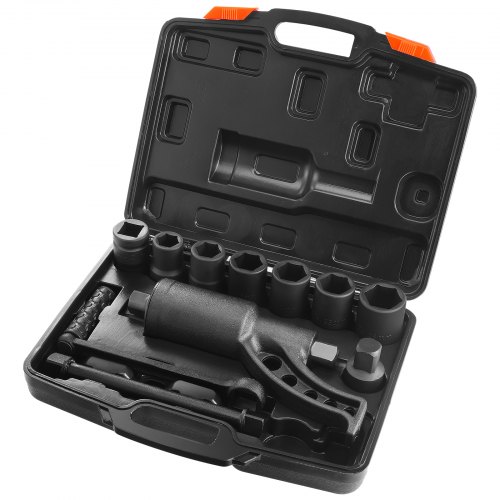
| Component | Function |
| Input Shaft | Receives the initial force from the user or motor |
| Gear System | Multiplies the input torque by changing speed and force |
| Output Shaft | Delivers the increased torque to the fastener |
| Reaction Arm | Prevents the tool from spinning by holding it steady |
| Housing | Protects internal parts and holds components together |
Credit: www.vevor.ca
Benefits Of Using Torque Multipliers
Torque multipliers help increase the force applied to bolts and nuts. They make tightening and loosening tasks easier and safer.
Using torque multipliers can improve work quality and reduce the chance of errors or injury during mechanical tasks.
Increasing Torque Output
Torque multipliers increase the turning force without needing larger tools. They allow users to apply more torque than by hand.
- Help tighten large bolts with standard tools
- Enable work in tight spaces with limited tool size
- Allow precise torque levels on heavy machinery
Reducing Physical Effort
Torque multipliers reduce the amount of force a person must use. This lowers fatigue and risk of injury during work.
| Benefit | How It Helps |
| Less Muscle Strain | Requires less hand and arm strength |
| Safer Operation | Reduces chance of slips or sudden movements |
| Faster Work | Speeds up tightening and loosening tasks |
Improving Accuracy And Control
Torque multipliers provide better control over the applied force. This helps achieve the exact torque needed for bolts.
- Prevents over-tightening that can damage parts
- Ensures consistent torque for safety standards
- Makes repeat tasks more reliable and efficient
Choosing The Right Torque Multiplier
Torque multipliers help you apply more torque with less effort. Picking the right one is key for your project’s success.
Consider your torque needs, gear ratios, and the tool’s build before making a choice.
Assessing Torque Requirements
First, know the torque amount needed for your task. Check the specifications of bolts or machinery parts.
- Identify the maximum torque required
- Account for safety margins
- Consider the tool’s torque output limits
Considering Gear Ratios
Gear ratio affects how much torque the multiplier gives you. A higher ratio means more torque but slower operation.
| Gear Ratio | Effect |
| 5:1 | Moderate torque increase, faster speed |
| 10:1 | Higher torque, slower speed |
| 20:1 | Maximum torque, slowest speed |
Material And Build Quality
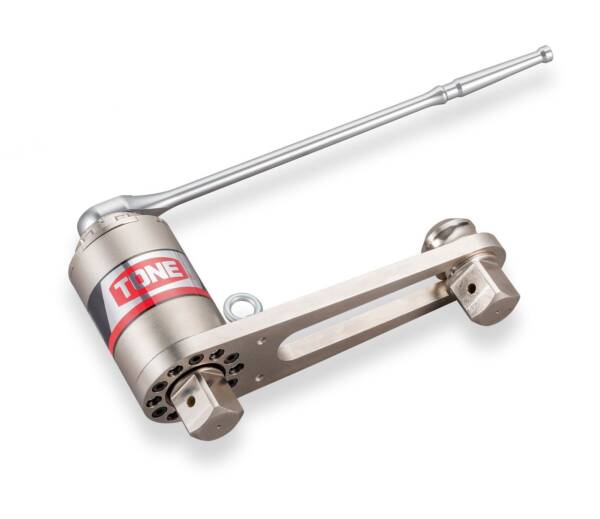
Strong materials ensure the multiplier lasts and works safely. Look for steel or alloy parts and good finishes.
Check these features for quality:
- Durable casing to protect gears
- Heat-treated gears for strength
- Sealed bearings to avoid dirt
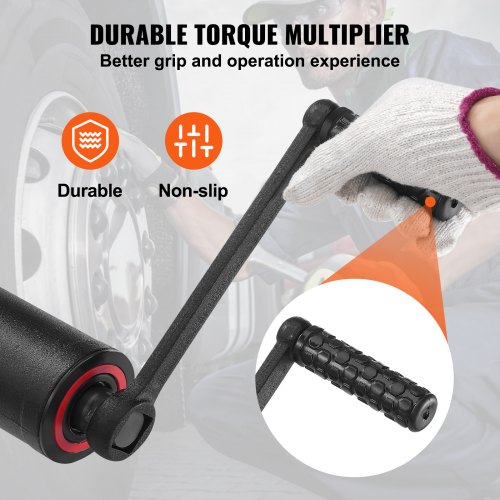
- Ergonomic handles for ease of use
Credit: www.gwyinc.com
Applications Of Torque Multipliers
Torque multipliers help increase torque output without extra effort. They are useful in many work areas.
These tools allow users to tighten or loosen bolts that need high force. They are common in tough jobs.
Automotive Repairs
Torque multipliers are useful in auto repair shops. Mechanics use them to handle tight bolts on engines.
They make it easier to remove stuck bolts without damaging parts. This saves time and effort.
- Removing lug nuts on heavy trucks
- Working on engine components
- Tightening suspension bolts
Industrial Maintenance
In factories, torque multipliers help maintain machines. They provide needed force on large bolts.
Workers use them to keep equipment safe and running smoothly. They reduce risk of bolt breakage.
- Securing heavy machinery parts
- Maintaining conveyor systems
- Adjusting large valves and fittings
Heavy Equipment Assembly
Torque multipliers help build heavy machines like cranes and bulldozers. They apply strong torque without extra tools.
Assemblers use them to tighten bolts safely and correctly. This ensures machine parts stay secure under stress.
- Fastening large structural bolts
- Assembling hydraulic systems
- Securing wheels and axles
Using Torque Multipliers Safely
A torque multiplier helps increase the torque applied to a fastener. It makes turning tight bolts easier and safer. Using it correctly prevents accidents and damage.
Safety is important when handling torque multipliers. Follow simple rules to protect yourself and your tools.
Proper Setup And Handling
Set up the torque multiplier on a stable surface. Make sure it fits the fastener tightly. Check for any cracks or damage before use.
Hold the tool firmly and keep your hands clear of moving parts. Use the right size handle or wrench for better control.
- Inspect the tool before every use
- Use the correct size socket or adapter
- Keep your body balanced and steady
- Do not force the tool beyond its limits
Common Safety Precautions
Wear safety gear like gloves and eye protection. Stay clear of the tool’s path in case parts slip or break.
Work in a clean area to avoid tripping. Keep others away from your workspace while using the torque multiplier.
- Wear gloves to protect your hands
- Use safety glasses to protect your eyes
- Clear the workspace of obstacles
- Warn others to keep a safe distance
Avoiding Over-torque Damage
Do not apply more torque than the tool’s rating. Over-torquing can break the multiplier or damage fasteners.
Use a torque wrench to check the final torque. Stop if you feel resistance or hear strange noises.
- Know the torque multiplier’s maximum capacity
- Check torque with a calibrated wrench
- Stop if the tool makes unusual sounds
- Replace damaged parts immediately
Maintenance And Troubleshooting
A torque multiplier is a tool that increases the torque applied to a fastener. Proper maintenance ensures it works efficiently. Troubleshooting helps fix issues quickly.
Regular Inspection Tips
Inspecting your torque multiplier regularly helps maintain its performance. Check for any visible damage or wear.
- Examine the gear teeth for chips or cracks.
- Ensure all bolts and screws are tight.
- Look for signs of rust or corrosion.
Lubrication And Care
Lubrication is key to the smooth operation of a torque multiplier. Always use the right type of lubricant.
Apply lubricant sparingly to prevent build-up. Clean excess oil after lubrication.
Fixing Common Issues
Common issues with torque multipliers can be fixed with simple steps. Here are some solutions.
| Issue | Solution |
| Stuck gears | Apply lubricant and rotate manually |
| Loose handle | Tighten the screws or bolts |
| No increase in torque | Check for gear alignment |
Regular care and attention can help keep your torque multiplier in top condition. Follow these tips to ensure reliability.
Credit: www.vevor.ca
Frequently Asked Questions
What Is A Torque Multiplier Used For?
A torque multiplier increases the torque applied to a fastener. It helps tighten or loosen bolts with high precision. This tool is essential for heavy machinery and automotive repairs where extra force is needed.
How Does A Torque Multiplier Work?
A torque multiplier uses gears to amplify the input force. It converts a small manual force into a much larger output torque. This mechanism allows users to apply high torque without extra effort.
When Should You Use A Torque Multiplier?
Use a torque multiplier for stubborn, tight fasteners or large bolts. It’s ideal when a regular wrench cannot provide enough torque. It ensures accurate and safe tightening or loosening in heavy-duty applications.
Can Torque Multipliers Replace Impact Wrenches?
Torque multipliers are not replacements for impact wrenches. They provide precise, controlled torque, while impact wrenches deliver fast, high-torque bursts. Each tool suits different tasks depending on torque control needs.
Conclusion
A torque multiplier helps increase turning power with less effort. It makes tightening or loosening bolts easier and safer. You can use it in many jobs needing strong force. This tool saves time and reduces strain on your body. Knowing how it works helps you choose the right one.
Simple, effective, and handy—torque multipliers are useful for many tasks. Keep one in your toolkit to handle tough bolts quickly.







