
Keeping your pet safe during car rides is just as important as buckling up yourself. If you’ve ever worried about your furry friend moving around too much or getting hurt in a sudden stop, installing a pet seat belt is the solution you need.
This simple addition can protect your pet and give you peace of mind every time you hit the road. In this guide, you’ll learn exactly how to install pet seat belts in your car quickly and easily—so you both can enjoy safer, stress-free trips.
Keep reading to discover the step-by-step process that makes your pet’s safety a top priority.
Credit: www.vevor.nl
Choosing The Right Pet Seat Belt
Keeping your pet safe in the car is very important. A pet seat belt helps protect your pet during travel.
Choosing the right seat belt depends on your pet’s size, behavior, and comfort. This guide will help you pick the best one.
Types Of Pet Seat Belts
There are different types of pet seat belts made for various pets and cars. Knowing these types helps you decide.
- Harness Seat Belts: Connect to a pet harness for safety and comfort.
- Buckle Clip Seat Belts: Attach directly to the car’s seat belt buckle.
- Adjustable Strap Seat Belts: Allow length changes for more movement.
- Car Seat Attachments: Combine a small pet seat or booster with a belt.
Measuring Your Pet
Measure your pet before buying a seat belt. Size affects fit and safety.
Measure your pet’s weight and length from neck to tail base. Check chest size for harnesses.
- Weight helps choose the right belt strength.
- Length ensures the belt is not too tight or too loose.
- Chest size is important for harness comfort.
Material And Durability
Choose a seat belt made from strong and lasting materials. Your pet’s safety depends on this.
Look for nylon or polyester webbing, metal clips, and reinforced stitching. These materials resist wear and tear.
- Nylon and polyester last long and dry quickly.
- Metal clips offer secure attachment.
- Reinforced stitching prevents breaking under pressure.
Credit: medium.com
Preparing Your Car
Installing a pet seat belt keeps your pet safe during car rides. Proper preparation of your car makes the installation easier.
Start by getting your car ready. This helps the seat belt fit well and work correctly.
Locating Seat Belt Anchors
Seat belt anchors are points where the seat belts attach. You need to find these anchors to secure the pet seat belt.
Look between the back seat cushion and the seat back. Most cars have anchors there for child seats or seat belts.
- Check near the seat belt buckle
- Look under or behind the seat cushion
- Use a flashlight if the area is dark
Clearing The Back Seat Area
Remove all loose items from the back seat. This clears space and stops objects from distracting your pet.
A clean back seat area helps the pet seat belt fit properly. It also keeps your pet calm and safe during the trip.
- Take out bags, toys, and other objects
- Vacuum the seat for a clean surface
- Make sure the seat is dry and flat
Step-by-step Installation
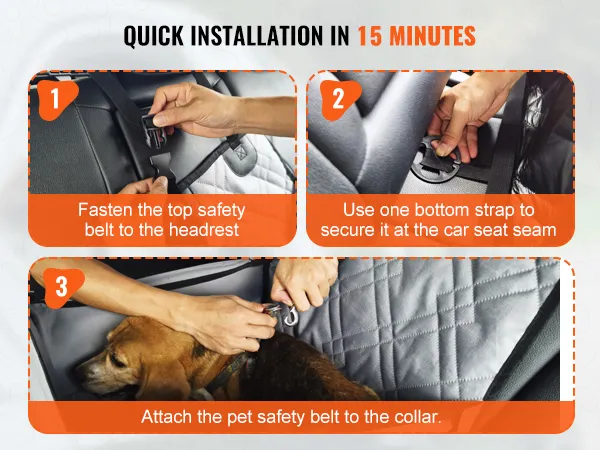
Installing a pet seat belt keeps your pet safe during car rides. Follow clear steps to secure the seat belt properly.
This guide helps you attach the seat belt to your pet, secure it to the car seat, and adjust it for comfort and safety.
Attaching The Seat Belt To Your Pet
Start by connecting the seat belt clip to your pet’s harness. Never attach it directly to a collar.
Make sure the clip clicks securely so it will not come loose during the ride.
- Use a harness designed for car safety
- Attach the seat belt clip firmly
- Check the clip locks in place
Securing The Belt To The Car Seat
Insert the seat belt buckle into your car’s seat belt slot. It should click like a normal seat belt.
Make sure the belt is tight and does not move freely. This keeps your pet secure if the car stops suddenly.
- Insert belt buckle into car’s seat belt receiver
- Push until you hear a click
- Pull gently to check security
Adjusting For Comfort And Safety
Adjust the length of the seat belt so your pet can sit or lie down comfortably. Avoid too much slack.
Check that the belt does not twist or pinch your pet’s body. Comfort helps keep your pet calm during travel.
- Adjust belt length to allow movement
- Keep belt straight without twists
- Ensure no part pinches your pet
- Test comfort by watching your pet’s behavior
Testing The Setup
After installing a pet seat belt, testing it is very important. This makes sure your pet is safe and comfortable.
Testing helps find any problems before you drive. It keeps your pet secure during the trip.
Checking For Proper Fit
Check if the seat belt fits your pet well. It should be snug but not too tight or loose.
Make sure the seat belt attaches firmly to the car’s seat or harness anchor point.
- Adjust the strap length so your pet can sit or lie down comfortably.
- Verify that the clip or buckle is secure and locked.
- Look for any signs of wear or damage on the belt.
- Confirm the seat belt does not restrict breathing or movement.
Ensuring Pet’s Mobility And Safety
Your pet needs some freedom to move but must stay safe. Check how your pet moves with the belt on.
Watch your pet for signs of discomfort or stress during the test. Adjust if needed to improve comfort.
- Test if your pet can sit, stand, and lie down easily.
- Ensure the belt stops your pet from jumping out of the seat.
- Check that your pet cannot reach the driver or front seat.
- Observe your pet’s behavior for calmness during the test.
Additional Safety Tips
Installing pet seat belts is a great way to keep your pet safe in the car. You can add extra safety by following some simple tips. These tips help protect your pet and make travel comfortable.
Read on to learn about combining seat belts with carriers, avoiding common mistakes, and maintaining your pet’s seat belt for long-term safety.
Combining Seat Belts With Carriers
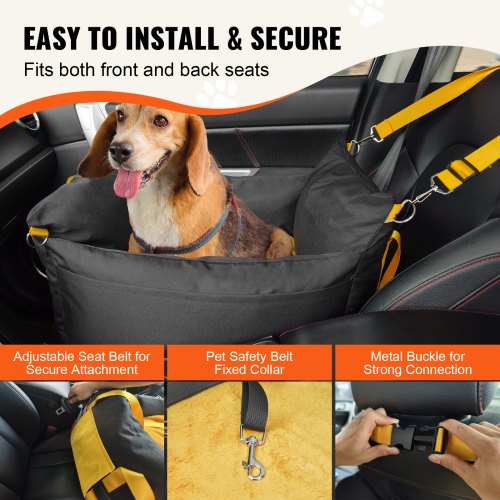
Use pet carriers with seat belts to add a layer of protection. The seat belt can secure the carrier tightly to the seat. This keeps the carrier from moving during sudden stops.
- Place the carrier on the back seat for safety.
- Thread the seat belt through the carrier handle or designated slots.
- Check that the carrier is stable and does not slide.
- Choose a carrier that fits your pet comfortably.
- Make sure the carrier is well-ventilated.
Avoiding Common Mistakes
Many pet owners make mistakes that reduce seat belt effectiveness. Avoid these errors to keep your pet safe.
- Do not attach the seat belt to your pet’s collar. Use a harness instead.
- Do not use damaged or worn seat belts.
- Avoid loose seat belts. Tighten them securely.
- Do not leave your pet unattended while restrained.
- Do not use human seat belts for pets without proper adapters.
Maintaining The Seat Belt
Regular care keeps your pet’s seat belt strong and reliable. Check it often for signs of wear.
| Maintenance Task | How Often | Details |
| Inspect for frays or tears | Before every trip | Look closely at the webbing and stitching |
| Clean with mild soap and water | Monthly or as needed | Remove dirt and odors without weakening material |
| Check buckles and clips | Weekly | Make sure they latch and release properly |
| Replace if damaged | Immediately | Do not use seat belts with any damage |
Credit: www.vevor.ca
Frequently Asked Questions
How Do I Install A Pet Seat Belt In My Car?
To install a pet seat belt, attach it to your car’s seatbelt buckle or the headrest. Secure the other end to your pet’s harness. Adjust the length for comfort and safety, ensuring your pet is restrained but can sit or lie down comfortably.
Can I Use A Regular Seat Belt For My Pet?
No, regular seat belts are not safe for pets. Use specially designed pet seat belts that attach to harnesses. These provide better restraint and prevent injury during sudden stops or accidents. Always choose a seat belt that fits your pet’s size and weight.
Are Pet Seat Belts Compatible With All Car Models?
Most pet seat belts are designed to fit standard car seatbelt buckles. However, some cars may require adapters or specific models. Check product compatibility with your car make and model before purchasing. Always test the fit to ensure secure installation.
Why Should I Use A Pet Seat Belt In The Car?
Using a pet seat belt prevents distractions while driving and protects your pet during accidents. It keeps your pet secure in one place, reducing injury risks. It also complies with safety laws in many regions, ensuring responsible pet travel.
Conclusion
Installing pet seat belts keeps your furry friend safe during car rides. It also helps you focus on driving without worry. Choose the right seat belt for your pet’s size. Follow the instructions carefully for a secure fit. Regularly check the belt for wear and tear.
A simple step that protects both you and your pet. Safe travels make every trip more enjoyable and stress-free. Don’t forget: safety first, comfort always.







