
Have you ever glanced at your car’s dashboard and felt a sudden rush of confusion or worry? Those little lights can seem like a secret code, flashing at you without explanation.
But understanding what each dash light means is easier than you think—and it could save you from costly repairs or even keep you safe on the road. You’ll discover the most common car dash lights, what they’re trying to tell you, and exactly what steps you should take when one pops up.
Keep reading, because knowing these signals puts you in control of your car’s health and your peace of mind.

Credit: www.youtube.com
Common Dash Light Colors
Car dashboard lights use colors to show how serious a problem is. Each color tells you if you need to stop or just check later.
Knowing what these colors mean helps you keep your car safe and working well.
Red Lights
Red lights are the most serious warnings on your dashboard. They mean you should stop the car soon.
Ignoring red lights can cause damage or danger. These lights need quick attention.
- Engine temperature warning
- Oil pressure warning
- Brake system alert
- Battery charge warning
Yellow And Orange Lights
Yellow and orange lights mean you need to check your car soon. They warn of possible problems.
You can usually keep driving, but you should fix the issue soon to avoid bigger trouble.
- Check engine light
- Tire pressure warning
- Traction control alert
- Fuel system warning
Green And Blue Lights
Green and blue lights show that something is on and working right. They are not warnings.
These lights tell you about the car’s status or that a system is active.
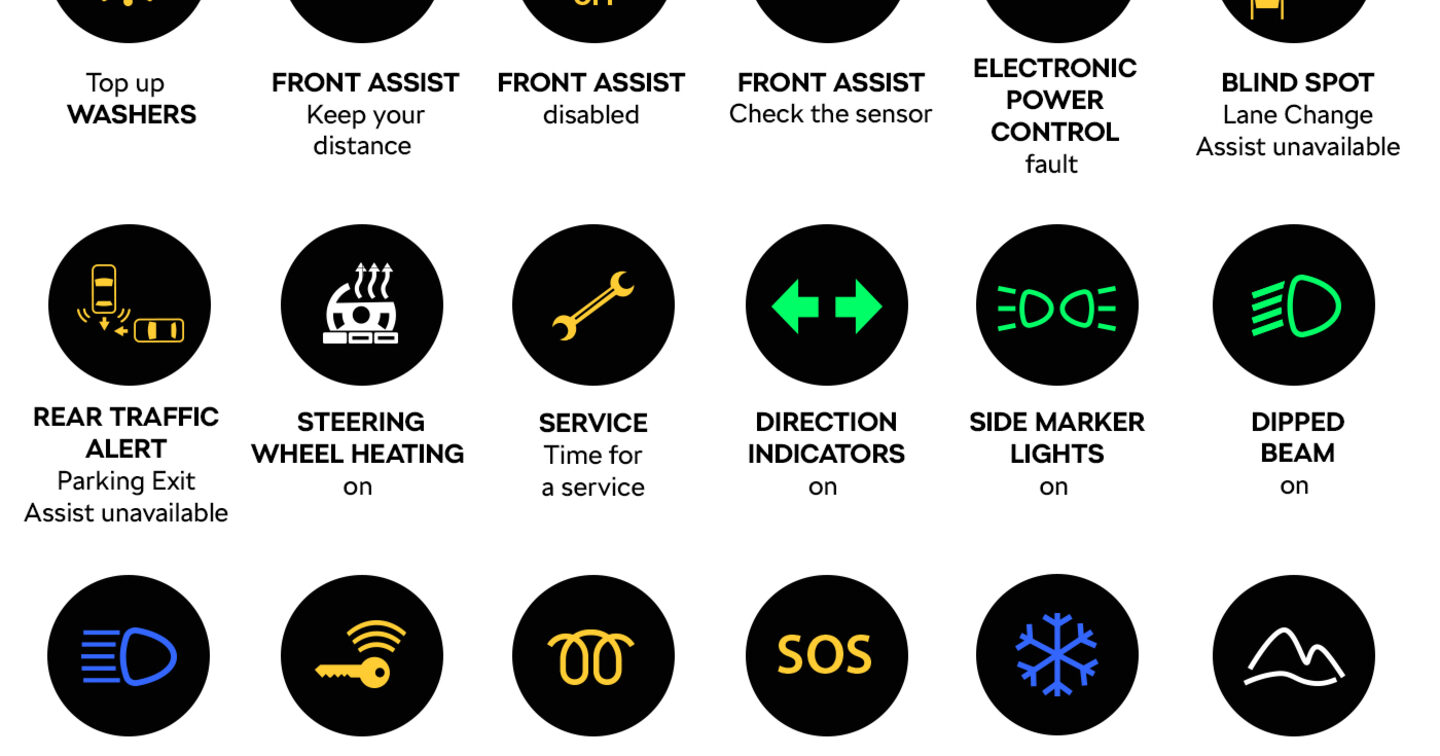
- Turn signal indicators
- High beam headlight indicator
- Cruise control active
- Fog light indicator
Credit: www.browningsuzuki.co.uk
Engine And Transmission Indicators
Car dash lights help you understand your vehicle’s condition. Engine and transmission indicators warn about issues.
Knowing these lights can save you from costly repairs and keep you safe on the road.
Check Engine Light
The check engine light shows a problem with your engine or emissions system. It can be caused by many issues.
Common reasons include a loose gas cap, faulty sensor, or engine misfire. Do not ignore this light.
- Loose or missing gas cap
- Oxygen sensor failure
- Engine misfire
- Faulty spark plugs or wires
Transmission Warning Light
This light alerts you to transmission problems. It may flash or stay on depending on the issue.
Transmission problems can cause shifting issues or damage. Stop driving and check if the light stays on.
- Low transmission fluid
- Overheating transmission
- Sensor or solenoid failure
- Worn transmission parts
Oil Pressure Warning
The oil pressure warning light means your engine oil is low or not circulating well. This can cause damage fast.
Stop your car and check the oil level. If oil is fine, the problem could be with the oil pump or pressure sensor.
- Low engine oil level
- Oil pump failure
- Clogged oil filter
- Faulty oil pressure sensor
Safety And Security Alerts
Your car’s dashboard lights help keep you safe. They warn you about important issues that need attention.
Understanding these lights can prevent accidents and costly repairs. Below are key safety alerts to watch for.
Airbag Warning Light
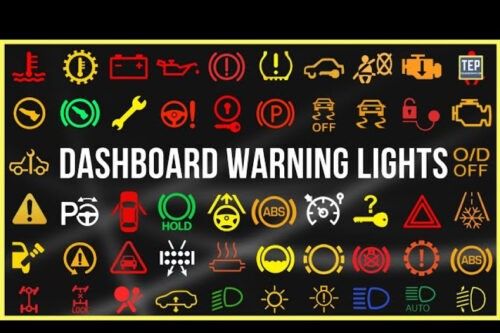
The airbag warning light shows if there is a problem with the airbag system. It looks like a person with a circle in front.
If this light stays on, your airbags may not work in a crash. You should have your car checked by a mechanic right away.
Brake System Warning
This warning light signals an issue with your brakes. It often looks like an exclamation mark inside a circle.
- Check the brake fluid level.
- Ensure the parking brake is fully released.
- Listen for unusual sounds when braking.
- Visit a mechanic if the light stays on.
Ignoring this light can lead to brake failure and unsafe driving conditions.
Seatbelt Reminder
The seatbelt reminder light alerts you to fasten your seatbelt. It usually looks like a person with a seatbelt across them.
| Light Status | What to Do |
|---|---|
| Flashing | Fasten your seatbelt immediately. |
| Steady On | Seatbelt may be loose or faulty. Check and adjust. |
| Off | Seatbelt is fastened properly. |
Credit: www.zigwheels.my
Battery And Electrical Signals
Car dashboard lights help you understand your vehicle’s condition. Battery and electrical signals show if your car’s power system works well.
These signals warn you about charging problems, alternator faults, and electrical system issues. Knowing their meaning keeps your car running safely.
Battery Charge Warning
The battery charge warning light looks like a battery symbol on your dash. It means the battery is not charging properly.
This can happen if the battery is old or the charging system has a problem. You should check the battery and cables for damage or loose connections.
Alternator Alert
The alternator alert light often shows as a circle with a plus and minus sign. It means the alternator is not working well.
- Alternator belt may be broken or loose
- Electrical wiring could be damaged
- Alternator itself might need repair or replacement
If this light stays on while driving, your car may lose power soon. Have a mechanic check it immediately.
Electrical System Issues
| Signal | Meaning | Action |
|---|---|---|
| Battery Icon | Battery not charging | Inspect battery and cables |
| Alternator Warning | Alternator fault | Check belt and wiring |
| Check Engine Light | Electrical fault detected | Scan with diagnostic tool |
| ABS Light | Anti-lock braking system issue | Test brake system |
Tire And Traction Warnings
Your car has warning lights to keep you safe. Tire and traction warnings tell you about road grip and tire health.
Knowing these lights helps you fix problems early. This can stop accidents and keep your ride smooth.
Tire Pressure Monitoring
The Tire Pressure Monitoring System (TPMS) light shows when your tire pressure is low. Low tire pressure can cause poor handling and more tire wear.
Check your tires with a pressure gauge. Inflate tires to the pressure listed in your car’s manual or door sticker.
- Low pressure lowers fuel efficiency
- Underinflated tires can overheat
- Proper pressure improves safety
Traction Control Light
The traction control light comes on when the system works to stop wheel slip. This helps keep your car stable on slippery roads.
If the light stays on, the system may have a fault. Drive carefully and get the system checked by a mechanic.
- Helps prevent skidding
- Works in rain, snow, and ice
- Improves vehicle control
Abs Warning Light
The ABS warning light means there is a problem with the Anti-lock Braking System. ABS stops your wheels from locking during hard braking.
If this light stays on, your brakes may work less well on slippery surfaces. Have your brakes checked soon.
- ABS helps keep steering control
- Light on means ABS may not work
- Normal brakes still work without ABS
Fluid And Temperature Alerts
Car dash lights help drivers know the status of their vehicle. Fluid and temperature alerts are crucial for car safety. Understanding these alerts can prevent serious car problems.
This guide will explain what each alert means. You will learn about coolant temperature, fuel level, and washer fluid warnings.
Coolant Temperature Warning
The coolant temperature warning light shows if the engine is overheating. An overheating engine can lead to damage. It is important to stop and check the coolant level if this light appears.
Drivers should let the engine cool before checking under the hood. Driving with an overheating engine is not safe.
Low Fuel Indicator
The low fuel indicator warns when fuel is running low. This light reminds drivers to refuel soon. Running out of fuel can leave you stranded.
It is a good habit to refuel when the tank is one-quarter full. This ensures you have enough fuel for emergencies.
Washer Fluid Reminder
The washer fluid reminder lights up when the fluid is low. Washer fluid helps keep the windshield clean for safe driving.
Regularly check and fill the washer fluid tank. Clean windshields improve visibility and safety on the road.
- Coolant temperature warning shows engine overheating
- Low fuel indicator reminds to refuel
- Washer fluid reminder ensures clear windshields
How To Respond To Dash Lights
Car dashboard lights are important indicators of your vehicle’s health. Understanding what they mean can help you take the right action quickly.
These lights are usually color-coded to show their severity. Red lights often need immediate attention, while green and blue lights are usually informational.
Immediate Actions For Red Lights
Red lights on your dashboard warn of serious issues. Ignoring them could lead to costly repairs or dangerous driving conditions.
- Stop the car safely and turn off the engine.
- Check the owner’s manual for guidance.
- Contact a professional mechanic if needed.
Monitoring Yellow And Orange Lights
Yellow and orange lights suggest caution. They often indicate issues that need attention but are not immediately dangerous.
Routine Checks For Green And Blue Lights
Green and blue lights are generally informational. They show that certain features are active.
| Light Color | Meaning |
| Green | System is operational |
| Blue | High beams are on |
Tools To Help Decode Dash Lights
Dash lights on a car’s dashboard show important information. They warn you about issues or remind you of maintenance. Knowing what each light means helps keep your car safe and running well.
There are several tools you can use to understand these warning lights. These tools range from simple guides to advanced devices.
Using The Owner’s Manual
The owner’s manual is the best place to start. It explains all the dash lights specific to your car model. Manuals show what each symbol means and what to do next.
Keep the manual in your car. It helps you quickly check the meaning of any warning light. This tool is free and easy to use.
Mobile Apps And Scanners
Mobile apps can read your car’s error codes. You connect them to your car with a scanner or Bluetooth device. Apps translate codes into simple messages.
These tools help you understand problems without visiting a mechanic. Some apps offer advice on fixing minor issues or suggest when to seek help.
- Easy to carry and use
- Provide instant error code reading
- Some apps have maintenance reminders
Professional Diagnostic Services
Mechanics have special diagnostic machines. These tools read detailed information from your car’s computer. They find hidden problems that dash lights may not show.
Professionals give accurate advice and fix issues safely. Use this service if dash lights stay on or you notice strange car behavior.
Frequently Asked Questions
What Do Common Car Dash Lights Mean?
Car dash lights indicate vehicle status or issues. Red lights show urgent problems, yellow mean warnings, and green or blue are informational. Understanding these helps you act promptly and maintain safety.
Why Is My Check Engine Light On?
The check engine light signals engine or emission issues. It can mean anything from a loose gas cap to serious engine trouble. A diagnostic scan helps identify the exact cause quickly.
What Should I Do If The Oil Light Appears?
The oil light warns of low oil pressure or level. Stop driving immediately to avoid engine damage. Check the oil level and add oil if needed, then see a mechanic.
How To Interpret The Battery Dash Light?
The battery light means a charging system problem. It could be a faulty alternator, battery, or wiring issue. Have your vehicle inspected to prevent a breakdown.
Conclusion
Car dash lights give important clues about your car’s health. Knowing their meanings helps you act fast. Some lights show minor issues, while others warn of serious problems. Always check your car manual for details. Staying alert can prevent costly repairs and keep you safe.
Don’t ignore any warning lights on your dashboard. A quick visit to a mechanic may save you trouble later. Understanding these signals makes driving easier and safer for everyone. Keep your car in good shape by paying attention to dash lights.







