
Changing your car’s oil yourself can save you money and give you a sense of accomplishment. But to do it right, you need the right tools.
If you’re wondering which tools are must-haves and how each one works, you’re in the right place. This guide breaks down all the DIY oil change tools in simple terms, so you can feel confident and ready to tackle your next oil change.
Keep reading to discover exactly what you need and why it matters for your car’s health and your peace of mind.
Basic Tools For Oil Changes
Doing your own oil change saves money and helps you learn about your car. You need some basic tools to do the job safely and cleanly.
This guide explains the main tools you will use during an oil change. Each tool has a simple role to make the process easier.
Wrenches And Sockets
Wrenches and sockets help you remove the oil drain plug. You must choose the right size to avoid damage. A ratchet wrench with sockets makes the job faster.
- Open-end wrench
- Socket wrench set
- Adjustable wrench
- Torque wrench (optional)
Oil Drain Pan
The oil drain pan catches old oil as it drains from your engine. Pick a pan that holds enough oil for your car’s engine size.
| Feature | Why It Matters |
|---|---|
| Size | Must hold all drained oil without spilling |
| Material | Durable plastic or metal resists damage |
| Shape | Wide opening to catch oil easily |
| Pour spout | Makes it easy to transfer oil for disposal |
Funnel And Rags
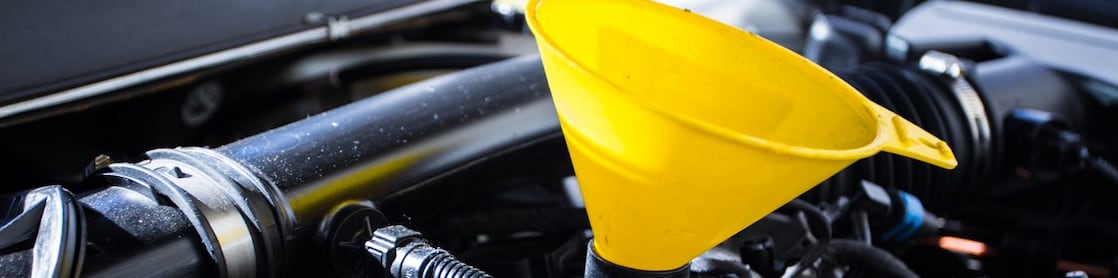
A funnel helps pour new oil into the engine without spilling. Rags clean up spills and wipe your hands during the job.
Use the funnel and rags like this:
- Place funnel in oil fill hole before pouring oil.
- Keep rags nearby for quick cleanups.
- Wipe off the dipstick with a rag before checking oil level.
Credit: www.pennzoil.com
Specialized Equipment
Changing your car’s oil at home needs the right tools. Using specialized equipment makes the job easier and safer.
This guide explains some key tools for a DIY oil change. Knowing these tools helps you work better on your vehicle.
Oil Filter Wrench Types
An oil filter wrench helps remove the oil filter. Filters can be tight and hard to reach without one.
There are different types of oil filter wrenches. Each type fits different filters and situations.
- Band Wrenches: Use a metal band that tightens around the filter.
- Cap Wrenches: Fit over the end of the filter like a cap.
- Chain Wrenches: Use a chain to grip large or odd-shaped filters.
- Claw Wrenches: Have claws that grab the filter when turned.
Oil Extractor Pumps
Oil extractor pumps remove oil without needing to get under the car. They use suction to pull oil out through the dipstick tube.
This tool is helpful if you have limited space or no access to the drain plug. It keeps your workspace cleaner.
- Manual Pumps: Hand-operated with a simple pump action.
- Electric Pumps: Use a motor to extract oil faster.
- Vacuum Pumps: Create suction by pulling air out.
Torque Wrenches
Torque wrenches help tighten bolts to the right level. Too loose or too tight bolts can cause problems.
This tool ensures bolts like the drain plug are secure. It prevents leaks and damage from over-tightening.
- Click Torque Wrenches: Click when the set torque is reached.
- Beam Torque Wrenches: Use a scale to read torque level.
- Digital Torque Wrenches: Show torque on a digital screen.
Choosing The Right Tools
Changing your oil by yourself saves money and helps you learn about your car. Picking the right tools is important. The right tools make the job easier and safer.
There are many tools for an oil change. You need to choose ones that fit your car and last a long time. Your budget also matters. Let’s look at key points to help you choose.
Compatibility With Vehicle Models
Not all tools work with every car. Your vehicle’s make and model affect which tools fit. For example, oil filter wrenches come in different sizes.
Check your car manual or online to find the right tool sizes. Using the wrong size can damage parts or make the job harder.
- Know your car’s oil filter size
- Choose wrenches that match your drain plug
- Use tools designed for your vehicle type
Durability And Material
Tools must be strong and last through many uses. Look for tools made from tough materials like steel or chrome vanadium.
Cheap tools may break or wear out fast. Durable tools save money over time because you do not replace them often.
- Steel tools resist bending and breaking
- Chrome vanadium tools resist rust and corrosion
- Good grips improve safety and comfort
Budget Considerations
Tools come in many price ranges. Decide how much you want to spend before buying. Sometimes spending a little more means better quality.
Basic kits can work well for beginners. More advanced tools cost more but may save time and effort.
- Set a budget before shopping
- Buy only tools you need now
- Consider tool kits for savings
- Check reviews for value and quality

Credit: www.youtube.com
Tool Maintenance Tips
Keeping your DIY oil change tools in good condition helps them last longer. Proper care also keeps your work safe and easy. This guide covers simple ways to maintain your tools.
Following these tips will save you money and avoid frustrations during your oil changes. Learn how to clean, inspect, and replace your tools correctly.
Cleaning And Storage
After each use, clean your tools to remove oil, dirt, and debris. Store them in a dry place to prevent rust and damage. Proper storage keeps your tools ready for the next job.
- Wipe tools with a clean cloth after use
- Use mild soap and water for stubborn grease
- Dry tools completely before storing
- Keep tools in a toolbox or on a rack
- Store in a cool, dry area away from moisture
Regular Inspection
Check your tools often to spot any damage or wear. Regular inspection helps you fix problems early. This keeps your tools safe and effective.
| Tool | What to Check | Signs of Wear |
| Oil Filter Wrench | Grip and teeth | Slipping or bent teeth |
| Socket Wrench | Handle and socket fit | Loose socket or cracks |
| Drain Pan | No leaks or cracks | Cracks or holes |
| Funnel | Clear passage | Clogs or cracks |
Replacing Worn-out Tools
Using worn-out tools can cause mistakes or injury. Replace tools that no longer work well. This keeps your oil change process safe and smooth.
Signs that you should replace a tool:
- Rust or corrosion that cannot be cleaned
- Broken or bent parts
- Tools that slip or do not fit properly
- Cracks in plastic or rubber components
Investing in good replacements protects your vehicle and yourself.
Safety Gear For Diy Oil Changes
Changing your car’s oil yourself saves money and gives you control. Safety gear helps protect you from spills and injuries.
Using the right safety gear makes the process safer and cleaner. It also keeps your skin and clothes safe from harmful oil.
Gloves And Eye Protection
Wear gloves to keep oil off your skin. They prevent irritation and keep your hands clean.
Eye protection stops oil or dirt from getting into your eyes. Safety glasses are a simple but important tool.
- Use nitrile gloves for oil resistance
- Choose gloves that fit well and are disposable
- Wear safety glasses or goggles
- Avoid touching your face during the change
Protective Clothing
Wear old clothes or a coverall to protect from oil stains. Oil can be hard to remove from fabric.
Long sleeves and pants protect your skin from hot oil and dirt. Closed shoes keep your feet safe from spills.
- Use a long-sleeve shirt and pants
- Wear shoes that cover your feet completely
- Keep a change of clothes nearby
- Consider an apron or coverall for extra protection
Proper Workspace Setup
Choose a flat, stable area with good light for your oil change. This helps you work safely and see well.
Keep tools and safety gear close by. Clean spills immediately to avoid slips or accidents.
- Work on a level surface like a driveway or garage floor
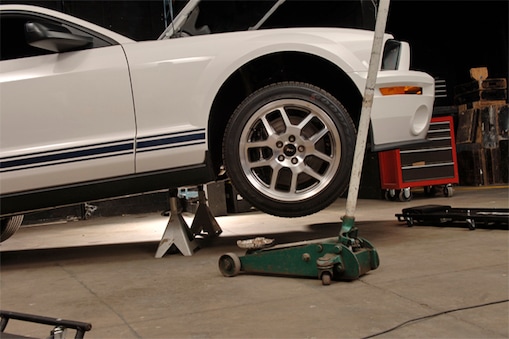
- Use ramps or jack stands safely to lift the car
- Have a drip pan under the oil drain plug
- Keep rags and cleaning supplies ready
Where To Buy Quality Tools
Changing your car’s oil at home can save money. You need quality tools to do it right. Let’s find out where to get them.
There are many places to buy tools for an oil change. Some options are nearby and some online. Let’s explore each choice.
Local Auto Shops
Local auto shops are a great place to find tools. They often have a variety of options. You can see the tools before buying them. Ask staff for advice if needed.
Check prices at a few shops. This helps you find the best deal. Local shops may offer special sales.
Online Retailers
Online retailers have a wide range of tools. You can compare prices easily. Many websites offer customer reviews.
Look for free shipping deals. Some sites provide discounts for first-time buyers. Make sure to check return policies.
- Amazon
- eBay
- Walmart
- AutoZone
Second-hand Options
Second-hand options can save you money. Check local classifieds or online marketplaces. Many people sell tools they no longer need.
Inspect tools carefully before buying. Ensure they are in good condition. Ask the seller questions about the tool’s history.
- Garage sales
- Flea markets
- Craigslist
- Facebook Marketplace
Credit: www.pennzoil.com
Frequently Asked Questions
What Essential Tools Are Needed For A Diy Oil Change?
Essential tools include an oil filter wrench, drain pan, socket wrench, funnel, and gloves. These help you safely and efficiently change oil at home.
How Do I Choose The Right Oil Filter Wrench?
Select an oil filter wrench that fits your car’s filter size. Adjustable or cap-style wrenches offer better grip and ease during removal.
Can I Reuse Oil Change Tools Safely?
Yes, you can reuse tools if cleaned properly after each use. Avoid cross-contamination by wiping off oil residue and storing tools in a dry place.
How Do I Dispose Of Used Oil After A Diy Change?
Collect used oil in a sealed container and take it to a recycling center. Never pour oil down drains or on the ground.
Conclusion
Changing your oil at home can save money and time. Knowing the right tools makes the job easier and safer. A good oil filter wrench, drain pan, and funnel are key. Using the correct tools helps avoid spills and messes.
Always follow your car’s guide for oil type and amount. Regular oil changes keep your engine running smooth and long. Start with simple tools and learn step by step. You will gain confidence with each oil change you do. Keep your car healthy by staying on top of maintenance.
Simple tools and basic steps make DIY oil changes possible.







