
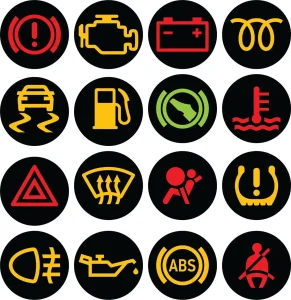
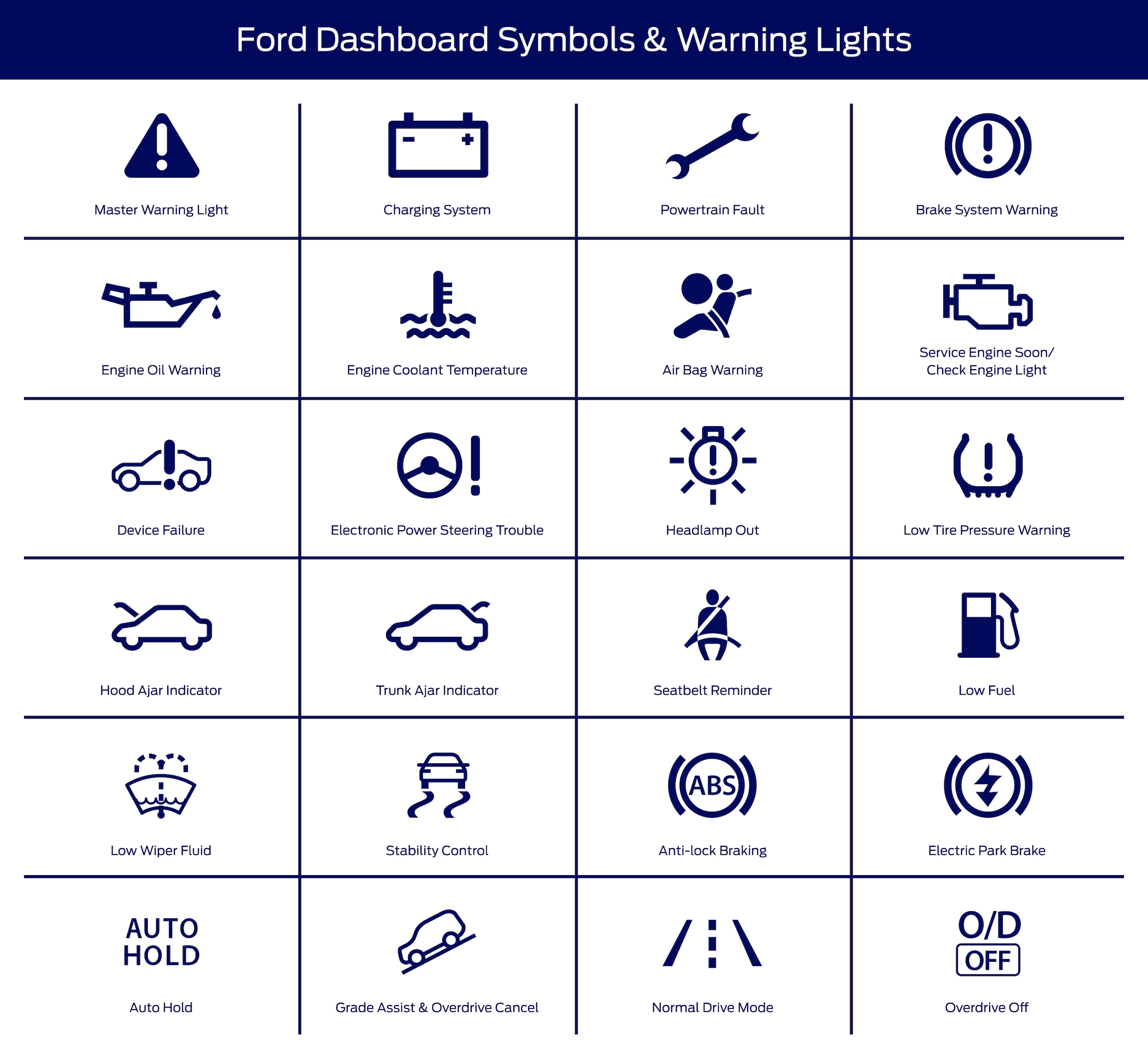
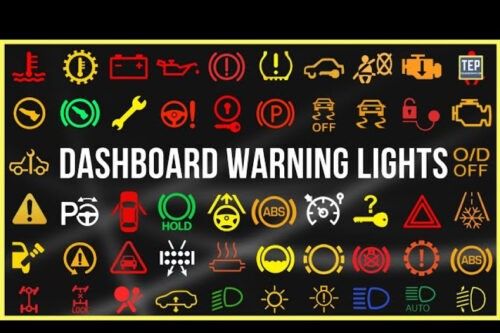
Have you ever glanced at your car’s dashboard and wondered what all those blinking lights mean? Understanding your car lights is key to keeping your vehicle safe and running smoothly.
Whether it’s a warning light or a signal, each one tells you something important about your car’s health. You’ll learn exactly what those lights mean and what you should do when they appear. By the end, you’ll feel confident and ready to take control the next time a light pops up on your dashboard.
Keep reading—your car and your safety depend on it!
Types Of Car Lights
Car lights help drivers see and be seen. They make driving safer for everyone on the road.
Different lights have different jobs. Each type of light tells other drivers what you are doing.
Headlights
Headlights shine bright light in front of the car. They help you see the road at night or in the dark.
There are two main types: low beam and high beam. Low beams are for regular driving. High beams are for very dark roads.
Tail Lights
Tail lights are red lights at the back of the car. They turn on when the headlights are on to show your car’s position.
They help other drivers see your car from behind, especially in low light or bad weather.
Brake Lights
Brake lights are bright red lights at the back. They turn on when you press the brake pedal.
These lights warn drivers behind you that you are slowing down or stopping.
Turn Signals
Turn signals blink on the front and back corners of the car. They show your intention to turn or change lanes.
Use turn signals before turning left or right to alert other drivers and pedestrians.
Fog Lights
Fog lights are low, wide lights on the front of the car. They help you see in fog, heavy rain, or snow.
Fog lights reduce glare and improve visibility close to the road surface.
Hazard Lights
Hazard lights flash all the turn signals at once. They warn others that your car is stopped or in trouble.
Turn on hazard lights if you have an emergency or your car breaks down.
Credit: www.streettrucksmag.com
Purpose Of Each Light
Car lights serve different purposes to keep drivers safe. Each light has a specific role on the road. Understanding these lights helps you drive better and avoid accidents.
This guide explains the main functions of car lights. It covers how lights help you see, signal, warn, and stay visible in bad weather.
Illuminating The Road
Headlights light up the road ahead at night or in dark places. They help drivers see obstacles, signs, and other vehicles clearly. High beams give extra brightness on empty roads but can blind others.
Signaling Intentions
Turn signals and brake lights tell others what you plan to do. Turn signals flash to show you will turn left or right. Brake lights shine brighter when you slow down or stop.
- Turn signals blink to show direction changes
- Brake lights warn drivers behind you are slowing
- Hazard lights flash all turn signals for emergencies
Warning Other Drivers
| Light Type | Purpose | When to Use |
| Hazard Lights | Alert others of danger or stopped vehicle | Breakdowns, accidents, or slow traffic |
| Fog Lights | Improve visibility in fog or heavy rain | Use only in poor weather conditions |
| Brake Lights | Signal slowing or stopping | Every time you apply brakes |
Enhancing Visibility In Poor Conditions
Fog lights and daytime running lights help others see your car better. They reduce glare and improve safety in rain, fog, or snow. Using the right lights at the right time keeps everyone safer.
Tips for Using Lights in Bad Weather:
- Turn on fog lights in foggy or snowy weather
- Use low beams to avoid blinding other drivers
- Keep lights clean for better visibility
When To Use Different Lights
Car lights help drivers see and be seen. Using the right light at the right time is very important for safety. Different situations need different lights.
This guide explains when to use headlights, fog lights, brake lights, turn signals, and emergency flashers.
Night Driving
Use low beam headlights at night to see the road clearly without blinding other drivers. High beams work well on dark, empty roads but switch back to low beams when you see another car.
Foggy And Rainy Weather
Fog and heavy rain reduce visibility. Use fog lights or low beams to cut through the fog without causing glare. Do not use high beams in foggy conditions.
- Turn on fog lights if your car has them.
- Use low beam headlights to improve visibility.
- Avoid high beams to prevent glare.
- Drive slowly and keep a safe distance.
Stopping And Slowing Down
Brake lights warn drivers behind you that you are slowing down or stopping. Press the brake pedal early to alert others in time.
| Light | When to Use |
| Brake Lights | When slowing down or stopping |
| Hazard Lights | When stopped on the road or in an emergency |
Changing Lanes And Turning
Turn signals show your intention to change lanes or turn. Always signal before you move to help others understand your actions.
- Signal at least 100 feet before turning.
- Keep the signal on until you complete the turn.
- Check mirrors and blind spots before moving.
Emergency Situations
Use emergency flashers if your car breaks down or you need to stop suddenly. They warn other drivers to slow down and be careful.
- Turn on hazard lights if stopped on the road.
- Use them in heavy traffic or bad weather if you drive slowly.
- Keep hazard lights off while driving normally.
Credit: www.bayshoreford.com
Legal Requirements For Car Lights
Car lights help drivers see and be seen on the road. Laws require certain lights to keep everyone safe.
These rules cover what lights must be on a car, their colors, and when to use them.
Mandatory Lights
Cars must have specific lights by law. These include headlights, taillights, and turn signals.
These lights help drivers see the road and show other drivers your actions.
- Headlights for night and low visibility
- Taillights to show the back of the car
- Brake lights to signal slowing or stopping
- Turn signals to indicate direction changes
- Reverse lights to warn when backing up
Light Color Regulations
The law sets colors for car lights to avoid confusion. Each color means a specific action.
- White or yellow for front headlights
- Red for rear lights and brake lights
- Amber or orange for turn signals
- White for reverse lights only
Using wrong colors can mislead other drivers and cause accidents.
Usage Restrictions
Car lights must be used properly. Using them at wrong times can be illegal.
High beams should dim when another car approaches. Fog lights are for poor weather only.
- Use headlights from dusk to dawn
- Turn signals must flash before turning
- Do not use fog lights in clear weather
- Dim high beams near other vehicles
Penalties For Non-compliance
Failing to follow car light laws can lead to fines and points on your license.
In some cases, unsafe lights can cause your car to fail inspections.
- Fines for broken or missing lights
- Penalties for wrong light colors
- Tickets for improper light usage
- Vehicle inspection failure
Common Car Light Malfunctions
Car lights are important for safe driving. They help you see and be seen on the road.
Sometimes, car lights stop working right. Knowing common problems can help you fix them fast.
Burnt Out Bulbs
Burnt out bulbs are the most common light problem. Lights stop shining when the bulb burns out.
Replacing burnt out bulbs is easy. Check your car manual for the right bulb type.
- Headlights can burn out over time
- Brake lights need to be bright and visible
- Turn signals must flash properly
- Check bulbs regularly for safety
Electrical Issues
Electrical problems can cause lights to flicker or stop working. Wiring or fuses may be faulty.
Wiring can get loose or damaged. Fuses protect the circuit and can blow if there is a short.
- Check fuses if lights do not work
- Inspect wiring for cuts or loose connections
- Electrical problems need careful repair
Dirty Or Obstructed Lights
Lights covered in dirt or snow shine less brightly. This reduces your visibility on the road.
Keep headlights and tail lights clean. Clear off snow, mud, or other objects that block the light.
- Regularly clean your car’s lights
- Remove snow and ice in winter
- Check for stickers or objects blocking lights
Sensor Failures
Modern cars have sensors that control some lights. Sensors can fail and cause warning lights to stay on.
Sensor failures may affect automatic headlights or brake lights. A mechanic can diagnose sensor problems.
- Automatic lights may not turn on or off
- Brake light sensors may cause false warnings
- Sensor repairs need special tools
Maintaining And Checking Car Lights
Car lights are essential for safety while driving. They help you see and be seen by others.
Regular checks and maintenance ensure they work effectively. Let’s explore how to maintain them.
Regular Inspections
Inspect your car lights regularly to ensure they are working. Check for any dim or burnt-out bulbs.
- Turn on all lights and walk around the car.
- Check headlights, tail lights, and indicators.
- Look for cracks or fogging in the lenses.
Replacing Bulbs
Bulbs can burn out and need replacing. Check your car manual for the correct bulb type.
- Turn off the car and open the hood.
- Locate the bulb housing and remove the old bulb.
- Insert the new bulb and secure the housing.
Cleaning Lenses
Dirty lenses can reduce light output. Clean them regularly for clear visibility.
Upgrading To Modern Lighting
Consider upgrading to modern lighting for better efficiency. LED lights are a popular choice.
| Lighting Type | Benefits |
| Halogen | Cost-effective, easy to replace |
| Xenon | Brighter, longer lifespan |
| LED | Energy-efficient, durable |
Advanced Lighting Technologies
Modern cars have advanced lighting to improve safety and visibility. These technologies help drivers see better in different conditions.
Understanding these lights can help you choose the best options for your vehicle. Let’s explore some of these advanced lighting technologies.
Led Lights
LED lights are energy-efficient and long-lasting. They provide bright and clear illumination.
- Consume less power than traditional lights
- Have a longer lifespan
- Offer better visibility at night
Adaptive Headlights
Adaptive headlights adjust direction with the steering wheel. They help illuminate curves and corners on the road.
| Feature | Benefit |
| Directional Adjustment | Improves visibility on bends |
| Automatic Leveling | Reduces glare for oncoming traffic |
Automatic High Beams
Automatic high beams switch between high and low beams. They detect oncoming traffic to reduce glare.
Daytime Running Lights
Daytime running lights increase visibility during the day. They make your vehicle more noticeable to others.
Credit: www.zigwheels.my
Frequently Asked Questions
What Do Different Car Light Colors Indicate?
Car light colors signal specific actions or warnings. White lights are for headlights, red for brakes, amber for turn signals, and blue for high beams. Each color helps drivers understand vehicle intentions and road conditions quickly, enhancing safety and communication on the road.
Why Is My Car’s Check Engine Light On?
The check engine light indicates a problem with the engine or emissions system. It can mean anything from a loose gas cap to a serious engine issue. Always get it diagnosed promptly to avoid potential damage or costly repairs.
When Should I Use My Car’s Fog Lights?
Use fog lights in low visibility conditions like fog, heavy rain, or snow. They emit a low, wide beam to reduce glare and improve road visibility. Avoid using fog lights in clear weather to prevent dazzling other drivers.
What Does A Blinking Car Dashboard Light Mean?
A blinking dashboard light usually signals a serious issue needing immediate attention. For example, a blinking check engine light may indicate engine misfire. It’s important to stop driving safely and seek professional help to prevent further damage.
Conclusion
Car lights tell a lot about your car’s condition and safety. Knowing what each light means helps you stay safe on the road. It also prevents costly repairs by spotting problems early. Pay attention to the colors and symbols of your car lights.
Always respond quickly if a warning light appears. This simple knowledge makes driving easier and safer. Keep this guide in mind whenever you see your car lights glow. Stay alert, drive carefully, and keep your car in good shape.







