
Have you ever felt unsure if your tires are properly inflated? Carrying a tire pressure gauge can be a game-changer for your safety and your wallet.
It puts you in control, helping you avoid unexpected flats and improve fuel efficiency. Imagine stopping roadside with confidence, knowing exactly what your tires need. Keep reading to discover why having this simple tool with you can make all the difference every time you hit the road.
Credit: simpletire.com
Why Tire Pressure Matters
Keeping the right tire pressure is very important for every vehicle owner. It helps the car work well and keeps you safe on the road.
Checking tire pressure often can save money and prevent problems. A tire pressure gauge is a useful tool for this task.
Impact On Vehicle Safety
Correct tire pressure helps your car stay stable and stop quickly. Low pressure can make tires overheat and cause a blowout. Too much pressure reduces the contact between tire and road.
- Proper pressure improves steering control
- Reduces risk of tire failure
- Helps avoid accidents caused by poor tire grip
Effect On Fuel Efficiency
Underinflated tires make your engine work harder. This uses more fuel and costs you money. Keeping tires at the right pressure saves fuel and reduces pollution.
| Tire Pressure Level | Fuel Efficiency Impact |
| Low Pressure | Increases fuel use by up to 10% |
| Correct Pressure | Optimal fuel use |
| High Pressure | May improve fuel use but reduces safety |
Tire Longevity And Wear
Tires last longer with proper pressure. Wrong pressure causes uneven wear and early tire replacement. Checking pressure often keeps your tires safe and saves money.
- Check tire pressure monthly
- Use a reliable tire pressure gauge
- Adjust pressure before long trips
- Check pressure when tires are cold
Role Of A Tire Pressure Gauge
A tire pressure gauge helps check the air pressure inside your tires. Proper tire pressure improves safety and fuel efficiency.
Using a tire pressure gauge regularly prevents tire wear and reduces the chance of accidents.
How It Works
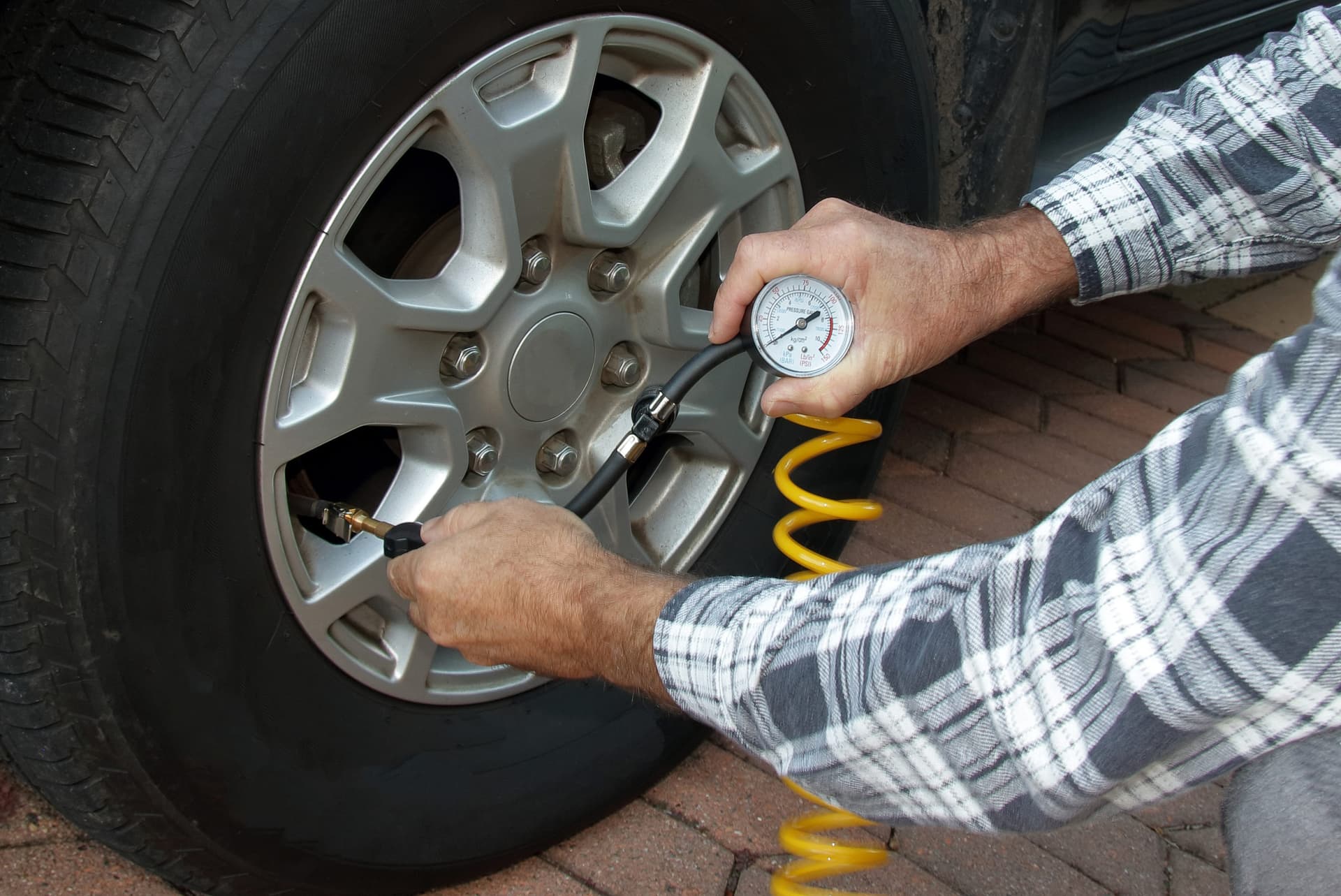
The gauge measures the pressure by connecting to the tire valve stem. It shows the pressure reading on a dial or digital display.
- Place the gauge on the tire valve firmly.
- Read the pressure value shown on the gauge.
- Compare the value with the recommended tire pressure.
- Add or release air as needed to reach the correct pressure.
Types Of Gauges Available
There are different types of tire pressure gauges. Each type has unique features and display styles.
| Type | Description | Advantages |
|---|---|---|
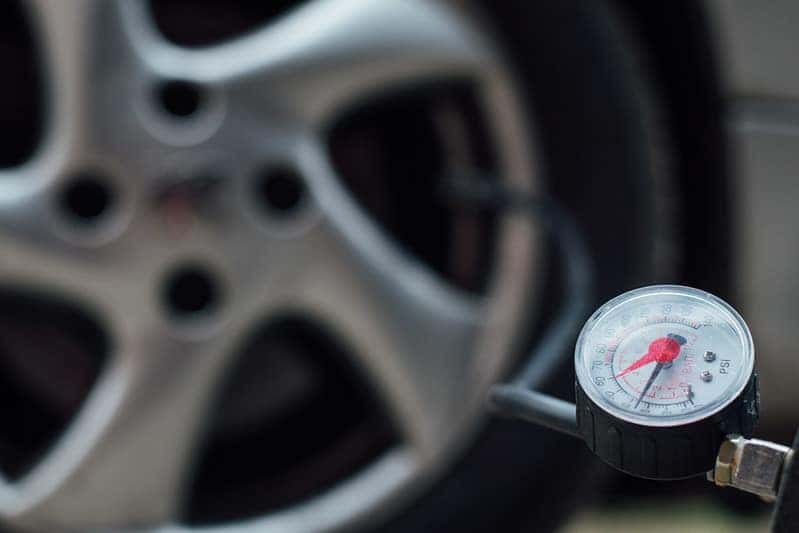
| Analog Dial Gauge | Uses a needle and dial to show pressure. | Easy to read, no batteries needed. |
| Digital Gauge | Shows pressure on a digital screen. | Accurate readings, easy to use. |
| Stick or Pencil Gauge | Sliding stick that shows pressure. | Compact and simple design. |
Benefits Of Regular Tire Pressure Checks
Keeping the right tire pressure is very important for your car’s safety and performance. Checking tire pressure often helps you avoid problems on the road.
Using a tire pressure gauge is an easy way to make sure your tires have the correct air level. This small tool can save you time and money.
Preventing Accidents
Proper tire pressure helps your car grip the road well. Underinflated tires can cause poor handling and longer stopping distances.
Checking tire pressure regularly reduces the risk of tire blowouts. This lowers your chance of accidents caused by sudden tire failure.
- Better control on wet or slippery roads
- Less chance of tire blowouts
- Improved braking performance
Saving Money On Repairs
Keeping tires at the right pressure helps them last longer. Over or underinflated tires wear out faster and unevenly.
Good tire pressure lowers fuel use. Your car uses less gas when tires roll smoothly, saving you money on fuel.
- Longer tire life
- Lower fuel costs
- Fewer repairs from tire damage
Improving Driving Comfort
Correct tire pressure helps your car ride smoothly. Tires that are too hard or too soft make the ride bumpy.
Balanced tire pressure reduces road noise and vibration. This makes driving more comfortable and less tiring.
- Smoother ride on all road surfaces
- Less noise inside the car
- Reduced vibration for better comfort
When And How To Use A Tire Pressure Gauge
Carrying a tire pressure gauge is essential for vehicle safety. It helps you maintain the right tire pressure, improving fuel efficiency and tire lifespan.
Knowing when and how to use a tire pressure gauge ensures your tires are always in optimal condition.
Ideal Times For Checking Pressure
Checking tire pressure regularly can prevent accidents and save money. Here are the best times to do so:
- Before long trips
- When the weather changes
- Every month
- After hitting a pothole
Step-by-step Usage Guide
Using a tire pressure gauge is simple and quick. Follow these steps to ensure accurate readings:
| Step | Action |
| 1 | Remove the valve cap from the tire |
| 2 | Press the gauge onto the valve stem |
| 3 | Read the pressure level on the gauge |
| 4 | Compare with the recommended pressure |
| 5 | Add or release air as needed |
| 6 | Replace the valve cap |
Choosing The Right Tire Pressure Gauge
Carrying a tire pressure gauge helps keep your tires safe and lasts longer. It lets you check tire air pressure anytime.
Picking the right gauge makes checking pressure easy and accurate. This guide helps you choose the best one.
Features To Look For
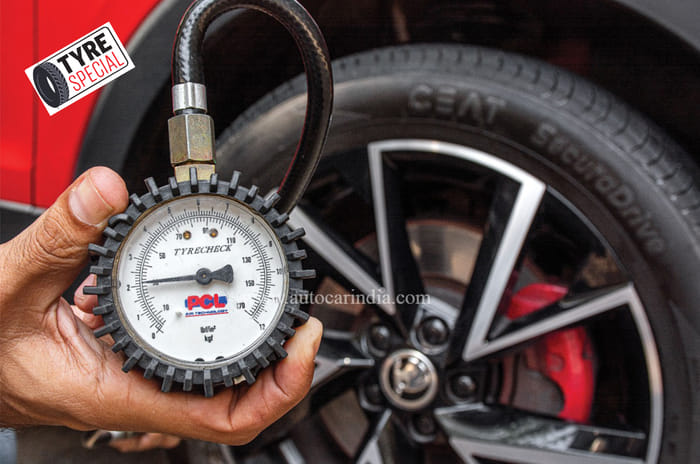
Look for a gauge that is easy to read and use. The dial or digital screen should be clear in any light.
Choose a gauge with a strong, durable build. It should resist drops and rough handling during travel.
- Clear and easy-to-read display
- Durable and sturdy design
- Accurate pressure readings
- Fits standard tire valves
- Compact size for easy carrying
Budget Vs. Quality
Cheap gauges may save money but often lack accuracy. Poor quality can give wrong pressure readings.
Higher quality gauges cost more but last longer and are more reliable. They help keep tires safer.
- Low-cost: Less durable and less accurate
- Mid-range: Good balance of price and quality
- High-end: Very accurate, long-lasting, often with extra features
Credit: www.autocarindia.com
Common Mistakes To Avoid
Carrying a tire pressure gauge helps keep your tires safe and efficient. Many drivers make mistakes that reduce the gauge’s usefulness.
Avoiding these errors can save you from tire damage and improve your car’s performance on the road.
Ignoring Pressure Fluctuations
Tire pressure changes with temperature and driving conditions. Ignoring these changes can lead to unsafe driving.
Check your tire pressure regularly to catch fluctuations early. Do this especially before long trips or when weather changes.
- Tire pressure rises on hot days and drops on cold days.
- Driving heats tires and increases pressure temporarily.
- Ignoring these changes can cause over or under-inflation.
Using Inaccurate Gauges
Not all tire pressure gauges show the right numbers. Using an inaccurate gauge can mislead you about tire health.
Always use a gauge from a trusted source. Check its accuracy by comparing it with others or at a service center.
- Cheap gauges often give wrong readings.
- Mechanical gauges usually last longer than digital ones.
- Store your gauge properly to avoid damage.
Storing And Maintaining Your Gauge
A tire pressure gauge is an essential tool for vehicle safety. Proper storage and care ensure its accuracy and longevity.
Learn how to store and maintain your tire pressure gauge with these simple tips.
Proper Storage Tips
Storing your tire pressure gauge correctly helps in keeping it functional. Follow these guidelines for optimal storage.
- Keep the gauge in a cool, dry place to prevent rust.
- Avoid placing it near magnets or electronic devices.
- Store it in a protective case to prevent damage.
Calibration And Care
Regular calibration and care ensure your tire pressure gauge remains accurate. Follow these steps for proper maintenance.
- Check calibration every six months using a standard reference gauge.
- Clean the gauge nozzle after each use to prevent clogging.
- Replace the gauge if it shows signs of wear or damage.
Credit: www.jackburford.com
Frequently Asked Questions
Why Is Carrying A Tire Pressure Gauge Important?
Carrying a tire pressure gauge helps maintain proper tire pressure. Proper pressure improves safety, fuel efficiency, and tire lifespan. It prevents accidents caused by underinflated tires. Regular checks with a gauge avoid costly repairs and enhance vehicle performance on the road.
How Often Should I Check Tire Pressure With A Gauge?
You should check tire pressure at least once a month. Also, check before long trips or carrying heavy loads. Temperature changes can affect pressure, so frequent checks ensure optimal tire condition. Using a gauge provides accurate readings compared to visual inspection.
Can A Tire Pressure Gauge Improve Fuel Efficiency?
Yes, a tire pressure gauge helps maintain correct tire pressure. Properly inflated tires reduce rolling resistance, improving fuel economy. Underinflated tires waste fuel and increase emissions. Regular use of a gauge ensures optimal pressure, saving money and benefiting the environment.
What Types Of Tire Pressure Gauges Are Best To Carry?
Digital and dial gauges are popular for accuracy and ease of use. Pocket-sized analog gauges are compact and reliable. Choose a durable gauge that fits your needs. Carrying a user-friendly gauge encourages regular pressure checks and better tire maintenance.
Conclusion
Carrying a tire pressure gauge helps keep your tires safe and healthy. It saves you money by preventing tire damage and improving fuel use. Checking pressure often avoids accidents caused by flat or overinflated tires. Small effort, big benefits. Make it a habit to carry and use a tire pressure gauge.
Your car and your wallet will thank you. Stay safe on the road every time you drive. Simple tool, great peace of mind.







