
Are you confused about whether to choose a pneumatic or an electric impact wrench for your toolbox? Understanding the key differences between these two powerful tools can save you time, effort, and money.
This guide will help you discover which wrench fits your needs best, whether you’re a professional mechanic or a DIY enthusiast. Keep reading to find out how each tool works, their pros and cons, and which one will make your projects easier and faster.
Your next project deserves the right tool—let’s make sure you pick it!
Pneumatic Impact Wrenches
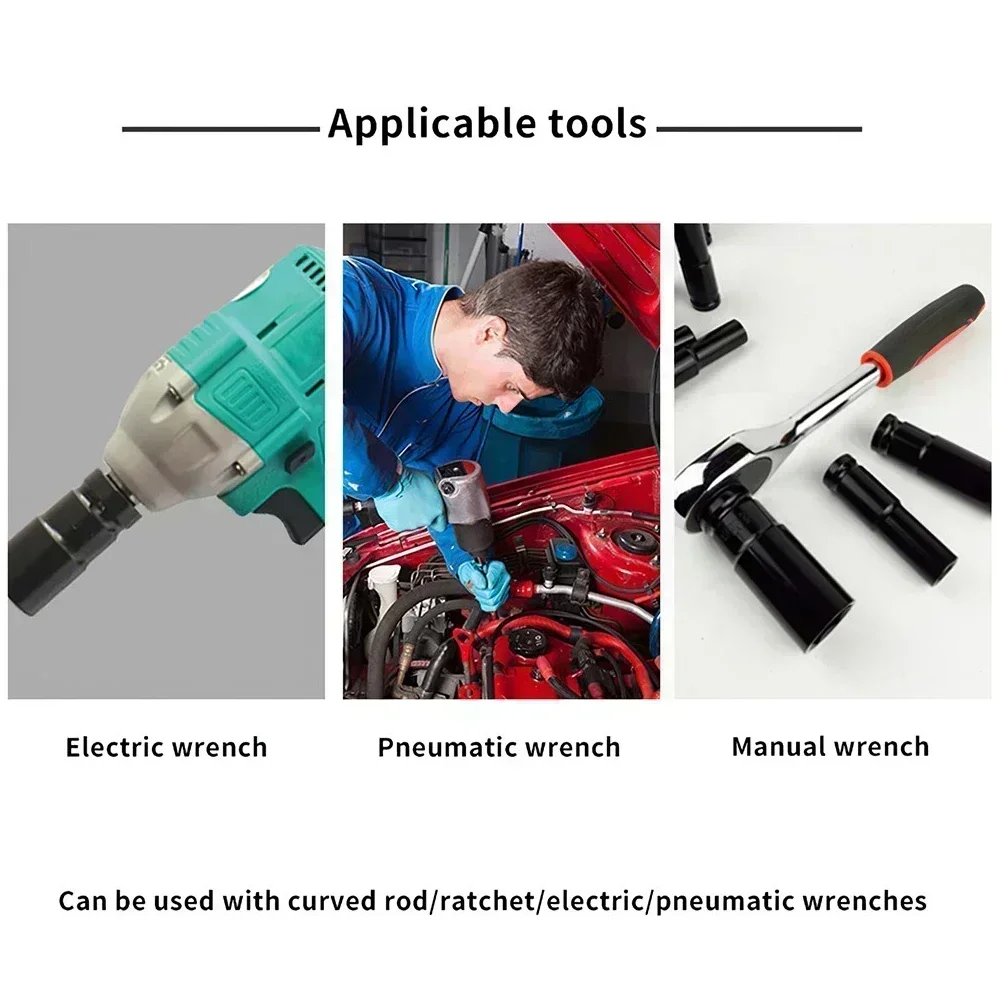
Pneumatic impact wrenches use compressed air to deliver high torque. They are common tools in workshops and garages.
This type of wrench is different from electric versions in how they generate power. Pneumatic wrenches rely on air pressure.
How Pneumatic Wrenches Work
Compressed air flows into the wrench and spins a motor inside. This motor turns a hammering mechanism that hits the output shaft repeatedly.
Each impact helps loosen or tighten bolts quickly with strong force. The air pressure controls the speed and power.
Common Uses
- Automotive repair for removing lug nuts
- Assembly lines in factories
- Heavy machinery maintenance
- Construction sites for fastening bolts
- Aircraft maintenance and repair
Advantages
| Benefit | Description |
| High torque | Delivers strong force for tough bolts |
| Lightweight | Usually lighter than electric models |
| Durability | Simple design means fewer breakdowns |
| Continuous use | Can run longer without overheating |
| Adjustable power | Control speed and torque with air pressure |
Limitations
Pneumatic wrenches need an air compressor to work. This limits where you can use them.
They also require hoses that can be heavy and restrict movement. Noise is another factor, as they tend to be loud.
Credit: www.aliexpress.com
Electric Impact Wrenches
Electric impact wrenches are tools that use electricity to tighten or loosen bolts. They are popular in many work settings because of their ease of use.
These wrenches come in different sizes and power levels. They help save time and reduce effort compared to manual wrenches.
How Electric Wrenches Work
Electric impact wrenches use a motor powered by a battery or cord. The motor spins a hammer inside the tool.
The hammer hits the anvil, which turns the socket. This creates a strong twisting force called torque to move bolts.
- The motor drives the hammer mechanism
- The hammer hits the anvil repeatedly
- This delivers quick, strong impacts
- The socket turns to tighten or loosen bolts
Common Uses
Electric impact wrenches are used in many jobs. They are useful for working on cars and machines.
- Changing car tires
- Building metal frames
- Repairing machinery
- Construction work
- Assembly line tasks
These tools help workers finish tasks faster and with less strain.
Advantages
Electric impact wrenches offer many benefits. They are easy to use and portable.
- No need for air compressors or hoses
- Lightweight and easy to handle
- Works quickly to save time
- Adjustable torque for different jobs
- Good for indoor and outdoor use
These features make electric wrenches a good choice for many users.
Limitations
Electric impact wrenches also have some limits. Battery life can restrict long use.
- Need charging or power supply
- Less powerful than some pneumatic wrenches
- May overheat with heavy use
- Heavier models can tire users
- More expensive than manual tools
Users should pick the right wrench for their needs and task size.
Performance Comparison
Pneumatic and electric impact wrenches are common tools in many workshops. They serve similar purposes but perform differently.
This comparison looks at torque output, speed and efficiency, and power source and portability.
Torque Output
Pneumatic impact wrenches usually provide higher torque than electric ones. This makes them suitable for heavy-duty jobs.
Electric impact wrenches offer good torque but often less than pneumatic models. They fit well for medium to light tasks.
Speed And Efficiency
| Type | Speed (RPM) | Air Consumption / Battery Life | Efficiency |
| Pneumatic | Up to 7,000 | High air consumption | Consistent under load |
| Electric | Up to 2,500 | Battery lasts 30-60 mins | Varies with battery charge |
Pneumatic wrenches run faster and keep speed under heavy use. Electric ones slow down as battery drains.
Power Source And Portability
- Pneumatic wrenches need an air compressor. This limits where you can use them.
- Electric wrenches run on batteries, making them easy to carry around.
- Electric tools are lighter and need less setup time than pneumatic ones.
- Pneumatic tools require hoses and compressors, adding to weight and bulk.
Credit: en.oreca-store.com
Cost And Maintenance
Pneumatic and electric impact wrenches differ in price and upkeep. Knowing these differences helps you choose the right tool for your needs.
This section covers the initial cost and ongoing maintenance for each type of wrench.
Initial Investment
Pneumatic impact wrenches usually cost less than electric ones. But you must also buy an air compressor to power them.
| Type | Tool Cost | Additional Equipment |
| Pneumatic | $50 – $200 | Air compressor needed ($200 – $600) |
| Electric | $100 – $400 | No extra equipment needed |
Upkeep And Repairs
Maintenance needs vary between pneumatic and electric wrenches. Pneumatic tools require more regular care.
- Pneumatic wrenches need oiling to keep parts moving smoothly.
- You must check air hoses and connections often.
- Electric wrenches need battery care or cord checks.
- Electric tools may need motor repairs less often.
Choosing The Right Wrench
Selecting between pneumatic and electric impact wrenches depends on many factors. The right choice improves work quality and ease.
Consider where you will use the wrench, what jobs you need it for, and how much you want to spend.
Work Environment Considerations
Pneumatic wrenches need air compressors, so they work best in shops with air supply. Electric wrenches are portable and good for places without compressors.
Noise and space also matter. Pneumatic tools are louder and need hoses. Electric tools are quieter and easier to move around.
- Pneumatic: Needs air compressor and hoses
- Electric: Cordless or corded, more portable
- Pneumatic: Louder operation
- Electric: Quieter, less clutter
Application Needs
Think about the type of work you do. Pneumatic wrenches give more power for heavy tasks. Electric wrenches suit lighter or medium jobs.
Battery life and runtime are important for electric wrenches. Pneumatic wrenches run as long as air is supplied.
- Pneumatic: High torque for tough jobs
- Electric: Good torque for most tasks
- Electric: Limited by battery life if cordless
- Pneumatic: Continuous use with air supply
Budget Factors
Pneumatic wrenches cost less alone but need an air compressor. Electric wrenches cost more but include power source.
Consider maintenance costs too. Pneumatic tools need more upkeep. Electric tools require battery replacements over time.
- Pneumatic wrench: Lower initial price
- Air compressor: Additional cost for pneumatic use
- Electric wrench: Higher upfront price
- Battery replacement adds to long-term cost
- Pneumatic: Higher maintenance cost
Credit: www.toolsid.com
Frequently Asked Questions
What Are The Main Differences Between Pneumatic And Electric Impact Wrenches?
Pneumatic wrenches use compressed air for power, while electric ones use batteries or cords. Pneumatic models are lighter but need an air compressor. Electric wrenches offer portability and convenience but can be heavier and less powerful.
Which Impact Wrench Is Better For Heavy-duty Tasks?
Pneumatic impact wrenches are generally better for heavy-duty jobs. They provide more torque and continuous power. Electric wrenches may struggle with prolonged, high-torque applications due to battery limitations.
Are Electric Impact Wrenches More Portable Than Pneumatic Ones?
Yes, electric impact wrenches are more portable. They do not require an air compressor or hose. This makes them ideal for jobs in remote or tight spaces without easy access to compressed air.
How Does Maintenance Differ Between Pneumatic And Electric Impact Wrenches?
Pneumatic wrenches need regular lubrication and air system checks. Electric wrenches require battery care and occasional motor cleaning. Pneumatic tools often need more frequent upkeep due to air system components.
Conclusion
Pneumatic and electric impact wrenches each have clear strengths. Pneumatic tools offer great power and durability for heavy jobs. Electric wrenches provide more convenience and portability. Choose based on your work needs and environment. Consider power source, weight, and ease of use.
Both types help complete tasks faster and easier. Understanding their differences saves time and money. Use the right wrench for the right job. Simple and smart decisions lead to better results.







