
Are you struggling to get your bolts tightened just right? Using a torque wrench can make all the difference.
It helps you apply the perfect amount of force, so your bolts stay secure without getting damaged. In this guide, you’ll learn exactly how to use a torque wrench step-by-step. By the end, you’ll feel confident tightening bolts like a pro, saving time and avoiding costly mistakes.
Ready to make your work stronger and safer? Let’s dive in.
Choosing The Right Torque Wrench
A torque wrench helps you tighten bolts to the correct tension. Using the right wrench prevents damage and ensures safety. Picking the best tool depends on your needs and the job type.
This guide explains different types of torque wrenches, how to select one for your work, and why accuracy matters.
Types Of Torque Wrenches
There are several types of torque wrenches. Each type works best for certain tasks and budgets. Knowing the differences helps you pick the right one.
- Click Torque Wrench:Makes a clicking sound when the set torque is reached. It is easy to use and popular for many jobs.
- Beam Torque Wrench:Has a scale that shows the torque. It is simple and affordable but needs good eyesight for reading.
- Dial Torque Wrench:Uses a dial gauge to show torque. It is precise and good for detailed work.
- Electronic Torque Wrench:Shows torque digitally and may save data. It suits high-precision tasks and professional use.
Selecting Based On Application
Your choice depends on what you need the wrench for. Different jobs need different torque ranges and wrench styles. Consider how often you will use it and the environment.
| Application | Recommended Wrench Type | Torque Range | Notes |
| Automotive repair | Click or Electronic | 10-150 ft-lbs | Easy to set and read; good for most car bolts |
| Heavy machinery | Dial or Electronic | 100-1000+ ft-lbs | High precision needed for safety |
| Home projects | Beam or Click | 5-100 ft-lbs | Affordable and simple for occasional use |
| Bike maintenance | Click | 5-60 ft-lbs | Lightweight and precise for small parts |
Calibration And Accuracy
Accuracy matters to avoid over or under tightening. Calibration keeps your wrench reliable. Over time, wrenches may lose accuracy and need checking.
- Check calibration yearly or after heavy use.
- Use professional services for calibration.
- Store the wrench properly to avoid damage.
- Always reset torque to lowest setting after use.
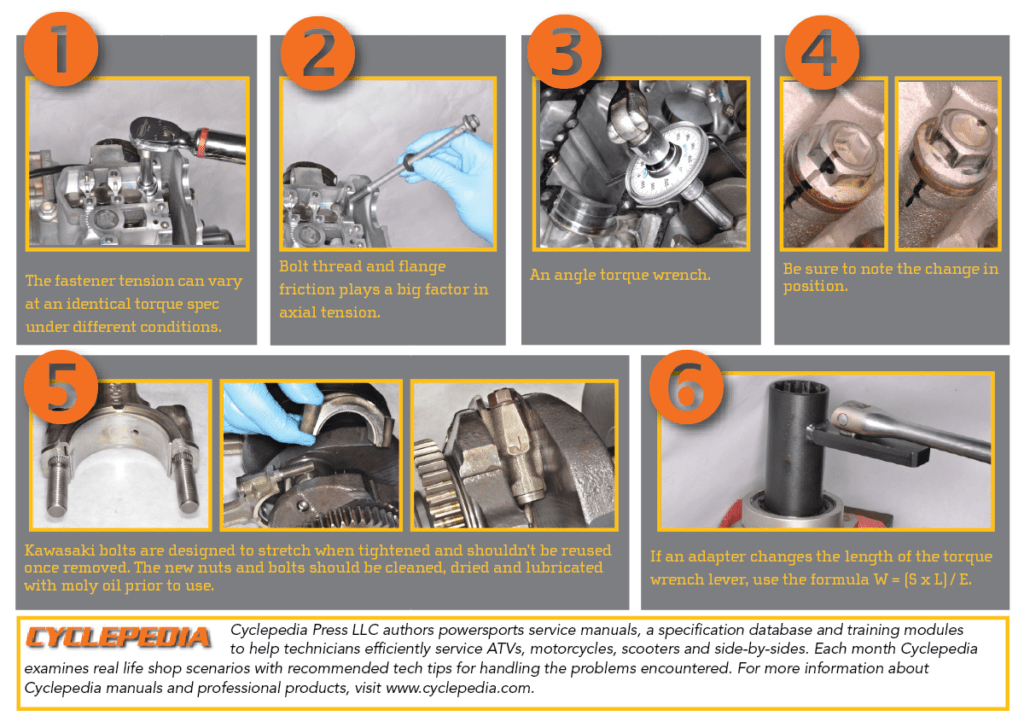
Credit: www.motorcyclepowersportsnews.com
Preparing For Bolt Tightening
Tightening bolts correctly requires careful preparation. You must get ready before using a torque wrench.
Good preparation helps avoid damage and ensures safety. Follow key steps to prepare your bolts and tools.
Inspecting Bolts And Threads
Check bolts and threads for damage before tightening. Look for cracks, rust, or worn threads.
Damaged bolts or threads can cause poor fit or failure. Replace any parts that look bad or worn out.
- Look for bent or cracked bolts
- Check threads for dirt or damage
- Replace bolts that show rust or wear
Cleaning And Lubrication
Clean bolts and threads before tightening. Dirt can stop bolts from fitting properly.
Use a wire brush or cloth to remove dirt and rust. Apply lubricant if needed to reduce friction.
- Remove dirt with a wire brush
- Wipe threads clean with a cloth
- Use oil or anti-seize lubricant on threads
Setting Torque Specifications
Find the correct torque value for your bolts. This value tells you how tight to make them.
Use a manual or label to get the torque number. Set your torque wrench to this exact value before starting.
- Check manufacturer’s torque specs
- Set torque wrench to the right value
- Confirm torque setting before use
Using The Torque Wrench Correctly
A torque wrench helps tighten bolts to the right tightness. Using it properly prevents damage and ensures safety.
Follow simple steps to use the torque wrench correctly. This guide covers adjusting settings, holding the tool, and applying force.
Adjusting The Torque Setting
Set the torque wrench to the correct value before use. Check the bolt or machine manual for the needed torque.
Turn the handle or dial to the desired number. Lock the setting if your wrench has a locking mechanism.
- Find the torque value for your bolt
- Turn the wrench handle to that value
- Lock the setting to avoid changes
Proper Grip And Positioning
Hold the torque wrench firmly near the handle end. This gives better control and accurate force.
Keep the wrench straight and aligned with the bolt. Avoid bending or angling the wrench during use.
- Grip the wrench handle firmly
- Keep the wrench straight to the bolt
- Stand steady to apply even pressure
Applying Steady Force
Push or pull the wrench smoothly and steadily. Avoid quick or jerky movements to get accurate torque.
Stop applying force as soon as the wrench clicks or signals the set torque is reached.
- Apply force slowly and steadily
- Listen for the click or feel the stop
- Do not continue tightening after the signal
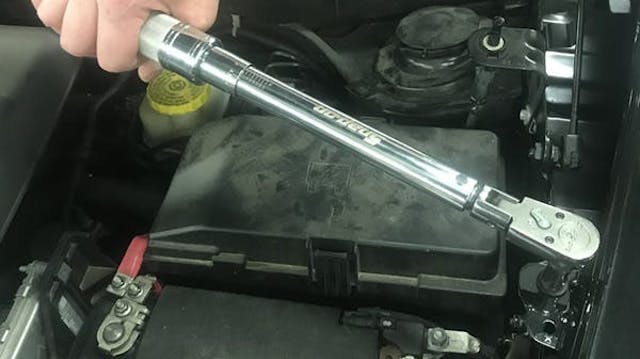
Credit: www.fenderbender.com
Common Mistakes To Avoid
Tightening bolts with a torque wrench needs care. Many make simple mistakes that cause problems.
Knowing what to avoid helps you use the tool correctly. This keeps bolts safe and parts secure.
Over-tightening Risks
Applying too much force with a torque wrench can damage bolts. It may also harm the parts they hold.
Over-tightening can cause bolts to stretch or break. This leads to costly repairs and unsafe equipment.
- Bolt threads may strip, reducing holding power
- Parts can crack under too much pressure
- Proper torque ensures safety and durability
Ignoring Calibration
A torque wrench must be calibrated regularly. Ignoring this causes inaccurate torque settings.
Uncalibrated tools can lead to loose or over-tightened bolts. This reduces the tool’s reliability.
- Check calibration every six months or after heavy use
- Use calibration services or test kits
- Store the wrench properly to keep accuracy
Incorrect Wrench Angle
Holding the torque wrench at the wrong angle changes the applied force. This gives wrong torque readings.
Keep the wrench straight and aligned with the bolt. This ensures you tighten bolts to the right specification.
- Align wrench handle with bolt axis
- Avoid tilting the wrench during use
- Apply force smoothly and steadily
Maintaining Your Torque Wrench
A torque wrench helps tighten bolts to the right tightness. Keeping it in good shape makes sure it works well every time.
Regular care and checks can stop mistakes and save money. It also makes your wrench last longer.
Regular Calibration Checks
Check your torque wrench calibration often. This keeps it accurate for tightening bolts.
Calibration means testing if the wrench applies the right force. If it is off, fix it or get it serviced.
- Test calibration every 5,000 uses or yearly
- Send to a professional service if needed
- Write down calibration dates and results
Storage Tips
Store your torque wrench in a dry, clean place. Keep it away from dust and moisture to avoid rust.
Always set the wrench to its lowest setting before storing. This helps keep the spring inside from losing strength.
- Use the case that comes with the wrench
- Keep it in a place with stable temperature
- Avoid placing heavy objects on top
Handling And Care
Handle the torque wrench gently. Dropping or banging it can cause damage.
Clean the wrench after use. Wipe dirt and oil off with a soft cloth.
- Do not use the wrench as a hammer
- Turn the wrench only within its range
- Keep the moving parts free from dust

Credit: www.familyhandyman.com
Tips For Different Bolt Types
Using a torque wrench helps tighten bolts correctly. Different bolts need different handling. Learn how to tighten bolts with a torque wrench effectively.
Follow these tips for various bolt types to ensure safety and efficiency. It’s important to know the differences in bolt materials and threads.
Steel Vs. Aluminum Bolts
Steel bolts are strong and can handle more torque. Aluminum bolts are lighter but need careful handling to avoid over-tightening.
Use the right torque settings for each material. This helps prevent damage and ensures a secure fit.
- Steel bolts: Use higher torque settings
- Aluminum bolts: Use lower torque settings
- Check the manufacturer’s specifications
Fine Vs. Coarse Threads
Fine threads are closer together and need precise torque. Coarse threads are wider and can be more forgiving but require more care.
Choose the right thread type for your project. This affects the grip and security of the bolt.
| Fine Threads | Precise torque needed |
| Coarse Threads | More forgiving but need careful handling |
Special Fasteners
Special fasteners have unique needs. They might be used in specific applications like automotive or aerospace.
Always consult the guide for special fasteners. This ensures you use the right torque and avoid damage.
- Consult the manufacturer’s guide
- Use the specified torque settings
- Ensure proper alignment during tightening
Frequently Asked Questions
What Is The Purpose Of A Torque Wrench?
A torque wrench ensures bolts are tightened to a specific tension. It prevents over-tightening or under-tightening, maintaining safety and performance. Using the correct torque avoids damage and ensures reliable mechanical connections.
How Do You Set Torque On A Torque Wrench?
To set torque, rotate the handle to the desired value on the scale. Lock the setting if your wrench has a locking mechanism. Always verify the value before use to ensure accurate tightening.
Can I Use A Torque Wrench For All Bolt Sizes?
Torque wrenches come in various sizes and ranges. Choose one suitable for the bolt’s size and required torque. Using an incorrect size may result in inaccurate torque application or tool damage.
How Often Should A Torque Wrench Be Calibrated?
Calibrate your torque wrench at least once a year or after 5,000 uses. Frequent calibration ensures accuracy and reliable bolt tightening, preventing potential mechanical failures.
Conclusion
Tightening bolts with a torque wrench ensures safety and precision. Always check the required torque value first. Turn the wrench slowly until it clicks. Avoid over-tightening to prevent damage. Practice makes perfect; take your time. Using the right tool protects your equipment.
Follow these steps for reliable results every time. Your work will last longer and stay secure. Simple tools, careful steps, strong connections.







