
Are you tired of struggling to reach those tight spots while working on your car? Choosing the right tool can make all the difference.
When it comes to working underneath vehicles or handling repairs, two popular options often come up: the creeper and the mechanic stool. But which one fits your needs best? Understanding the key differences between these two can save you time, effort, and even prevent injuries.
Keep reading to find out how each tool works and which one could transform the way you tackle your next project.
Creeper Basics
A creeper is a tool used to slide under vehicles. It helps mechanics work in tight spaces with ease. The design allows smooth movement while lying flat.
This article explains the differences between a creeper and a mechanic stool. We focus on the creeper’s design, uses, and materials.
Design And Structure
A creeper usually has a flat board for the body. It has wheels underneath for rolling. Some creepers have padded surfaces for comfort.
- Flat board for lying down
- Four to six swivel wheels
- Padded or hard surface options
- Low height to fit under vehicles
Primary Uses
Creepers help mechanics reach under cars. They reduce strain on the back and knees. This tool is ideal for tasks like oil changes and inspections.
- Slide under the vehicle easily
- Move around without standing up
- Work in confined spaces comfortably
- Reduce physical strain during repairs
Common Materials
| Part | Material | Benefit |
| Board | Plastic or metal | Durability and light weight |
| Padding | Foam or vinyl | Comfort during use |
| Wheels | Rubber or plastic | Smooth rolling and grip |
Credit: www.vevor.ca
Mechanic Stool Essentials
Mechanic stools and creepers help workers stay comfortable. They support movement and body posture during repairs.
Knowing the difference between them helps choose the right tool for the job.
Design And Structure
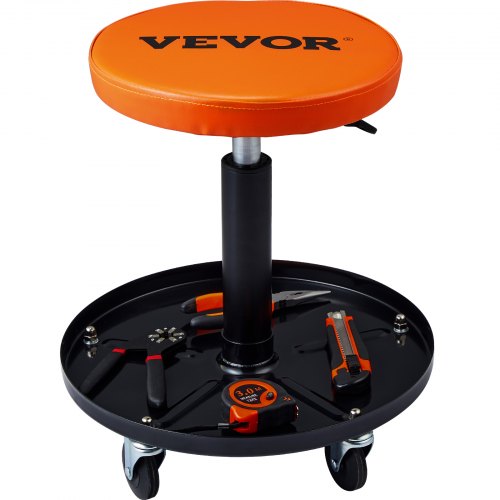
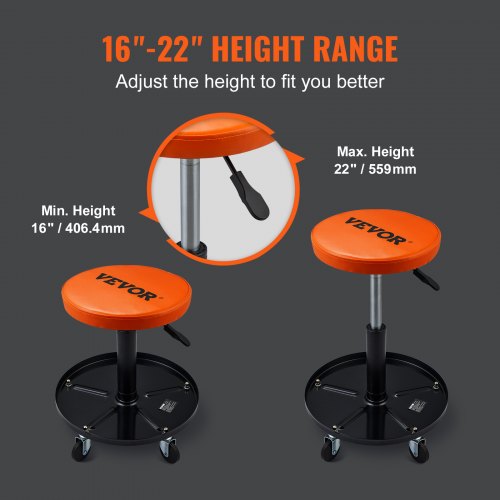
Mechanic stools usually have a round seat with padding. They are mounted on wheels for easy rolling.
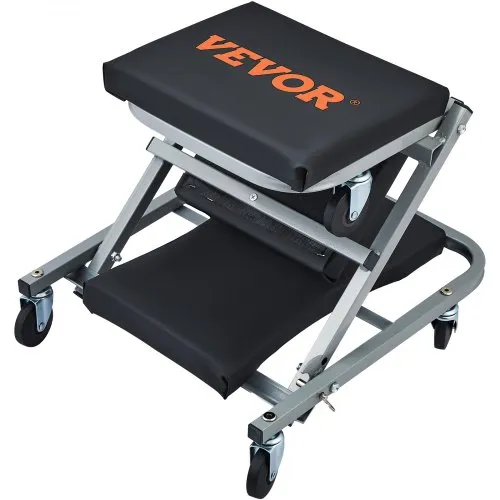
Creepers are flat boards with a cushion on top and wheels underneath. They let workers lie down and roll under vehicles.
- Mechanic stool: round seat, adjustable height, five caster wheels
- Creeper: flat shape, low height, four to six wheels
Primary Uses
Mechanic stools help when working at a low height but not lying down. They allow easy movement around the workspace.
Creepers are best for working under cars or machines. They let mechanics slide in and out without strain.
| Tool | Main Use |
|---|---|
| Mechanic Stool | Sitting and moving around during repairs |
| Creeper | Lying down and sliding under vehicles |
Common Materials
Mechanic stools mostly use metal frames for strength. Seats have foam padding covered in vinyl or leather.
Creepers have wooden or metal bases. The cushions use foam and vinyl for comfort and durability.
- Metal or steel frames for durability
- Foam padding for comfort
- Vinyl or leather covers for easy cleaning
- Plastic or rubber wheels for smooth movement
Mobility Features
Mobility is a key factor in choosing between a creeper and a mechanic stool. Both tools help workers move around, but they differ in how they move and where they work best.
This section explains the differences in wheels and movement, plus how each performs in tight spaces.
Wheels And Movement
A creeper usually has four small wheels that allow it to roll smoothly on flat surfaces. These wheels are designed to support the weight of a person lying down. A mechanic stool has larger wheels, often five for better balance, to support sitting and leaning positions.
- Creeper wheels are fixed and roll mostly forward and backward.
- Stool wheels swivel, allowing 360-degree movement.
- Creepers are best for straight, smooth movement under vehicles.
- Stools can turn easily, aiding side-to-side work.
Maneuverability In Tight Spaces
| Feature | Creeper | Mechanic Stool |
|---|---|---|
| Space Needed | Requires more length to lie down fully | Compact, fits in smaller areas |
| Turning Ability | Limited to straight lines | Full swivel wheels for easy turning |
| Ease of Position Change | Must get off to reposition | Can shift position while seated |
Comfort And Ergonomics
Choosing the right tool for automotive or mechanical tasks affects comfort and body support. Creepers and mechanic stools offer different ways to sit or lie down while working. Understanding their comfort and ergonomic features helps reduce strain during long jobs.
This comparison focuses on seating and support, as well as user fatigue considerations. These factors guide users to pick the better option for their needs.
Seating And Support
A creeper is a flat board with wheels that lets you lie on your back and slide under vehicles. It supports the whole body evenly but offers no backrest or arm support.
A mechanic stool is a low seat with wheels, often with a padded cushion and sometimes a backrest. It supports sitting posture but does not support the back fully if no backrest is present.
| Feature | Creeper | Mechanic Stool |
|---|---|---|
| Body Position | Reclined, lying flat | Sitting upright |
| Back Support | None | Usually present |
| Arm Support | None | Sometimes available |
| Padding | Firm surface | Padded seat |
| Mobility | Easy to slide under cars | Easy to roll around workspace |
User Fatigue Considerations
Long hours on either a creeper or stool can cause fatigue. Each tool affects the body in different ways.
- Creepers reduce strain on knees and legs by allowing lying down.
- They may cause neck or shoulder discomfort without proper head support.
- Mechanic stools reduce bending but may stress lower back after long sitting.
- Good padding and backrests on stools help reduce fatigue.
- Moving around is easier on stools, reducing standing strain.
Durability And Weight Capacity
Creepers and mechanic stools are common tools in auto repair. Their durability and weight capacity affect how well they perform. Understanding these factors helps you pick the right tool for your work.
Both tools need to support heavy weight and last through tough use. This section explains their durability and weight limits.
Durability Of Creeper
Creepers are built to hold up under frequent use and pressure. They often have a metal frame covered with padded material. This design protects users while sliding under vehicles.
The metal frame resists bending and breaking. The padded surface also resists wear and tear from rough floors and tools.
Durability Of Mechanic Stool
Mechanic stools have sturdy legs and strong seats made for long use. They usually have a metal or reinforced plastic frame. This keeps them stable during work.
The wheels on many stools have strong bearings. This helps the stool roll smoothly without damage. The seat material often resists spills and scratches.
Weight Capacity Of Creeper
Creepers support heavy weight because mechanics lie on them while working. Most creepers hold between 250 to 400 pounds. This range fits most users and their tools.
- Metal frames add strength
- Padding does not affect weight limit
- Check manufacturer specs for exact capacity
Weight Capacity Of Mechanic Stool
Mechanic stools need to hold users safely while they sit and move. Most stools support between 250 and 350 pounds. Heavy-duty models can hold more weight.
- Strong frames increase weight limit
- Wheels must support rolling under load
- Look for stools with tested weight ratings
Price And Availability
Choosing between a creeper and a mechanic stool depends on your needs and budget. Understanding the price and availability of each can help you make a better decision.
Both options are useful for different tasks in a garage or workshop. Here’s a detailed look at their price and availability.
Creeper
Creepers are designed for comfort and mobility while working under vehicles. They often come with wheels and a padded surface.
- Price range: $30 – $100
- Available at auto parts stores
- Online shopping platforms offer a wide selection
Mechanic Stool
Mechanic stools are perfect for tasks that require sitting at a higher level. They usually have adjustable heights and offer additional tool storage.
| Price Range | Availability |
| $40 – $150 | Hardware and specialty stores |
| Online Options | Variety of brands and styles |
Choosing The Right Tool
Mechanics and DIY enthusiasts often face a choice between using a creeper or a mechanic stool. Each tool has its own uses.
The right choice depends on your task and workspace. Both tools help in different ways.
Task-specific Recommendations
Each tool fits different tasks. Consider what you need to do before choosing.
- Creeper:Best for tasks under a vehicle. It lets you slide easily.
- Mechanic Stool:Ideal for work at waist height. It reduces strain on your back.
Space And Storage Factors
Space and storage are key when picking a tool. Look at your work area first.
| Tool | Storage Needs |
| Creeper | Flat storage, more space required |
| Mechanic Stool | Compact, easy to store in corners |
Credit: www.vevor.ca
Credit: www.vevor.ca
Frequently Asked Questions
What Is A Creeper Used For In Mechanics?
A creeper is a low-profile platform with wheels. It helps mechanics slide under vehicles easily. It provides comfort and mobility during repairs.
How Does A Mechanic Stool Differ From A Creeper?
A mechanic stool is a seat with wheels. It allows sitting while working at low heights. A creeper is for lying down and sliding under cars.
Which Tool Offers Better Comfort For Long Repairs?
A mechanic stool offers better comfort for seated tasks. Creepers are best for accessing tight spaces beneath vehicles. Comfort depends on the work type and position.
Can A Creeper Be Used As A Mechanic Stool?
No, a creeper is designed for lying down only. It lacks back support and seat height. A mechanic stool provides seating and easier movement.
Conclusion
Choosing between a creeper and a mechanic stool depends on your task. Creepers help you slide under vehicles with ease. Mechanic stools let you sit and work at a comfortable height. Both tools improve comfort and efficiency in different ways.
Think about where you work and what you need. The right tool makes repairs easier and safer. Simple tools can make a big difference in your work. Keep your workspace smart and practical.







