
Imagine you’re driving down the road and suddenly your car starts making a strange noise or, worse, a tire goes flat. What will you do?
Having the right basic car tools can save you time, money, and stress in moments like these. You might think these tools are only for mechanics, but the truth is, every driver should keep a simple toolkit in their car.
You’ll discover the essential tools you need to handle common car problems quickly and confidently. Keep reading, and you’ll never feel helpless on the road again.
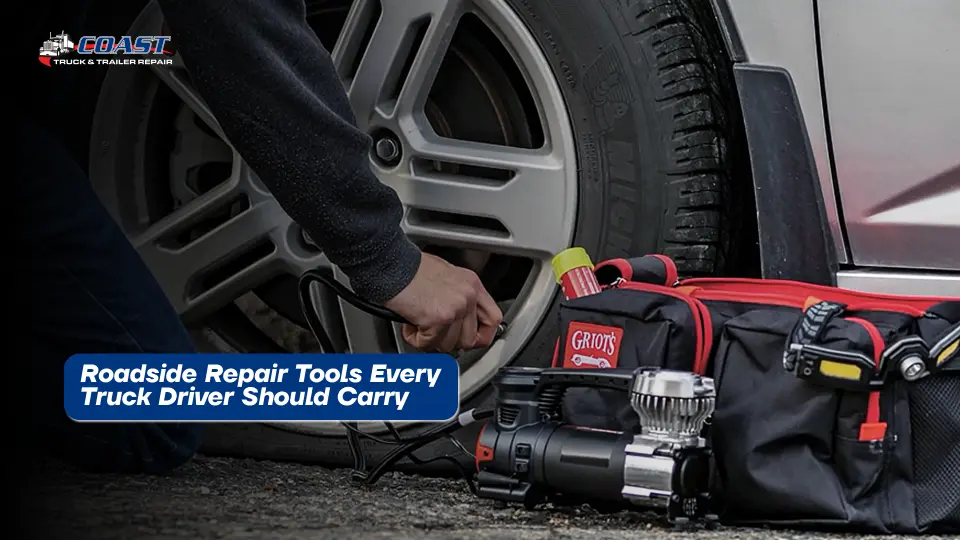
Credit: coasttruckrepair.com
Essential Tools For Every Car
Every driver should keep a set of basic tools in their car. These tools help with small repairs and emergencies. Having them ready can save time and money on the road.
This guide covers three key tool types: screwdrivers and pliers, wrenches and socket sets, and a tire pressure gauge. Each plays an important role in car maintenance.
Screwdrivers And Pliers
Screwdrivers and pliers are basic hand tools every driver needs. They help fix loose screws and hold or bend wires and parts. A small set fits easily in your glove box.
- Flathead screwdriver for simple screws
- Phillips screwdriver for cross-head screws
- Needle-nose pliers for tight spaces
- Slip-joint pliers for gripping and twisting
Wrenches And Socket Sets
Wrenches and socket sets help you tighten or loosen nuts and bolts on your car. A good set includes different sizes to fit various fasteners. Keep a ratchet wrench for faster work.
| Tool | Use | Common Sizes |
|---|---|---|
| Adjustable wrench | Fits many bolt sizes | 6 to 12 inches |
| Socket wrench set | Quickly remove nuts and bolts | 8 mm to 19 mm sockets |
| Combination wrench | Open and boxed ends for grip | 10 mm to 17 mm |
Tire Pressure Gauge
A tire pressure gauge helps keep your tires at the right pressure. Proper pressure improves safety and fuel efficiency. It is small and easy to use anytime.
- Remove the valve cap on the tire.
- Press the gauge onto the valve stem firmly.
- Read the pressure on the gauge display.
- Add or release air to reach the recommended pressure.
- Replace the valve cap securely.

Credit: www.popularmechanics.com
Emergency Equipment
Every driver should keep emergency tools in their car. These tools help during unexpected situations on the road. They make driving safer and easier.
Some basic emergency equipment includes jumper cables, a flashlight with batteries, and a first aid kit. Each item plays an important role in different emergencies.
Jumper Cables
Jumper cables are essential if your car battery dies. They help you start your car with the help of another vehicle’s battery. Make sure the cables are long and thick for safety.
Flashlight And Batteries
A flashlight is useful when you need light in the dark. It helps you see clearly during night emergencies. Always keep extra batteries ready to avoid being left in the dark.
- Choose a flashlight that is bright and easy to hold.
- Store fresh batteries with your flashlight.
- Test the flashlight regularly to ensure it works.
- Consider a rechargeable flashlight for convenience.
First Aid Kit
| Item | Purpose |
|---|---|
| Bandages | Cover cuts and scrapes |
| Antiseptic Wipes | Clean wounds to prevent infection |
| Gauze Pads | Stop bleeding and protect injury |
| Adhesive Tape | Hold bandages in place |
| Scissors | Cut tape and clothing if needed |
| Tweezers | Remove splinters or debris |
| Pain Relievers | Reduce pain or fever |
Tire Repair Tools
Every driver should keep tire repair tools in their car. These tools help fix flat tires quickly. They can save time and keep you safe on the road.
Knowing how to use these tools is important. You can handle small tire problems yourself without waiting for help.
Spare Tire
A spare tire is a backup tire stored in your car. It replaces a flat or damaged tire so you can drive to a repair shop. Most cars come with a smaller spare tire called a “donut.”
Check your spare tire’s pressure regularly. A flat spare is useless in emergencies. Keep the spare tire clean and in good condition.
Car Jack And Lug Wrench
A car jack lifts your car off the ground. This lets you remove the flat tire. The lug wrench helps you loosen and tighten the lug nuts on the wheel.
- Place the jack under the car’s jacking point
- Turn the jack handle to lift the car
- Use the lug wrench to remove lug nuts
- Replace the flat tire with the spare
- Tighten the lug nuts firmly before lowering the car
Tire Inflator And Sealant
A tire inflator pumps air into a flat tire. Some inflators have built-in sealant to stop small leaks. These tools help you drive safely until you get a proper repair.
| Tool | Use | Notes |
| Tire Inflator | Inflates tire with air | Requires power source (car battery or plug) |
| Tire Sealant | Seals small punctures | Temporary fix, not for large holes |
Safety Accessories
Every driver should keep basic safety tools in their car. These tools help during emergencies and keep you safe.
Safety accessories are simple items that protect you and others on the road. They are easy to use and very important.
Reflective Triangle And Flares
Reflective triangles and flares warn other drivers when your car is stopped. They make your vehicle visible at night or in bad weather.
Place the triangle or flare a good distance behind your car. This gives other drivers time to slow down and avoid accidents.
- Reflective triangles fold for easy storage
- Flares provide bright light in dark conditions
- Both increase your safety during breakdowns
Gloves And Rags
Gloves protect your hands while fixing car problems. Rags help clean up dirt, oil, or spills inside and outside the car.
Use gloves to avoid cuts or burns. Use rags to keep your hands and tools clean during repairs.
- Wear gloves to handle hot or sharp parts
- Use rags for wiping oil or dirt
- Keep both in your glove box or trunk
Multi-tool And Duct Tape
A multi-tool has many small tools in one device. Duct tape fixes many problems quickly and holds things together.
Use the multi-tool for cutting, screwing, or opening parts. Use duct tape to patch holes or hold loose parts until you get help.
- Multi-tools include knives, screwdrivers, and pliers
- Duct tape is strong and sticks to many surfaces
- Both are lightweight and easy to carry
Maintenance Basics
Keeping basic car tools handy helps you handle small issues fast. These tools assist with maintenance and emergencies.
Car care starts with simple items that every driver should carry. Below are some essentials that make a difference.
Funnel And Fluid Containers
A funnel helps pour fluids without spills. Fluid containers store extra oil, coolant, and windshield washer fluid.
- Use a funnel to avoid mess when adding fluids.
- Carry small containers of engine oil and brake fluid.
- Keep windshield washer fluid topped up.
- Store fluids in sealed containers to prevent leaks.
Portable Battery Charger
A portable battery charger saves you from getting stuck with a dead battery. It is easy to use and carry.
| Feature | Benefit |
| Compact size | Fits in glove compartment |
| Multiple charging modes | Works with different battery types |
| Built-in safety features | Prevents overcharging and sparks |
| LED indicators | Show charging status clearly |
Owner’s Manual And Emergency Numbers
The owner’s manual has important car information and maintenance tips. Emergency numbers help you get help fast if needed.
Keep this list in your glove box:
- Roadside assistance phone number
- Local towing service contacts
- Emergency medical services
- Your insurance company phone number

Credit: allamericanmotorshub.com
Frequently Asked Questions
What Are The Essential Car Tools Every Driver Needs?
Every driver should have a tire pressure gauge, jumper cables, a tire inflator, a lug wrench, and a flashlight. These tools help handle common roadside emergencies safely and efficiently.
Why Carry A Tire Inflator In Your Car?
A tire inflator quickly restores proper tire pressure, preventing blowouts and improving fuel efficiency. It’s essential for avoiding delays caused by underinflated tires.
How Do Jumper Cables Help In Emergencies?
Jumper cables allow you to jump-start a dead car battery using another vehicle. They are vital for restoring power without waiting for roadside assistance.
Can A Basic Tool Kit Fix Minor Car Problems?
Yes, a basic tool kit with screwdrivers, pliers, and wrenches helps tighten loose parts and perform small repairs, saving time and money on minor issues.
Conclusion
Every driver benefits from having basic car tools ready. These tools help fix small problems fast. They save time and money on the road. Carrying a tire pressure gauge, jumper cables, and a wrench is smart. Knowing how to use them builds confidence.
Keep your tools organized and check them often. Stay prepared for unexpected car troubles. A simple toolkit makes driving safer and easier. Start with the essentials, then add more as needed. Being ready helps you handle roadside challenges calmly. A little preparation goes a long way.







