
Have you ever glanced at your car’s dashboard and noticed a strange light glowing? Those little symbols might seem confusing or even scary, but they are actually your car’s way of talking to you.
Understanding what these dash light symbols mean can save you from costly repairs and keep you safe on the road. You’ll learn how to quickly recognize and respond to the most common warning lights. Don’t ignore your dashboard—your car is trying to tell you something important! Keep reading to become confident and in control every time you drive.

Credit: m.youtube.com
Common Dash Light Colors
Car dash lights use different colors to show the status of your vehicle. These colors help you quickly understand the urgency of a problem or condition. Knowing what each color means keeps you safe on the road.
This guide explains the most common dash light colors and what they mean. You will learn about red, yellow, orange, green, and blue lights.
Red Lights
Red dash lights signal serious issues. They often mean you need to stop your car and check immediately. Ignoring red lights can cause damage or danger.
- Engine temperature warning – car is overheating
- Oil pressure warning – low oil pressure detected
- Brake system alert – problem with brakes or brake fluid
- Battery charge warning – battery not charging properly
- Seatbelt reminder – seatbelt not fastened
Yellow And Orange Lights
Yellow and orange lights warn about issues that need attention soon. They show caution but usually do not require immediate stopping. Check these lights and fix problems quickly.
| Light Color | Meaning | Action |
| Yellow | Check engine | Get the engine checked soon |
| Orange | Tire pressure low | Inflate tires to correct pressure |
| Yellow | Traction control active | Drive carefully on slippery roads |
| Orange | ABS warning | Check anti-lock brake system |
Green And Blue Lights
Green and blue dash lights show that a system is active or working correctly. They are informational and do not indicate problems.
Common green and blue dash lights include:
- Green turn signal indicators – show when turn signals are on
- Blue high beam indicator – high beam headlights are active
- Green cruise control – cruise control is engaged
- Green headlights on – headlights are turned on
Engine And Emission Warnings
Car dash lights alert you to important engine and emission issues. Understanding these warnings helps keep your vehicle safe and efficient.
Some lights signal problems that need urgent attention. Others warn about maintenance or emissions concerns. Learn what each symbol means.
Check Engine Light
The check engine light signals a problem with your car’s engine or emission system. It can mean many issues, from a loose gas cap to serious engine trouble.
- Loose or damaged gas cap
- Faulty oxygen sensor
- Ignition system problems
- Engine misfire or overheating
- Emission control system faults
Oil Pressure Warning
This light shows low oil pressure in the engine. Low oil pressure can cause engine damage if not fixed quickly.
| Cause | Action |
| Low oil level | Check and refill oil |
| Oil pump failure | Visit a mechanic immediately |
| Oil sensor problem | Have the sensor checked |
Emission Control Alerts
Emission alerts warn about problems with your car’s pollution control systems. These issues can affect air quality and your car’s performance.
Common emission warnings include:
- Failure in catalytic converter
- Evaporative emission system leaks
- Faulty exhaust gas recirculation (EGR) valve
- Problems with oxygen sensors
Safety And Security Indicators
Car dash lights show important messages about your vehicle’s safety. These lights help you stay aware of any issues.
Understanding these symbols helps you keep safe on the road. Learn what key safety lights mean and how to react.
Airbag Warning Light
The airbag warning light shows if there is a problem with your car’s airbag system. If this light stays on, airbags may not work in a crash.
Do not ignore this light. Get your vehicle checked by a mechanic as soon as possible to ensure your airbags are safe.
Seatbelt Reminder
This light reminds you to fasten your seatbelt. It usually comes with a sound to catch your attention.
- Always buckle up before driving.
- This light may stay on if any passenger is unbuckled.
- Seatbelts help reduce injuries in accidents.
Anti-lock Braking System (abs)
The ABS light alerts you to issues with the anti-lock brake system. This system helps prevent wheel lock during sudden stops.
| ABS Light Status | Meaning |
| Light On Briefly | System check during startup |
| Light Stays On | ABS may not work properly |
| Light Off | ABS is functioning normally |
Battery And Electrical Alerts
Your car dashboard shows symbols to warn about battery and electrical issues.
Understanding these symbols helps you prevent breakdowns and costly repairs.
Battery Charge Warning
This symbol looks like a battery and means your battery is not charging properly.
It may show if the battery is low or the charging system has a problem.
- Check if the battery cables are loose or corroded.
- Look for a broken alternator belt.
- Consider getting the battery tested at a service center.
Alternator Warning
The alternator symbol looks like a circle with a plus and minus sign.
This light means the alternator is not supplying enough power to the car.
| Cause | Effect |
| Broken alternator belt | Battery will not charge |
| Faulty alternator | Electrical systems fail |
| Bad wiring | Warning light turns on |
Electrical System Malfunctions
Electrical system warnings can be many symbols on your dashboard.
They may indicate problems with wiring, fuses, or sensors in the car.
Common signs of electrical issues include:
- Flickering lights
- Non-working power windows
- Dashboard warning symbols
- Car stalling or poor performance
Have a mechanic check your car if these alerts appear.
Tire And Brake Notifications
Your car shows warning lights on the dash to keep you safe. Tire and brake notifications help you know when to check your vehicle.
These lights tell you if your tires or brakes need attention. Ignoring them can cause accidents or damage.
Tire Pressure Monitoring System
The Tire Pressure Monitoring System (TPMS) light shows when a tire is low on air. Proper tire pressure improves safety and fuel efficiency.
If the TPMS light comes on, stop and check your tires. Add air to any tire that is underinflated.
- Low tire pressure can cause poor handling
- Underinflated tires wear out faster
- Check pressure with a gauge regularly
Brake System Warning
The brake warning light means a problem with your brake system. It could be low brake fluid or worn brake pads.
When this light turns on, stop driving if you feel the brakes are weak. Have a mechanic check your brakes soon.
- Check brake fluid level in the reservoir
- Listen for squealing sounds when braking
- Brake warning light may flash or stay steady
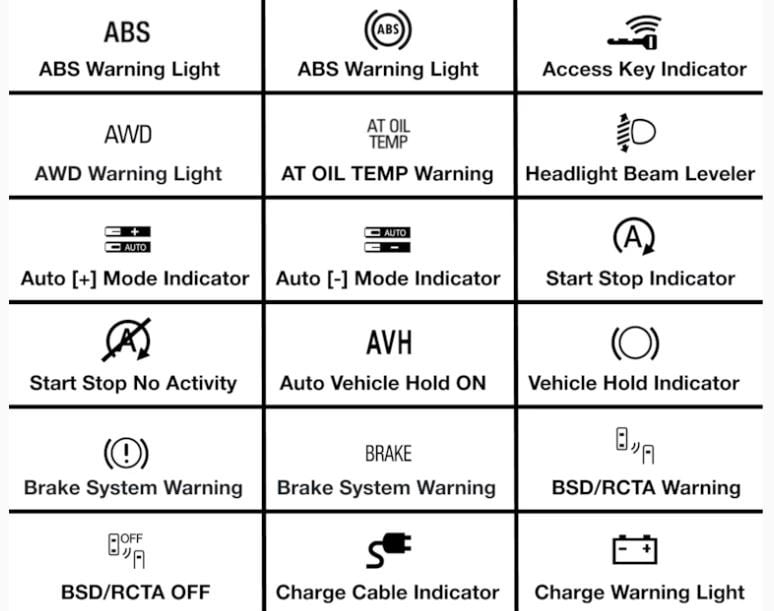
Traction Control Indicators
The traction control light shows when the system is active or has a fault. This system helps keep your car from slipping.
If the light blinks, the system is working to improve traction. If it stays on, the system may need service.
- Light blinks during slippery road driving
- Steady light means a problem with the system
- Traction control helps in rain, snow, and ice
Credit: www.subaruoflasvegas.com
Fluid And Temperature Alerts
Car dashboards have lights to alert drivers of problems. These lights help prevent damage and keep you safe.
Fluid and temperature alerts are important for your car’s health. They warn you when something needs attention.
Coolant Temperature Warning
The coolant temperature warning light shows when the engine is too hot. This can mean the coolant level is low or the engine is overheating.
Ignoring this light can cause severe engine damage. Check your coolant level and engine health immediately.
Low Fuel Indicator
The low fuel indicator lights up when fuel is running low. It signals that it is time to refuel soon.
Driving with low fuel can cause the car to stop unexpectedly. Fill up your tank to avoid getting stranded.
Windshield Washer Fluid
The windshield washer fluid light turns on when fluid is low. Clean windshield helps you see clearly.
Refill the washer fluid as needed for safety. It helps remove dirt and bugs from the windshield.
- Check fluid levels regularly
- Top up when necessary
- Use appropriate fluids for your car
Lights And Signals Indicators
Car dashboards have many light symbols. They help drivers understand vehicle status. Knowing these symbols is important for safety.
This guide covers common car dash light symbols. Learn about their meanings and functions.
Turn Signal Lights
Turn signal lights show when a driver intends to turn or change lanes. They are located on the dashboard and usually flash green.
- Check if turn signals are blinking correctly.
- Replace bulbs if they burn out.
- Use signals for every turn.
High Beam Indicator
The high beam indicator shows when your vehicle’s high beams are on. It is usually a blue symbol on the dashboard.
| Action | Symbol |
| High beam on | Blue light |
| High beam off | No light |
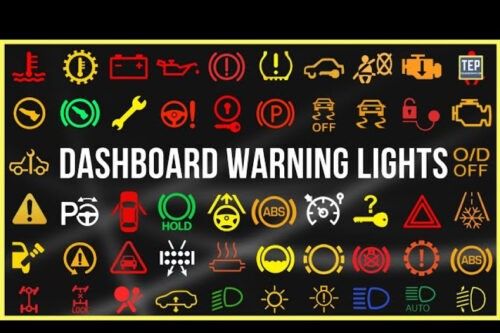
Fog Light Symbols
Fog light symbols indicate when fog lights are active. These lights help improve visibility in foggy conditions.
Credit: www.zigwheels.my
When To Act Immediately
Your car’s dashboard lights warn you about important issues. Some lights need quick action.
Knowing which lights mean danger helps you stay safe and avoid expensive repairs.
Critical Warning Lights
These lights show serious problems that need immediate attention. Do not ignore them.
- Engine Temperature Light:Your engine is overheating. Stop the car soon to prevent damage.
- Oil Pressure Light:Low oil pressure can damage the engine. Turn off the engine and check oil levels.
- Brake Warning Light:This may mean low brake fluid or brake system failure. Stop driving carefully.
- Battery Light:The battery is not charging. You may lose power soon.
Safe Driving Tips
When a warning light appears, follow safe steps to protect yourself and others on the road.
- Find a safe place to stop your car.
- Turn off the engine if the light indicates a serious problem.
- Do not try to drive fast or far with critical warnings.
- Use hazard lights if needed to alert other drivers.
- Check your vehicle manual for specific instructions.
When To Visit A Mechanic
Some dash lights mean you should see a mechanic soon but not immediately. Others require urgent visits.
| Warning Light | Action |
| Check Engine Light | Schedule a service soon to avoid bigger problems. |
| Tire Pressure Light | Check tire pressure and inflate as needed. |
| ABS Light | Visit a mechanic to inspect the brake system. |
| Airbag Light | Get a safety check from a professional. |
Customizing Dash Light Alerts
Car dash light symbols show important information about your vehicle. Customizing these alerts helps you respond faster. You can change how and when the lights appear.
This guide covers three ways to adjust your dash alerts for better driving experience.
Using Vehicle Settings
Many cars let you change dash light alerts through built-in settings. Use the menu on your dashboard screen or steering controls. You can adjust brightness and alert sounds.
- Access the vehicle’s settings menu
- Find the notifications or alerts section
- Change alert types or disable some alerts
- Adjust brightness and volume for alerts
- Save the settings before exiting
Aftermarket Dash Systems
Aftermarket dash systems offer extra customization options. These add-on devices can show alerts on a new display. You can select which lights to show and set alert priorities.
| Feature | Description | Benefit |
| Custom Alert Icons | Choose which symbols appear | Focus on important warnings |
| Alert Sounds | Set unique tones for alerts | Recognize issues quickly |
| Brightness Control | Adjust light brightness | Better visibility day and night |
| Data Logging | Record alerts history | Track recurring problems |
Mobile Apps For Dash Alerts
Mobile apps connect to your car’s system to send dash alerts to your phone. These apps let you customize which alerts you get and how you get them.
Popular app features include:
- Push notifications for critical alerts
- Custom alert sounds and vibration
- Real-time vehicle health reports
- Alert history and reminders
Frequently Asked Questions
What Do Common Car Dash Light Symbols Mean?
Car dash light symbols indicate your vehicle’s status. They alert you about issues like engine problems, oil levels, or battery charge. Understanding these symbols helps you take timely action and maintain your car’s safety and performance.
How To Identify Urgent Car Dash Warning Lights?
Urgent warning lights are usually red or flashing. They signal serious issues like engine failure, brake problems, or overheating. If these appear, stop your vehicle immediately and seek professional help to prevent damage or accidents.
Why Is My Check Engine Light On?
The check engine light signals engine or emission system issues. It can indicate minor problems like a loose gas cap or major faults needing repair. Use an OBD-II scanner or visit a mechanic to diagnose the exact cause.
Can I Ignore A Tire Pressure Warning Light?
No, ignoring tire pressure warnings can be dangerous. Low tire pressure affects handling and fuel efficiency. Check and inflate tires to the recommended pressure as soon as the warning light appears.
Conclusion
Knowing car dash light symbols helps keep you safe on the road. These lights tell you when your car needs attention or repair. Don’t ignore them. Check your car manual to understand each symbol better. Acting quickly can prevent bigger problems and costly repairs.
Stay alert and watch your dashboard often. Keeping an eye on these symbols saves time and money. Drive smart, drive safe.







