
Have you ever glanced at your car’s dashboard and wondered what those mysterious lights really mean? Understanding car lights isn’t just for mechanics—it’s something you need to keep your vehicle safe and running smoothly.
Ignoring a warning light could lead to costly repairs or even dangerous situations on the road. You’ll discover the most common car lights and what they’re trying to tell you. By the end, you’ll feel confident knowing exactly when to take action and when you’re good to go.
Keep reading—your car and your safety depend on it.
Common Dashboard Lights
Dashboard lights help drivers understand the car’s condition. They warn about issues or important statuses.
Knowing these lights helps keep your car safe and working well. Each light has a specific meaning.
Engine Warning Light
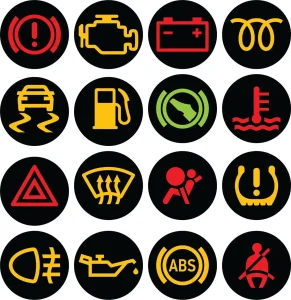
The engine warning light shows problems with the engine or emissions system. It looks like an engine icon.
If this light turns on, check the engine soon. It may cause poor performance or damage.
Battery Indicator
The battery indicator shows the car’s charging system status. It looks like a battery icon.
If it lights up, the battery may not be charging. This can lead to the car stopping.
Oil Pressure Light
The oil pressure light warns about low oil pressure. It looks like an oil can symbol.
Low oil pressure can damage the engine. Stop the car and check the oil level.
Brake System Alert
This light shows problems with the brake system. It looks like a circle with an exclamation mark or “BRAKE”.
If it turns on, check the brake fluid and brake pads. Do not drive if brakes feel weak.
Coolant Temperature Warning
The coolant temperature warning shows the engine is too hot. It looks like a thermometer in liquid.
High temperature can cause engine damage. Stop and let the engine cool down.
Tire Pressure Monitoring
This light shows when tire pressure is low. It looks like an exclamation mark inside a flat tire shape.
Low tire pressure can affect safety and fuel economy. Check and inflate tires to the right pressure.
Airbag Indicator
The airbag indicator warns about airbag system issues. It looks like a person with a circle in front.
If this light stays on, airbags may not work in a crash. Get the system checked quickly.
Abs Warning Light
The ABS warning light shows problems with the anti-lock braking system. It looks like “ABS” inside a circle.
If it lights up, ABS may not work. Normal brakes still work but ABS is important for safe stopping.

Credit: www.actonservicecentre.co.uk
Color Codes And Their Significance
Car lights come in different colors. Each color tells drivers and pedestrians what to expect.
Understanding these colors helps keep roads safe and clear for everyone.
Red Lights
Red lights warn drivers to stop or pay close attention. They show danger or a rule to follow.
- Brake lights signal that the car is slowing or stopping.
- Tail lights help show the car’s position at night.
- Stop lights tell drivers to come to a complete stop.
- Rear fog lights improve visibility in heavy fog.
Yellow And Orange Lights
Yellow and orange lights warn drivers to slow down or prepare to stop. They mean caution.
| Light Type | Meaning |
| Turn Signals (Orange) | Show the car will turn or change lanes |
| Hazard Lights (Orange) | Warn other drivers of a problem or hazard |
| Amber Warning Lights | Alert to slow down or be careful |
Green And Blue Lights
Green and blue lights have special uses. They tell drivers about permission or emergency.
Green Lightsusually mean go or safe to proceed at intersections.
Blue Lightsare for emergency vehicles like police or ambulances. Other drivers must give way.
Emergency Vs. Informational Alerts
Car lights help drivers understand the vehicle’s condition. Some lights warn about urgent problems. Others provide useful information.
Knowing the difference between emergency and informational alerts keeps you safe. It also helps you keep your car in good shape.
Critical Warnings
Critical warnings show serious problems that need quick action. These lights are usually red or flashing. Ignoring them can cause damage or accidents.
- Engine temperature light means the engine is too hot.
- Oil pressure light shows low oil pressure.
- Brake system light signals a brake issue.
- Airbag warning means a problem with the airbags.
Maintenance Reminders
Maintenance reminders tell you when to service your car. They are usually yellow or orange. These alerts help keep your car running well.
- Check engine light means the engine needs inspection.
- Tire pressure warning shows low tire pressure.
- Battery alert means the battery needs attention.
- Oil change light signals it’s time for an oil change.
System Status Indicators
System status indicators show how your car systems work. These lights are often green or blue. They give information without urgent action.
- Turn signal lights show when you plan to turn or change lanes.
- High beam indicator shows when high beams are on.
- Cruise control light means cruise control is active.
- Headlight indicator shows your headlights are on.
Steps To Take When Lights Appear
Car dashboard lights warn you about your vehicle’s condition. Knowing what to do keeps you safe. Follow the right steps when these lights come on.
Some lights need quick action. Others mean you should plan for service soon. Learn how to respond to keep your car in good shape.
Immediate Actions
Check the light color and symbol to understand the issue. Red lights mean stop or fix now. Yellow or orange lights warn you to be careful.
Look for safety problems like engine, oil, or brake warnings. If safe, find a place to pull over and check the car.
- Turn off the engine if the light shows a serious problem.
- Check fluid levels, like oil and coolant, if safe to do so.
- Use your car manual to identify the light meaning.
When To Stop Driving
Stop driving if a red warning light appears. It means the car might be unsafe. Keep yourself and others safe by pulling over immediately.
Do not ignore engine, brake, or oil pressure red lights. Driving with these problems can cause damage or accidents.
- Stop if the engine temperature is too high.
- Stop if the brake warning light is on.
- Stop if oil pressure light shows up.
When To Schedule Service
Yellow or orange lights usually mean you should check your car soon. These lights warn about issues that need repair but are not urgent.
Plan a visit to your mechanic or service center. Fix problems before they get worse and cost more money.
- Schedule service if the check engine light turns on.
- Call for help if traction control or ABS lights stay on.
- Arrange oil change or maintenance if oil light blinks.
Customizing Dashboard Displays
Car dashboard displays show important information while driving. You can customize them to fit your needs.
Understanding dashboard lights and symbols helps you drive safely and avoid car problems.
Digital Vs. Analog Dashboards
Digital dashboards use screens to show information clearly. They can change what they display easily.
Analog dashboards have physical dials and needles. They show speed, fuel, and other details in classic style.
- Digital dashboards can show custom colors and alerts
- Analog dashboards are simple and easy to read
- Digital displays may include touch controls
- Analog displays work without power in some cases
Using Vehicle Manuals
Vehicle manuals explain dashboard lights and their meanings. They help you understand alerts quickly.
Check your manual to learn what each light means. This keeps you informed about your car’s condition.
- Identify warning lights for engine, brakes, and battery
- Learn how to reset alerts safely
- Find tips for dashboard customization options
- Understand maintenance schedules shown on displays
Smartphone Apps For Alerts
Some apps connect to your car and show dashboard alerts on your phone. This gives extra help.
Apps can explain light meanings and suggest actions. They make it easier to keep your car healthy.
- Receive real-time alerts about engine or tire issues
- Track fuel use and maintenance reminders
- Customize notifications based on your preferences
- Access digital copies of your vehicle manual

Credit: www.actonservicecentre.co.uk
Preventive Measures To Avoid Warnings
Understanding car lights and their meanings helps keep your vehicle in top condition. Preventive measures can help avoid unnecessary warnings and ensure safe driving.
Regular maintenance and checks can prevent issues before they become problems. Here are some tips to help you maintain your car and avoid warning lights.
Regular Maintenance Tips
Routine checks are essential for car health. They help identify issues early, saving time and money.
- Inspect lights and signals regularly
- Schedule regular engine tune-ups
- Replace worn-out wipers and filters
Checking Fluid Levels
Fluids keep your car running smoothly. Low fluid levels can lead to warning lights and serious damage.
- Check oil level every month
- Ensure brake fluid is at the right level
- Monitor coolant and transmission fluid
Tire Care And Pressure
Proper tire care ensures safety and fuel efficiency. Underinflated tires can trigger warning lights.
- Check tire pressure monthly
- Rotate tires every 6,000 miles
- Inspect for wear and tear regularly
Credit: www.streettrucksmag.com
Frequently Asked Questions
What Do Different Car Lights Indicate?
Car lights signal various actions or warnings. Headlights illuminate the road. Brake lights show slowing or stopping. Turn signals indicate direction changes. Hazard lights warn of danger. Dashboard lights alert to vehicle issues needing attention.
How To Interpret Dashboard Warning Lights?
Dashboard warning lights alert you to vehicle problems. Red lights mean urgent issues. Yellow lights indicate caution or maintenance. Green or blue lights show normal operation. Always check your owner’s manual for specific light meanings and take prompt action if needed.
Why Are Daytime Running Lights Important?
Daytime running lights improve vehicle visibility during the day. They help other drivers see your car easily. This reduces the risk of accidents. Many modern cars have them as a safety feature. They automatically turn on when the engine runs.
When Should Hazard Lights Be Used?
Hazard lights warn other drivers of a problem or danger. Use them when your vehicle is stopped unexpectedly. Activate them during breakdowns, accidents, or severe weather. Avoid using hazards while driving normally, as it may confuse others.
Conclusion
Car lights tell you important things about your vehicle’s status. Knowing their meanings keeps you safe on the road. Pay attention to warning lights and act quickly. Regular checks help avoid unexpected problems. Understanding these signals saves time and money.
Stay alert, and your car will run smoothly. Simple knowledge makes driving easier and safer. Keep these tips in mind every time you drive.







