
Are you confused about whether you need an impact wrench or a drill for your next project? You’re not alone.
Both tools look similar but serve very different purposes. Choosing the right one can save you time, effort, and frustration. You’ll discover exactly how an impact wrench and a drill differ, so you can make the smartest choice for your work.
Keep reading—your next project will thank you.
Impact Wrench Basics
An impact wrench is a power tool used to tighten or loosen bolts and nuts. It uses strong twisting force called torque.
This tool is different from a drill because it focuses on high torque, not drilling holes. It is common in automotive and construction work.
Design And Mechanism
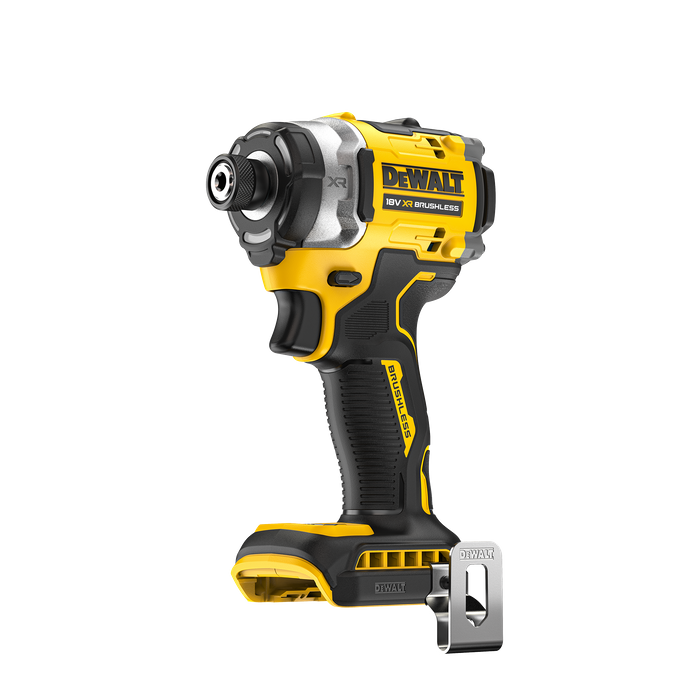
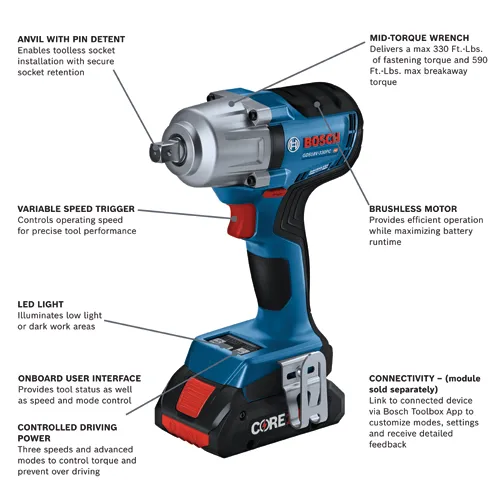
An impact wrench has a motor that spins a hammer inside. The hammer hits an anvil to create strong torque.
This design allows sudden bursts of power. It helps to loosen tight bolts without stripping them.
- The motor can be electric, battery, or air-powered
- The hammer mechanism stores energy and releases it quickly
- The tool uses sockets to fit different bolt sizes
Common Applications
Impact wrenches are used where strong torque is needed. They work well with large bolts and nuts.
They are popular in car repair, heavy machinery, and building projects.
- Changing car tires quickly
- Building steel structures
- Maintaining trucks and buses
- Assembling heavy equipment
Credit: www.greensafaris.com
Drill Essentials
Drills and impact wrenches are common tools for construction and repair. They look similar but work differently.
Understanding drills helps you choose the right tool for your project. Here we explain their key features and uses.
Structure And Operation
A drill uses a motor to spin a drill bit. It makes holes in wood, metal, or plastic. The drill bit holds the tool in place.
- Drill has a chuck that tightens around bits
- The motor spins the bit at variable speeds
- Some drills have a hammer mode for masonry
- Drills deliver steady turning force (torque)
Typical Uses
Drills serve many tasks. They create holes or drive screws with control and precision.
| Task | Drill Use |
| Woodworking | Drilling holes for screws and dowels |
| Metalwork | Making precise holes in thin metal sheets |
| Home repair | Installing shelves and fixtures |
| Plastic work | Drilling holes for assembly or wiring |
| Driving screws | Using drill bits with screwdriver heads |
Power And Torque Comparison
Impact wrenches and drills are common tools used in different tasks. Both tools use power to work, but they deliver it differently.
Understanding how power and torque differ helps you pick the right tool for your job.
Power Output
Impact wrenches usually have higher power output than drills. They are designed to deliver short bursts of strong force. This makes them good for loosening or tightening bolts.
Drills provide steady power for drilling holes and driving screws. Their power is continuous but less intense than impact wrenches.
- Impact wrenches: High power in short bursts
- Drills: Steady and continuous power
Torque Capacity
Torque is the twisting force a tool can apply. Impact wrenches have much higher torque than drills. This helps them handle tough jobs like automotive repairs.
Drills have lower torque but more control. They work well for tasks that need precision, such as woodworking or light construction.
| Tool | Typical Torque Range | Best Use |
|---|---|---|
| Impact Wrench | 100 to 1,000+ ft-lbs | Heavy-duty fastening and loosening bolts |
| Drill | 10 to 50 ft-lbs | Drilling holes and driving screws |
Speed And Control Differences
Impact wrenches and drills are essential tools in many projects. They both offer unique speed and control features.
Understanding these differences helps in choosing the right tool for your needs.
Speed Of Impact Wrench
Impact wrenches are known for their high speed. They quickly loosen and tighten bolts with ease.
- High torque for tough jobs
- Fast bolt removal
- Efficient for automotive tasks
Speed Of Drill
Drills offer a different speed profile. They are versatile for drilling holes and driving screws.
| Task | Speed |
| Drilling holes | Moderate |
| Driving screws | Variable |
| Mixing paint | Slow to Moderate |
Control In Impact Wrench
Control in an impact wrench is less precise. It focuses on delivering high torque power.
Control In Drill
Drills provide more control. Users can adjust speed and torque settings for precise tasks.
- Adjustable speed settings
- Variable clutch for torque control
- Suitable for delicate materials
Tool Versatility
Impact wrenches and drills are essential tools for various tasks. They each offer unique versatility for different applications.
Understanding their differences helps in choosing the right tool for your project needs.
Attachments And Accessories
Impact wrenches use sockets to tighten or loosen bolts and nuts. They are ideal for automotive and heavy-duty tasks.
Drills have a wide range of attachments like drill bits and screwdrivers. They are suitable for drilling holes and driving screws.
- Impact wrench: sockets, extensions, adapters
- Drill: drill bits, screwdriver bits, hole saws
Material Compatibility
Impact wrenches work best with metal and hard materials. They provide high torque for tough jobs.
Drills are versatile and can work with wood, metal, and plastic. They offer precise control for different materials.
| Impact Wrench | Metal, Concrete |
| Drill | Wood, Metal, Plastic |
Choosing The Right Tool
Choosing between an impact wrench and a drill depends on the task. Both tools serve different purposes.
Knowing when to use each tool helps you work faster and avoid damage.
Project Requirements
Impact wrenches are best for loosening or tightening bolts and nuts. They provide high torque for tough jobs.
Drills are designed to make holes and drive screws. They work well on wood, metal, and plastic.
- Use an impact wrench for car repairs and heavy machinery
- Use a drill for furniture assembly and light construction
- Impact wrenches handle stubborn fasteners easily
- Drills offer better control for delicate tasks
User Skill Level
Beginners may find drills easier to use. They have simpler controls and less force.
Impact wrenches need some experience. They can be hard to control for small jobs.
- Start with a drill if you are new to power tools
- Practice with an impact wrench on less critical tasks
- Always follow safety tips for both tools
Maintenance And Safety Tips
Impact wrenches and drills are powerful tools used in many projects. Proper care keeps them working well. Safety is very important when using these tools.
This guide covers key maintenance and safety tips for both impact wrenches and drills.
Cleaning And Lubrication
Keep tools clean to avoid damage and poor performance. Remove dust and debris after each use. Lubricate moving parts to reduce wear and tear.
Use manufacturer-recommended lubricants. Avoid using too much oil as it attracts dirt.
Battery Care And Storage
Both tools often use rechargeable batteries. Charge batteries fully before storage. Store batteries in a cool, dry place away from direct sunlight.
- Do not leave batteries in the charger for too long.
- Use the correct charger for your battery type.
- Replace damaged batteries immediately.
Inspection Before Use
Check the tool for any signs of damage. Look for cracked parts, loose screws, or worn-out components. Make sure the tool operates smoothly without strange noises.
| Tool Part | What to Check | Action if Faulty |
| Chuck/Socket | Secure grip | Tighten or replace |
| Power Cord/Battery | No frays or cracks | Replace immediately |
| Trigger Switch | Responsive | Service or replace |
Safe Operation Practices
Wear safety glasses to protect eyes from debris. Use ear protection if noise is loud. Hold tools firmly with both hands to avoid slips.
- Do not wear loose clothing or jewelry.
- Keep the workspace clean and well-lit.
- Use the right tool for the job.
- Disconnect power before changing bits or sockets.
Handling Overheating And Jamming
If the tool gets hot, stop and let it cool. Overheating can damage the motor. Clear any jams carefully to avoid damage or injury.
Tip:Use a brush or compressed air to remove debris from vents. Avoid using water or solvents on electrical parts.

Credit: www.reddit.com
Credit: greensafaris.com
Frequently Asked Questions
What Is The Main Difference Between An Impact Wrench And A Drill?
An impact wrench delivers high torque with rotational impacts, ideal for loosening bolts. A drill provides steady rotary motion, perfect for drilling holes and driving screws.
Can An Impact Wrench Replace A Drill For Drilling Tasks?
No, impact wrenches are not designed for precise drilling. Drills offer better control and accuracy for holes and screw driving.
Which Tool Is Better For Automotive Repair: Impact Wrench Or Drill?
Impact wrenches excel at loosening and tightening lug nuts fast. Drills are less effective for automotive bolts but good for accessory installation.
How Does The Torque Output Differ In Impact Wrench And Drill?
Impact wrenches produce much higher torque with hammering action. Drills provide lower, continuous torque suitable for wood and metal drilling.
Conclusion
An impact wrench delivers strong torque for tough jobs. A drill is best for making holes and light screwing. Both tools serve different purposes on a worksite. Choosing the right one saves time and effort. Remember what task you need before picking a tool.
This helps avoid damage and improves your work quality. Keep these differences in mind for your next project. Simple tools, clear uses. That’s the key.







