
Are you thinking about buying a used car and wondering if a vehicle with a minor accident can still have a clean title? You’re not alone.
Many buyers get confused about what a clean title really means and how accidents affect it. Knowing the truth can save you money and avoid future headaches. You’ll discover how minor accidents impact car titles and what you should watch out for before making your decision.
Keep reading to protect your investment and drive with confidence.
Car Title Basics
Car titles show the legal owner of a vehicle. They also reveal the car’s history. Knowing about titles helps buyers make smart decisions.
This article explains what a clean title means. It also describes different types of vehicle titles you may see.
What Is A Clean Title
A clean title means the car has no major damage history. It shows the vehicle was never declared a total loss by insurance. Cars with a clean title are easier to sell.
- No flood damage
- No major accident damage
- Not rebuilt or salvaged
- Clear ownership history
Minor accidents usually do not affect the title status. But serious damage or repairs might cause a branded or salvage title.
Types Of Vehicle Titles
| Title Type | Description |
| Clean Title | No major damage or insurance claims |
| Salvage Title | Declared a total loss by an insurance company |
| Rebuilt Title | Salvage car repaired and inspected for road use |
| Flood Title | Damage caused by water or flooding |
| Brand New Title | Issued for a new vehicle never titled before |
Check the title before buying a car. It shows if the vehicle had any serious issues. This helps avoid surprises later.
Impact Of Minor Accidents
Minor accidents may seem small, but they can affect a car in different ways. Understanding their impact helps buyers make smart choices.
Even small damages can change the vehicle’s history and condition. This article looks at what counts as a minor accident and its effects on a car.
Defining Minor Accidents
Minor accidents usually involve small damages with no serious injuries. These accidents often cause damage to parts like bumpers or fenders.
- Fender benders with light body damage
- Minor scratches or dents
- Small collisions at low speeds
- Incidents without frame damage
- No airbag deployment
Effects On Vehicle Condition
Even minor accidents can affect a car’s condition. Repairs may fix the look but not always the value or safety.
| Effect | Description | Potential Impact |
| Paint Damage | Scratches or chips on surface | May reduce resale value |
| Body Panel Repair | Fixing dents or replacing panels | Possible mismatch in color or fit |
| Frame Alignment | Minor frame bending | Affects vehicle safety and handling |
| Mechanical Issues | Damage to engine or suspension parts | Can cause long-term problems |
| Title Status | Whether accident is reported | May show as clean or branded title |
Title Status After Minor Accidents
Car titles show the history of a vehicle. They tell if a car has been in an accident. Many people wonder if minor accidents change the title status.
This article explains when car titles stay clean after minor accidents. It also covers cases that lead to salvage titles.
When Titles Stay Clean
Minor accidents usually do not change a car’s title. If the damage is small and fixed quickly, the title stays clean. Insurance companies pay for repairs without declaring the car a total loss.
Examples of minor accidents include small dents or scratches. These repairs do not affect the car’s safety or value much. The title will not show any accident history in many states.
- Minor fender benders with no frame damage
- Small paint scratches or bumper repairs
- Repairs under insurance deductible
- Fixes that do not affect the engine or structure
Situations Leading To Salvage Titles
A salvage title happens when damage is serious. If repair costs are very high, the insurer may call the car a total loss. This means the car is not safe or worth full price.
Cars with frame damage, flood damage, or major engine problems often get salvage titles. The title warns buyers about past problems and helps protect them from buying unsafe cars.
- Severe crashes causing frame damage
- Flood or fire damage
- Repairs cost more than the car’s value
- Stolen vehicles recovered with major damage
State Laws And Title Regulations
Car title laws vary across the United States. Each state has rules about how accident history affects a car’s title. Understanding these laws helps buyers know if a car with minor damage has a clean title.
Minor accidents may or may not change a vehicle’s title status depending on state regulations. It is important to check the rules before buying or selling a car with accident history.
Variations Across States
States differ on how they classify and report accidents. Some states mark titles as “salvage” or “rebuilt” only if damage is severe. Others may note minor accidents on the title or vehicle history report.
| State | Minor Accident Impact | Title Status |
|---|---|---|
| California | Minor damage usually not reported | Clean title remains |
| Florida | Accidents over a certain cost must be reported | May affect title status |
| Texas | Only major damage triggers title branding | Minor accidents do not change title |
| New York | All accidents reported to DMV | Title may note accident history |
Reporting Requirements
States require different reports after an accident. Some need insurance companies to notify the DMV. Others rely on vehicle inspections or owner disclosures.
- Some states demand reports for any damage over $1,000.
- Others require reporting only for damages that affect safety.
- Inspections may be mandatory before resale if damage was repaired.
- Failure to report can lead to fines or title problems.
Checking A Car’s Title History
When buying a used car, it’s important to check the car’s title history. A clean title indicates that the car has not been in a major accident or had significant damage.
This helps ensure you are making a safe and informed purchase. Checking the title history can save you from future headaches.
Using Vehicle History Reports
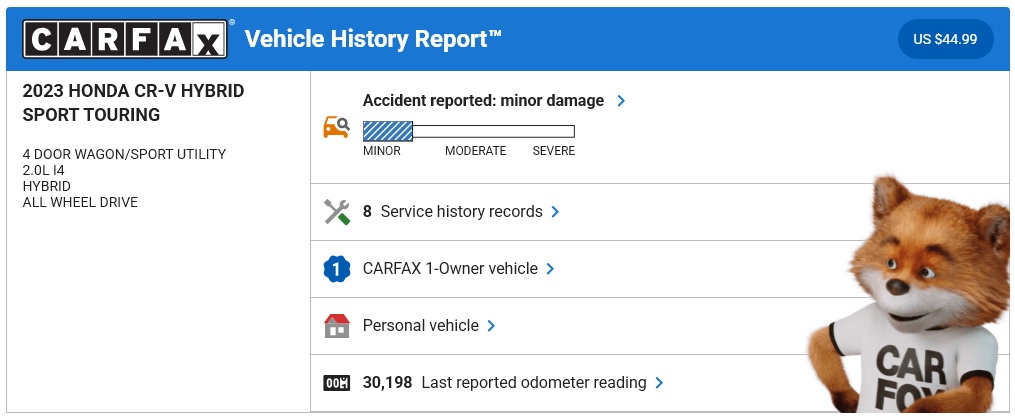
Vehicle history reports provide detailed information about a car’s past. They show accidents, repairs, and previous owners.
- Accident history: Find out if the car was involved in any accidents.
- Title information: Verify if the car has a clean title.
- Odometer readings: Check for inconsistencies in mileage.
Signs Of Hidden Damage
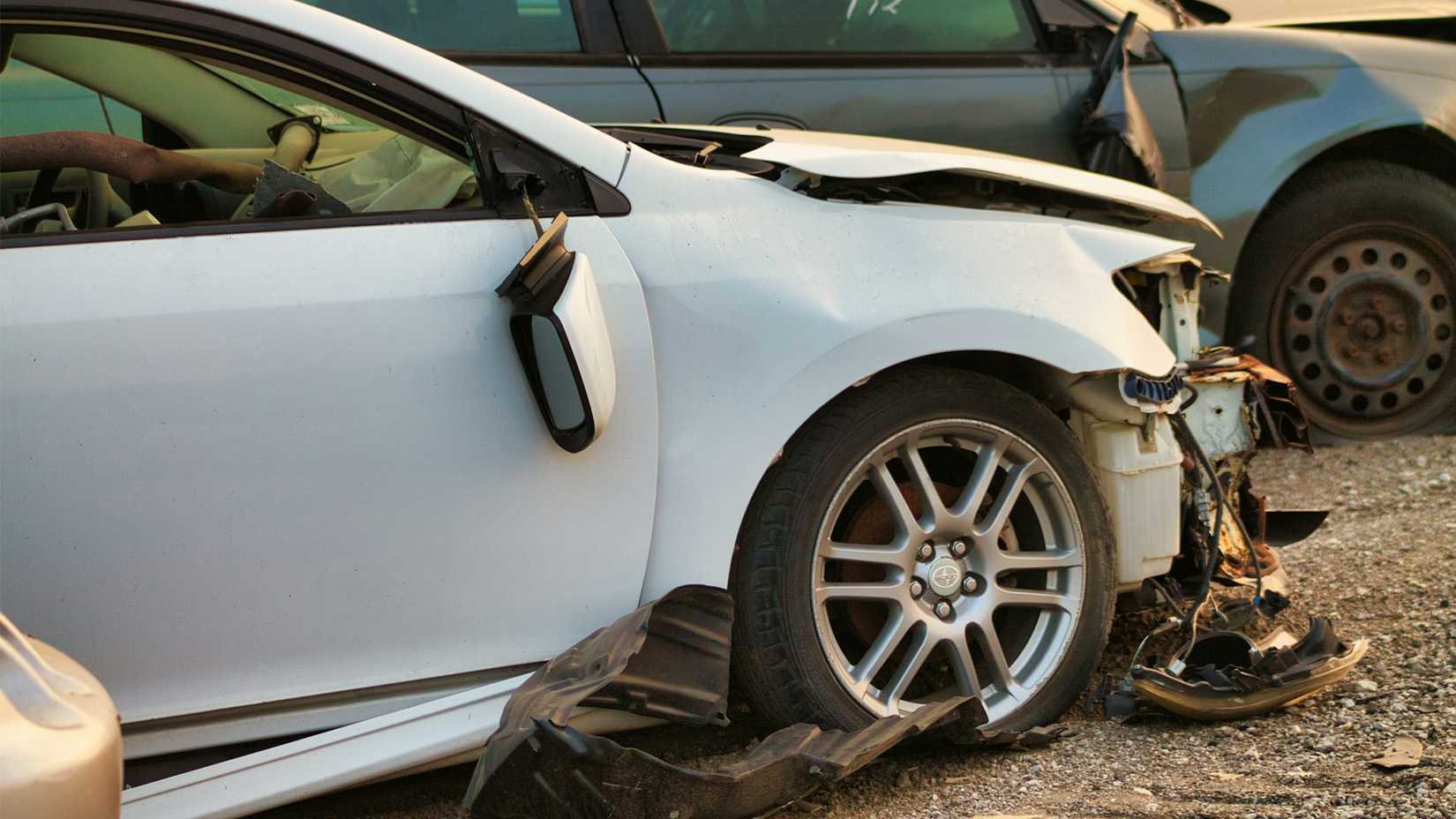
Some cars may have hidden damage despite having a clean title. Look for signs that might indicate past issues.
| Sign | What to Check |
| Uneven paint | Possible repair work |
| Strange noises | Mechanical problems |
| Misaligned panels | Previous body damage |
Inspect the car thoroughly or have a professional do it. This ensures that you are aware of any potential issues before purchasing.
Credit: carbuzz.com
Buying Cars With Minor Accident History
Cars with minor accidents often still have a clean title. A clean title means the car was not declared a total loss.
Minor accidents can leave small dents or scratches but usually do not affect the car’s overall value much.
Pros And Cons
Buying a car with minor accident history has benefits and risks. It is important to weigh these before you decide.
Knowing the pros and cons helps you make a smart choice for your budget and needs.
- Pros:Lower price than accident-free cars
- Pros:Minor damage may be fully repaired
- Pros:Vehicle may still run well with no major issues
- Cons:Possible hidden damage not fixed properly
- Cons:Resale value may be lower
- Cons:Insurance costs might be higher
Negotiation Tips
Use the car’s accident history as a negotiation point. It can help you get a better deal.
Show that you know about the repairs and any risks. This helps you ask for a lower price or extra benefits.
- Ask for a detailed repair report
- Request a professional inspection before buying
- Compare prices with similar accident-free cars
- Point out any visible damage or wear from the accident
- Be ready to walk away if the price is too high
Preventing Title Issues
When buying a car with a minor accident history, ensure the title remains clean. This involves careful steps to avoid future issues.
Understanding the process helps in making informed decisions. Here are some essential tips to follow.
Choosing Reliable Sellers
Finding trustworthy sellers is crucial to avoid title problems. A reliable seller provides accurate history and documentation.
- Research the seller’s reputation online
- Check if the seller is registered with automotive associations
- Ask for a detailed vehicle history report
Getting Professional Inspections
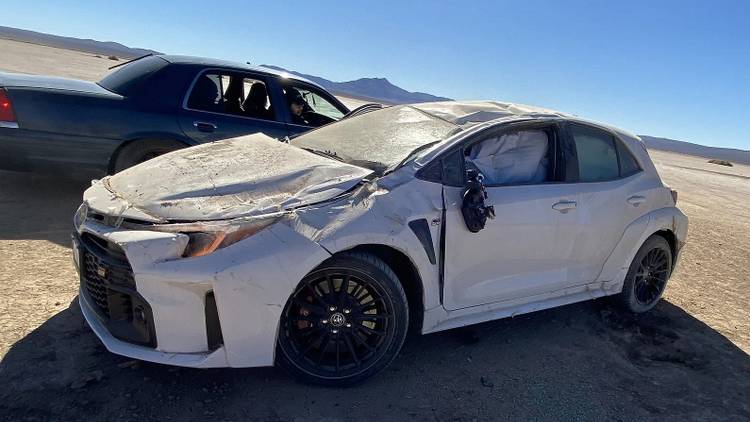
A professional inspection reveals hidden issues that might affect the car’s title. Inspectors provide a detailed report on the car’s condition.
| Inspection Area | Why It Matters |
| Frame | Checks for structural integrity |
| Engine | Ensures mechanical reliability |
| Body | Identifies previous repairs |
Credit: carbuzz.com
Credit: www.carfax.com
Frequently Asked Questions
Do Minor Accidents Affect A Car’s Title Status?
Minor accidents typically do not affect a car’s title status. If repairs are done properly and the car is safe, it usually retains a clean title. Only significant damage that affects the vehicle’s structure or safety may lead to a branded or salvage title.
Can A Car With Minor Accidents Still Have A Clean Title?
Yes, a car with minor accidents can still have a clean title. Minor damages repaired professionally do not always trigger title branding. The title reflects legal ownership and damage severity, so small dents or scratches usually don’t change it.
How To Check If A Car’s Title Is Clean After An Accident?
You can check a car’s title status through state DMV records or vehicle history reports. Services like Carfax or AutoCheck show accident history and title branding. This helps verify if minor accidents affected the car’s title status.
Does Insurance Report Minor Accidents To Title Agencies?
Insurance companies report major accidents but often do not report minor ones to title agencies. Only accidents causing significant damage or total loss usually result in title branding. Minor claims might not impact the car’s official title record.
Conclusion
Minor accidents do not always mean a car has a damaged title. Many cars keep a clean title after small repairs. Always check the vehicle history report before buying. A clean title shows no major damage or loss. Still, inspect the car carefully for hidden problems.
A clean title gives some peace of mind but not full safety. Trust your eyes and ask questions. This helps you make a smart choice. Safe driving starts with smart buying.







