
Your car battery is the heart of your vehicle’s electrical system. Without proper care, it can fail when you least expect it, leaving you stranded and frustrated.
But what if you could easily extend your battery’s life and avoid those sudden breakdowns? You’ll discover simple, effective car battery maintenance tips that anyone can follow. Keep reading to protect your investment and ensure your car starts smoothly every time.
Signs Of A Weak Battery
A car battery is vital for your vehicle to start and run smoothly. Over time, batteries wear out and show signs of weakness.
Knowing these signs helps you avoid unexpected breakdowns and costly repairs.
Slow Engine Crank
If your engine turns over slowly when you start the car, the battery may be weak. It struggles to provide enough power.
This slow crank sound means the battery is losing charge and might fail soon.
Dim Headlights
Dimming headlights when the engine is off or starting point to a weak battery. The battery cannot keep the lights bright.
Headlights may also flicker or appear less bright than usual.
Check Engine Light
The check engine light can come on if the battery is weak. The car’s computer detects low voltage and warns you.
Don’t ignore this light. It may mean the battery needs attention or replacement.
Corroded Battery Terminals
Look at the battery terminals for white or greenish powder. This corrosion stops the battery from working well.
Corroded terminals make it hard for electricity to flow, causing weak battery performance.
- Check terminals for corrosion regularly
- Clean terminals with a mixture of baking soda and water
- Wear gloves and avoid touching corrosion directly
- Ensure terminals are tight and secure
Regular Inspection Steps
Keeping your car battery in good shape helps your vehicle start every time. Regular checks can find small problems early. This saves you from unexpected battery failure.
Follow simple inspection steps to maintain your battery. These steps include looking at the battery, testing its power, cleaning parts, and checking for damage.
Visual Battery Check
Look at your battery for any signs of wear or leaks. Check for cracks, swelling, or corrosion on the battery surface. Make sure the battery is secure in its place.
- Inspect battery case for cracks or swelling
- Look for corrosion on battery terminals
- Check for any leaking fluid around the battery
- Ensure the battery is firmly held in place
Testing Voltage Levels
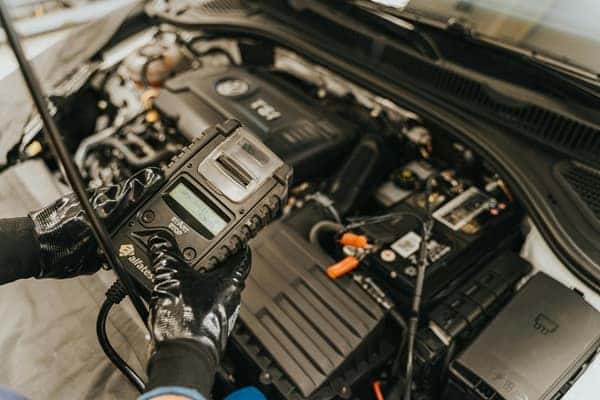
Use a voltmeter to check your battery’s charge. A fully charged battery should read about 12.6 volts or more. Lower readings show the battery needs charging or replacement.
| Voltage Level | Battery Condition |
| 12.6 volts or above | Fully charged |
| 12.4 to 12.6 volts | Moderately charged |
| Below 12.4 volts | Needs charging or replacement |
Cleaning Terminals
Clean your battery terminals to keep a strong connection. Dirt and corrosion can stop your car from starting. Use a wire brush and baking soda solution for cleaning.
- Disconnect the negative cable first
- Mix baking soda with water to make a paste
- Use a wire brush to scrub the terminals
- Rinse with clean water and dry thoroughly
- Reconnect the cables, positive first
Checking Battery Case For Damage
Examine the battery case carefully. Damage like cracks or bulges can cause leaks or failure. If you find any damage, replace the battery right away to avoid risks.
Proper Charging Techniques
Keeping your car battery charged correctly helps it last longer. Proper charging avoids damage and keeps the battery healthy.
Using the right charging methods can save you money and prevent car troubles. Learn how to charge your battery safely.
Avoiding Overcharging
Overcharging your car battery can cause it to overheat and lose power. It happens when the charger runs too long or uses too much current.
To avoid overcharging, use a charger with automatic shut-off or monitor the charging time closely. This keeps the battery safe and extends its life.
Using Smart Chargers
Smart chargers adjust the charging rate based on the battery’s condition. They prevent overcharging and improve battery health.
These chargers stop charging when the battery is full. They also protect against short circuits and reverse polarity.
- Automatically control charge levels
- Prevent battery damage
- Improve charging safety
- Extend battery life
Charging Frequency Tips
Charge your car battery before it gets too low. Avoid letting it sit discharged for long periods.
If you use your car daily, the battery usually stays charged. For cars used less often, check and charge the battery every few weeks.
- Charge before battery drops below 50%
- Check battery monthly if unused
- Use a smart charger for long storage
- Keep battery terminals clean
Credit: www.auburntoyota.com
Temperature Impact On Battery Life
Car batteries work best in moderate temperatures. Extreme cold or heat can reduce their life and performance. Understanding these effects helps you maintain your battery well.
Taking care of your battery in different weather conditions prevents unexpected failures. This guide covers how cold and hot weather affect batteries and how to store them safely.
Effects Of Cold Weather
Cold temperatures slow the chemical reactions inside a battery. This reduces its ability to hold and deliver power. It can make starting your car difficult, especially below freezing.
- Battery capacity drops by about 20% at 32°F (0°C)
- At -22°F (-30°C), capacity can fall by up to 50%
- Cold thickens engine oil, increasing the load on the battery
- Battery may fail if it is old or weak
Effects Of Hot Weather
High temperatures cause battery fluid to evaporate. This damages internal parts and shortens battery life. Heat also increases self-discharge, making the battery lose charge faster.
| Temperature | Impact on Battery |
| 77°F (25°C) | Normal operation |
| 95°F (35°C) | Accelerates fluid loss |
| 113°F (45°C) | Reduces battery life by half |
Storage Tips For Extreme Conditions
Proper storage protects your battery from temperature damage. Use these tips to keep your battery safe in cold or hot weather.
- Store batteries in a cool, dry place away from direct sunlight
- Keep batteries fully charged during storage to prevent freezing
- Use an insulated battery box in cold climates
- Check fluid levels regularly and refill with distilled water if needed
- Disconnect the battery if the car will not be used for a long time
Preventive Maintenance Habits
Taking care of your car battery helps it last longer. Simple habits can prevent battery problems.
Regular checks and good routines keep your battery healthy. This saves money and avoids breakdowns.
Keeping Battery Secure
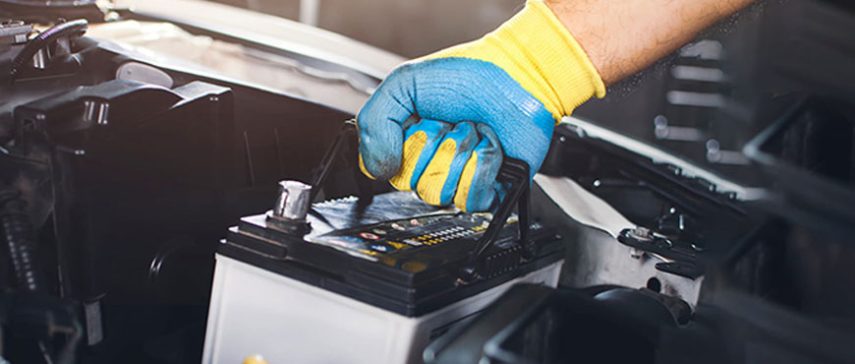
Make sure the battery is tight in its place. A loose battery can cause damage and poor contact.
Check the clamps and hold-downs often. Clean any dirt or corrosion around the battery terminals.
- Use a wrench to tighten battery clamps
- Remove corrosion with a baking soda mix
- Keep the battery tray clean and dry
Reducing Power Drain
Turn off lights and electronics when the car is off. Power drains can quickly weaken the battery.
Unplug devices that use the car’s power port. Avoid leaving radios or chargers on without the engine running.
- Switch off interior and exterior lights
- Disconnect phone chargers after use
- Close doors properly to stop dome lights
Regular Driving Practices
Drive your car regularly to keep the battery charged. Short trips may not charge the battery enough.
Longer drives help the alternator recharge the battery fully. Avoid leaving the car parked for many days.
- Take trips longer than 20 minutes
- Start the engine every few days if not used
- Have the battery checked during service
Credit: deinfa.com
When To Replace Your Battery
A car battery is essential for your vehicle’s operation. Knowing when to replace it is crucial for avoiding unexpected breakdowns.
Understanding the signs of a failing battery helps maintain your car’s reliability. Here are some tips to guide you.
Battery Age Guidelines
Batteries have a limited lifespan. Most last between three to five years. Knowing your battery’s age helps in timely replacement.
| Battery Age | Action |
| 1-2 years | Check condition |
| 3-4 years | Monitor closely |
| 5+ years | Consider replacement |
Performance Decline Signs
Performance issues indicate a failing battery. Look out for dim headlights or slow engine starts.
- Engine struggles to start
- Headlights appear dim
- Battery warning light is on
- Corrosion on battery terminals
Choosing The Right Replacement
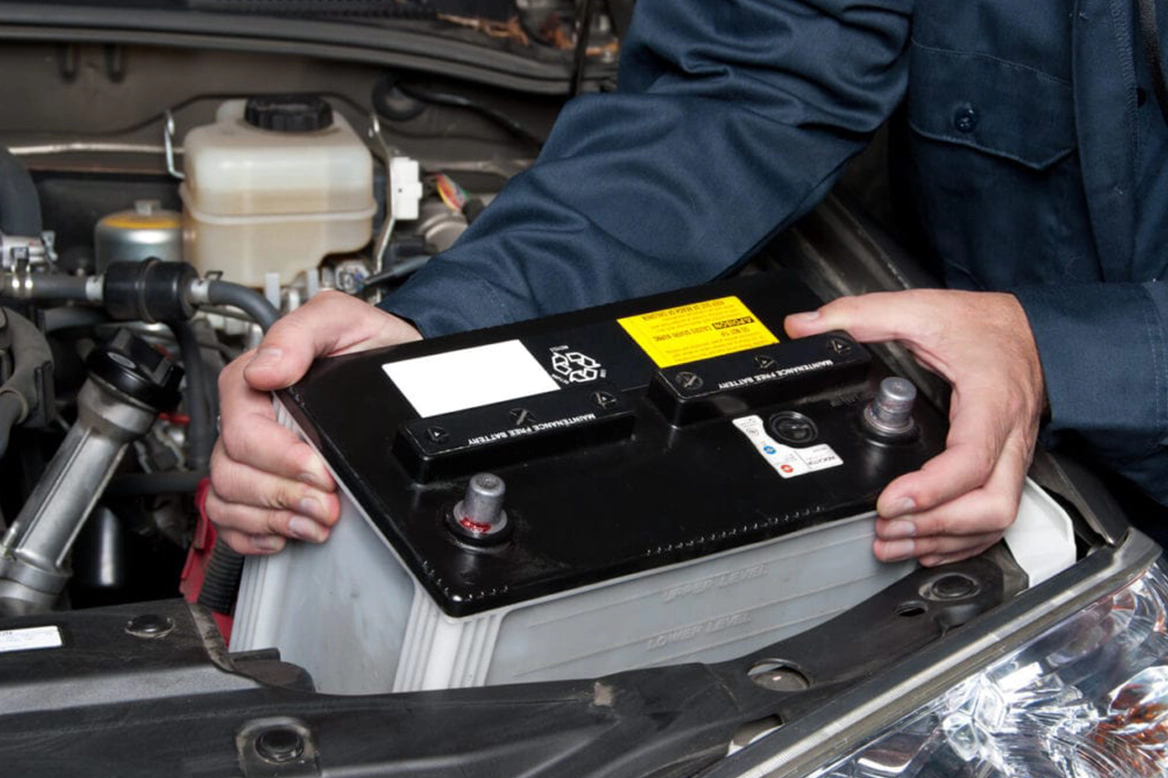
Choose a battery that fits your car’s specifications. Consider the climate in your area and check the warranty.
Credit: www.sunautoservice.com
Frequently Asked Questions
How Often Should I Check My Car Battery?
Check your car battery every three to six months. Regular checks prevent unexpected failures. Look for corrosion, leaks, and loose connections during inspection.
What Are The Signs Of A Failing Car Battery?
Signs include slow engine crank, dim lights, and warning indicators. Frequent jump-starts or electrical issues also suggest battery problems. Early detection helps avoid roadside emergencies.
How Can I Clean My Car Battery Terminals?
Use a mixture of baking soda and water to clean terminals. Disconnect cables before cleaning. Scrub gently with a brush, then rinse and dry thoroughly.
Does Extreme Weather Affect Car Battery Life?
Yes, extreme heat and cold reduce battery efficiency and lifespan. Heat causes fluid evaporation; cold slows chemical reactions. Proper maintenance and insulation help protect your battery.
Conclusion
Taking care of your car battery helps avoid sudden breakdowns. Check the battery regularly for dirt and corrosion. Keep the terminals clean and tight for good connection. Avoid leaving lights or electronics on when the engine is off. Drive your car often to keep the battery charged.
Small steps can extend your battery’s life and save money. Stay safe on the road with a healthy battery. Easy habits make a big difference in car maintenance. Keep these tips in mind for trouble-free driving.







