
Have you ever noticed an exclamation point light glowing on your car’s dashboard and felt a wave of worry? That little symbol might seem small, but it carries an important message about your vehicle’s health.
Understanding what the exclamation point car light means can save you time, money, and even prevent dangerous situations on the road. You’ll learn exactly why this light appears, what actions you should take, and how to keep your car running smoothly.
Keep reading to take control of your car’s warnings and drive with confidence.
Exclamation Point Light Meaning
The exclamation point car light is a warning symbol. It appears on your dashboard to alert you of possible issues. Understanding its meaning helps keep your vehicle safe and running well.
This warning light can mean different things depending on your car model. It is important to check your owner’s manual for specific details.
Common Warning Indicators
The exclamation point light often shows problems with brakes or tires. It can also indicate other system warnings that need attention.
- Brake system warning
- Low tire pressure
- Traction control or stability control alert
- General warning for system faults
Potential Causes Of The Alert
Many reasons can cause the exclamation point light to appear. Some are easy to fix, while others may need a mechanic.
| Cause | Description |
| Brake Fluid Low | Brake fluid level is below the safe mark. |
| Tire Pressure Low | One or more tires have low air pressure. |
| Brake Pads Worn | Brake pads are worn out and need replacement. |
| Traction Control Issue | System detects a problem with traction or stability. |
| Electrical Fault | A general electrical problem affecting safety systems. |

Credit: www.timesdrive.in
Checking Tire Pressure
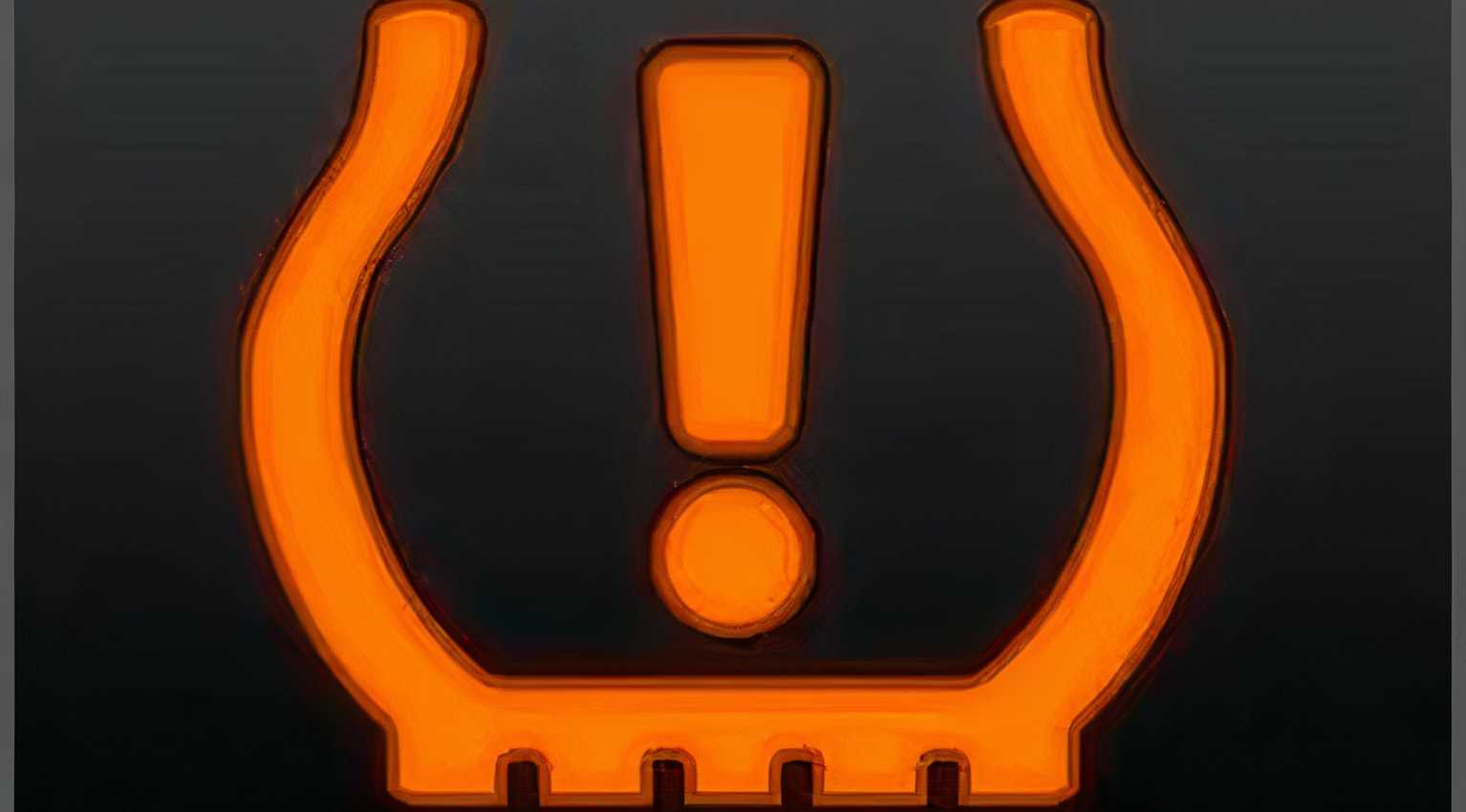
The exclamation point car light often means low tire pressure. Keeping tires at the right pressure helps your car drive safely. It also saves fuel and prevents tire damage.
Checking tire pressure is easy and takes only a few minutes. You can do it with a simple tool called a tire pressure gauge.
Using A Tire Pressure Gauge
A tire pressure gauge measures how much air is in your tires. Use it when tires are cold for the best reading. Remove the valve cap, press the gauge on the valve, and read the number.
If the pressure is low, add air. If it is too high, release some air. Check all four tires this way.
Recommended Pressure Levels
Each vehicle has a recommended tire pressure. Check your car’s manual or the sticker inside the driver’s door. Typical pressure is between 30 and 35 PSI (pounds per square inch).
| Tire Type | Pressure Range (PSI) |
|---|---|
| Passenger Cars | 30–35 |
| SUVs and Light Trucks | 35–40 |
| Heavy Trucks | 50 or higher |
Resetting The Tire Pressure Monitor
The tire pressure monitor may stay on after fixing the tires. You can reset it to turn off the warning light. Usually, this happens by pressing a button in the car or using the menu on your dashboard.
Check your car manual for exact reset steps. If the light stays on, have a mechanic check the system.
Brake System Issues
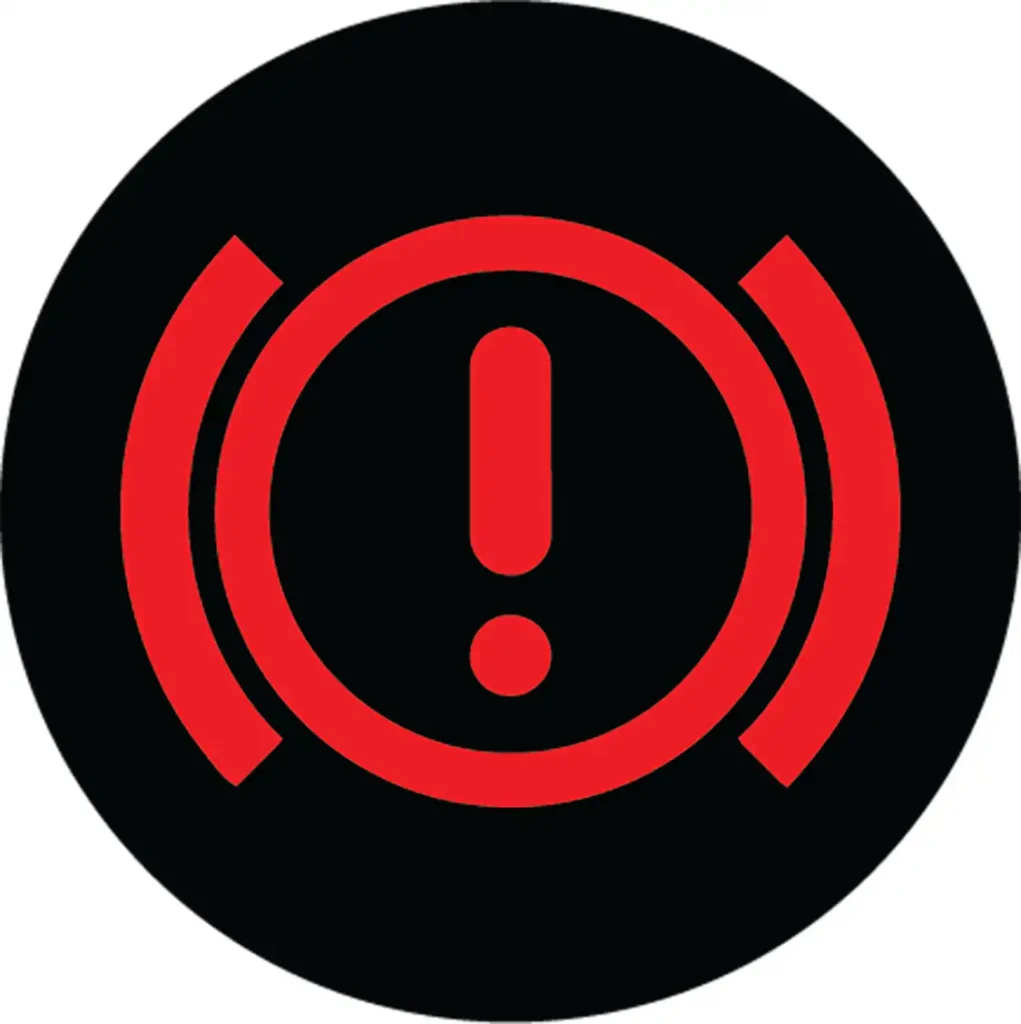
The exclamation point car light often signals a brake system problem. This warning helps keep you safe on the road. It means your brakes need checking as soon as possible.
Ignoring this warning can lead to serious accidents. Understanding the signs of brake problems helps you act quickly and avoid danger.
Signs Of Brake Problems
You may notice strange noises or feel vibrations when braking. The brake pedal might feel soft or sink to the floor. These are common signs of brake trouble.
- Squealing or grinding sounds
- Brake pedal feels spongy or low
- Car pulls to one side when braking
- Warning light stays on
Fluid Level And Brake Pads
Brake fluid helps your brakes work properly. Check the fluid level regularly. Low fluid can cause brake failure.
Brake pads wear out over time. Thin or worn pads reduce braking power. Replace brake pads before they cause damage to other parts.
- Check brake fluid reservoir monthly
- Look for leaks or dirty fluid
- Inspect brake pads for thickness
- Replace pads if less than 3 mm thick
When To Consult A Mechanic
See a mechanic if the exclamation point light stays on. Also get help if you hear noises or feel changes in braking.
Do not delay brake repairs. A professional can find hidden problems and fix them safely. Driving with bad brakes is dangerous.
- Warning light stays on after brake check
- Brake pedal feels soft or goes to floor
- Unusual noises when braking
- Car pulls or shakes when stopping
Other Possible Alerts
The exclamation point car light can mean different alerts beyond the usual warnings. It is important to know what these alerts indicate for your vehicle’s safety.
This section covers alerts related to traction control and general system malfunctions. Understanding these can help you react properly.
Traction Control Warning
The traction control warning light shows when the system activates to help keep your car stable. It may flash or stay on depending on the situation.
- Light flashing means the system is working to prevent wheel slip.
- Light on constantly indicates a problem with traction control.
- Check the system if the light stays on after starting the car.
- Drive carefully on slippery roads when this light appears.
General System Malfunctions
This alert signals a fault in your vehicle’s systems. It can cover many issues from engine to brakes.
| Alert | Possible Cause | Action |
| Exclamation Point Light | Electrical fault | Have the car checked by a mechanic |
| Warning Light On | Engine problem | Stop the car safely and diagnose |
| Light Blinking | Brake system issue | Do not drive; get immediate service |
Diy Fixes And Precautions
The exclamation point car light can warn you about a problem. It often means your tire pressure is low or there is a system fault.
You can try some simple fixes yourself. But you must be careful and check things safely before driving.
Safe Inspection Steps
Check the tire pressure first. Use a gauge to see if tires need air. Make sure the car is parked on flat ground.
Look for visible damage on tires like cuts or cracks. Check the spare tire too. If tires look fine, check the car manual for other causes.
- Park the car on a flat surface
- Use a tire pressure gauge
- Add air if pressure is low
- Inspect tires for damage
- Check the spare tire
- Consult your car’s manual
When To Avoid Driving
Do not drive if the exclamation light stays on after fixing tires. This may mean a serious problem with brakes or other systems.
Also avoid driving if you see other warning lights or hear strange noises. In these cases, call a mechanic to check your car.
- Light stays on after tire check
- Brake warning light is on
- You hear unusual sounds
- Car handles poorly or pulls to one side
- Any other warning lights appear
Credit: www.topspeed.com
Professional Diagnosis
The exclamation point car light can cause concern for drivers. It often signals an issue with the vehicle. Professional diagnosis helps pinpoint the exact problem.
Understanding the issue early can prevent bigger problems later. A professional can provide a detailed analysis using advanced tools.
Using Diagnostic Tools
Mechanics use diagnostic tools to check the car’s systems. These tools help identify faults quickly and accurately.
They connect the tool to the car’s computer system. It then reads error codes that indicate what is wrong.
- OBD-II scanner is common for error code reading
- Tools can also check battery and engine status
- Experienced technicians interpret the data
Repair Cost Estimates
Once diagnosed, the next step is to estimate repair costs. Knowing the cost helps you plan and budget for the repair.
Costs vary depending on the issue. Some repairs are simple, while others may be more complex and expensive.
| Minor issues | $50 – $150 |
| Moderate issues | $150 – $500 |
| Major issues | $500 and up |
Credit: www.streettrucksmag.com
Frequently Asked Questions
What Does The Exclamation Point Car Light Mean?
The exclamation point car light signals a warning. It often indicates low tire pressure or a brake system issue. Check your vehicle’s manual for specific details. Address the issue promptly to ensure safety and avoid damage.
Is The Exclamation Point Light A Serious Warning?
Yes, the exclamation point light usually signals an urgent issue. It may relate to tires, brakes, or other critical systems. Ignoring it can lead to safety risks or costly repairs. Always inspect and fix the problem quickly.
How To Reset The Exclamation Point Car Light?
Resetting the exclamation point light depends on the cause. For tire pressure, inflate tires to recommended levels and drive briefly. Some cars require a manual reset via the dashboard menu. Consult your vehicle’s manual for exact instructions.
Can The Exclamation Point Light Indicate Low Tire Pressure?
Yes, the exclamation point often means low tire pressure. Modern cars use sensors to detect this condition. Check tire pressures with a gauge and inflate to the manufacturer’s recommended PSI. This improves safety and fuel efficiency.
Conclusion
The exclamation point car light signals a warning. It tells you to check your vehicle soon. Ignoring this light can cause bigger problems. Stay alert and take action quickly. Regular car care helps avoid this warning. Your safety depends on paying attention.
Keep your car in good shape always. Don’t wait until issues get worse. Simple steps can save time and money. Watch this light and drive safely every day.







