
Your car’s leather seats add a touch of luxury and comfort that you want to keep looking fresh and new. But cleaning leather can feel tricky—you don’t want to damage the material or leave ugly stains behind.
What if you could easily restore that smooth, rich look without spending hours or using harsh chemicals? In this guide, you’ll discover simple, effective steps to clean your leather seats safely and keep them looking their best for years to come.
Ready to give your car the care it deserves? Let’s dive in!

Credit: www.youtube.com
Gathering Supplies
Cleaning leather car seats needs some special supplies. Getting the right items helps protect your seats and cleans them well.
Before you start, gather everything you need. This saves time and avoids mistakes.
Essential Cleaning Materials
Choose gentle materials that clean without harming the leather. Avoid anything harsh or abrasive.
- Soft microfiber cloths to wipe and dry seats
- A soft-bristled brush to loosen dirt in creases
- Distilled water for diluting cleaners or rinsing
- Leather conditioner to keep the material soft
- Vacuum cleaner with soft brush attachment
Choosing The Right Leather Cleaner
| Type | Description | Use Tips |
| pH-balanced Leather Cleaner | Gentle on leather, cleans dirt well | Apply with microfiber cloth, avoid soaking |
| Natural Leather Soap | Made with mild ingredients, safe for all leather types | Use small amounts, rinse with damp cloth |
| Leather Wipes | Pre-moistened, easy for quick cleanups | Use on light dirt or spills only |
Protective Gear And Tools
Wear gloves to protect your hands from chemicals. Use tools that avoid scratching the leather.
- Latex or nitrile gloves to keep hands safe
- Soft brushes that do not damage leather texture
- Spray bottles for applying cleaner evenly
- Small bowls to mix cleaner with water
Credit: www.fibrenew.com
Preparing The Car Seats
Cleaning leather car seats starts with good preparation. It helps protect the leather and get better results.
Preparing the seats well makes the cleaning process easier and keeps the leather in good shape.
Removing Loose Dirt And Debris
Start by removing loose dirt and debris from the seats. Dust, crumbs, and small particles can scratch the leather during cleaning.
Use a soft brush or cloth to gently wipe the surface. This clears away dirt without damaging the leather.
- Use a soft-bristled brush for corners and seams
- Wipe with a dry microfiber cloth to lift dust
- Check under seats and in crevices for hidden debris
Vacuuming The Seats Thoroughly
Vacuum the seats to remove dirt from deep inside the leather pores and seams. This step prevents dirt from spreading during cleaning.
Use a vacuum with a soft brush attachment. Move slowly to avoid scratching the leather surface.
- Attach a soft brush nozzle to your vacuum
- Vacuum seat surfaces, edges, and seams carefully
- Use gentle suction to protect the leather
Cleaning Process
Cleaning leather seats helps keep them soft and fresh. Dirt and oils can damage leather over time. Regular care improves your car’s interior look.
This guide covers the main steps to clean leather seats safely and effectively. Use gentle products and tools to protect the leather surface.
Applying Leather Cleaner
Choose a leather cleaner made for car seats. Apply a small amount to a clean cloth. Avoid spraying the cleaner directly on the leather.
Work in small sections to avoid drying out the leather. Test the cleaner on a hidden spot first to check for color changes.
Gentle Scrubbing Techniques
Use a soft brush or sponge to scrub the leather gently. Clean in circular motions to lift dirt without damaging the surface.
- Do not use stiff brushes that can scratch.
- Focus on seams and creases where dirt builds up.
- Apply light pressure to avoid removing leather finish.
- Work slowly and cover all areas evenly.
Wiping Off Residue
| Material | Purpose |
|---|---|
| Microfiber Cloth | Remove cleaner and dirt without scratching |
| Clean Water | Lightly dampen cloth to wipe residue |
| Dry Cloth | Dry leather to prevent water spots |
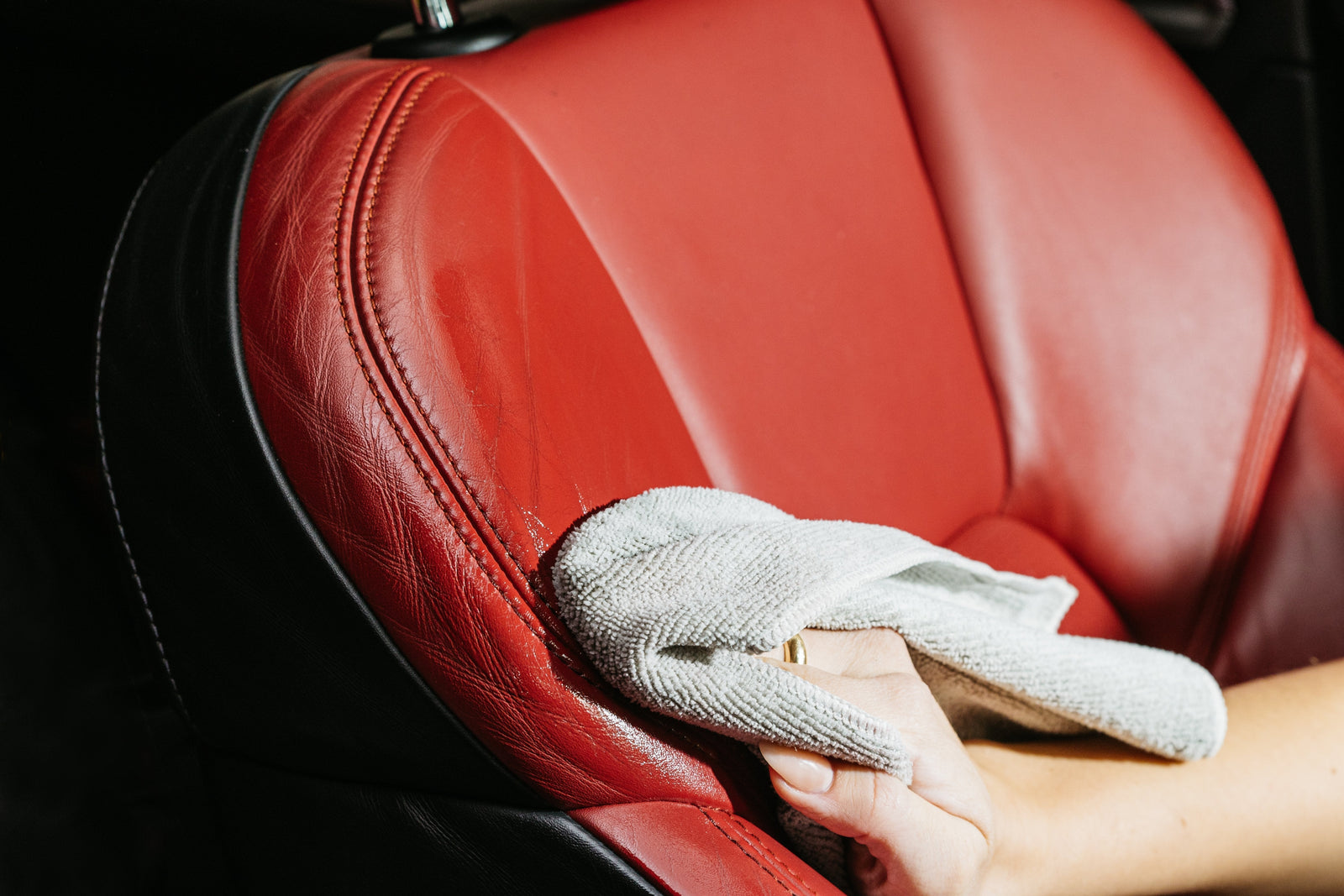
Use a damp microfiber cloth to wipe off all cleaner residue. Follow with a dry cloth to absorb any moisture. Let the seats air dry before use.
Credit: www.leatherhoney.com
Drying And Conditioning
Cleaning leather car seats is important to keep them soft and strong. After cleaning, drying and conditioning help protect the leather.
Drying removes moisture safely. Conditioning adds oils to stop cracks and wear. Both steps extend the life of leather seats.
Proper Drying Methods
Dry leather seats with a soft cloth after cleaning. Avoid using heat sources like hair dryers or direct sunlight.
Let the seats air dry naturally in a cool, shaded place. This keeps the leather from drying out too fast or shrinking.
- Use a microfiber cloth to gently pat dry
- Do not rub hard to avoid damage
- Keep seats away from direct sun and heaters
- Allow at least a few hours for full drying
Choosing A Leather Conditioner
Select a conditioner made for automotive leather. These keep the seats soft and protect against UV rays and dirt.
Check the label for natural oils and avoid products with harsh chemicals or silicone. A good conditioner absorbs well without leaving sticky residue.
- Look for leather conditioners with natural oils
- Avoid silicone or petroleum-based products
- Choose one that protects against sun damage
- Pick a product suitable for car interiors
Applying Conditioner Evenly
Use a clean, soft cloth to apply conditioner. Spread it evenly in small sections to cover all areas without over-saturating.
Let the conditioner soak in for about 10 minutes. Then, buff the seats gently with a dry cloth to remove extra product and shine the leather.
- Apply conditioner in thin, even layers
- Work in small sections for full coverage
- Allow time for absorption before buffing
- Use a dry cloth to remove excess conditioner
Maintaining Leather Seats
Leather seats add style and comfort to your car. They need care to stay soft and clean. Regular maintenance protects leather from wear and damage.
Simple habits can keep your leather seats looking new. Follow these tips to clean and protect them easily.
Regular Cleaning Schedule
Cleaning leather seats often helps keep dirt and dust away. Use a soft cloth or vacuum to remove loose dirt. Avoid harsh cleaners that dry out leather.
- Vacuum seats weekly to remove dust and crumbs
- Wipe with a damp microfiber cloth every two weeks
- Use a leather cleaner monthly for deep cleaning
- Apply leather conditioner after cleaning to keep softness
Avoiding Sun And Heat Damage
Sun and heat cause leather to crack and fade. Keep your car parked in shaded areas or use sunshades. Use window tints to reduce UV rays.
| Damage Cause | Protection Method |
|---|---|
| Direct Sunlight | Use sunshades or park in shade |
| High Heat | Keep car windows slightly open for airflow |
| UV Rays | Apply UV protectant on leather surfaces |
Quick Tips For Spills And Stains
Act fast to stop stains from setting on leather. Blot spills with a clean cloth. Avoid rubbing which may spread the stain.
- Blot liquid spills immediately with a dry cloth
- Use a mild soap solution for sticky stains
- Test cleaners on hidden spots before full use
- Dry the area gently after cleaning
- Apply leather conditioner after spot cleaning
Troubleshooting Common Issues
Leather seats in your car can add luxury and comfort. But they need proper care to stay in good condition. Sometimes, you might face problems like stains, cracks, or fading.
This guide will help you tackle these common issues. You’ll learn how to deal with stubborn stains, handle cracks, and know when professional help is necessary.
Removing Stubborn Stains
Stains on leather seats can be tough to remove. It is important to act quickly to prevent permanent damage.
Use a leather cleaner or mild soap with water. Apply gently with a soft cloth to avoid rubbing the stain deeper.
- Blot the stain, do not rub
- Use a soft cloth or sponge
- Test cleaner on a hidden area first
Dealing With Cracks And Fading
Leather can crack and fade over time. Sunlight and lack of moisture are common causes.
Apply a leather conditioner regularly to keep the leather soft. Use a sunshade to protect your car interior from direct sunlight.
- Condition leather every few months
- Park in shade when possible
- Use sunshades to block UV rays
When To Seek Professional Help
Some issues might need expert attention. Large cracks, deep stains, or severe fading are examples.
Professionals have specialized tools and products. They can restore your leather seats effectively.
- Severe discoloration
- Deep or large cracks
- Persistent stains
Frequently Asked Questions
How Often Should I Clean My Car’s Leather Seats?
Clean leather seats every 3-6 months to maintain their look and durability. Regular cleaning prevents dirt buildup and cracks. Wipe spills immediately to avoid stains. Use appropriate leather cleaners for best results and to preserve the leather’s natural oils.
What Is The Best Cleaner For Leather Car Seats?
Use a pH-balanced leather cleaner specifically designed for automotive leather. Avoid harsh detergents or household cleaners, as they can damage the leather. Always test the cleaner on a small hidden spot first to ensure it doesn’t discolor or dry out the leather.
Can I Use Household Products To Clean Leather Seats?
It’s best to avoid household products like vinegar or ammonia on leather seats. These can strip natural oils and cause cracking or fading. Stick to products made for leather care to keep the seats soft and protected.
How Do I Condition Leather Car Seats Properly?
Apply a leather conditioner after cleaning to nourish and protect the seats. Use a soft cloth to evenly spread a thin layer. Let it absorb for 10-15 minutes, then buff off excess. Conditioning keeps leather supple and prevents drying and cracking.
Conclusion
Cleaning leather car seats keeps them soft and looking new. Regular care stops cracks and fading. Use gentle cleaners and soft cloths for best results. Avoid harsh chemicals that can damage leather. Dry seats well after cleaning to prevent mold.
Small, quick clean-ups save time and effort. A clean car feels fresh and comfortable to ride in. Keep up this routine for long-lasting leather seats. Your car’s interior will thank you.







