
Are you new to car care and wondering where to start? Having the right tools can make all the difference when it comes to keeping your car running smoothly.
Imagine saving time, money, and frustration by handling simple repairs yourself. In this guide, you’ll discover the basic car maintenance tools every beginner needs. These tools are easy to use and will give you the confidence to take control of your car’s upkeep.
Keep reading, and you’ll be ready to tackle common car problems like a pro.

Credit: blog.acmetools.com
Essential Hand Tools
Basic car maintenance needs a few key hand tools. These tools help you fix small problems and keep your car running well.
Knowing about these tools is a good start for beginners. They are easy to use and found in most toolkits.
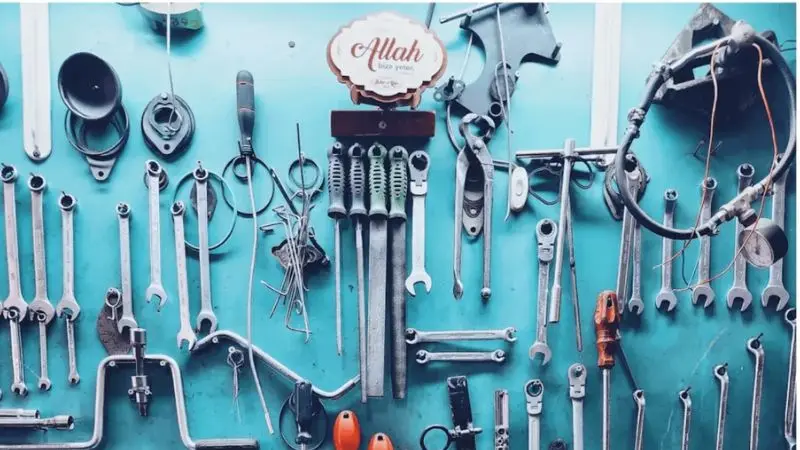
Wrenches And Sockets
Wrenches and sockets help you tighten or loosen nuts and bolts. They come in different sizes for many uses.
A set usually includes open-end wrenches, box wrenches, and socket wrenches. Each type fits different bolts.
- Open-end wrenches are easy to use on flat nuts.
- Box wrenches fully grip the bolt for better turn.
- Socket wrenches use a ratchet to speed up work.
Screwdrivers
Screwdrivers turn screws to fasten or remove parts. Most kits have flathead and Phillips types.
Flathead screwdrivers have a flat tip for slotted screws. Phillips screwdrivers have a cross tip for better grip.
- Use the right screwdriver size to avoid damage.
- Keep screwdrivers clean and dry for longer use.
- Magnetic tips help hold screws in tight spaces.
Pliers
Pliers hold, bend, or cut wires and small parts. They come in many shapes for different tasks.
Common types include needle-nose, slip-joint, and cutting pliers. Each has a special use in car repair.
- Needle-nose pliers reach tight spots easily.
- Slip-joint pliers adjust to different sizes.
- Cutting pliers trim wires or small metal parts.
Hammer
A hammer helps with loosening stuck parts or shaping metal. A small, lightweight hammer is best for beginners.
Use a hammer with a comfortable grip and a smooth face to avoid damage. It helps in many simple repairs.
Diagnostic Tools
Basic car maintenance needs diagnostic tools to find problems early. These tools help you check your car’s health fast and save money on repairs.
Two common diagnostic tools for beginners are the OBD-II scanner and the multimeter. Each tool has its own use and benefits.
Obd-ii Scanner
An OBD-II scanner reads error codes from your car’s computer. It shows why the check engine light is on. This tool helps you understand car issues before visiting a mechanic.
- Connect the scanner to your car’s OBD-II port
- Turn on the ignition without starting the engine
- Read the error codes shown on the scanner screen
- Look up code meanings in the scanner manual or online
- Clear the codes after repairs to reset the system
Multimeter
A multimeter measures electrical values like voltage, current, and resistance. It helps check car batteries, fuses, and wiring. Knowing how to use a multimeter can prevent electrical problems.
| Multimeter Function | Use in Car Maintenance |
|---|---|
| Voltage Measurement | Check battery charge and alternator output |
| Resistance Measurement | Test fuses and wiring for breaks |
| Current Measurement | Check electrical current in circuits |
Tire Maintenance Tools
Taking care of your car’s tires is important for safety and performance. Using the right tools makes tire maintenance easier and safer.
Here are some basic tools every beginner should have for tire care.
Tire Pressure Gauge
A tire pressure gauge measures the air pressure inside your tires. Proper pressure keeps your tires safe and lasts longer.
Check tire pressure regularly, especially before long trips or during cold weather.
- Helps avoid flat tires
- Improves fuel efficiency
- Prevents tire wear
Jack And Jack Stands
A jack lifts your car off the ground to change tires or do repairs. Jack stands hold the car safely in place.
Never rely on the jack alone. Always use jack stands for safety.
- Hydraulic jacks are easy to use
- Jack stands provide stable support
- Use on firm, level ground
Lug Wrench
A lug wrench helps loosen and tighten lug nuts on your wheels. It gives you the leverage needed to remove tires.
Choose a wrench that fits your car’s lug nuts. Cross-shaped wrenches offer good grip and power.
- Loosen nuts before lifting the car
- Tighten nuts in a star pattern
- Check nuts after driving a short distance
Fluid Maintenance Gear
Keeping your car fluids clean is important for its health. Using the right tools makes this job easier and safer.
Here are some basic tools beginners need for fluid maintenance. These tools help you add, remove, and collect fluids properly.
Funnel
A funnel helps pour fluids into small openings without spilling. It guides the fluid directly into the tank or reservoir.
- Choose a funnel with a wide mouth for easy pouring.
- Use funnels made of plastic or metal for durability.
- Some funnels have filters to catch debris.
- Clean the funnel after each use to avoid contamination.
Fluid Extractor
A fluid extractor removes old fluid from hard-to-reach places. It works by suction, pulling fluid out through a tube.
| Type | Use | Advantages |
| Manual Pump | Small amounts of fluid | Easy to use, no power needed |
| Electric Extractor | Large fluid volumes | Fast and efficient |
| Handheld Syringe | Tight spaces | Precise control |
Drain Pan
A drain pan catches old fluids during changes. It keeps your workspace clean and prevents spills on the ground.
- Place the pan under the drain plug or valve.
- Check the pan size to hold all the fluid.
- Empty and clean the pan after each use.
- Dispose of fluids safely according to local laws.
Cleaning And Safety Equipment
Basic car maintenance needs proper cleaning and safety tools. These tools keep you safe and your car parts clean.
Using the right equipment helps prevent accidents and makes your work easier. Always have these items ready.
Gloves And Safety Glasses
Gloves protect your hands from dirt, chemicals, and cuts. They also keep your skin safe from oils and grease.
Safety glasses shield your eyes from dust, debris, and chemical splashes. Always wear them during repairs.
- Use durable gloves for strong grip and protection
- Wear safety glasses with clear lenses for good visibility
- Choose gloves that fit well to avoid slipping
- Replace damaged gloves and glasses immediately
Shop Rags
Shop rags help clean spills and wipe parts. They are reusable and absorb oil and dirt well.
Keep a stack of clean rags nearby to keep your workspace tidy. Use old clothes if needed.
- Use rags to wipe hands and tools
- Keep rags dry to avoid mold and bad smells
- Wash rags often to remove grease and dirt
Brake Cleaner
Brake cleaner removes brake dust, oil, and grease from parts. It helps brakes work better and last longer.
Use brake cleaner in a well-ventilated area. Avoid contact with skin and eyes for safety.
- Spray brake cleaner on brake parts before working
- Let it dry completely before reassembling
- Store brake cleaner away from heat and flames
Credit: www.vevor.com
Storage And Organization
Keeping your car maintenance tools organized is important. It helps you find what you need quickly. Good storage also protects your tools.
Let’s look at some basic storage solutions for beginners. These will help keep your workspace tidy and efficient.
Toolbox
A toolbox is essential for storing your car maintenance tools. It keeps your tools in one place. Look for a sturdy toolbox with compartments.
Having a toolbox makes it easy to carry your tools. You can also organize them by type or size. This makes your work faster and more efficient.
- Choose a durable material like metal or heavy-duty plastic
- Check for a lock to secure your tools
- Opt for a size that fits your most-used tools
Magnetic Trays
Magnetic trays are great for holding small metal parts. They help you avoid losing screws and bolts while working on your car.
You can attach a magnetic tray to any metal surface. This keeps parts within reach and prevents them from rolling away.
- Use them for nuts, bolts, and screws
- Place them on a metal workbench or car hood
- Choose trays with strong magnets for better hold

Credit: www.amazon.ca
Frequently Asked Questions
What Are Essential Tools For Beginner Car Maintenance?
Essential tools include a socket set, screwdrivers, pliers, tire pressure gauge, and a jack. These tools help with basic repairs and inspections. Having them ensures you can handle common car issues safely and efficiently at home.
How Do I Choose The Right Car Maintenance Tools?
Choose tools based on your car’s needs and repair tasks. Look for durability, ease of use, and compatibility. Starter kits are great for beginners. Quality tools save money and time by preventing damage and improving repair accuracy.
Why Is A Tire Pressure Gauge Important For Beginners?
A tire pressure gauge helps maintain proper tire inflation. Correct tire pressure improves fuel efficiency and safety. Beginners can avoid uneven tire wear and potential blowouts by regularly checking their tire pressure. It’s a simple yet vital tool.
Can Beginners Do Car Maintenance Without Professional Tools?
Basic maintenance like oil changes and fluid checks can be done with simple tools. However, specialized repairs may need professional-grade tools. Beginners should start small and gradually invest in tools as their skills improve, ensuring safety and effectiveness.
Conclusion
Basic car maintenance tools help keep your vehicle running smoothly. Using these tools saves time and money on repairs. Start with simple items like wrenches, screwdrivers, and tire pressure gauges. Practice safety and follow instructions carefully while working on your car.
Regular checks prevent bigger problems later. Taking small steps builds your confidence and skills. Everyone can learn to care for their car with the right tools. Keep your tools organized and ready for use. Simple maintenance protects your car and ensures safe driving.







