
Have you ever been driving when a warning light suddenly appears on your dashboard? That little symbol can cause a lot of stress and confusion.
But knowing what these car warning lights mean can save you time, money, and even keep you safe. You’ll learn how to recognize the most common warning lights and what you should do when they come on. Stay with us, and you’ll never feel lost or worried the next time your dashboard lights up.
Common Warning Lights
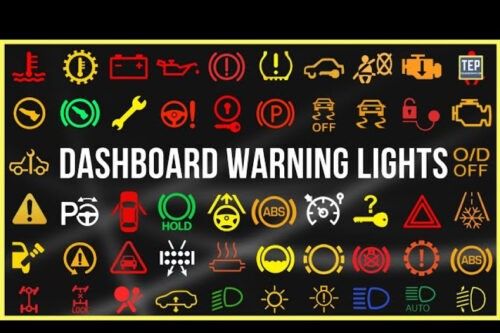
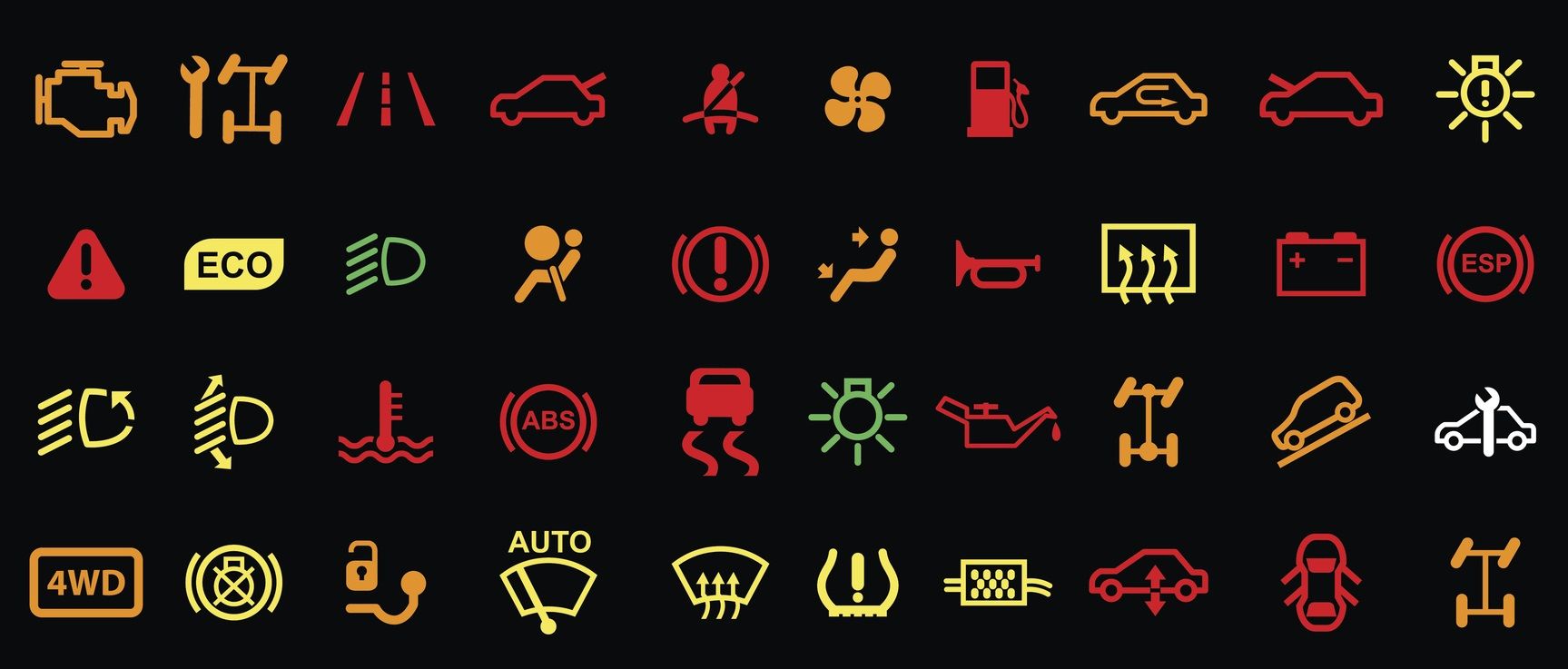
Cars have warning lights on the dashboard. These lights tell you if something needs attention. Knowing these lights helps keep your car safe.
This guide explains common warning lights and what they mean. Learn what to do if these lights turn on.
Engine Warning Light
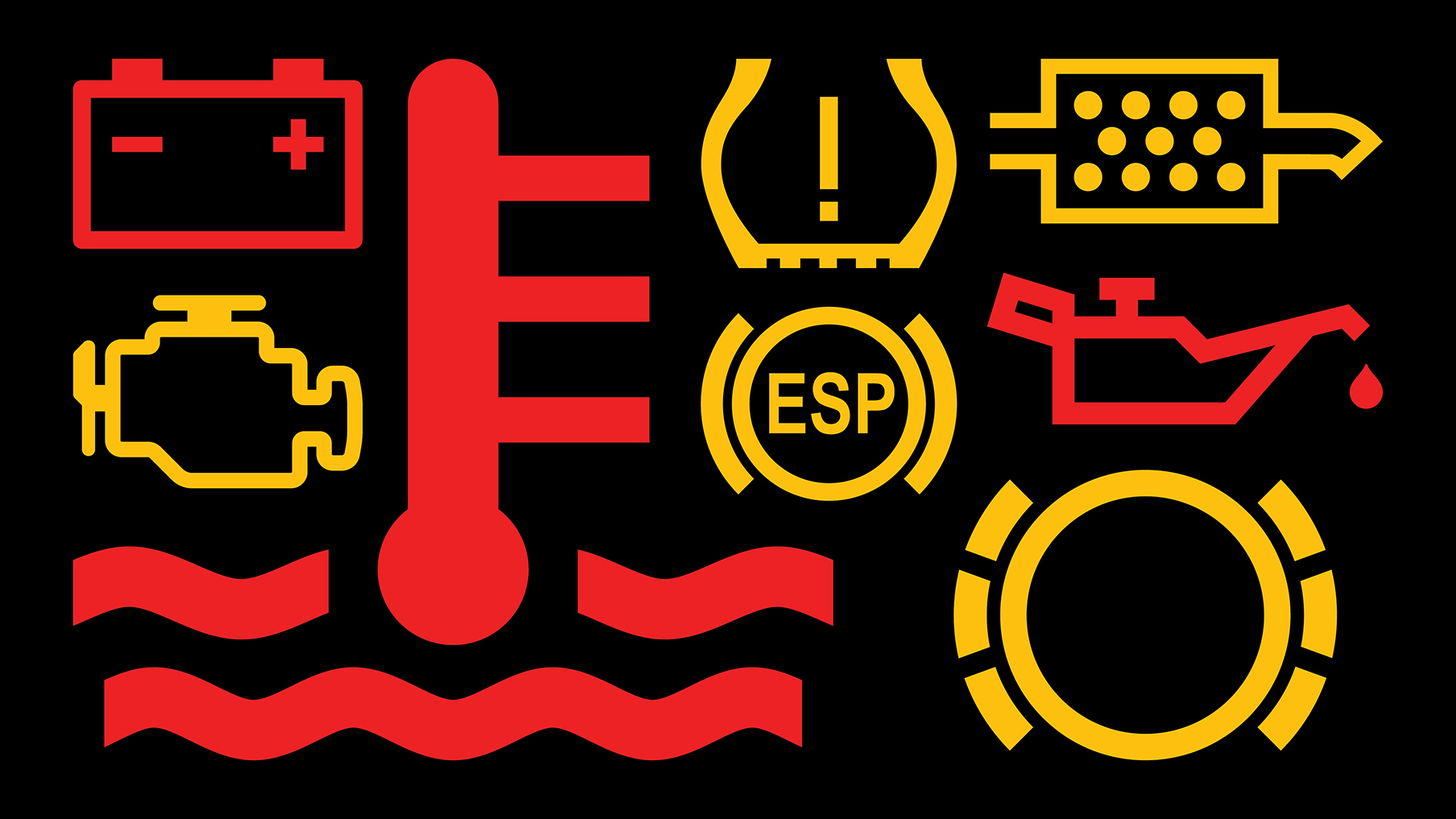
The engine warning light looks like an engine. It means there is a problem with the engine or emissions system.
If this light comes on, the car may run poorly or lose power. Check the engine soon to avoid damage.
Battery Alert
The battery alert light looks like a battery. It signals a problem with the charging system or battery.
If this light is on, the car may lose power soon. Check the battery and alternator as soon as possible.
Oil Pressure Indicator
The oil pressure indicator looks like an oil can. It shows low oil pressure in the engine.
Low oil pressure can cause engine damage. Stop the car and check the oil level immediately.
Brake System Warning
The brake system warning light usually looks like a circle with an exclamation mark. It means a problem with brakes.
This light can mean low brake fluid or worn brake pads. Check the brake system to stay safe.
- Check brake fluid level
- Inspect brake pads and discs
- Do not drive if brakes feel weak
Tire Pressure Monitor
The tire pressure monitor light looks like an exclamation mark inside a flat tire shape. It means low tire pressure.
Low tire pressure can cause poor handling and tire damage. Check and inflate tires to the right pressure.
Credit: www.zigwheels.my
Warning Light Colors
Car warning lights use colors to show different levels of alerts. Each color means how serious the issue is.
Knowing these colors helps drivers react in the right way and keep safe on the road.
Red Lights
Red warning lights mean a serious problem. They need your immediate attention.
These lights warn you to stop your car soon or check the issue right away.
- Engine overheating
- Brake system failure
- Oil pressure low
- Battery charging problem
Yellow/amber Lights
Yellow or amber lights mean caution. They show a problem that needs attention but is not urgent.
You should check these issues soon to avoid bigger problems later.
- Check engine light
- Low fuel warning
- Tire pressure low
- ABS system alert
Green And Blue Lights
Green and blue lights are information signals. They tell you that a system is working properly.
These lights do not mean a problem. They help you know the status of certain features.
- Turn signal indicators (green)
- High beam headlights (blue)
- Cruise control active (green)
Immediate Actions To Take
Car warning lights alert you to problems that need your attention. Acting quickly can prevent damage and keep you safe.
Learn what to do as soon as a warning light appears on your dashboard. Follow these steps to handle common issues.
When To Stop Driving
Some warning lights mean you should stop driving right away. Ignoring them can cause serious damage or danger.
Red lights usually signal a critical problem. Pull over safely and turn off your engine as soon as you can.
- Engine temperature warning
- Oil pressure warning
- Brake system warning
- Battery charge warning
Checking Basic Fluid Levels
Low fluid levels can trigger warning lights. Check your car’s fluids to find and fix simple problems.
Look at the oil, coolant, brake fluid, and transmission fluid. Add fluids if they are below the recommended marks.
- Check oil using the dipstick when the engine is cool
- Inspect coolant level in the reservoir tank
- Look at brake fluid level in its container
- Check transmission fluid if your car allows
Using Onboard Diagnostics
Your car has a computer system that stores error codes. You can read these codes to know the problem.
Use an OBD-II scanner to connect to your car’s port. This helps you understand warning lights and plan repairs.
- Locate the OBD-II port under the dashboard
- Plug in the scanner and turn on the ignition
- Read the error codes displayed on the device
- Look up code meanings in the scanner manual or online
Credit: www.motabilitylifestyle.com
Preventive Maintenance Tips
Car warning lights alert you to issues in your vehicle. Taking care of your car helps avoid problems.
Regular maintenance keeps your car safe and running smoothly. Simple checks can prevent costly repairs.
Regular Fluid Checks
Fluids keep your car parts working well. Check oil, coolant, brake fluid, and transmission fluid often.
Low or dirty fluids can cause engine damage or brake failure. Change fluids as the manual suggests.
- Check oil level monthly with the dipstick
- Look for leaks under the car
- Top up coolant to avoid engine overheating
- Brake fluid should be clear and at proper level
- Change transmission fluid as recommended
Tire Care
Tires affect your car’s grip and safety on the road. Check tire pressure and tread often.
Underinflated or worn tires can cause poor handling and increase fuel use. Rotate tires regularly.
- Check tire pressure monthly and before trips
- Look for uneven tread wear
- Rotate tires every 5,000 to 7,000 miles
- Replace tires if tread is below 2/32 inch
Brake System Maintenance
Brakes keep you safe by stopping your car. Listen for noises and check brake fluid regularly.
Worn brake pads or low fluid can lead to brake failure. Replace pads and fluid as needed.
- Check brake fluid level monthly
- Look for leaks near brake lines
- Replace brake pads if you hear squealing
- Have brakes inspected yearly by a mechanic
When To Seek Professional Help
Car warning lights can signal many issues. Some problems need quick action from a mechanic.
Knowing when to get help can keep you safe and avoid costly repairs later.
Identifying Serious Issues
Some warning lights mean urgent problems. You should see a professional if these lights stay on.
- Engine temperature light is red or flashing.
- Oil pressure warning light stays on.
- Battery or charging system light is lit.
- Brake system warning light remains on.
- Check engine light blinks or stays on for long.
Choosing A Reliable Mechanic
Pick a mechanic you can trust. Look for good reviews and proper certifications.
| Factor | What to Check |
| Experience | Years in business and types of cars serviced |
| Certifications | ASE or manufacturer certifications |
| Reviews | Customer feedback on quality and honesty |
| Warranty | Guarantees on repairs and parts used |
Preparing For Repairs
Before repairs, gather key information. This helps the mechanic diagnose and fix the problem.
- Note which warning lights came on and when.
- Write down any unusual sounds or smells.
- Keep track of recent car problems or repairs.
- Have your car’s make, model, and year ready.
- Ask about estimated costs and repair time.
Credit: www.sunridgemazda.com
Frequently Asked Questions
What Do Car Warning Lights Mean?
Car warning lights alert drivers to vehicle issues or maintenance needs. Each light has a specific meaning and urgency level. Understanding them helps prevent damage and ensures safety. Always check your owner’s manual for precise explanations.
Why Is My Check Engine Light On?
The check engine light signals engine or emissions system problems. It can indicate minor issues like a loose gas cap or serious engine faults. Prompt diagnosis and repair are essential to avoid costly damage.
How Should I Respond To A Red Warning Light?
A red warning light means a serious problem requiring immediate action. Safely stop your vehicle and turn off the engine. Contact roadside assistance or a mechanic to prevent further damage or accidents.
Can I Drive With A Yellow Warning Light?
Yellow warning lights indicate caution but usually allow limited driving. You should schedule a service appointment soon. Ignoring these lights can lead to bigger mechanical issues.
Conclusion
Car warning lights tell you when your car needs help. They keep you safe on the road. Knowing what each light means can save you money and trouble. Always pay attention to these signals. Fix problems early to avoid bigger issues.
Stay calm and check your car’s manual if unsure. Regular car checks keep warning lights from appearing. Drive smart and keep your vehicle in good shape. Your safety depends on it.







