
Are you ready to give your car a fresh, modern look that turns heads wherever you go? Installing LED lights in your car is one of the easiest and most affordable ways to upgrade its style and improve visibility.
But if you’re worried it might be complicated or time-consuming, don’t be. In this guide, you’ll discover simple, step-by-step instructions to install LED lights quickly and safely—even if you’ve never done it before. Keep reading, and by the end, you’ll know exactly how to brighten up your ride with stunning LED lighting.

Credit: www.youtube.com
Choosing The Right Led Lights
Installing LED lights in your car can improve visibility and style. Picking the right LED lights is important for safety and look.
There are many types of LED lights with different brightness and colors. You must also check if they fit your vehicle.
Types Of Led Lights For Cars
LED lights come in various types for different parts of your car. Some are for headlights, others for interior or accent lighting.
- Headlight LEDs: Bright and focused for night driving
- Fog light LEDs: Wide beam for foggy conditions
- Interior LEDs: Soft light for cabin illumination
- Accent LEDs: Small lights for decoration or undercar lights
Brightness And Color Options
LED brightness is measured in lumens. Higher lumens mean brighter light. Choose brightness based on your needs and laws.
Colors vary from white to blue, red, or even multicolor. White is best for headlights. Colored LEDs are usually for decoration.
- Low brightness: Good for interior lights
- High brightness: Needed for headlights and fog lights
- White light: Clear view and safe for driving
- Colored light: Adds style, not for main lights
Compatibility With Your Vehicle
Check your car’s manual for LED light sizes and types. Not all LED lights fit every car model.
Some cars need special adapters or resistors for LED lights. This helps avoid flickering or errors.
- Know your bulb size (e.g., H11, 9005)
- Check if your car supports LED without extra parts
- Use adapters if needed for fit and function
- Test lights before final installation
Credit: www.amazon.ca
Tools And Materials Needed
Installing LED lights in your car is a fun way to improve its look. You need the right tools and materials to do it safely and well.
This guide helps you gather everything before you start. Prepare your workspace and get ready to install.
Essential Tools
Some basic tools make the installation easier and cleaner. These tools help you connect wires and fit lights properly.
- Screwdrivers (flathead and Phillips)
- Wire strippers and cutters
- Electrical tape
- Multimeter for testing connections
- Drill with bits (if drilling is needed)
- Socket wrench set
- Heat shrink tubing
Safety Gear
Safety gear protects you while working with electrical parts. Always use proper gear to avoid injuries.
- Safety glasses to protect eyes
- Insulated gloves to prevent shocks
- Work clothes that cover skin
- Mask if working in dusty or tight spaces
Additional Supplies
Extra materials help secure the lights and keep the installation clean. These supplies improve the final result.
- LED light strips or pods
- Wire connectors and terminals
- Zip ties to hold wires in place
- Double-sided tape or mounting clips
- Fuses or fuse holders for safety
- Power source adapter or connectors
Preparing Your Car
Before installing LED lights in your car, prepare the area carefully. Proper preparation helps ensure a safe and clean installation.
Focus on cleaning the space, disconnecting the battery, and finding the right power sources. These steps make the process easier and avoid damage.
Cleaning The Installation Area
Clean the surface where you will attach the LED lights. Dirt and grease can stop the lights from sticking well. Use a soft cloth with rubbing alcohol.
- Wipe the area gently to remove dust and grime
- Check for any moisture and dry completely
- Ensure the surface is smooth and free of oil
- Allow the area to air dry before installation
Disconnecting The Battery
Always disconnect your car battery before starting. This step prevents electrical shock and protects your vehicle’s electronics.
- Turn off the ignition and remove the key
- Locate the battery under the hood
- Use a wrench to loosen the negative terminal clamp
- Remove the negative cable and set it aside
- Repeat for the positive terminal if needed
Locating Power Sources
Find a power source for your LED lights. You can tap into the fuse box or use an accessory power wire. Check your car’s manual for details.
| Power Source | Description | Pros | Cons |
|---|---|---|---|
| Fuse Box | Connect using an add-a-fuse adapter | Safe and easy to access | May require fuse replacement |
| Accessory Wire | Tap into ignition or dashboard wires | Power only when car is on | Needs careful wire handling |
| Battery Direct | Connect directly to battery terminals | Constant power supply | Risk of draining battery |
Step-by-step Installation Process
Installing LED lights in your car can improve visibility and style. This guide shows you how to do it safely and correctly.
Follow these steps carefully to replace old lights with new LED lights. Take your time and keep safety in mind.
Removing Existing Lights
Start by turning off your car and disconnecting the battery. This prevents any electrical shocks or shorts during the process.
Next, remove the screws or clips holding the existing light assembly. Gently pull the light out without damaging the wires.
Wiring The Led Lights
Match the wires from the LED lights to the car’s wiring harness. Usually, red is positive, and black is negative.
- Strip about half an inch of insulation from each wire.
- Connect the matching wires using wire connectors or solder.
- Wrap connections with electrical tape to protect them.
- Secure the wires so they do not hang loose or get pinched.
Securing The Lights In Place
Put the LED light assembly back into the car’s light housing. Make sure it fits snugly and is aligned correctly.
| Tool | Use |
|---|---|
| Screwdriver | Tighten screws to hold the light firmly |
| Zip Ties | Secure loose wires inside the housing |
| Rubber Gasket | Seal the light to prevent water entry |
Use screws and clips to secure the light assembly. Check that no gaps allow water or dust inside.
Testing The Installation
Reconnect your car battery and turn on the lights. Check if all LED lights work properly without flickering.
- Test low beam and high beam functions.
- Check turn signals if LEDs replace indicator lights.
- Look for any warning lights on the dashboard.
If the lights do not work, double-check your wiring connections and fuses. Fix any loose wires before driving.
Common Installation Challenges
Installing LED lights in your car can be tricky. You might face some common challenges during the process. Knowing these issues can help you avoid them.
Understanding these challenges can make the installation smoother. Let’s explore some of the most common hurdles you may encounter.
Troubleshooting Wiring Issues
Wiring issues are a frequent problem when installing LED lights. Incorrect connections can cause the lights not to work. Check all connections to ensure they are secure.
Wires might get tangled or damaged. Make sure to use the right tools to strip and connect wires properly.
- Inspect wires for damage before installation
- Ensure connections are tight and secure
- Use electrical tape to cover exposed wires
Dealing With Fitment Problems
LED lights might not fit all car models perfectly. You may need adapters or special mounts. Check the size and shape of the lights before buying.
Some lights might require trimming or adjustments. Make sure you have the right tools to modify the lights if needed.
- Measure the light housing space before purchase
- Consider using mounting brackets for better fit
- Consult your car’s manual for fitment specifications
Avoiding Electrical Short Circuits
Short circuits can happen if wires touch each other incorrectly. This can damage the lights or your car. Always double-check your work to prevent this.
Use fuses to protect the circuit. Fuses can stop damage by breaking the circuit if a short occurs.
- Install a fuse in the circuit line
- Use a multimeter to test for short circuits
- Keep wires organized to prevent contact
Credit: www.amazon.ca
Maintenance Tips For Led Lights
LED lights in cars need regular care to work well for a long time. Good maintenance keeps them bright and safe.
Simple checks and cleaning help avoid problems and keep your car looking great at night.
Cleaning And Care
Keep LED lights clean to maintain brightness. Dirt and dust can block the light and reduce visibility.
Use a soft cloth and mild soap with water. Avoid harsh chemicals that can damage the light cover.
- Turn off lights before cleaning
- Wipe gently to avoid scratches
- Dry the lights completely after cleaning
Checking Connections Regularly
Check the wiring and connectors often. Loose connections can cause lights to flicker or stop working.
Look for signs of wear, corrosion, or damage. Tighten or replace any faulty parts to keep lights reliable.
- Inspect wires for cracks or frays
- Ensure connectors fit tightly
- Clean corrosion with a small brush
Replacing Damaged Components
Replace any broken LED bulbs or parts quickly. Damaged components can affect light quality and safety.
Use the correct replacement parts made for your car model. Follow instructions carefully to avoid mistakes.
- Remove damaged lights with care
- Install new parts firmly
- Test lights before finalizing installation
Enhancing Your Car’s Lighting System
Installing LED lights in your car can make driving safer and more enjoyable. LED lights are brighter and last longer than traditional bulbs.
Upgrading your lighting system can improve visibility and add style to your vehicle. Let’s explore some options for enhancing your car’s lights.
Adding Ambient Interior Lights
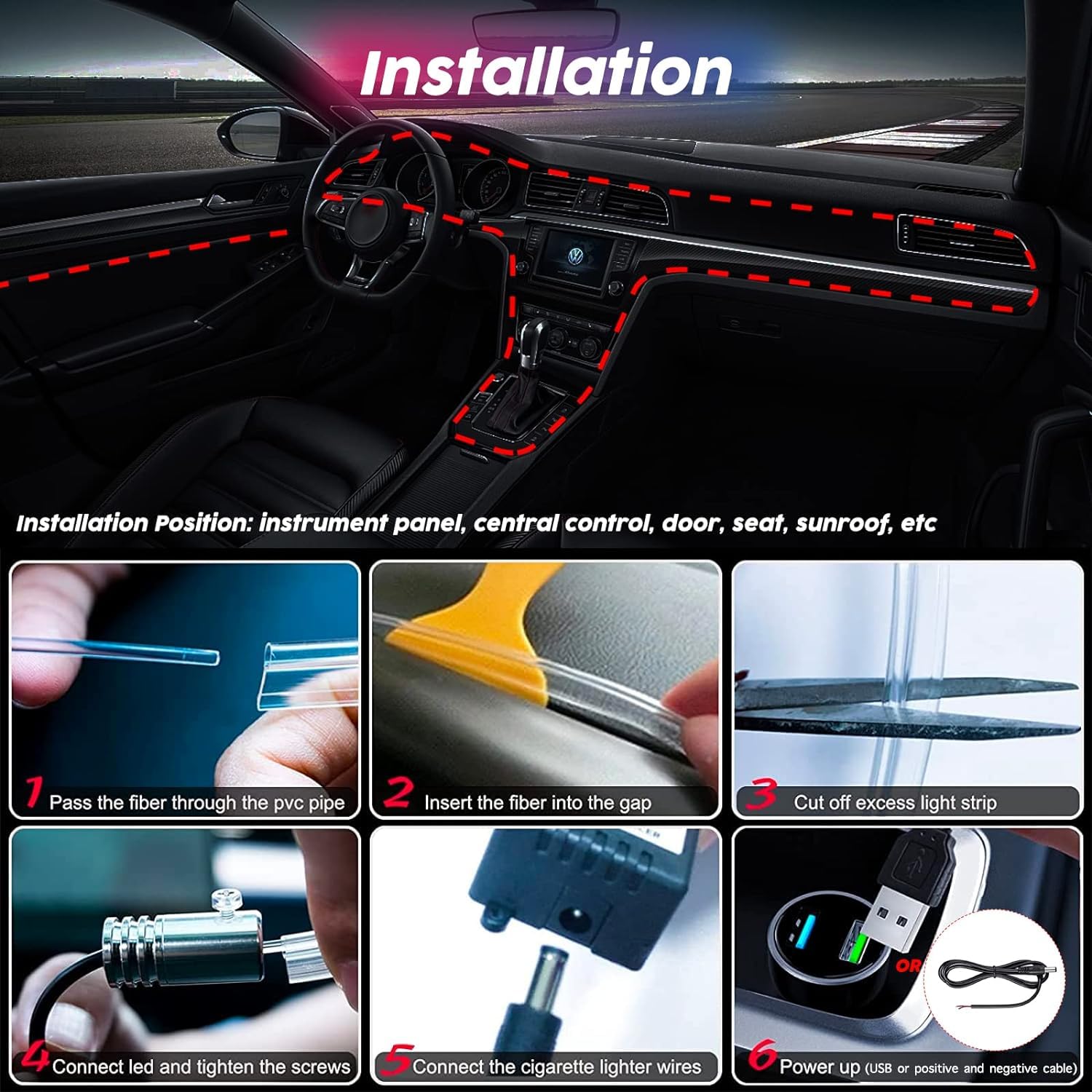
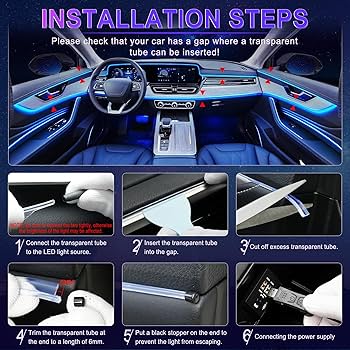
Ambient interior lights create a pleasant atmosphere in your car. These lights can be installed under the dashboard, seats, or doors.
Choose colors that match your car’s interior. Installing is easy with plug-and-play kits available at auto stores.
- Install under seats for a subtle glow
- Use strips for dashboard lighting
- Control with a remote for convenience
Upgrading To Smart Led Systems
Smart LED systems let you control lights with your phone. These systems offer features like dimming and color changing.
Smart LEDs can also sync with music for a dynamic experience. This upgrade is perfect for tech-savvy car enthusiasts.
- Control with a smartphone app
- Sync with music for a fun ride
- Save energy with smart dimming
Customizing Light Colors And Effects
Customizing light colors lets you express your personal style. Many LED kits offer multiple colors and effects.
Choose from solid colors or patterns like fading or strobe. Adjust settings to match your mood or the occasion.
- Solid colors for a classic look
- Fading effects for a smooth transition
- Strobe effects for a party vibe
Frequently Asked Questions
How Do I Prepare My Car For Led Light Installation?
Start by disconnecting the car battery to avoid shocks. Clean the installation area thoroughly. Gather all necessary tools and read the LED kit instructions carefully. Preparation ensures safety and smooth installation.
What Tools Are Needed To Install Led Lights In Cars?
You typically need screwdrivers, wire strippers, electrical tape, and connectors. A multimeter can help check connections. Having the right tools makes installation easier and safer.
Can I Install Led Lights Myself Or Need A Professional?
Many LED light kits are designed for DIY installation. If you follow instructions carefully, you can do it yourself. For complex wiring or custom setups, professional help is recommended.
How Do I Connect Led Lights To My Car’s Power Source?
Identify a suitable 12V power source, usually the fuse box or battery. Use proper connectors and secure wiring with electrical tape. Always follow the LED kit manual for safe connections.
Conclusion
Installing LED lights in your car can brighten your driving experience. Follow the steps carefully for safety and good results. Use the right tools and check connections twice. Choose LED lights that fit your car model well. Enjoy better visibility and a fresh look on the road.
Keep maintenance simple to make the lights last longer. Your car will look stylish and modern with LED lights. Try it yourself and see the difference it makes.







