
Have you ever wondered if your car tires are properly inflated? Knowing how to check your tire pressure correctly can save you money, improve your safety, and even boost your car’s performance.
Many drivers overlook this simple step, but it’s one of the easiest ways to avoid unexpected problems on the road. You’ll discover straightforward tips to check your tire pressure the right way, so you can drive with confidence every time.
Keep reading to learn exactly what you need to do—it’s quicker and easier than you think!
Importance Of Tire Pressure
Checking your car tire pressure is a simple task. It helps keep your vehicle safe and efficient.
Proper tire pressure affects how your car drives and how long your tires last.
Effects On Safety
Correct tire pressure improves road grip and control. It lowers the risk of accidents.
Under-inflated tires can cause overheating and blowouts. Over-inflated tires reduce traction and increase wear.
Impact On Fuel Efficiency
Properly inflated tires help your car use less fuel. This saves money and reduces pollution.
- Under-inflated tires increase rolling resistance.
- More rolling resistance means the engine works harder.
- Harder engine work leads to higher fuel consumption.
- Keeping tire pressure correct lowers fuel costs.
Tire Longevity
| Pressure Condition | Effect on Tire | Result |
|---|---|---|
| Under-inflated | More sidewall flexing | Premature wear and damage |
| Over-inflated | Less contact with road | Uneven tread wear |
| Proper pressure | Even tread contact | Longer tire life |
Keeping the right tire pressure spreads wear evenly. This helps tires last longer.
Credit: www.autotrader.com
Tools Needed
Checking your car tire pressure is easy with the right tools. You only need a few items to get started.
Choosing the right tire pressure gauge helps you get an accurate reading. Let’s look at the types of gauges.
Choosing A Tire Pressure Gauge
A tire pressure gauge measures the air pressure inside your tires. Pick one that suits your needs and budget.
- Check if the gauge shows pressure in PSI, kPa, or BAR.
- Look for a gauge that is easy to read and use.
- Consider the size and shape for comfort and storage.
- Test the gauge for accuracy before buying if possible.
Digital Vs. Analog Gauges
Digital and analog gauges both measure tire pressure, but they work differently. Each has pros and cons.
| Type | Advantages | Disadvantages |
| Digital Gauge | Easy to read numbers, quick results | Needs batteries, can be costly |
| Analog Gauge | No batteries needed, usually cheaper | Numbers can be hard to read, less precise |
When To Check Tire Pressure
Checking your car’s tire pressure is important for safe driving. Proper pressure helps your tires last longer.
Knowing the right times to check tire pressure keeps your car running smoothly. It also improves fuel efficiency.
Best Times To Check
Check tire pressure when tires are cold. Cold tires give the most accurate reading.
Check before driving in the morning or after the car has been parked for a few hours. Avoid checking after driving long distances.
- Before starting your trip in the morning
- After the car has been parked for at least three hours
- Before loading heavy cargo
- When the weather changes suddenly
Frequency Recommendations
Check your tire pressure at least once a month. Regular checks help catch slow leaks early.
Also check before long trips. This ensures your tires are safe for the journey.
- Monthly checks for everyday driving
- Before long trips or road trips
- After hitting potholes or curbs
- When tires look visibly low or damaged
Credit: point-s.ca
Step-by-step Pressure Check
Checking your car tire pressure is important for safety and fuel efficiency. Doing it right keeps your tires in good shape.
Follow these steps to check tire pressure easily and correctly at home or anywhere.
Locate The Valve Stem
Look for the valve stem on your tire. It is a small rubber or metal stem that sticks out near the wheel rim.
The valve stem is where you add or check air in the tire. Each tire has one valve stem.
Remove The Valve Cap
Unscrew the valve cap by turning it counterclockwise. Keep the cap in a safe place.
The cap protects the valve stem from dirt and moisture. Remove it before checking pressure.
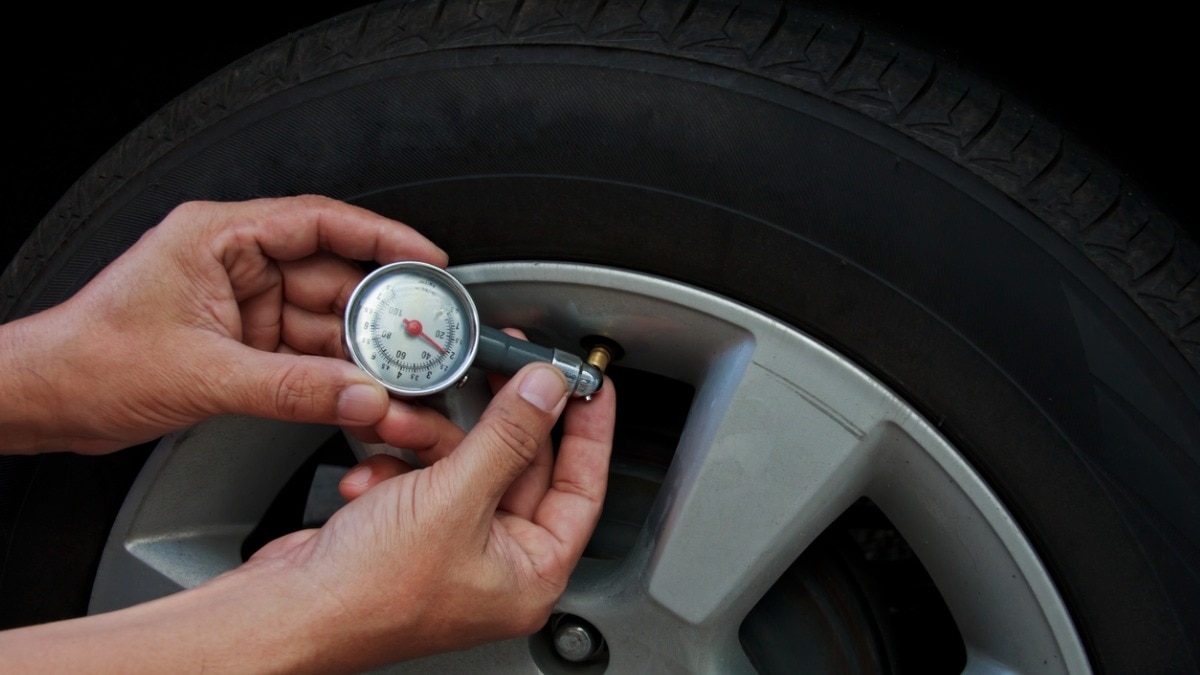
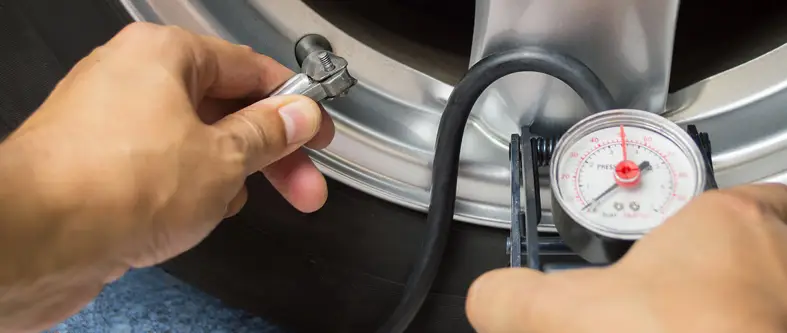
Use The Pressure Gauge
Press the pressure gauge firmly onto the valve stem. You will hear a brief hiss of air if not sealed well.
Hold the gauge steady until you get a reading. Digital or dial gauges show the pressure in PSI.
Compare With Recommended Pressure
Find your car’s recommended tire pressure. It is usually on a sticker inside the driver’s door or in the manual.
Compare your reading with the recommended number. Tires need the right pressure for safe driving and longer life.
Adjusting Tire Pressure
If the tire pressure is low, add air using an air compressor. If it is too high, release some air by pressing the valve stem.
After adjusting, recheck the pressure with the gauge. Replace the valve cap tightly to keep the valve clean.
Tips For Accurate Measurement
Checking your car tire pressure is important for safety and performance. Accurate measurement helps you avoid tire problems.
Follow simple tips to get the right pressure reading every time.
Check Tires When Cold
Measure tire pressure when tires are cold. Driving heats tires and raises air pressure. This can give a false high reading.
- Check pressure before driving or after the car has been parked for at least 3 hours.
- Use a reliable tire pressure gauge for the best results.
- Remove the valve cap and press the gauge firmly on the valve stem.
- Note the reading quickly before air escapes.
- Replace the valve cap securely after checking.
Avoid Overinflation And Underinflation
Keeping tire pressure correct prevents wear and improves fuel economy. Too much or too little air can cause problems.
| Pressure Issue | Possible Effects |
|---|---|
| Overinflation | Hard ride, uneven tire wear, higher risk of damage from potholes |
| Underinflation | Poor fuel efficiency, tire overheating, faster wear on edges |
Common Mistakes To Avoid
Checking car tire pressure is crucial for safety. Mistakes can lead to trouble. Learn how to avoid them.
This guide helps you check tire pressure correctly. Avoid common errors for a smooth ride.
Not Using A Reliable Gauge
Using a reliable gauge gives accurate readings. Avoid cheap ones that can fail.
- Invest in a digital gauge for accuracy
- Check gauge calibration regularly
- Avoid using gauges from gas stations
Checking Tires When They Are Hot
Hot tires expand and give false readings. Always check when tires are cold for accuracy.
Ignoring Manufacturer’s Recommendations
Follow the car manufacturer’s pressure guide. It ensures your tires perform at their best.
| Car Model | Recommended Pressure (PSI) |
| Sedan | 32 |
| SUV | 35 |
| Truck | 40 |
Not Checking The Spare Tire
Spare tires are often forgotten. Ensure they are properly inflated for emergencies.
Maintaining Proper Tire Pressure
Keeping your car tires at the right pressure is important. It helps in making your car safe and fuel-efficient. Checking tire pressure regularly can prevent accidents.
Proper tire pressure ensures better grip and handling. It also extends the life of your tires. Let’s explore how you can check and maintain tire pressure.
Regular Monitoring
Check your tire pressure regularly. Use a tire pressure gauge for accurate readings. It is best to check when the tires are cold.
Find the recommended pressure in your car’s manual. Adjust the pressure as needed for safety and performance.
- Check tire pressure monthly
- Inspect before long trips
- Look for signs of wear
Using Tire Pressure Monitoring Systems
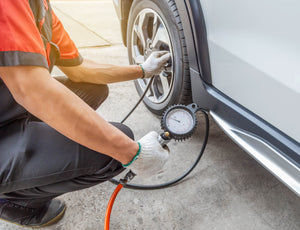
Many cars have tire pressure monitoring systems. These systems alert you if tire pressure is low. They are useful for keeping track of pressure automatically.
Remember to reset the system after inflating tires. This ensures it works correctly. Always follow the car manual instructions for system maintenance.
| Benefits of Monitoring Systems |
| Alerts you to low pressure |
| Improves safety |
| Saves time |
Credit: tiredirect.ca
Frequently Asked Questions
How Often Should I Check My Car Tire Pressure?
Check your tire pressure at least once a month. Also, check before long trips or when carrying heavy loads. Proper tire pressure ensures safety, fuel efficiency, and tire longevity.
What Is The Ideal Tire Pressure For My Car?
The ideal tire pressure is listed in your car’s manual or on the driver’s door frame. It varies by car model and tire type. Always follow the manufacturer’s recommended pressure for best performance.
How Do I Use A Tire Pressure Gauge Correctly?
Remove the valve cap, press the gauge firmly onto the valve stem, and read the pressure. Repeat for all tires. Use a reliable gauge for accurate results.
Can Incorrect Tire Pressure Affect My Car’s Performance?
Yes, low or high tire pressure affects handling, braking, and fuel efficiency. It can cause uneven tire wear and increase accident risk. Maintain proper pressure for optimal performance.
Conclusion
Checking car tire pressure is quick and important for safety. Use a reliable gauge and check when tires are cold. Keep tires at the recommended pressure for better fuel use and tire life. Regular checks help avoid accidents and save money.
Take a few minutes weekly to keep your tires in good shape. Simple steps make driving safer and smoother every day.







