
Have you ever noticed a red light blinking on your car’s dashboard and wondered what it means? That small, flashing signal is trying to tell you something important about your vehicle’s health or safety.
Ignoring it could lead to bigger problems, costly repairs, or even put you at risk on the road. But don’t worry—understanding what this warning means is easier than you think. Keep reading, and you’ll learn exactly why that red light is blinking and what steps you should take to keep your car running smoothly and safely.
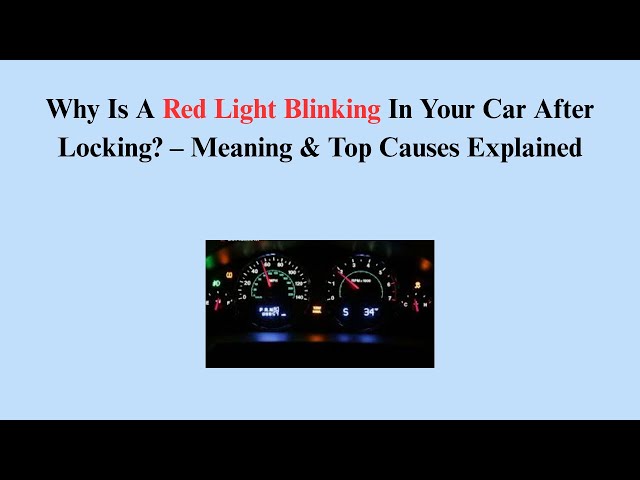
Credit: www.youtube.com
Common Causes Of Red Light Blinking
A red light blinking on your car’s dashboard is a sign that needs attention. It warns you about possible problems in your vehicle.
Knowing what causes the red light to blink can help you take quick action and avoid bigger issues.
Engine Warning Signals
The engine light blinks when the car’s computer finds a problem. It may mean the engine is overheating or misfiring.
Ignoring this signal can lead to serious engine damage. You should get your car checked as soon as possible.
- Engine overheating
- Misfiring cylinders
- Faulty sensors
- Emission system problems
Brake System Alerts
A blinking red brake light means there is a problem with the brake system. It can be low brake fluid or worn brake pads.
Driving with brake issues is dangerous. Stop and inspect the brakes or visit a mechanic immediately.
- Low brake fluid level
- Brake pad wear
- Brake system failure
- Parking brake engaged
Battery And Charging Issues
A blinking red light may warn about battery or charging problems. The alternator might not be charging the battery well.
This can cause the car to lose power suddenly. Check the battery connections and charging system regularly.
- Weak or dead battery
- Alternator failure
- Loose battery cables
- Charging system malfunction
Oil Pressure Warnings
A blinking red oil light signals low oil pressure. This can cause engine parts to wear quickly or break.
Check your oil level immediately and add oil if needed. Do not drive long with this warning.
- Low oil level
- Oil pump failure
- Oil leak
- Clogged oil filter
Interpreting Different Red Light Patterns
Red lights on a car dashboard warn of problems. These lights show issues that need your attention.
Different red light patterns mean different things. Knowing what each pattern means helps you act fast.
Steady Vs. Blinking Lights
A steady red light means a constant problem. It shows a system needs immediate checking.
Blinking red lights warn of urgent issues. They tell you to stop driving and fix the problem soon.
- Steady red light: Problem detected but may not be urgent
- Blinking red light: Serious issue, risk of damage or danger
- Blinking may also mean a warning to check the system soon
- Always check the car manual for exact meanings
Combination With Other Dashboard Indicators
Red lights often appear with other symbols. These combinations help explain the issue better.
For example, a red oil light with a blinking engine light means low oil pressure. This needs quick action.
| Red Light | Other Indicator | Meaning |
|---|---|---|
| Battery Light (steady) | Check Engine (steady) | Charging system problem |
| Brake Light (blinking) | ABS Light (steady) | Brake system needs attention |
| Engine Light (blinking) | Oil Pressure Light (steady) | Engine overheating or oil issues |
Immediate Steps To Take When Red Light Blinks
A red warning light in your car signals a serious issue. You must act fast to keep safe and avoid damage.
Follow these steps carefully to address the problem and protect yourself and your vehicle.
Safely Pulling Over
Find a safe place to stop your car as soon as you see the red light. Use your turn signal to alert other drivers.
- Slow down gradually
- Look for a parking area or shoulder
- Turn on your hazard lights
- Stop the car safely
- Turn off the engine
Checking Fluid Levels
Low fluid levels can cause warning lights to blink. Check these fluids carefully:
- Engine oil
- Coolant
- Brake fluid
- Transmission fluid
Inspecting Brake System
The red light may mean your brakes have a problem. Check the brake system parts:
| Part | What to Check |
| Brake Pads | Look for wear or damage |
| Brake Fluid | Check level and leaks |
| Brake Lines | Inspect for cracks or breaks |
| Brake Warning Light | Confirm it matches the dashboard signal |
Evaluating Battery Condition
A blinking red light can also mean battery trouble. Check your battery using this quick guide:
- Look for corrosion on battery terminals
- Check if battery cables are loose
- Listen for clicking sounds when starting
- Use a voltmeter to test battery voltage
Quick Fixes For Common Problems
Seeing a red light blinking in your car can be alarming. It often means the vehicle needs attention.
Many issues causing the red light are simple to fix. You can try these quick solutions before visiting a mechanic.
Refilling Or Changing Fluids
Low or dirty fluids can trigger warning lights. Check the levels of essential fluids regularly.
- Check engine oil level and add if low
- Refill brake fluid to the recommended mark
- Top up coolant to avoid engine overheating
- Replace windshield washer fluid for clear visibility
Resetting Electrical Systems
Sometimes the car’s electronics need a reset. This can clear false warnings and errors.
To reset the system:
- Turn off the engine and remove the key.
- Disconnect the negative battery cable.
- Wait about 15 minutes.
- Reconnect the battery cable securely.
- Start the car and check if the light stops blinking.
Replacing Fuses Or Bulbs
A blown fuse or burnt bulb can cause warning lights. Inspect and replace them as needed.
| Component | Common Issue | Fix |
| Fuse | Burnt or broken fuse | Replace with correct amperage fuse |
| Headlight bulb | Bulb not lighting up | Swap with new bulb of same type |
| Brake light bulb | Brake light fails | Install new brake light bulb |
When To Seek Professional Help
A red light blinking in your car signals a problem that needs attention. Sometimes, it may be a minor issue. Other times, it can be serious and unsafe.
Knowing when to see a professional mechanic can save your car from damage. It also keeps you safe on the road.
Persistent Warning Lights
If the red light keeps blinking or stays on, do not ignore it. This could mean a critical system is failing.
Common causes include engine problems, brake system issues, or electrical faults. These need expert diagnosis and repair.
Unusual Noises Or Smells
Strange noises like grinding, squealing, or knocking may appear when the red light blinks. Odd smells like burning or fuel odors can also be a warning.
These signs often show serious mechanical or electrical problems. Getting your car checked by a professional is important to avoid danger.
Performance Issues
Your car may lose power, hesitate, or stall while driving if the red light blinks. This affects your safety and the car’s function.
Performance problems paired with a red warning light need professional attention. Mechanics can find the cause and fix it correctly.
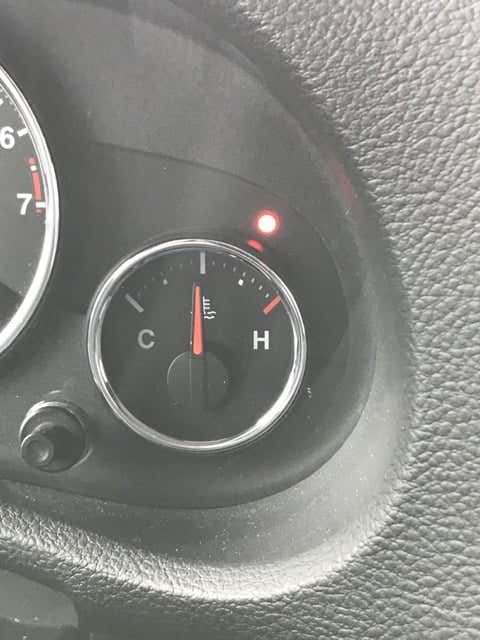
Credit: www.wranglerforum.com
Preventive Measures To Avoid Red Light Alerts
Red light alerts in your car can signal various issues. Prevent them with proper care. Simple steps can keep your vehicle running smoothly.
Being proactive can help you avoid costly repairs. Follow these measures to keep your car in top shape.
Regular Maintenance Schedule
A regular maintenance schedule is crucial. It helps identify potential problems early. This keeps your car safe and efficient.
- Change oil and filter every 3,000 to 5,000 miles
- Check tire pressure monthly
- Inspect brakes every six months
- Replace air filter annually
Using Quality Parts And Fluids
Quality parts and fluids ensure longevity. They reduce wear and tear on your vehicle. Choose trusted brands for all replacements.
| Component | Recommended Change Interval |
| Oil | 3,000-5,000 miles |
| Brake Fluid | Every 2 years |
| Coolant | Every 30,000 miles |
Monitoring Dashboard Indicators
Dashboard indicators are your car’s communication system. They alert you to possible issues. Understanding them can prevent serious problems.
- Check engine light
- Oil pressure warning
- Brake system alert
- Battery charge warning

Credit: www.reddit.com
Frequently Asked Questions
What Does A Red Light Blinking In My Car Mean?
A red blinking light in your car usually signals a serious issue. It could indicate engine trouble, low oil pressure, or a security alarm problem. Check your owner’s manual and address the problem immediately to avoid damage or safety risks.
Is A Blinking Red Light A Sign Of An Emergency?
Yes, a blinking red light often means an emergency or urgent issue. It warns you to stop the vehicle safely and inspect the problem. Ignoring it can lead to costly repairs or safety hazards.
Can A Blinking Red Light Affect Car Performance?
Yes, a blinking red light can indicate issues that impact performance. Problems like engine misfires or transmission faults often trigger it. Prompt diagnosis and repair ensure your car runs smoothly and prevents further damage.
How Do I Reset A Blinking Red Warning Light?
To reset a blinking red light, first fix the underlying issue. After repairs, you can reset the warning using an OBD-II scanner or by disconnecting the battery briefly. Always consult your vehicle manual for specific reset instructions.
Conclusion
A red light blinking in your car signals a problem. It needs your attention soon. Ignoring it can cause bigger issues later. Check the manual or visit a mechanic. Safety matters most when driving. Stay alert and act fast. Your car will thank you.
Keep driving smooth and worry-free.







