
If you want to keep your car looking great and running smoothly, using a wire brush can be a game-changer. But how do you use it without damaging your vehicle?
You’re about to discover simple, effective tips that make car maintenance easier and more satisfying. Whether you’re tackling rust, cleaning parts, or prepping surfaces for paint, knowing the right way to handle a wire brush can save you time and money.
Keep reading to learn how to protect your investment and make your car shine like new.

Credit: www.amazon.ca
Choosing The Right Wire Brush
Using a wire brush helps keep your car clean and safe. It removes rust, dirt, and old paint. Picking the right wire brush makes the job easier and protects your car’s surface.
Different brushes work better for different tasks. This guide explains types, materials, and sizes to help you choose the best wire brush for car maintenance.
Types Of Wire Brushes
Wire brushes come in many types. Each type suits certain jobs on your car. Some are good for small spots, others for large areas.
- Handheld brushes: Good for small areas and detailed work.
- Drill brushes: Attach to a drill for fast cleaning.
- Wire wheels: Used with power tools for large surfaces.
- Strip brushes: Remove paint or rust from flat surfaces.
Brush Material Options
Brush wires come in different materials. The material affects how hard or soft the brush is. Choose a material that matches your car’s surface.
- Steel wire: Strong and good for heavy rust removal. Can scratch soft metals.
- Brass wire: Softer than steel, safer for delicate surfaces.
- Stainless steel: Rust-resistant and lasts longer.
- Nylon wire: Gentle, good for cleaning without scratching.
Size And Shape Considerations
Brush size and shape affect how well you clean. Small brushes fit tight spots. Large brushes cover more area quickly.
- Round brushes: Good for corners and curves.
- Flat brushes: Best for flat surfaces and wide areas.
- Small brushes: Work well for detailed, precise cleaning.
- Large brushes: Use on big surfaces for fast cleaning.
Credit: www.youtube.com
Preparing Your Car For Cleaning
Using a wire brush for car maintenance helps remove rust and dirt. Proper preparation keeps your car safe and clean.
Follow these steps before starting to protect your car and yourself during cleaning.
Safety Precautions
Wear gloves and eye protection before using a wire brush. The brush can send small particles flying.
- Put on safety goggles to protect your eyes.
- Wear thick gloves to protect your hands.
- Use a dust mask to avoid breathing dust or rust particles.
- Work in a well-ventilated area or outdoors.
Cleaning Surface Preparation
Check the car surface before brushing. Remove loose dirt and grime to avoid scratching the paint.
- Wash the area with water and mild soap.
- Dry the surface with a soft cloth.
- Mark rusty or damaged spots for focused cleaning.
Protecting Sensitive Areas
Cover parts that can get damaged by the wire brush. This prevents harm to your car’s finish and components.
| Area | Protection Method |
| Glass windows | Cover with painter’s tape |
| Rubber seals | Wrap with plastic film |
| Painted surfaces near rust | Use masking tape |
| Plastic trims | Shield with cloth covers |
Techniques For Effective Wire Brushing
Using a wire brush for car maintenance helps remove rust and dirt. It keeps metal parts clean and ready for repair or painting.
Applying the right techniques makes wire brushing safe and effective. Follow these tips to protect your car’s surface.
Proper Brushing Angles
Hold the wire brush at a 45-degree angle to the car surface. This angle allows the bristles to clean well without scratching the metal.
Move the brush in smooth, even strokes. Avoid sharp or jerky motions that can damage the paint or metal.
Pressure Control Tips
Use gentle pressure when brushing. Too much force can scratch or dent the car’s surface.
- Start with light pressure to test the surface.
- Increase pressure slowly if needed to remove rust or dirt.
- Stop if you see any paint lifting or metal damage.
- Let the brush do the work, do not press hard.
Avoiding Damage
| Common Damage | How to Prevent |
|---|---|
| Scratches | Use correct brushing angle and gentle pressure |
| Paint Peeling | Avoid brushing over painted areas too hard |
| Dents | Do not press hard or use wire brush on thin metal |
| Wire Bristle Breakage | Use a quality wire brush and replace worn tools |

Credit: www.amazon.co.uk
Cleaning Specific Car Parts
Using a wire brush can help keep your car in good shape. It cleans tough dirt and rust on parts that need extra care.
This guide shows how to use a wire brush on certain car areas. Follow these tips to avoid damage and get good results.
Removing Rust From Metal Surfaces
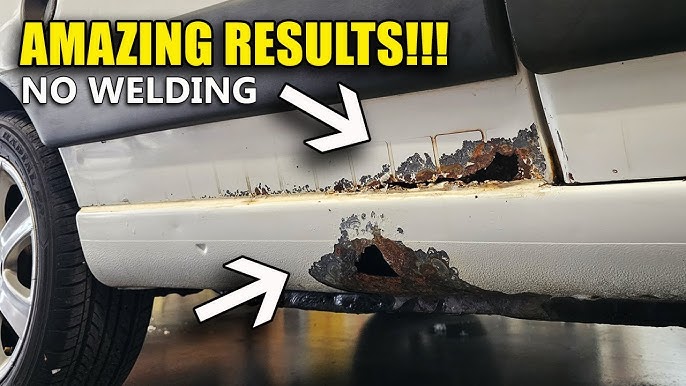
Rust weakens metal parts and looks bad. A wire brush removes loose rust and old paint from metal surfaces.
- Wear gloves and safety glasses to protect yourself.
- Choose a wire brush with stiff bristles for heavy rust.
- Brush gently in one direction to avoid scratching the metal.
- Clean off dust and rust flakes with a cloth after brushing.
- Apply rust protector or paint after cleaning for better protection.
Cleaning Engine Components
Engines get dirty from oil, grease, and dust. Use a wire brush to clean tough spots on metal engine parts.
| Engine Part | Wire Brush Type | Cleaning Tips |
| Valve Covers | Medium bristle | Brush gently; avoid damaging seals. |
| Engine Block | Stiff bristle | Remove caked dirt; avoid electrical parts. |
| Spark Plug Area | Soft bristle | Clean carefully to avoid debris falling inside. |
Detailing Wheels And Tires
Wire brushes can clean brake dust and grime on wheels and tires. Use the right brush to protect finishes.
Tips for Using a Wire Brush on Wheels and Tires:
- Choose a brush with softer bristles for painted wheels.
- Use a stiffer brush for tire sidewalls to remove dirt.
- Work in small sections for even cleaning.
- Rinse wheels and tires after brushing to remove loosened dirt.
- Dry wheels to prevent water spots.
Maintaining Your Wire Brush
Using a wire brush helps keep your car clean and rust-free. Taking care of the brush keeps it working well for a long time.
Good maintenance stops damage to the brush and makes your cleaning easier and safer.
Cleaning After Use
After using your wire brush, remove any dirt, rust, or debris stuck in the bristles. This prevents buildup and keeps the brush effective.
Use a stiff comb or another brush to clean between the wires. You can also tap it gently to shake off loose particles.
- Remove debris immediately after use
- Use a comb or small brush for cleaning
- Tap the brush gently to loosen stuck dirt
Storage Tips
Store your wire brush in a dry place. Moisture can cause the metal wires to rust and weaken.
Keep the brush where the bristles do not touch hard surfaces. This helps keep them straight and sharp.
- Store in a dry, cool area
- Keep bristles away from hard surfaces
- Hang the brush if possible to avoid damage
When To Replace Your Brush
Check your wire brush often for signs of wear. Worn-out bristles do not clean well and can scratch your car.
Replace the brush if the wires are bent, broken, or missing. A new brush works better and protects your car’s surface.
- Bristles bent or broken
- Many wires missing
- Brush feels less effective
- Rust or corrosion on wires
Common Mistakes To Avoid
Using a wire brush for car maintenance is helpful. It can clean rust and dirt. Mistakes can damage your car. Avoid these common errors to keep your car safe.
Learn how to use a wire brush correctly. This will save time and effort. Here are some mistakes to avoid when using a wire brush.
Over-brushing
Brushing too hard can harm your car’s surface. It might scratch the paint or metal. Be gentle when using the brush. Brushing softly is often enough to remove dirt.
Check the area after a few strokes. Stop if the rust or dirt is gone. Too much brushing can damage parts of your car.
Using The Wrong Brush Type
Different brushes work for different tasks. A hard brush may scratch delicate parts. A soft brush might not remove tough rust. Choose the right brush for the job.
- Hard brushes for removing rust
- Soft brushes for cleaning paint
- Special brushes for small parts
Neglecting Safety Gear
Safety gear protects you from harm. Dust and small particles can hurt your eyes. Wear goggles to keep your eyes safe. Gloves protect your hands from sharp bristles.
Always wear a mask to avoid breathing in dust. Safety gear is important for safe and effective car maintenance.
Frequently Asked Questions
What Is The Purpose Of A Wire Brush In Car Maintenance?
A wire brush removes rust, dirt, and old paint from car surfaces. It prepares metal parts for repair or repainting, ensuring better adhesion and a cleaner finish. Using a wire brush helps maintain the car’s appearance and prevents corrosion.
How Do I Safely Use A Wire Brush On My Car?
Wear gloves and eye protection before using a wire brush. Use gentle, even strokes to avoid scratching the paint. Focus on rusted or dirty areas, and clean the brush regularly to maintain its effectiveness.
Can A Wire Brush Damage My Car’s Paint?
Yes, using a wire brush too aggressively can scratch or remove paint. Always test on a small, hidden area first. Use the brush mainly on rusted metal or bare surfaces, not on painted or delicate parts.
What Types Of Wire Brushes Are Best For Car Maintenance?
Choose a wire brush with stainless steel or brass bristles for rust removal. Brass is softer and safer on delicate surfaces. Select a size and shape that fits the area you need to clean for better control.
Conclusion
Using a wire brush helps keep your car clean and rust-free. It removes dirt and old paint from metal parts easily. Always brush gently to avoid damage. Regular use can extend your car’s life and save money. Take your time and follow safety steps.
Clean tools work better and last longer. Now, you can maintain your car with simple care and a wire brush. Small efforts make a big difference in car upkeep.







