
Are you worried about your car’s paint getting scratched or faded? You might have heard that car wraps can protect your paint, but is that really true?
If you want to keep your vehicle looking fresh and new, understanding how car wraps work is key. You’ll discover exactly how a car wrap can shield your paint from damage, and whether it’s the right choice for you. Keep reading to find out how to protect your car’s finish and save money on costly repairs.

Credit: yeswrap.com
Benefits Of Car Wraps
Car wraps are a popular way to change a vehicle’s look. They also help protect the paint underneath. This protection keeps the car looking new for longer.
Using a wrap can save money on repainting. It acts like a shield for the car’s surface from daily wear and tear.
Shielding Against Scratches And Chips
Car wraps provide a strong layer that stops small scratches and chips. This shield helps keep the original paint safe from damage caused by stones and keys.
- Protects against minor road debris
- Prevents scratches from car doors and shopping carts
- Reduces the risk of paint chips from gravel
Protection From Uv Damage
Sunlight can fade and wear out car paint over time. A wrap blocks harmful UV rays to keep the paint bright and fresh. This layer slows down the effects of sun damage.
| Effect | Without Wrap | With Wrap |
| Color Fading | High | Low |
| Paint Cracking | Possible | Rare |
| Surface Gloss | Dull | Shiny |
Guarding Against Weather Elements
Car wraps help protect the paint from rain, snow, and dirt. They create a barrier that keeps water and grime from sticking to the car’s surface.
Weather protection benefits include:
- Water resistance to avoid rust spots
- Easy cleaning of mud and dust
- Shield from salt damage in winter
Types Of Car Wrap Materials
Car wraps are a popular way to change a vehicle’s look and protect its paint. They use different materials that offer various levels of protection and style.
Understanding the types of car wrap materials helps you choose the right one for your needs and budget.
Vinyl Wraps
Vinyl wraps are thin sheets made from vinyl plastic. They cover the car’s surface and come in many colors and patterns.
Vinyl wraps protect paint from scratches and dirt. They also hide minor paint damage and can be removed without hurting the original paint.
Paint Protection Films
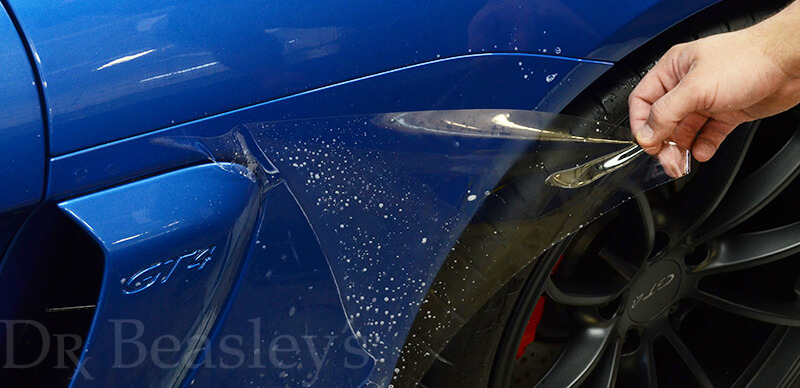
Paint protection films (PPF) are clear, thick layers that stick to the car’s paint. They protect from chips, scratches, and stains.
PPF is almost invisible and keeps the paint safe from road debris and weather. It is durable and lasts for years if cared for properly.
- Clear and transparent
- Strong and scratch-resistant
- Protects paint without changing color
- Can self-heal small scratches
Matte And Glossy Finishes
Car wraps come in matte and glossy finishes. Matte has no shine and looks flat. Glossy is shiny and reflects light.
Matte finishes hide fingerprints and dirt better. Glossy finishes make colors look bright and clear. Both finishes protect paint but offer different styles.
How Car Wraps Protect Paint
Car wraps cover a vehicle’s original paint with a thin, durable film. This layer helps keep the paint safe from damage. Many car owners use wraps to protect their car’s look.
The wrap acts as a shield. It blocks harmful things that can harm the paint. Let’s explore how car wraps protect paint in different ways.
Barrier Against Physical Damage
Car wraps create a strong barrier on the car’s surface. This barrier stops small scratches and chips from hurting the paint. It also helps protect from light dents.
The wrap absorbs some impact, so the paint stays smooth. It is easier to replace a wrap than to fix paint damage.
- Protects against minor scratches
- Guards from small stone chips
- Reduces paint damage from light dents
- Easy to replace if damaged
Chemical Resistance
Car wraps resist many chemicals that harm paint. Acid rain, bird droppings, and tree sap can cause stains. The wrap stops these chemicals from reaching the paint.
Cleaning a wrapped car is easier. The wrap does not absorb chemicals, so paint stays safe and clean longer.
- Blocks harmful chemicals
- Prevents stains on paint
- Makes cleaning simpler
- Protects against UV rays and pollution
Maintaining Paint Integrity
Car wraps help keep the paint’s original look. The wrap prevents fading and discoloration caused by sunlight. It also stops paint from peeling or cracking.
By using a wrap, the paint stays fresh and new. This helps maintain the car’s value over time.
- Prevents paint fading
- Stops peeling and cracking
- Keeps paint smooth and shiny
- Helps maintain car’s resale value

Credit: metrocentersignworks.com
Installation And Maintenance Tips
Car wraps can protect your car’s paint from damage and scratches. Proper installation and care keep the wrap and paint safe for a long time.
Knowing how to install and maintain a car wrap helps you get the best results. Here are some tips to guide you.
Professional Vs. Diy Installation
Professionals have the right tools and skills for smooth wrap installation. They avoid bubbles and wrinkles that can damage paint.
DIY installation saves money but takes time and patience. Mistakes like folding or stretching the wrap can harm both wrap and paint.
- Professional installation gives a clean, long-lasting look.
- DIY may cause air bubbles and uneven edges.
- Professionals prepare the car surface well before applying wrap.
- DIY requires careful cleaning and steady hands.
Cleaning Wrapped Vehicles
Cleaning a wrapped car needs gentle methods. Harsh chemicals or high-pressure water can damage the wrap and paint.
Use mild soap and water with a soft cloth or sponge. Avoid scrubbing too hard to keep the wrap intact.
- Wash the car by hand, not in automatic car washes.
- Use a soft cloth or sponge for cleaning.
- Rinse with low-pressure water to avoid peeling edges.
- Dry the car with a microfiber towel to prevent scratches.
Repairing And Removing Wraps
Small tears in wraps can be fixed with patch kits or professional help. Fixing soon prevents dirt and moisture from harming the paint.
Removing wraps should be done carefully to avoid paint damage. Heat guns or warm water make the wrap easier to peel off.
- Use patch kits for minor wrap damage.
- Seek professionals for large repairs or removal.
- Apply gentle heat to soften the wrap before peeling.
- Remove adhesive residue with safe cleaners to protect paint.
Limitations Of Car Wraps
Car wraps can change your car’s look and offer some paint protection. They cover the paint and guard it from dirt and small scratches.
Still, car wraps have limits. They do not fully protect the paint in all situations. It is important to know these limits before choosing a wrap.
Durability And Lifespan
Car wraps last for a few years but do not last forever. Sunlight and weather can make wraps fade or peel over time.
How long a wrap lasts depends on its quality and care. Regular washing helps keep wraps in good shape.
- Most wraps last 3 to 5 years
- Harsh weather can shorten wrap life
- Improper care causes early damage
Vulnerability To Sharp Objects
Car wraps do not stop sharp objects from cutting the paint. Sharp keys, stones, or nails can damage both wrap and paint.
If the wrap gets cut or scratched, the paint under it can also get harmed. Wraps are not a strong shield against sharp damage.
- Wraps protect from small scratches only
- Sharp objects can cut through the wrap
- Damaged wrap means paint is at risk
Potential Paint Damage On Removal
Removing a car wrap can sometimes damage the paint. If the paint was not in good condition before, removal may peel or chip it.
Professional removal lowers risks, but some paint damage can still happen. Old or weak paint needs extra care.
- Paint damage risk increases with old paint
- Careful removal reduces paint harm
- Leaving wrap too long can make removal harder
Cost Considerations
Car wraps are popular for protecting paint and giving a new look. Understanding the costs helps in making an informed decision.
Let’s explore the initial investment, long-term savings, and compare it with traditional paint protection.
Initial Investment
Installing a car wrap involves an upfront cost. The price depends on the car size and wrap quality. A basic wrap might cost less, while a custom wrap costs more.
Consider the design and installation fees. Professional installation ensures better results and longevity.
Long-term Savings
Car wraps can save money over time. They protect the paint from scratches and sun damage. This reduces the need for frequent touch-ups.
Wrapping a car can also preserve its resale value. A well-maintained wrap keeps the car looking new.
- Protects against minor scratches
- Reduces sun damage
- Preserves resale value
Comparing With Traditional Paint Protection
Traditional paint protection includes waxing and ceramic coatings. These options require regular maintenance and reapplication.
Car wraps offer a different approach. They provide a protective layer that lasts several years without frequent maintenance.
| Car Wrap | Traditional Paint Protection |
| One-time installation | Regular maintenance needed |
| Lasts up to 5 years | Needs reapplication |
| Customizable designs | Limited design options |
Real-world Experiences
Many people wonder if car wraps can protect the paint on their vehicles. Real-world experiences help us understand the impact of wraps on car paint.
Let’s explore some customer testimonials, case studies, and expert opinions to get a clearer picture.
Customer Testimonials
Customers share their experiences about using car wraps. These wraps often protect the paint from minor scratches and sun damage.
- John said his car’s paint looked new after removing the wrap.
- Lisa noted that the wrap protected her car from bird droppings.
- Mike appreciated the ease of cleaning his wrapped car.
Case Studies
Case studies show how businesses use car wraps to maintain their fleet’s appearance. These studies often highlight the durability of the wraps.
| Company | Outcome |
| ABC Logistics | Reduced paint wear and tear by 30% |
| XYZ Delivery | Extended vehicle paint life by two years |
| Fast Track Couriers | Improved brand image with vibrant wraps |
Expert Opinions
Experts often recommend car wraps for those wanting to protect their car’s paint. They discuss the benefits of using high-quality vinyl wraps.
Experts also advise regular maintenance of wraps for optimal protection.
Credit: www.drbeasleys.com
Frequently Asked Questions
Does Car Wrap Prevent Paint Damage?
Yes, car wraps act as a protective layer against scratches, chips, and UV rays. They help preserve the original paint underneath.
How Long Does A Car Wrap Protect Paint?
A high-quality car wrap typically protects paint for 5 to 7 years, depending on maintenance and exposure to elements.
Can Car Wraps Hide Existing Paint Imperfections?
Car wraps can conceal minor paint flaws but won’t fix major damage. They provide a smooth, fresh appearance over imperfections.
Is Car Wrap Better Than Paint Protection Film?
Car wraps offer full coverage and design flexibility, while paint protection film is clearer and focuses on scratch resistance.
Conclusion
Car wraps offer a solid layer of protection for your vehicle’s paint. They guard against scratches, dirt, and sun damage. Wraps also keep the original paint in good condition longer. They are easier and cheaper to replace than a full paint job.
Still, proper care of the wrap is needed to keep it effective. Overall, car wraps help maintain your car’s look and value. A smart choice for those who want to protect their paint without extra hassle.







