
You’re ready to go, you turn the key, and the lights on your dashboard come on—but your car won’t start. It’s frustrating, confusing, and can leave you stuck wondering what’s wrong.
If this sounds familiar, you’re not alone. Understanding why your car behaves this way can save you time, money, and stress. You’ll discover the most common reasons behind this problem and learn simple steps to get your car back on the road quickly.
Keep reading—you’re closer to finding the solution than you think.
Credit: www.avengerforumz.com
Common Causes
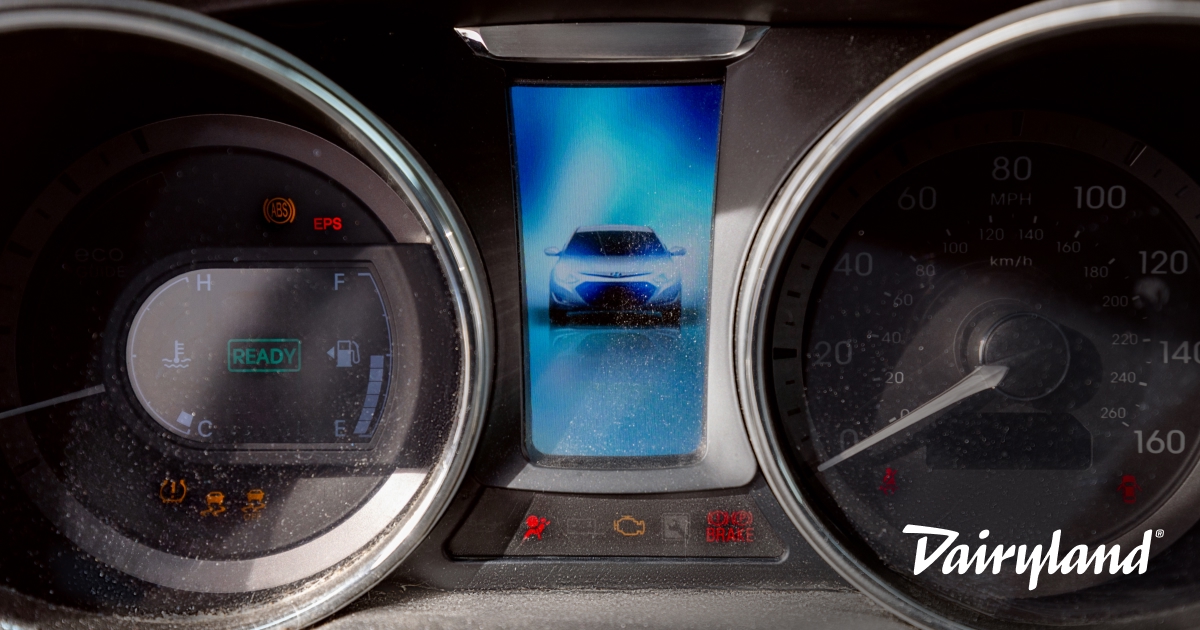
If your car won’t start but the lights come on, it means the battery still has some power.
Several issues can cause this problem. Checking these common causes helps you find the fault.
Battery Issues
A weak or dead battery can make your car fail to start, even if the lights turn on. The battery might have enough power for lights but not enough for the starter.
- Battery terminals may be loose or corroded
- The battery could be old and unable to hold charge
- Extreme cold weather can reduce battery power
Starter Motor Problems
The starter motor is responsible for turning the engine on. If it fails, the engine won’t crank, but the lights will still work.
| Symptom | Possible Cause |
| Clicking sound when turning the key | Starter solenoid failure |
| No sound at all | Dead starter motor |
| Engine turns slowly | Weak starter motor or battery |
Ignition Switch Faults
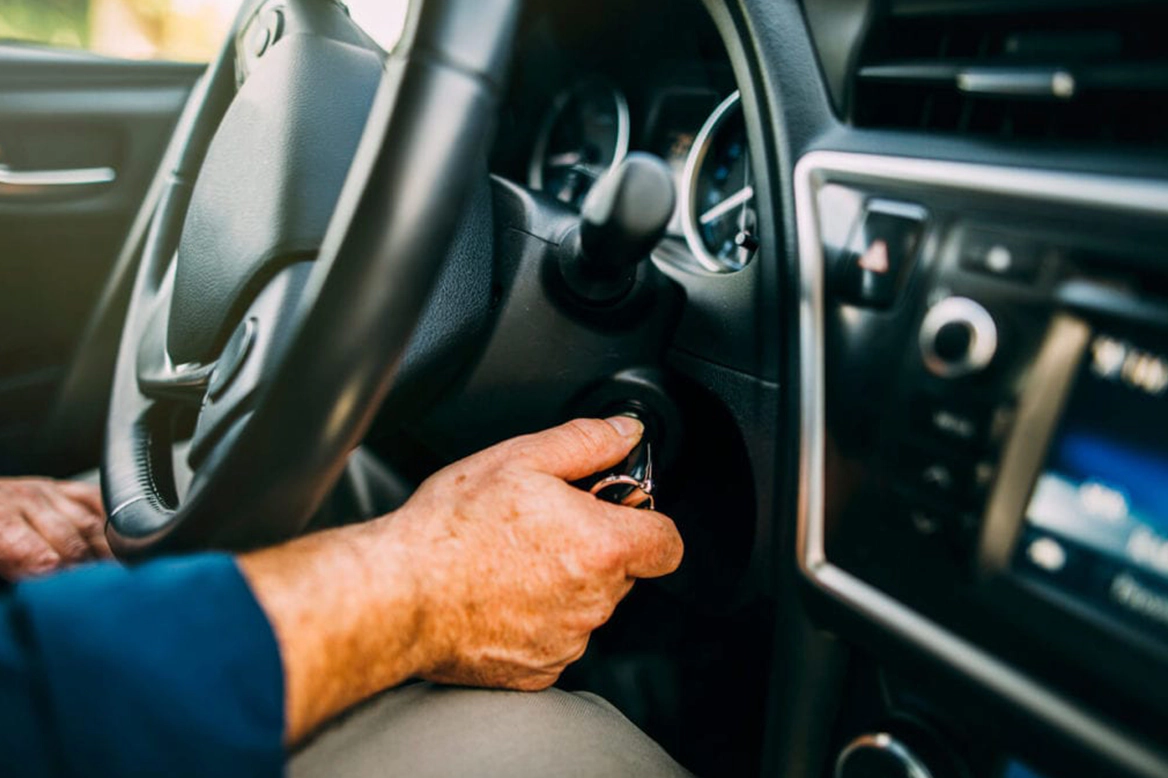
The ignition switch sends power to the starter and other parts. If it is faulty, the car won’t start, but lights may still turn on.
- The key may feel loose or hard to turn
- The switch contacts inside can wear out
- Electrical faults can stop power flow
Fuel Delivery Failures
If the engine does not get fuel, it won’t start. The lights will still work because the battery powers them independently.
| Cause | Effect |
|---|---|
| Empty fuel tank | No fuel to the engine |
| Clogged fuel filter | Reduced fuel flow |
| Failing fuel pump | No fuel pressure |
| Faulty fuel injectors | Improper fuel delivery |
Credit: www.dairylandinsurance.com
Initial Checks
If your car won’t start but the lights come on, some simple checks can help find the problem.
These checks focus on the battery, fuses, relays, and connections. They are easy to do and can save time and money.
Battery Voltage Test
Use a voltmeter to check the battery voltage. A healthy battery should show around 12.6 volts when the car is off.
If the voltage is below 12 volts, the battery may be weak or dead. Try charging the battery or jump-starting the car.
Inspecting Fuses And Relays
Fuses and relays protect electrical circuits. A blown fuse or faulty relay can stop the car from starting.
- Locate the fuse box under the hood or inside the car.
- Check fuses related to the starter and ignition.
- Replace any blown fuses with the same rating.
- Swap relays with identical ones to test if they are faulty.
Checking For Loose Connections
Loose or corroded connections can stop the car from starting even if the lights work.
| Connection | What to Check |
|---|---|
| Battery terminals | Ensure they are tight and free of corrosion |
| Starter motor wires | Check for secure and clean connections |
| Ground cables | Look for tight and rust-free contact points |
Quick Fixes
Sometimes your car won’t start, but the lights still work. This means your battery has some power. There are simple fixes you can try to get your car running again.
These quick fixes do not need special tools. You can do them yourself to save time and money.
Jump-starting The Car
Jump-starting gives your battery a boost using another car’s battery. It can help start your engine if the battery is weak.
Make sure both cars are off. Connect jumper cables in the right order to avoid sparks or damage.
- Connect red cable to positive (+) terminal on dead battery
- Connect other red cable end to positive (+) on good battery
- Connect black cable to negative (-) on good battery
- Connect other black cable end to metal ground on dead car
- Start the working car, then try starting the dead car
- Remove cables in reverse order after car starts
Cleaning Battery Terminals
Corrosion on battery terminals can stop your car from starting. Cleaning them helps restore a good connection.
Use a wire brush or old toothbrush with a mix of baking soda and water. Scrub the terminals gently and rinse with water.
- Wear gloves to protect your hands
- Disconnect the negative terminal first
- Clean both positive and negative terminals
- Dry the terminals before reconnecting
- Reconnect positive terminal first
Tapping The Starter Motor
If the starter motor is stuck, tapping it lightly can help. This may free it so the engine can start.
Use a wrench or hammer to tap the starter gently. Do not hit hard to avoid damage. Try starting the car after tapping.
When To Call A Mechanic
Your car won’t start but the lights come on. This means the battery has power. The problem could be in the starter, fuel, or electrical system. Knowing when to call a mechanic can save time and money.
Try to spot the signs that show a serious issue. If the problem is complex or unsafe, it is best to get professional help quickly.
Signs Of A Bad Starter
A bad starter can stop the engine from turning on. You might hear a clicking sound or nothing at all when you turn the key. Sometimes the engine tries to start but fails.
Call a mechanic if the starter shows these signs often. A failing starter can leave you stranded and may cause more damage.
- Clicking noise when turning the key
- Engine does not turn over
- Starter runs but engine won’t start
Fuel System Issues
If the fuel system has problems, the engine will not get the gas it needs. You might hear the engine try to start but fail. The car may also stall or run poorly before it stops.
Call a mechanic if you smell gas or notice poor engine performance. Fuel system repairs need special tools and skills.
- Engine cranks but does not start
- Strong smell of gasoline
- Car stalls or runs unevenly
Electrical System Troubles
The electrical system powers many parts of your car. If it fails, the car might not start even if the lights come on. You may notice dim lights or strange dashboard warnings.
Call a mechanic if you see flickering lights or hear unusual sounds. Electrical issues can be hard to fix without expert help.
- Dim or flickering dashboard lights
- Unusual clicking sounds when starting
- Warning lights on the dashboard
Preventive Tips
Sometimes your car won’t start but the lights still come on. This means the battery has some power. You can stop this problem by taking care of your car regularly.
Simple steps can help your car start every time. Check the battery, electrical parts, and fuel system often. This keeps your car ready to drive.
Regular Battery Maintenance
Keep your battery clean and tight. Dirt and loose connections stop power flow. Check for corrosion and clean it with a brush.
Test the battery voltage monthly. Replace old batteries before they fail. This prevents starting problems when lights still work.
- Check battery terminals for corrosion
- Tighten loose battery cables
- Test battery voltage regularly
- Replace battery every 3-5 years
Routine Electrical Inspections
Check your car’s electrical system often. Look at fuses, wires, and connections. Fix damaged parts to keep power flowing.
Turn on all lights and signals to test them. Replace bulbs that are dim or burned out. This helps avoid surprises when starting the car.
- Inspect fuses and replace blown ones
- Look for damaged or frayed wires
- Test lights and signals regularly
- Fix loose electrical connections
Fuel System Care
Keep your fuel system clean to help your car start well. Dirty fuel filters and injectors cause problems. Change filters as recommended.
Use quality fuel and avoid letting the tank get too low. This protects the fuel pump and prevents starting issues.
- Replace fuel filter on schedule
- Use good quality fuel only
- Do not let fuel tank run near empty
- Clean fuel injectors if needed
Credit: www.sunautoservice.com
Frequently Asked Questions
Why Does My Car Won’t Start But Lights Come On?
This usually indicates a weak or dead battery. The lights need less power than the starter motor. Check the battery health and connections first.
Can A Faulty Starter Cause The Car Not To Start?
Yes, a bad starter can prevent the engine from turning over. If the battery is fine, the starter or its relay might be defective.
How To Check If The Battery Is The Problem?
Test the battery voltage with a multimeter. A healthy battery reads around 12. 6 volts. Also, inspect for corrosion on terminals.
Could The Ignition Switch Cause This Issue?
Yes, a faulty ignition switch can power the lights but fail to engage the starter. It may need repair or replacement.
Conclusion
A car that won’t start but shows lights can be frustrating. Check the battery first, as it often causes this issue. Sometimes, the starter or ignition switch needs attention too. Small problems can stop your car from starting. Don’t ignore warning signs or strange sounds.
Getting help from a mechanic can save time and money. Remember, regular car care helps avoid these troubles. Keep your vehicle healthy for worry-free drives.







