
Keeping your car’s fluids at the right levels is one of the easiest ways to avoid costly repairs and keep your ride running smoothly. But if you’re not sure where to start, topping up fluids can feel confusing and overwhelming.
Don’t worry — this step-by-step car fluid top up guide is made just for you. By the time you finish reading, you’ll know exactly how to check and refill your car’s essential fluids with confidence. Ready to save money and boost your car’s performance?
Let’s dive in.
Essential Car Fluids
Car fluids keep your vehicle running smoothly and safely. Checking and topping up these fluids helps avoid problems.
Each fluid has a special job. Knowing about them helps you care for your car better.
Engine Oil
Engine oil lubricates the engine parts to reduce wear. It also helps cool the engine and clean dirt.
Check the oil level with the dipstick when the engine is cool. Add oil if the level is low.
- Use the oil type recommended in your owner’s manual
- Do not overfill the oil tank
- Change oil regularly to keep the engine healthy
Coolant
Coolant stops the engine from overheating. It flows through the engine and radiator to keep temperature steady.
Check the coolant level in the reservoir when the engine is cold. Add a mix of coolant and water if needed.
- Use the correct type of coolant for your car
- Never open the radiator cap when the engine is hot
- Check for leaks if coolant levels drop quickly
Brake Fluid
Brake fluid transfers force from the pedal to the brakes. It must be clean and at the right level.
Check the brake fluid reservoir regularly. Add fluid if it is below the minimum mark.
- Use the brake fluid type specified by the manufacturer
- Avoid spilling brake fluid on painted surfaces
- Replace brake fluid as per service schedule
Transmission Fluid
Transmission fluid lubricates gears and helps shift smoothly. It also cools transmission parts.
Check the fluid level with the transmission dipstick if your car has one. Add the right fluid if low.
- Use the transmission fluid type your car needs
- Do not mix different fluid types
- Change transmission fluid according to the schedule
Power Steering Fluid
Power steering fluid makes it easier to turn the steering wheel. It keeps the system working smoothly.
Check the fluid level in the power steering reservoir. Add fluid if it is below the minimum line.
- Use the correct power steering fluid type
- Look for leaks if fluid level drops fast
- Keep the reservoir clean to avoid damage
Windshield Washer Fluid
Washer fluid cleans the windshield for clear vision. It helps remove dirt, bugs, and rain marks.
Fill the washer fluid reservoir when it is low. Use fluid with antifreeze in cold climates.
- Do not use plain water in freezing weather
- Check washer nozzles for proper spray
- Keep the reservoir topped up for safety
Tools And Safety Gear
Keeping your car fluids topped up is important for smooth driving. Using the right tools and safety gear helps you do the job safely and well.
This guide shows you the basic tools and protective equipment to prepare before starting the fluid top up.
Basic Tools Needed
You need some simple tools to check and add car fluids. These tools make the task easier and cleaner.
- Funnel: Helps pour fluids without spilling
- Clean cloth or rag: Wipes spills and checks fluid levels
- Gloves: Protect your hands from chemicals
- Flashlight: Helps see in dark engine areas
- Owner’s manual: Shows correct fluid types and levels
Protective Equipment
Wear safety gear to protect yourself from harmful chemicals and dirt. Safety gear keeps you safe during the fluid top up.
- Safety glasses: Protect your eyes from splashes
- Gloves: Use chemical-resistant gloves for skin protection
- Long sleeves: Wear long-sleeve shirts to avoid skin contact
- Closed-toe shoes: Protect your feet from spills and dropped tools
Checking Fluid Levels
Checking your car’s fluid levels keeps it running smoothly. Fluids support engine parts and prevent damage.
Learn how to find reservoirs, read dipsticks, and know the best times to check fluids.
Locating Fluid Reservoirs
Open your car hood to find fluid reservoirs. Most reservoirs have clear or colored caps.
- Coolant tank is usually a translucent plastic container near the radiator.
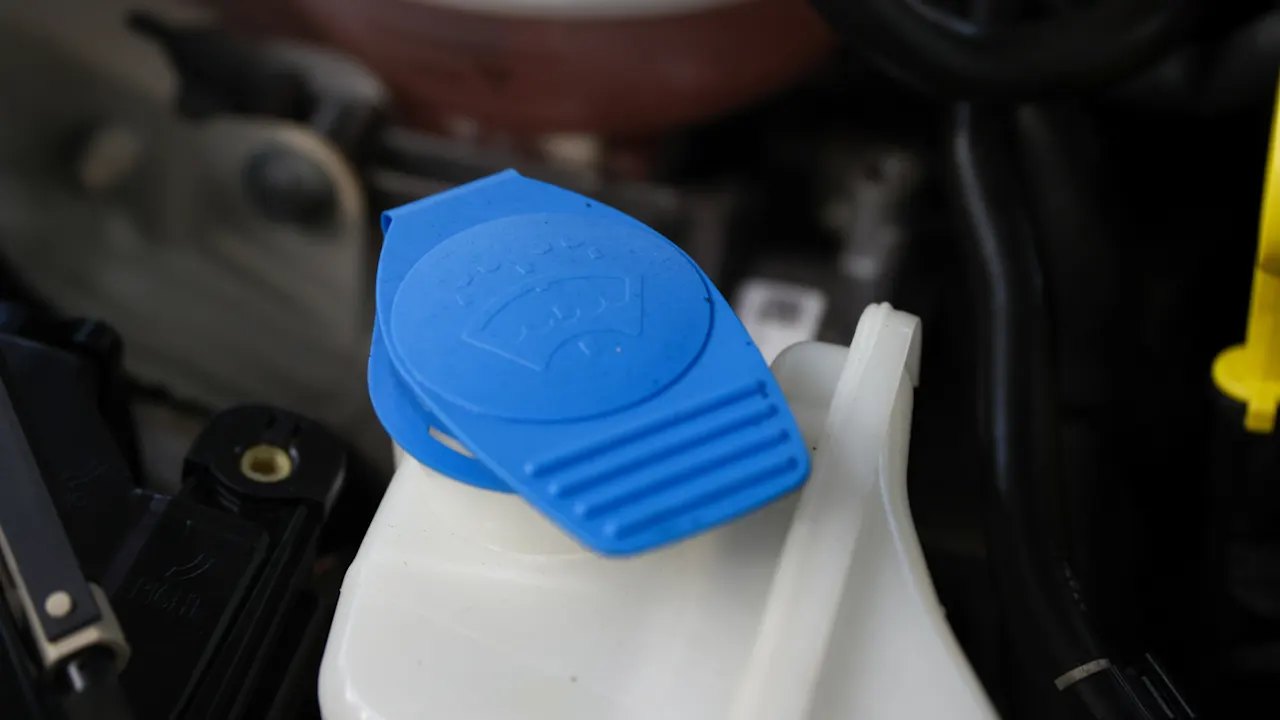
- Windshield washer fluid reservoir often has a blue or black cap with a windshield symbol.
- Brake fluid reservoir sits near the back of the engine bay, close to the driver side.
- Power steering fluid reservoir is often round with a screw-on cap labeled “Power Steering.”
- Engine oil fill cap is on top of the engine and marked with an oil can icon.
Reading Dipsticks And Markings
Dipsticks help check fluid levels, mainly for engine oil and transmission fluid. Pull them out, wipe clean, then reinsert fully.
| Fluid | Dipstick Markings | Normal Level |
| Engine Oil | Min and Max lines | Between Min and Max |
| Transmission Fluid | Hot and Cold marks | Near Hot mark when engine is warm |
| Coolant | Min and Max on reservoir | Between Min and Max |
| Brake Fluid | Min and Max on reservoir | Between Min and Max |
When To Check Fluids
Check fluids regularly to avoid car troubles. Many fluids need checking more often than others.
- Check engine oil every month or before long trips.
- Look at coolant level before summer and winter seasons.
- Inspect brake fluid every few months or if brakes feel soft.
- Test windshield washer fluid weekly, especially in bad weather.
- Check power steering fluid if steering feels harder than usual.
Topping Up Engine Oil
Engine oil keeps your car running smoothly. It lubricates parts and prevents damage. Checking and topping up oil helps avoid engine problems.
Use the right oil and add it safely. Follow the steps below to keep your engine healthy.
Choosing The Right Oil
Select oil that fits your car’s make and model. Check your owner’s manual for the correct type and grade.
| Oil Type | Use For | Viscosity Grade |
| Conventional | Older cars, simple engines | 5W-30, 10W-40 |
| Synthetic Blend | Newer cars, moderate driving | 5W-20, 5W-30 |
| Full Synthetic | High performance, extreme temperatures | 0W-20, 5W-20 |
Steps To Add Oil Safely
- Park your car on a flat surface and turn off the engine.
- Wait a few minutes for oil to settle.
- Open the hood and locate the oil filler cap.
- Clean around the cap to avoid dirt entering the engine.
- Remove the cap and add oil slowly with a funnel.
- Check the oil level with the dipstick after each small addition.
- Replace the oil cap tightly when done.
- Dispose of used containers properly.
Refilling Coolant
Coolant helps keep your car engine at the right temperature. It stops the engine from overheating or freezing.
Refilling coolant is a simple task you can do yourself. Follow the correct steps to do it safely and well.
Selecting The Correct Coolant
Use the coolant type recommended by your car maker. Different engines need different coolants.
Check the owner’s manual or the label on the coolant bottle. Mixing wrong types can cause damage.
- Look for ethylene glycol or propylene glycol-based coolants
- Pick the right color coolant if specified
- Use premixed coolant or mix concentrate with water as instructed
Filling Procedures
Make sure the engine is cool before opening the coolant reservoir. Hot coolant can cause burns.
Remove the cap slowly to release any pressure. Pour coolant into the reservoir until it reaches the full mark.
- Park the car on a flat surface
- Open the hood and find the coolant reservoir
- Check the coolant level and add if low
- Replace the cap tightly after filling
Avoiding Airlocks
Airlocks can stop coolant from flowing well. They cause hot spots and engine damage.
To avoid airlocks, fill coolant slowly and run the engine with the heater on. This helps remove trapped air.
- Fill coolant to the right level gradually
- Start the engine and turn heater to max
- Let the engine warm up and coolant circulate
- Check coolant level again and add if needed
- Look for bubbles or gurgling sounds
Adding Brake Fluid
Brake fluid is important for your car’s brake system. It helps transfer force from the brake pedal to the brakes.
Checking and adding brake fluid keeps your brakes working well and safe.
Brake Fluid Types
There are different types of brake fluid. Using the right type is very important for your car’s brake system.
Check your car manual to find which type to use.
- DOT 3: Common for many cars, glycol-based
- DOT 4: Higher boiling point, used in newer cars
- DOT 5: Silicone-based, not compatible with others
- DOT 5.1: High performance, glycol-based like DOT 4
Safe Handling Tips
Brake fluid is harmful if it touches your skin or eyes. Use care when handling it.
Keep brake fluid away from painted surfaces. It can damage paint.
- Wear gloves and eye protection
- Work in a well-ventilated area
- Avoid spilling on car paint or skin
- Close the brake fluid container tightly after use
- Dispose of old fluid properly
Filling Method
First, clean the brake fluid reservoir cap before opening it. Dirt can enter the system and cause damage.
Use a clean funnel to pour brake fluid slowly. Fill to the maximum level mark. Do not overfill.
- Open the brake fluid reservoir cap carefully
- Check the fluid level inside the reservoir
- Use the correct brake fluid type
- Pour fluid slowly to avoid air bubbles
- Close the cap tightly after filling
- Check brake pedal feel after topping up
Refilling Transmission Fluid
Keeping your car’s transmission fluid at the right level is crucial for smooth driving. This guide will walk you through the steps of refilling your transmission fluid.
Proper maintenance ensures a longer life for your vehicle. Follow these easy steps to top up your transmission fluid.
Identifying Transmission Type
Before you start, identify your car’s transmission type. This will determine the type of fluid you need.
- Manual Transmission: Check your car manual for the specific fluid.
- Automatic Transmission: Usually requires a specific type of ATF (Automatic Transmission Fluid).
- Continuously Variable Transmission (CVT): Needs special CVT fluid.
Fluid Level Check
Checking the fluid level is crucial before adding more. Use the dipstick to measure it.
| Condition | Action |
| Low Fluid Level | Refill to recommended level |
| Normal Fluid Level | No action needed |
| High Fluid Level | Drain excess fluid |
Topping Up Steps
Once you know the fluid type and level, you can start the topping up process. Follow these steps carefully.
- Park your car on a level surface and turn off the engine.
- Locate the transmission dipstick, usually near the engine.
- Remove the dipstick and wipe it clean with a cloth.
- Insert the dipstick back and pull it out to check the fluid level.
- Pour the appropriate transmission fluid into the dipstick tube using a funnel.
- Recheck the fluid level to ensure it is within the safe range.
- Replace the dipstick securely and close the hood.
Credit: carma.com.au
Power Steering Fluid Top Up
Power steering fluid helps you turn your car with ease. It is important to check and top up this fluid regularly to ensure smooth steering.
Low power steering fluid can make it hard to steer. Let’s learn how to top it up step by step.
Fluid Type
Different cars need different power steering fluids. Check your car manual to find the right type.
- Mineral-based fluids are common in older cars.
- Synthetic fluids are used in modern vehicles.
- Some cars need special hydraulic fluids.
Refill Process
Topping up power steering fluid is simple. First, locate the power steering reservoir under your car hood.
Open the cap and check the current fluid level. If it’s low, pour the right fluid in carefully.
- Park your car on a flat surface.
- Turn off the engine and let it cool.
- Use a funnel to avoid spills.
- Pour fluid until it reaches the “Full” mark.
- Close the cap securely.
Windshield Washer Fluid Refill
Keeping your windshield clean improves driving safety. Filling up the washer fluid is easy and quick.
This guide shows simple steps to refill your windshield washer fluid correctly.
Choosing Washer Fluid
Pick the right washer fluid for your climate and car needs. Some fluids work better in cold weather.
Look for fluids that clean well and prevent freezing in winter.
- Use fluid with antifreeze in cold areas
- Choose bug and dirt remover for summer
- Avoid plain water to prevent freezing and damage
- Buy fluids with pleasant scent if you like
Simple Refill Steps
Open the hood of your car and locate the washer fluid tank. It usually has a cap with a windshield symbol.
Pour the washer fluid into the tank slowly. Do not overfill it to avoid spills.
- Park your car on a flat surface and turn off the engine
- Find the washer fluid reservoir under the hood
- Remove the cap marked with a windshield or water symbol
- Use a funnel to pour the fluid to prevent spills
- Fill until the fluid reaches the “full” line or is near the top
- Replace the cap securely after filling
Common Mistakes To Avoid
Keeping your car fluids at the right level is important for safe driving. Many people make simple errors that can harm their vehicle.
This guide points out common mistakes to avoid while topping up your car fluids. Follow these tips to keep your car running smoothly.
Overfilling Fluids
Adding too much fluid can cause damage to your car’s engine and parts. Overfilling may lead to leaks or pressure build-up.
- Check the fluid level with the dipstick or reservoir marks before adding more.
- Fill slowly and stop when the fluid reaches the recommended level.
- Do not guess the amount needed; use the manual’s instructions.
Mixing Fluid Types
Using the wrong fluid or mixing different types can cause engine problems. Each fluid has a specific role and formula.
| Fluid Type | Common Mistake | Effect on Car |
| Engine Oil | Mixing synthetic and conventional | Reduced protection and engine wear |
| Brake Fluid | Using wrong DOT rating | Brake failure risk |
| Coolant | Mixing colors or brands | Corrosion and poor cooling |
Ignoring Leaks
Leaks can cause fluid levels to drop quickly. Ignoring leaks can damage your car and lead to costly repairs.
- Check under your car for fluid spots regularly.
- Look for wet or stained areas around fluid reservoirs.
- Fix leaks immediately or visit a mechanic if unsure.
Maintenance Tips For Longevity
Keeping your car fluids at the right levels helps your vehicle last longer. Regular care prevents damage and costly repairs.
This guide explains how to check, change, and dispose of car fluids safely and effectively.
Regular Fluid Checks
Check your car fluids often to spot leaks or low levels early. Fluids to watch include engine oil, coolant, brake fluid, and transmission fluid.
- Park on level ground and let the engine cool.
- Use the dipstick to check oil levels.
- Inspect coolant reservoir for proper fill marks.
- Look for clear brake fluid in the master cylinder.
- Check transmission fluid with the engine running.
Scheduled Fluid Changes
Change fluids at intervals recommended in your car manual. This keeps systems clean and working well.
| Fluid Type | Change Interval |
| Engine Oil | Every 5,000 to 7,500 miles |
| Coolant | Every 30,000 miles or 2 years |
| Brake Fluid | Every 20,000 miles or 2 years |
| Transmission Fluid | Every 30,000 to 60,000 miles |
Storage And Disposal
Store fluids in sealed containers away from heat and sunlight. Dispose of old fluids at recycling centers.
Follow these tips for safe fluid disposal:
- Use original containers or labeled bottles.
- Do not mix different fluids.
- Take fluids to authorized disposal sites.
- Never pour fluids on the ground or down drains.

Credit: m.youtube.com

Credit: g80.bimmerpost.com
Frequently Asked Questions
How Often Should I Top Up My Car Fluids?
Check your car fluids monthly or as recommended in the owner’s manual. Regular checks prevent leaks and engine damage. Fluids like oil, coolant, brake, and windshield washer need timely refills for optimal vehicle performance and safety.
What Fluids Are Essential For Car Maintenance?
Essential car fluids include engine oil, coolant, brake fluid, transmission fluid, and windshield washer fluid. Each fluid supports different parts of your car. Regularly topping them up ensures smooth operation, prevents overheating, and maintains braking efficiency.
Can I Mix Different Brands Of Car Fluids?
It’s best to use the same brand and type of fluid recommended by your car manufacturer. Mixing different brands or types can cause chemical reactions, reducing fluid effectiveness and possibly damaging your vehicle.
What Tools Do I Need For Topping Up Car Fluids?
You’ll need a clean funnel, gloves, and the correct fluid types. A rag helps clean spills. Having these tools ready makes topping up easier, safer, and mess-free.
Conclusion
Keeping your car fluids topped up helps your vehicle run smoothly. Regular checks prevent breakdowns and costly repairs. Use this guide to fill fluids safely and correctly. Remember to check oil, coolant, brake, power steering, and windshield fluids. Take your time and follow each step carefully.
A little care can extend your car’s life. Stay safe on the road with simple maintenance habits. Your car will thank you for the attention.







