
Your car’s tires are the only part that touches the road, so keeping them properly inflated is key to your safety and fuel savings. But what if you notice low tire pressure when you’re nowhere near a gas station?
That’s where a tire inflator at home becomes a game-changer. Imagine quickly fixing your tire without waiting or paying extra. In this guide, you’ll learn exactly how to use a tire inflator step-by-step, making sure your tires stay in perfect shape whenever you need it.
Ready to take control and save time and money? Let’s dive in.
Choosing The Right Tire Inflator
Using a tire inflator at home keeps your tires safe and efficient. It helps maintain the right pressure for better driving and fuel use.
Selecting the right tire inflator depends on your needs and the type of vehicle. Knowing the types and features will guide your choice.
Types Of Tire Inflators
Tire inflators come in different types. Each one has its own way to fill your tires with air.
- Manual Pumps:Hand or foot pumps that require physical effort.
- Electric Compressors:Plug into power to inflate tires quickly.
- Portable Battery-Operated:Use rechargeable batteries for cordless use.
- CO2 Inflators:Use compressed gas cartridges for fast inflation.
Key Features To Consider
Look for features that make inflating easy and safe. Some help check pressure, while others offer fast inflation.
| Feature | Benefit |
| Built-in Pressure Gauge | Shows tire pressure while inflating |
| Automatic Shut-Off | Stops inflation at set pressure |
| LED Light | Works in low light or at night |
| Multiple Nozzle Attachments | Fits different tire valves and inflatables |
Power Sources And Portability
Choose a power source that matches your needs. Portability makes inflating tires easy anywhere.
- Car Battery (12V DC):Plugs into the car’s cigarette lighter. Good for road trips.
- Home Outlet (110V or 220V AC):Needs a wall socket. Great for garage use.
- Rechargeable Battery:Cordless and easy to carry. Ideal for emergencies.
- Manual:No power needed. Lightweight but needs effort.

Credit: www.youtube.com
Preparing Your Tire For Inflation
Inflating your tire at home is easy if you prepare properly. This keeps your tire safe and working well.
Start by checking your tire and getting all tools ready. Follow these steps to prepare your tire for inflation.
Checking Tire Pressure
Check the tire pressure using a tire pressure gauge. Look for the recommended pressure on the tire sidewall or in your vehicle manual.
- Remove the valve cap from the tire.
- Press the tire pressure gauge onto the valve stem.
- Read the pressure on the gauge.
- Compare it to the recommended pressure.
- Add or release air as needed.
Inspecting For Damage
Look closely for any damage on the tire before inflating. Damage can cause leaks or unsafe driving.
- Check for cuts or cracks on the tire surface.
- Look for bulges or bubbles on the sidewall.
- Inspect the tread for uneven wear or embedded objects.
- Make sure the valve stem is not cracked or loose.
Gathering Necessary Tools
Before starting, collect all tools you will need to inflate your tire safely and quickly.
| Tool | Purpose |
| Tire pressure gauge | To check current tire pressure |
| Tire inflator or air compressor | To add air to the tire |
| Valve cap | To cover valve after inflation |
| Flashlight | To see tire details in low light |
| Cloth or rag | To clean valve stem area |
Step-by-step Inflation Process
Using a tire inflator at home is simple and helps keep your tires safe. Follow these steps carefully to inflate your tires properly.
Make sure you have the right tools and check your tire pressure limits before starting.
Connecting The Inflator To The Tire
First, locate the valve stem on your tire. Remove the valve cap and keep it in a safe place. Attach the inflator’s nozzle firmly to the valve stem. Ensure it fits tight to avoid air leaks.
Setting The Desired Pressure
Check your vehicle’s recommended tire pressure. This is usually found on a sticker inside the driver’s door or in the owner’s manual. Set the inflator to this pressure before turning it on.
- Turn on the inflator.
- Use the control buttons to adjust to the desired pressure.
- Double-check the pressure reading on the inflator display.
Starting The Inflation
Once connected and set, press the start button. The inflator will pump air into the tire. Keep the nozzle steady to maintain a good seal during inflation.
Monitoring Pressure During Inflation
| Action | Tip |
|---|---|
| Watch the pressure gauge | Stop inflation if pressure nears the target |
| Listen for leaks | Check connections if you hear hissing sounds |
| After inflation | Remove nozzle carefully and replace valve cap |
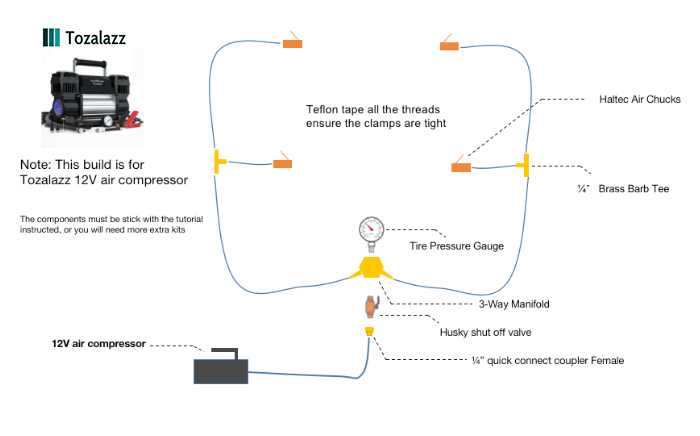
Credit: medium.com
Safety Tips During Inflation
Using a tire inflator at home can be safe if you follow basic rules. Inflating tires the right way helps avoid accidents and damage.
Read these safety tips to protect yourself and your tires during inflation. Knowing what to do makes the process smooth and safe.
Avoiding Overinflation
Overinflating tires can cause them to burst or wear unevenly. Always check the recommended tire pressure before inflating.
- Find the tire pressure number on the tire sidewall or car manual.
- Use the inflator’s gauge to monitor the pressure closely.
- Stop inflating once you reach the recommended pressure.
- Check pressure again after a few minutes to ensure it is stable.
Handling The Inflator Properly
Hold the inflator firmly during use. Avoid sudden movements to keep the hose connected and prevent air leaks.
| Proper Handling Tips | Why It Matters |
| Keep a steady grip on the inflator nozzle | Prevents disconnection and air loss |
| Do not twist or bend the hose sharply | Avoids hose damage and blockages |
| Turn off the inflator before removing it | Stops sudden air release and injury risk |
Working In A Safe Environment
Choose a flat, dry place to inflate tires. Keep the area free of clutter and away from traffic or children.
- Work in daylight or use good lighting.
- Wear safety glasses to protect your eyes.
- Keep flammable materials far from the inflator.
- Have a fire extinguisher nearby in case of emergency.
Maintaining Your Tire Inflator
Keeping your tire inflator in good shape helps it last longer. Proper maintenance ensures it works well every time you need it.
This guide covers cleaning, storage, checks, and fixing common problems with your tire inflator.
Cleaning And Storage
Clean your tire inflator after each use to remove dust and dirt. Store it in a dry place to avoid damage from moisture.
- Wipe the exterior with a soft cloth
- Remove any debris from the air hose
- Keep the power cord untangled and dry
- Store in a cool, dry area away from sunlight
Regular Checks And Servicing
Check your tire inflator regularly to catch issues early. Look for wear on hoses and connectors.
| Check Item | What to Look For | How Often |
| Air Hose | Cracks or leaks | Monthly |
| Power Cord | Frays or cuts | Monthly |
| Pressure Gauge | Accurate readings | Every 3 months |
| Motor | Unusual noises | Every 6 months |
Troubleshooting Common Issues
If your tire inflator does not work properly, try these fixes first.
- Check if the power source is connected and switched on
- Inspect the fuse and replace if blown
- Ensure the air hose is tightly connected
- Clean the air filter if the motor runs but no air flows
- Refer to the manual for error codes or warnings

Credit: www.youtube.com
Frequently Asked Questions
How Do I Use A Tire Inflator At Home Safely?
First, check your tire’s recommended pressure. Connect the inflator nozzle tightly to the valve stem. Turn on the device and monitor the pressure gauge. Stop when the desired pressure is reached. Always follow the inflator’s instructions and safety guidelines.
What Type Of Tire Inflator Works Best For Home Use?
A portable electric inflator with an automatic shut-off feature is ideal. It’s easy to use and safe. Look for one with a digital pressure gauge for accuracy. Compact models are convenient for home storage and quick tire inflation.
Can I Use A Tire Inflator On All Tire Types?
Yes, most inflators work on car, bike, and motorcycle tires. Ensure the nozzle fits the valve type. For specialized tires, check the inflator’s compatibility. Always verify the recommended tire pressure before inflating to avoid over or under-inflation.
How Long Does It Take To Inflate A Tire At Home?
Inflation time varies by tire size and inflator power. Typically, it takes 2 to 5 minutes for a car tire. Smaller tires inflate faster. Using a high-quality inflator reduces the time and effort needed.
Conclusion
Using a tire inflator at home saves time and money. It keeps your tires at the right pressure. This helps your car run safely and smoothly. Always check the tire pressure regularly for best results. Follow the steps carefully to avoid mistakes.
A good tire inflator is easy to use and handy. Keep it in your garage or car for quick fixes. Taking care of your tires protects you on the road. Small efforts lead to safer driving every day.







